


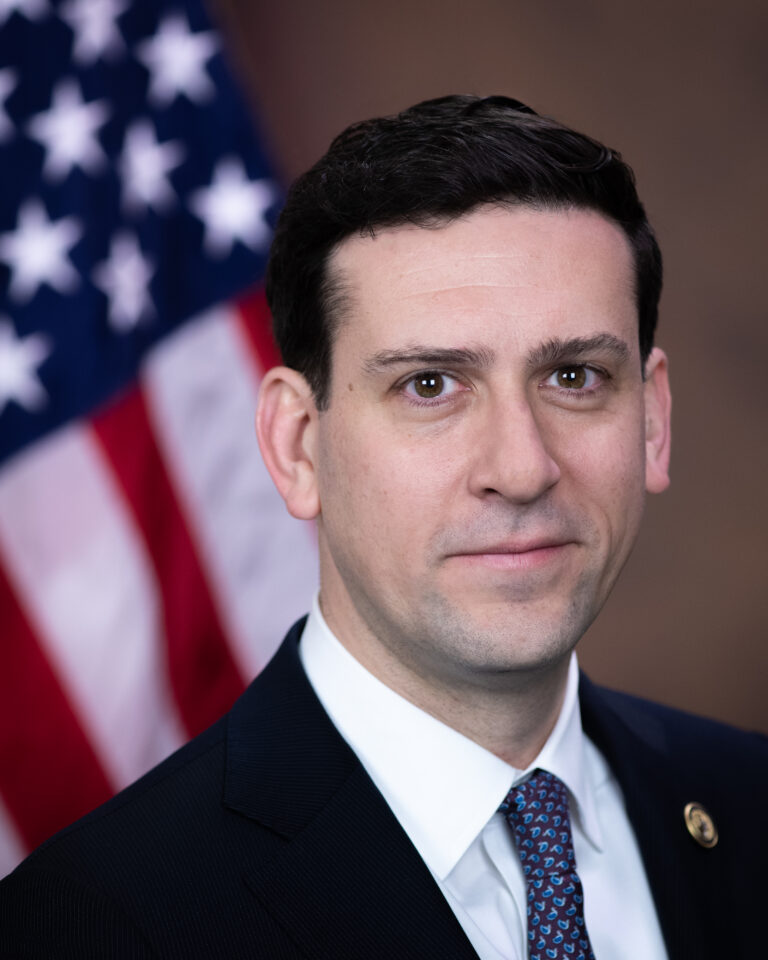
Matthew R. Galeotti, Head of the Criminal Division at the U.S. Department of Justice (DOJ), recently delivered a speech at SIFMA’s Anti-Money Laundering and Financial Crimes Conference. Galeotti outlined crucial changes in the DOJ’s approach to corporate enforcement. For compliance professionals, it was the first major speech by a DOJ representative touching on issues important to the corporate compliance community. It represents a paradigm shift that requires immediate attention, reflection, and strategic recalibration.
As compliance professionals, our mission goes beyond merely ensuring adherence to rules and regulations; it is about aligning ethical conduct with business excellence. Galeotti’s remarks clearly state that the DOJ recognizes compliance teams as indispensable allies in maintaining integrity and national security. Today, I want to explore the key insights and crucial lessons learned from Galeotti’s landmark address for compliance professionals.
Proactivity in Self-Disclosure is Paramount
The Criminal Division’s revised Corporate Enforcement and Voluntary Self-Disclosure Policy (CEP) underscores a clear incentive structure. Companies that voluntarily self-disclose, fully cooperate, timely remediate, and demonstrate no aggravating circumstances will not merely be presumed eligible but will definitively qualify for a declination. As Galeotti emphasized, “Self-disclosure is key to receiving the most generous benefits the Criminal Division can offer.”
The days of companies hesitating to self-disclose due to uncertainty about consequences are (hopefully) numbered. Compliance programs must prioritize internal monitoring and foster a culture where issues surface rapidly, are transparently addressed, and are communicated proactively to authorities. The DOJ now promises more certainty, with the carrot being a declination, not ambiguity. For compliance teams, the action is clear: establish robust internal reporting mechanisms and ensure swift escalation processes.
DOJ Clarifies Incentives for Partial or Late Disclosures
The revised policy also addresses a longstanding area of anxiety. What happens when a company comes forward after the DOJ has initiated an inquiry or self-discloses late? Galeotti clarified that even companies that disclose “not quickly enough” are eligible for significant benefits, including a Non-Prosecution Agreement (NPA) of fewer than three years, up to a 75% fine reduction, and no monitor requirement.
Compliance professionals should seize this clarity to advocate internally for transparency, even if belated. Organizations must understand that delayed disclosure still carries significant benefits compared to complete silence. This new clarity enhances the compliance professional’s ability to negotiate internally, ensuring corporate leaders understand the tangible benefits of transparency, even under challenging circumstances.
Expect a Narrower and More Focused DOJ Enforcement
Galeotti explicitly intended to shift the Criminal Division’s focus to the priorities of administrative enforcement. These schemes harm individual Americans, defraud government programs, and exploit financial systems to facilitate international crime. The DOJ now pledges to target resources precisely rather than spreading them thin through overly broad or protracted investigations. Galeotti succinctly encapsulated the rationale: “Excessive enforcement and unfocused corporate investigations stymie innovation, limit prosperity, and reduce efficiency.”
This presents an opportunity for compliance programs to fine-tune their internal risk assessments and investigative frameworks. Compliance professionals must ensure internal investigative resources are equally precise and strategic, aligning clearly with the DOJ’s focus areas. In short, avoid distraction; concentrate your vigilance on risks that matter most to regulators.
Reconsideration of Corporate Monitorships
One of the most consequential announcements is the reconsideration of the DOJ’s policy on corporate monitorships. Galeotti recognized that monitors can sometimes impose excessive financial and operational costs. Going forward, monitorships will be narrower in scope, tightly tailored, and deployed selectively only when benefits outweigh costs.
This is welcome news for compliance professionals, as corporate monitorship can be an unpleasant experience for a corporation and a compliance function. This change empowers compliance teams to advocate for internal investment in compliance improvements over external oversight. Compliance leaders should proactively develop internally led remediation and monitoring plans to demonstrate to regulators that the company has comprehensive capabilities to ensure compliance without burdensome external monitoring.
However, when a monitor is necessary, compliance professionals now have clear factors to prepare for DOJ review, including the severity of the underlying conduct, existing regulatory oversight, efficacy and maturity of compliance programs, and a demonstrated culture of compliance. Companies must document continuous improvement efforts clearly and transparently, making a strong case that external monitoring is redundant.
Corporate Whistleblower Programs Elevated in Importance
Lastly, Galeotti underscored the DOJ’s expanded whistleblower program, adding specific priority areas for whistleblower tips, including procurement fraud, trade and tariff violations, immigration violations, and sanction violations supporting terrorist groups or transnational criminal organizations.
The clear lesson here is the criticality of robust internal whistleblower programs. Compliance professionals must champion strong, accessible, secure, and confidential internal whistleblower policies to encourage employees to report concerns internally first. Organizations that fail to nurture internal reporting channels may receive external regulator attention first. Whistleblower programs should no longer be viewed solely as legal necessities; they must be strategic initiatives central to corporate integrity and national security.
A Call to Action for Compliance Professionals
Galeotti’s address represents a clear change in the DOJ’s approach. Compliance professionals have long desired a regulatory environment that rewards proactive transparency and practical self-governance, and the DOJ now offers this.
However, clarity and pragmatism from the DOJ require reciprocal clarity and pragmatism within corporate compliance programs. Compliance leaders must leverage these new DOJ policies to advocate internally for stronger compliance investments, clearer internal communication channels, and faster reporting protocols.
The DOJ’s message to compliance professionals is clear: You are our frontline partners in protecting integrity and national security. Self-reporting, effective remediation, and robust internal compliance structures will not merely shield your company from punitive enforcement; they represent pathways to tangible benefits and increased corporate resilience.
As compliance evangelists, we must seize this moment. Strengthen your internal mechanisms, streamline your reporting protocols, and reaffirm to your organizations that compliance excellence is not merely defensive but strategically beneficial.
Matthew Galeotti’s remarks provide the road map; it is incumbent on the compliance community to lead the way forward.
We will explore the attendant policy releases announced with the publication of Galeotti’s speech. Over the remainder of the week, we will consider the following:
