Categories
31 Days to More Effective Compliance Programs

One Month to More Effective Internal Controls – Culture as a Foundational Internal Control

To conclude this month’s series on Internal Controls, I am joined by Vin DiCianni, Founder and CEO of AMI. We discuss how corporate culture is a foundational internal control. It is a fascinating topic that is not discussed enough by compliance professionals.

3 Key Takeaways.

  1. It must start at the top.
  2. Hiring is critical to creating and sustaining an ethical culture.
  3. Creative internal controls around culture.
Categories
The ESG Report

Towards a Unified Data Model for ESG with Luke Jacobs

Compliance with environmental regulations is not just a cost of doing business, but a business opportunity. This is the view of Luke Jacobs, the CEO and co-founder of Encamp, a software company that helps businesses track and manage ESG reporting needs. In this episode of the ESG Report, Jacobs explains how his company is creating a unified data layer that could revolutionize environmental reporting and ESG compliance in the next decade.

Luke Jacobs is the co-founder and CEO of Encamp, a software platform that helps companies maintain compliance with environmental regulations. With over a decade of experience in environmental compliance, Luke has a deep understanding of the challenges faced by businesses when it comes to regulatory compliance. Luke is committed to building a unified data layer that makes it easy for organizations to collect, aggregate and report on environmental data to regulatory bodies, with a long-term vision to expand Encamp’s reach to international jurisdictions. Under his leadership, Encamp is creating opportunities for businesses to turn regulatory compliance into a business advantage.


Key insights and takeaways:

  • Environmental compliance is a complex issue with federal, state, and local regulations adding layers of nuance.
  • Encamp’s software platform helps users track regulated facilities and compliance tasks, streamlining the compliance process.
  • By automating compliance data tracking and reporting, environmental teams can free up time to focus on sustainability goals and emerging regulations.
  • The data collected by EHS professionals can be a valuable asset for broader ESG reporting and analysis.
  • EHS professionals play a key role in any ESG solution and have the opportunity to increase the value they can drive into broader business initiatives.
  • ESG provides a holistic approach to business efficiency by looking at a company in a more comprehensive and data-driven way.
  • Tier 2 reporting is a set of regulations that mandates organizations holding hazardous materials over reporting quantities to collect, aggregate, and report data about their material inventories each year. It is filed by hundreds of thousands of facilities in the US each year and is used by first responders in emergency disaster response scenarios.
  • The end-to-end waste reporting system helps companies understand the waste they are producing across their entire organization at any given moment. It also enables companies to comply with regulations more easily and quickly, increase business efficiency, and align with sustainability goals.
  • Compliance with environmental regulations can be turned into a business opportunity, as it allows companies to increase efficiency and seize more market opportunities without being slowed down by antiquated processes.
  • In the next five to ten years, Encamp aims to build a unified data layer that sits between regulated organizations and regulatory bodies to make it easy to have a unified data model of environmental data. The company will also explore ways to tackle the reporting problem within ESG as ESG regulations continue to emerge and solidify.


KEY QUOTES:

“I do think part of this is actually turning what is viewed as a cost of doing business right now, which is maintaining compliance with your environmental regulations and using systems and technology to actually unlock efficiencies in that, so that you’re not only able to comply with all those regulations more easily and more quickly, you can actually serve the business more effectively as well.” – Luke Jacobs


“An emerging value driver in businesses that EHS teams are actually tapping into, is the data they’re working with is often actually some of the most useful data.” – Luke Jacobs


“Our end-to-end system more or less helps companies understand at each site in real-time what waste they are producing at that location.” – Luke Jacobs


Resources

Luke Jacobs at LinkedIn | Twitter | Email

Encamp

Categories
Blog

Dheeraj Thimmaiah on Getting Buy-In for the Use of Data Analytics

Data analytics are becoming an increasingly important part of compliance performance. But how can companies ensure they are utilizing this technology to its fullest potential? I recently visited with Dheeraj Thimmaiah, Global Director of Compliance Analytics at AB InBev, to explore how user experience is the key element to a successful compliance solution and how AB InBev has used BrewRite data analytics tool to turn compliance into a data-driven program. By focusing on middle management, AB InBev has helped drive user adoption and optimize decision-making. He will also explain how he has been able to evolve BrewRite to include features such as alerting users of sanctions-related activity and creating a Quarterly Ethics and Compliance Assurance Report.

Dheeraj suggested three steps you need to follow to garner user adoption of data analytics to facilitate:

  1. Understand your target audience and their mindset;
  2. Involve the users in the process of developing the tool; and
  3. Introduce the concept of data driven compliance with a report.

Understand your target audience and their mindset

The first step in implementing a data analytics tool successfully is understanding the target audience and their mindset. In the case of AB InBev and the development of Brew Right, this involved focusing on the middle management level, as they are the ones directly responsible for interacting with employees and ensuring the tool is used. Dheeraj explained how they worked to slowly introduce the concept of data driven compliance to the middle management and involve them in the journey by allowing them to be part of the end product. They also worked to show the business rationalization behind the tool and how it could help make their day-to-day jobs easier.

The evolution of BrewRite has also been an important part of understanding the target audience and their mindset. In other words, the User Experience or UX. Initially, BrewRite was designed with the focus on transaction monitoring and providing feedback to the machine learning model. However, the way users interact with the tool has changed with the introduction of alert mechanisms, allowing users to be proactive in identifying risks. AB InBev has also introduced the Quarterly Ethics and Compliance Assurance Report, which enables senior level managers to benchmark compliance areas across different regions and empower local fields to take corrective action.

Involve the users in the process of developing the tool

As Carsten Tams continually reminds us, it is always about the UX. Involving the users in the process of developing the tool is essential for successful adoption and use of the tool. When it comes to the development of BrewRite, AB InBev focused on the day-to-day managers who would be using the tool and saw them as a key target audience. They wanted to ensure that the tool was both simple and effective for the users. To do this, they went through a process of changing mindsets to increase adoption and involving the users in the technical processes of the tool’s maturity and evolution.

This ensured that the users were a part of the end product and allowed them to leverage the tool to its maximum value. Additionally, the development team worked to bring an overview to senior level managers by taking different regions, building measures with business leaders, and creating a Quarterly Ethics & Compliance Assurance Report. This allowed the local fields to have insights and take the right actions for corrections needed. By involving the users in the process of developing the tool, BrewRite is able to be successful and make an impact.

Introduce the concept of data driven compliance

Step 3 of the process is introducing the concept of data driven compliance with a Quarterly Ethics & Compliance Assurance Report. This step is an important part of the process, as it will help to ensure that the data analytics tool is being used effectively and efficiently by the users. The first part of this step is to understand who the target audience is. Dheeraj suggests that the target audience should be the day-to-day compliance officers and managers, as they are the ones who are closest to the business transactions that are happening and can leverage the tool to the maximum value.

The second part of this step is to provide a business rationalization for the tool beyond simply having to do it. Dheeraj explained that this was done at AB InBev by pointing to the organization’s transformation to a digitized and monetized way of decision making. The third part of this step is to focus on user adoption. A key mechanism is getting the users involved in the technical process of the maturity of the tool and even the evolution of the tool, so they will contribute to the end product. Finally, the fourth part of this step is to introduce the Quarterly Ethics & Compliance Assurance Report, which will provide senior level managers with a world map that benchmarks which areas are strong in a particular region and which areas require improvement. This will enable the local fields to take the right actions for corrections they need to do.

Data analytics are becoming increasingly important for organizations to remain compliant. Dheeraj and his team at AB InBev continue to show how a successful compliance solution begins with understanding the users and their mindset. By involving the users in the process of developing the tool, focusing on middle management, and creating a Quarterly Ethics and Compliance Assurance Report, AB InBev has been able to maximize the potential of the data analytics tool. By following the same steps and leveraging the right technology, any organization can achieve the same success.

Check out the full podcast with Dheeraj on the use of data analytics at AB InBev here.

Categories
Innovation in Compliance

Creating the Insights Lab with Zachary Coseglia

In this insightful episode of the Innovation In Compliance podcast, Tom Fox welcomes Zachary Coseglia, the founder of the Ropes & Gray Insights Lab, to talk about the creation of the unique consultancy within the law firm. Zach dives into the challenges of building a team with diverse skill sets and backgrounds for a new function like the Insights Lab. He shares the value of data analytics for compliance, and how it can be used to improve investigations and understand patterns of behavior across the organization. Zach also highlights the complexities of working in-house, including managing relationships and understanding organizational intricacies. 

With over a decade of experience in the pharmaceutical industry, healthcare, and life sciences, Zach Coseglia built a strong background in investigations, compliance analytics, and digital compliance. During his time as head of investigations in Asia Pacific for Pfizer, he came up with the idea to create an analytics and behavioral science consultancy within a law firm, which led to the birth of the Insights Lab.


Key takeaways from the episode include:

  • Building an analytics consultancy within a law firm or compliance department requires investment in technology and human capital. Zach brought together people with diverse skill sets, backgrounds, and experiences to build a team that reflects the needs of the consultancy being created. He combined subject matter expertise of compliance and data analytics to build the team for the Insights Lab.
  • Zach believes that to build a successful analytics consultancy within compliance, it’s important to bring in people who have done this work in other industries. He stresses that they can bring unique perspectives and experiences that can drive innovation and progress within the organization.
  • The potential of data analytics to promote a better, stronger compliance program through identifying trends, patterns of behavior, and driving efficiencies.
  • Zach reflects on his experience working in-house and highlights the challenges of managing relationships and understanding organizational intricacies. He stresses the importance of effective relationship building and an intentional and strategic approach to building new capabilities or functions within an organization.
  • Compliance is a deeply human discipline that involves shaping human behavior through policies, procedures, training, and programs. Behavioral science, cultural psychology, and behavioral economics play a critical role in compliance and ethics work.
  • Compliance programs that only focus on rules are short-sighted.
  • Human-centered design is a powerful approach to building effective compliance programs that engage with people and amplify their voices.
  • The Insight Lab at Ropes and Gray is a consultancy, analytics, behavioral science, and creative consultancy that aims to combine multidisciplinary expertise under one roof.  The lab includes a team of lawyers, data journalists, ethics experts, journalists, and specialists in cultural psychology and behavioral science. The lab has expanded beyond compliance consulting to focus on areas such as organizational culture, diversity, equity, and inclusion, and environmental social governance (ESG).
  • The team’s multidisciplinary approach can shape the future of legal work, and the lab has the potential to be a large, powerful business for Ropes and Gray.
  • Law firms are embracing multidisciplinary teams and creating their own consulting groups, with some firms recognizing the value of analytics and behavioral science consultancies.
  • The legal profession could benefit from acknowledging that other disciplines can help make it stronger.
  • Zach Coseglia and Hui Chen have started a podcast called “There Has to Be a Better Way?” which is an innovation and curiosity podcast focused on identifying better ways and people who are finding their own better ways to solve organizational challenges, such as compliance, ethics, risk, diversity, equity, inclusion, and organizational culture.


KEY QUOTES:

“I think that there’s a huge opportunity for us to embrace behavioral science, to embrace a more scientific point of view, to embrace the world of data in ways that actually advance our profession.” – Zach Coseglia


“With all of the data we had available to us, we have this opportunity to understand human behavior in ways that go beyond just the rules.” – Zach Coseglia


“I have felt for a long time that compliance is being treated – has been treated – as this exclusively legal, regulatory, enforcement-related exercise oftentimes led by lawyers, when in fact, compliance is a deeply human discipline.” – Zach Coseglia


Resources:

Zach Coseglia at R&G Insights Lab | LinkedIn 

Ropes & Gray Insights Lab | Podcast: There Has to Be a Better Way?

Categories
Data Driven Compliance

Dheeraj Thimmaiah on Creating and Using an Internal Data Analytics Tool

Data Driven Compliance is your go-to podcast to learn about the latest in business analytical tools. It is sponsored by Kona AI. In this series, host Tom Fox brings you insightful interviews with experts in digital analytics, cyber security, and more. In this episode, Tom sits down with Dheeraj Thimmaiah from AB InBev. Dheeraj talks about the development of their internal data analytics reporting tool called ‘BrewRite.’ This tool has a wide variety of applications, from its use in helping to create the compliance function’s ‘Quarterly Ethics and Compliance Assurance Report’ to alert users when activities are triggered and providing information in the case manager module. Tune in and join the conversation with Tom and Dheeraj as they talk about the future of technology and the power of data analytics in uncovering risks! 

Key Highlights

·      Using Data Analytics to Navigate the company’s compliance challenges [00:06:04]

·      AB InBev’s Internal Tool BrewRite.  [00:10:09]

·      Monitoring and Assessing Business Ethics and Compliance Risk via Quarterly Reports -[00:21:47]

 Notable Quotes

1.      “The first thing we wanted to see is, how do we kind of slowly introduce them to the concept of data program?”

2.     “For us, the words simple and effective, we want to see how people are taking their day-to-day jobs and making it much easier.”

3.     “At the end of the day, these are the people who are actually looking at a particular area, identifying the risk or mitigating risk. They’re the source of a lot of things that get done within the company. So it’s so important for us to focus on them as an audience because they’re the people who can leverage the tool to the maximum value and also, at the same time, provide us great input because the closest to the business and the transactions that are happening across the ground to evolve types of risk we are looking for so we can continue to progress.”

4.     “We want to build something like that internally, and we’ve really titled this the quarterly ethics of compliance assurance report.”

 Resources:

Connect with Dheeraj Thimmaiah on LinkedIn

Check out Kona AI

Connect with Tom Fox on LinkedIn

Categories
Daily Compliance News

February 28, 2023 – The Biometric Edition

Welcome to the Daily Compliance News. Each day, Tom Fox, the Voice of Compliance, brings you compliance-related stories to start your day. Sit back, enjoy a cup of morning coffee, and listen to the Daily Compliance News. All from the Compliance Podcast Network. Each day we consider four stories from the business world, compliance, ethics, risk management, leadership, or general interest for the compliance professional.

Stories we are following in today’s edition of Daily Compliance News:

  • What happens when there are leaks at the Board level? (FT)
  • Many companies are caught under Illinois biometric law. (WSJ)
  • Corruption entwining Iceland and Namibia. (BBC)
  • Abu Dhabi finally settled with Malaysia over 1MDB. (Reuters)
Categories
Principled Podcast

LRN Principled Podcast: S9-E4: Actionable Ideas for your Corporate Ethics & Compliance Week

What you’ll learn on this podcast episode

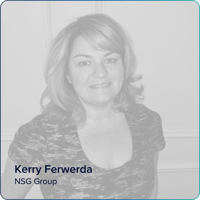
Engagement is a hot topic in the ethics and compliance space—it impacts training, communications, and overall program effectiveness. But driving engagement gets tricky when you have a global presence or employee populations with different working conditions and technologies. How can E&C professionals foster engagement in a way that resonates with everyone—and even makes it fun? In this episode of LRN’s Principled Podcast, host Dave Hansen talks with Kerry Ferwerda, the ethics and compliance manager for Europe at NSG Group, about how to plan a successful corporate ethics and compliance week. Listen in as the two discuss ideas and best practices around event content, communication, and participation.   

Guest: Kerry Ferwerda

Principled_Podcast_Kerry-Ferwerda_Guest

Kerry Ferwerda is the ethics and compliance manager for Europe at NSG Group, one of the world’s largest manufacturers of glass and glazing products for architectural and automotive. it is also a leading supplier of technical glass products within its Creative Technology division. NSG has principal operations around the world with sales in over 100 countries.

A passionate advocate for doing business the right way, Kerry has worked within ethics and compliance for the past 10 years. During this time, Kerry has led E&C education initiatives across the group, operating across the business lines to develop and implement education programs that deliver value and embed a strong company culture.

Prior to joining ethics and compliance, Kerry worked within the group’s Automotive Glass Replacement business unit for 12 years, gaining a wealth of experience in roles across multiple departments and functional disciplines—including Finance, Operations, Supply Chain, IS, and Customer Service.

Kerry holds a BSc (Hons) in Information Technology for Business from Aston University, Birmingham, UK.

Host: Dave Hansen

Principled_Podcast_Dave-Hansen_Host

Dave Hansen is the global advocacy marketing director at LRN, an organization focused on ethics and compliance solutions that help people around the world do the right thing. His team drives LRN’s customer obsession by building community, deepening customer engagement, and finding meaningful opportunities for collaboration. Dave is passionate about learning, having spent most of his career within higher education or training. He loves sharing customer stories and best practices in the name of continuous improvement. Dave is a proud dad, coffee enthusiast, drummer, and scuba diver. In his spare time, he enjoys cooking and reading!

Categories
31 Days to More Effective Compliance Programs

One Month to More Effective Internal Controls – Assessing Compliance Internal Controls

One of the specific requirements in the 2020 Update is around internal controls and, more specifically, control testing. It stated:
Control Testing – Has the company reviewed and audited its compliance program relating to the misconduct?  More generally, what testing of controls, collection and analysis of compliance data, and interviews of employees and third parties does the company undertake?  How are the results reported and action items tracked?  

Fortunately, the Committee of Sponsoring Organizations of the Treadway Commission (COSO) 2013 Internal Controls Framework considers assessing compliance with internal controls. In “Internal Controls – Integrated Framework, Illustrative Tools for Assessing Effectiveness of a System of Internal Controls,” COSO laid out its views on assessing the effectiveness of internal controls. It noted that an effective system of internal controls provides “reasonable assurance of achievement of the entity’s objectives, relating to operations, reporting, and compliance.” Moreover, such a structured protocol can only meet two over-arching requirements. First, each of the five components is present and functioning. Second, the five components operate in an integrated fashion with each other. One of the most critical components of the COSO Framework is that it sets internal control standards against those you can audit to assess the strength of your compliance with internal controls.

Three key takeaways:

  1. An effective system of internal controls provides reasonable assurance of achieving the company’s objectives relating to operations, reporting, and compliance.
  2. There are two over-arching requirements for effective internal controls. First, each of the five components is present and functional. Second are the five components operating together in an integrated approach.
  3. For an anti-corruption compliance program, you can use the Hallmarks of an Effective Compliance Program as your guide to testing against.
Categories
Corruption, Crime and Compliance

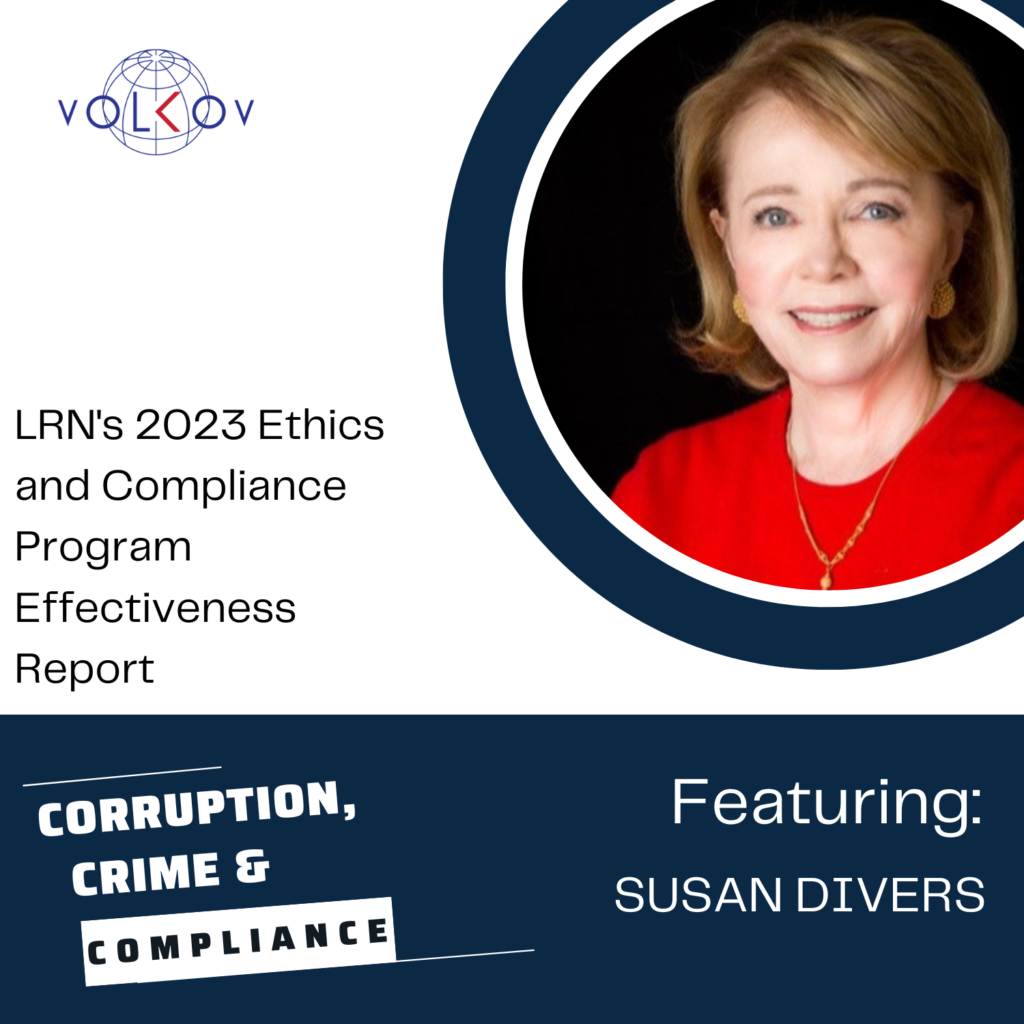
Susan Divers on LRN’s 2023 Ethics and Compliance Program Effectiveness Report

LRN’s 2023 Ethics and Compliance Program Effectiveness Report provides valuable insights into the state of ethics and compliance programs in companies around the world, highlighting the importance of commitment, investment, and promotion of corporate ethics and compliance, especially during times of economic and geopolitical turbulence. Michael Volkov welcomes Susan Divers of LRN to discuss the implications of recent court decisions and DOJ regulations on corporate compliance programs. She also explores how these developments have increased the responsibility of senior management and boards, as well as the importance of data collection and analysis in order to ensure that a company is effectively managing its risks. 

Susan Divers is a well-known lawyer and expert in the field of ethics and compliance. She currently serves as the Director of Thought Leadership at LRN, a leading ethics and compliance training and advisory firm. Prior to joining LRN, she was the Senior Advisor for Global Compliance at Baker Hughes, a GE Company. She has also worked as an Assistant Chief Counsel in the Division of Enforcement at the U.S. Securities and Exchange Commission, and as a litigator at several major law firms. Susan has extensive experience in designing and implementing effective ethics and compliance programs for organizations of all sizes and industries. She is a frequent speaker and author on topics related to ethics and compliance, and is widely respected as a thought leader in the field.


Key ideas you’ll hear Michael and Susan discuss:

  • Strengthening ethical culture during the pandemic. According to LRN, 82% of respondents reported that their ethical cultures had strengthened as a result of the challenges faced during the pandemic. This is the third year in a row that the survey has asked this question and received positive responses, indicating that the trend is not a fluke.
  • Values-based leadership. The report highlights the importance of values-based leadership and programs in meeting challenges effectively. Almost the same percentage of respondents reported that their companies operated based on values as opposed to a rules-based compliance program, emphasizing the critical role a company’s values play in shaping its ethics and compliance culture.
  • Trade compliance. Trade compliance is an area of concern, with only 25% of respondents enhancing their trade control compliance and training. Due to increased export and sanctions regulations, this area poses a significant risk, especially in light of the Russia sanctions.
  • Inadequate internal systems, staff shortages, budget constraints, and employee disengagement are common challenges faced by ethics and compliance professionals.
  • The importance of data analytics. As the report points out, data analytics is essential for measuring ethics and compliance programs’ effectiveness and addressing areas of concern. Data analytics can provide insights on how a program is actually doing today, not yesterday, and can point towards hotspot thoughts that need to be addressed. A good internal system is necessary for good data analytics.
  • The importance of investing in appropriate training and risk controls to stay up-to-date with the latest regulations. The regulatory environment is constantly evolving, and new risks are emerging all the time. Investing in appropriate training and risk controls enables organizations to identify and mitigate risks proactively, reducing the likelihood of a compliance breach or other negative event.
  • Training is essential, and the emphasis is on scenarios-based training that is tailored to a person’s role. Shorter modules, the use of videos, and technology that allows for the customization of training are best practices.


KEY QUOTES

“If you don’t have a good internal system, you’re not going to be able to get good data analytics which tell you how your program is actually doing today, not yesterday, and which point towards hot spots or areas of concern that you really need to address.” – Susan Divers


“It’s not just about checking a box and having a policy, it’s about living the values and creating an environment where people feel comfortable raising issues.” – Susan Divers


“The single most important thing for a compliance program is leadership and culture.” – Susan Divers


“You need to be proactive and anticipate where things might go wrong.” – Susan Divers


Resources

Susan Divers on LinkedIn 

Email: susan.divers@lrn.com 

LRN 2023 PEI Report

Categories
All Things Investigations

All Things Investigations: Episode 22 – Mike Huneke and Laura Perkins on Changes to Corporate Enforcement Policy

Welcome to the Hughes Hubbard Anticorruption and Internal investigation Practice Group’s podcast, where host Tom Fox and Hughes Hubbard Anticorruption and Internal Investigation Practices Group members delve into the legal issues surrounding white-collar and other investigations, both domestically and internationally.  Laura Perkins and Mike Huneke join Tom on this episode to discuss the changes to the Department of Justice’s Corporate Enforcement Policy.

Laura Perkins is the Co-Chair of the Anti-Corruption & Internal Investigations practice group and Co-Managing Partner of the Washington, DC, office at Hughes Hubbard & Reed. Prior to joining the firm, Laura worked for nearly ten years at the Criminal Division of the U.S. Department of Justice, where she served as Assistant Chief of the FCPA Unit and oversaw some of the largest individual and corporate FCPA cases in the U.S. Laura now advises corporations, boards of directors, and senior executives on high-stakes government and internal investigations, crisis management, white-collar criminal defense, and cross-border compliance counseling. She has particular expertise in FCPA/anti-corruption, healthcare fraud, financial fraud, and money laundering cases.


Mike Huneke is a Hughes Hubbard & Reed partner specializing in Anti-Corruption & Internal Investigations. His work involves advising clients on navigating complex international anti-corruption investigations, implementing compliance risk assessments and program enhancements, and conducting due diligence on third parties. He has received several awards, including Lexology’s Client Choice Award for Investigations-USA in 2022 and recognition from Global Investigations Review for his work representing Airbus in resolving bribery and corruption allegations.


Key ideas you’ll hear in this episode:

  • The Department of Justice’s corporate enforcement policy has been expanded to a broader range of white-collar crimes. Prosecutors can use it to evaluate possible criminal violations against a company when investigating potential criminal violations. It’s also an unofficial guide for companies to position themselves to avoid prosecution or mitigate consequences.
  • The new policy offers a 75% discount for self-reporting, a significant change, and an additional incentive for companies to self-report.
  • The discounts offered can stack up quickly, and the range of penalties for non-compliance can be large so the discount can make a marked difference in the amount of criminal penalty under the sentencing guidelines.
  • There may still be apprehension about self-reporting, as there is uncertainty about the actual penalties and the reputational harm that can result from a public criminal resolution.
  • The definition of extraordinary cooperation is subjective and largely depends on the speed and fulsomeness of the material going from the company to the department.
  • Proactive cooperation, being efficient in conducting an internal investigation, and being the one to come to the department with a good rhythm and cadence are all ways to stay on the good side of extraordinary cooperation.
  • The decision to self-disclose still depends on whether the company thinks the issue will come out or not and the pros and cons of self-disclosure need to be weighed in a case-specific analysis.
  • The more guidance that comes out in speeches, policy memos, or resolutions and declinations, the better companies will be able to evaluate the value of self-disclosure.


KEY QUOTES:

“One of the major [changes to the Corporate Enforcement Policy is] increasing the maximum potential fine reduction a company can get for self-reporting. It’s a further effort by the Department to incentivize self-reporting.” – Laura Perkins


“I think [the updated Corporate Enforcement Policy] does provide a clear incentive for companies to continually maintain a good compliance program and controls that can detect these violations.” – Laura Perkins


“I think the more that the government can show examples of the application of this increased benefit for exceptionally cooperating recidivists and ABB is a great example of that.” – Mike Huneke


“[The Corporate Enforcement Policy is] also the unofficial guide for companies and how they can position themselves best in the event of a problem to avoid prosecution either or to mitigate the consequences.” – Mike Huneke


Resources:

Hughes Hubbard & Reed website

Laura Perkins on LinkedIn

Mike Huneke on LinkedIn