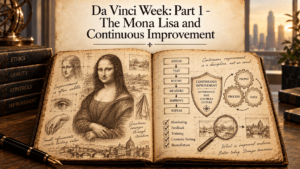
Da Vinci Week: Part 1 – The Mona Lisa and Continuous Improvement
I recently wrote a five-part blog series on compliance through Michelangelo’s lens. In our Michelangelo Compliance Framework, we used five extraordinary projects to explore five


I recently wrote a five-part blog series on compliance through Michelangelo’s lens. In our Michelangelo Compliance Framework, we used five extraordinary projects to explore five
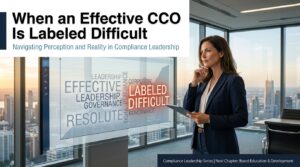
A business leader calls a Chief Compliance Officer (CCO) difficult after a proposed distributor fails to provide basic ownership information. The transaction is important to
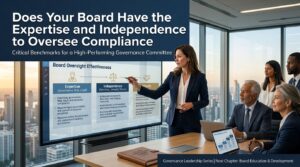
A board can have impressive credentials and still lack the experience needed to challenge management on the company’s most significant compliance risks. Directors may understand

A compliance strategic plan should explain how the function will build the capabilities the business needs to manage its risks. That requires choices about priorities,
A sales manager needs one more transaction to meet the quarterly target. The customer has not completed the required approvals, but the manager believes the
The ultimate measure of a compliance program is whether it can constrain the people the organization believes it cannot afford to disappoint. Most compliance programs
The Clippers penalties demonstrate that discipline is not the end of a compliance process. They are a public test of whether rules apply to powerful
The Clippers investigation shows why contracts, approvals, and carefully drafted emails cannot substitute for controls that test economic reality. In Part 3 of a five-part
The Clippers investigation demonstrates why conflict controls must follow influence, economic benefit, and interconnected transactions, not merely financial ownership. In Part 2 of this five-part
Over the next five blog posts, we will consider how commercial pressure, weak controls, and leadership decisions turned a salary-cap rule into an enterprise-wide governance