

Categories
Blog

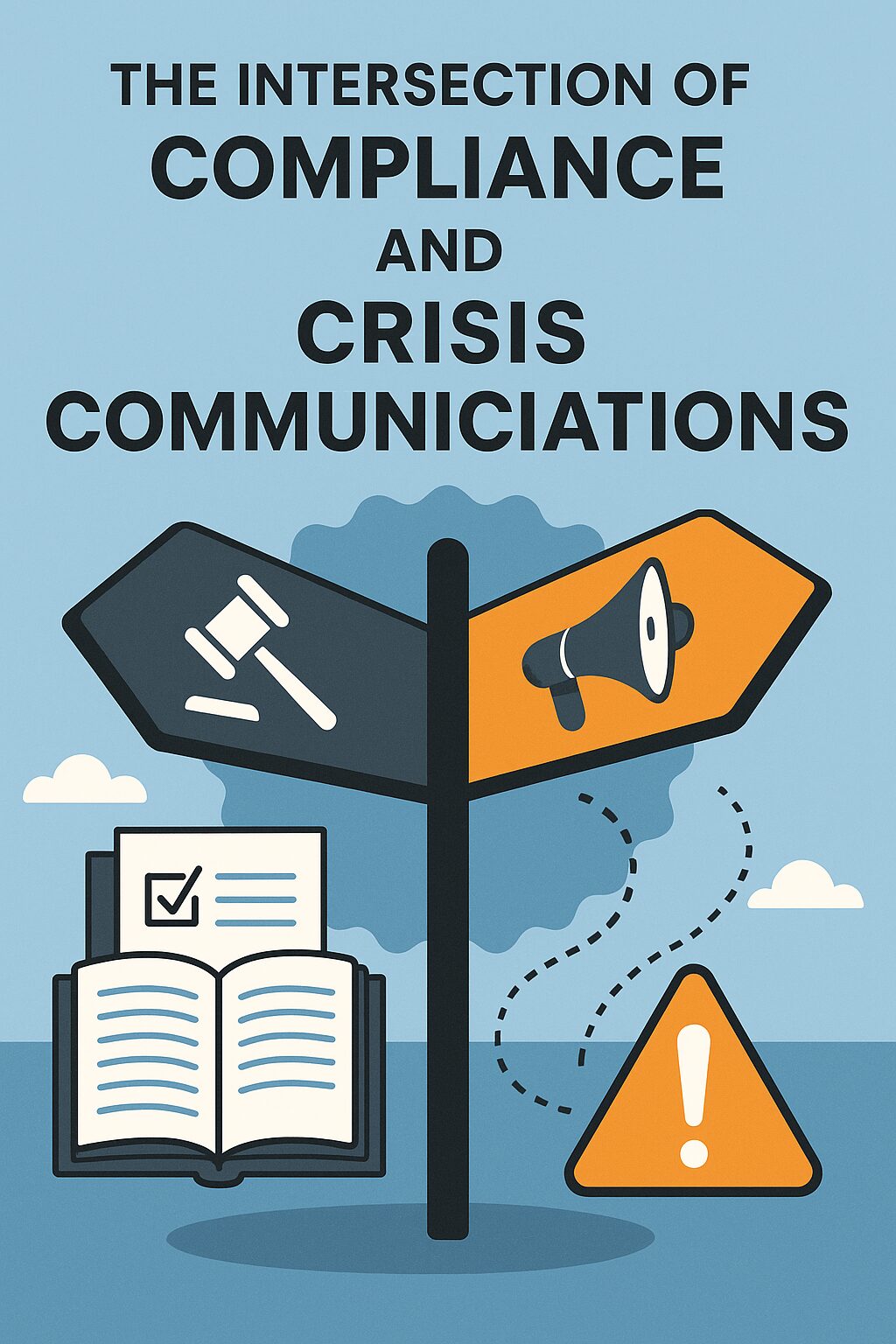
The Intersection of Compliance and Crisis Communications

Earlier this week, I posted a podcast with Steve Vincze regarding his thoughts about responding to a corporate crisis similar to the recent one seen at a Coldplay concert, where a Kiss Cam caught two individuals canoodling and it sparked a viral frenzy. The incident serves as a timely reminder that the adage of having 24 hours to respond is long gone. Vincze spoke about how the company can begin to record from such a compliance and ethics miasma, as when your CEO is openly having an affair with the head of your Human Resources Department. Yet there are other considerations a company needs to consider, as in today’s hyper-connected digital environment, corporate compliance professionals find themselves navigating crises at unprecedented speed. Today, compliance and communications teams have mere milliseconds to act.

The viral Kiss Cam event during Coldplay’s performance in Boston quickly transcended entertainment, morphing into a crisis for the company involved as speculation, memes, and fake apologies rapidly filled the communication void. Silence became negligence, and by the time the company issued its response over 24 hours later, the damage had intensified. This case isn’t an anomaly; it’s a crystal-clear signal of the evolving nature of crisis communications and its profound implications for corporate compliance teams. I recently came across an article by Gini Dietrich, founder of Spin Sucks, which outlined everything you need to consider to be ready for such a PR crisis (and nightmare). I took her piece and adapted it for the compliance professional. Here are five key lessons compliance professionals must learn from this incident.

1. Speed is Non-Negotiable

The essence of crisis response in 2025 is rapidity. Compliance professionals can no longer wait for every fact or legal review to issue a holding statement. Hesitation allows misinformation to spread unchecked, rapidly escalating manageable issues into existential threats. By preparing pre-approved holding statements and designating empowered response teams ahead of time, compliance can ensure immediate, controlled communication, preventing narrative hijacking.

Speed protects accuracy, as immediate communication positions organizations as transparent and responsive. A prompt, initial statement doesn’t need exhaustive details but should acknowledge awareness and ongoing investigation. Such swift action conveys responsibility, minimizes uncertainty, and curtails speculative narratives before they gain momentum.

2. Internal Communications are Essential

In crises, employees are not just internal stakeholders; they become frontline communicators, responding to inquiries from customers, partners, and personal connections. Compliance professionals must prioritize internal communications, informing employees first, clearly, and quickly. Doing so avoids confusion, curbs misinformation, and positions employees as reliable ambassadors equipped to handle external conversations appropriately.

Effective internal communications demonstrate organizational respect and care for employees, reinforcing loyalty and trust. It empowers them to respond confidently and consistently, reducing the risk of inadvertent misinformation. Early internal updates also foster internal stability, safeguarding productivity and morale during uncertain times, ultimately strengthening organizational resilience and unity during crises.

3. Scenario Planning Must Broaden

Traditional crisis management often focuses on natural disasters and data breaches. However, modern scenarios like executive misconduct, white-collar crime, and viral moments must be integrated into risk matrices. Compliance professionals should proactively collaborate with communications teams to anticipate diverse risks. Regular scenario-based drills ensure preparedness and reveal potential weaknesses in response strategies, enabling continuous improvement.

By embracing a broader spectrum of potential crises, compliance teams can identify vulnerabilities and preemptively design response protocols tailored to each scenario. Continuous assessment and updating of these protocols foster adaptability, ensuring teams remain agile and prepared, significantly reducing reaction times and minimizing the scope of damage.

4. Control Your Owned Channels

Immediate access to and control of your communication channels—such as websites, LinkedIn, Twitter, and internal communications platforms—is critical. In the Coldplay Kiss Cam incident, the initial lack of communication enabled false narratives to dominate. Compliance and communication teams must maintain ready-to-use channels, ensuring the company narrative can be rapidly deployed, preserving control and credibility.

Owning and managing these channels allows companies to issue timely, authoritative messages directly to their audience without relying solely on external media coverage. By proactively maintaining these channels, companies ensure consistent messaging, prevent misinformation, and swiftly address emerging issues, thus safeguarding their reputation and maintaining stakeholder trust.

5. Continuous Monitoring and Readiness

Crises do not follow business hours. Compliance professionals must establish continuous monitoring, leveraging tools such as Google Alerts, Buffer, and structured internal monitoring schedules. Maintaining constant vigilance ensures early detection and rapid response, crucially limiting reputational damage. Regular training and simulations further cement readiness, creating an agile response capability able to manage real-time crises effectively.

Continuous monitoring facilitates early warning signs, enabling compliance teams to act preemptively rather than reactively. Additionally, cultivating readiness through regular drills builds organizational muscle memory, reducing response times and stress during real crises. This proactive stance transforms potential vulnerabilities into managed situations, enhancing overall organizational resilience.

The Coldplay Kiss Cam saga underscores that modern crisis communications are not reactive but proactive. Compliance teams prepared for rapid, effective responses not only survive crises—they shape the narrative. By embracing these five critical lessons, compliance professionals can confidently navigate the lightning-fast world of digital communications, turning potential vulnerabilities into opportunities for integrity and trust-building.

In today’s hyper-connected landscape, waiting is no longer a caution; it may be closer to malpractice. As compliance professionals, our responsibility is not merely reacting to crises but proactively preparing for the inevitable moments when reputations hang by a thread. Your employees, stakeholders, and the public do not expect perfection, but they do expect presence, transparency, and action. By investing now in responsive protocols, clear internal communications, and agile crisis teams, you ensure your voice isn’t drowned out by speculation. Speed is not simply an advantage; it may well be your most critical compliance control. Act swiftly, communicate authentically, and you will not just survive the storm; you and your team will shape the narrative.
Categories
FCPA Compliance Report

FCPA Compliance Report – Navigating Corporate Scandals: Insights on Governance, Compliance, and Recovery with Steve Vincze

Welcome to the award-winning FCPA Compliance Report, the longest-running podcast in compliance. In this episode, Tom welcomes Steve Vincze back to discuss the recent corporate scandal involving executives from Astronomer.

Tom and Steve take a deep dive into governance, compliance, and internal controls, drawing parallels with historical cases like Boeing’s 2003 CEO scandal. Vincze shares five critical success factors and three essential elements for establishing an effective ethics and compliance program, emphasizing the importance of transparency, strong leadership, and re-establishing trust. He also discusses how military leadership and open communication can help rebuild a company’s culture post-scandal. The episode closes with practical advice for companies facing similar challenges and how they can recover and thrive.

Key highlights:

  • The Viral Incident and Its Implications
  • Corporate Recovery Strategies
  • Five Critical Success Factors
  • Establishing Trust and Credibility
  • Military Insights on Leadership
  • Addressing Scandals and Rebranding

Resources:

Steve Vincze on LinkedIn

Trestle Compliance

Tom Fox

Instagram

Facebook

YouTube

Twitter

LinkedIn

For more information on the use of AI in Compliance programs, Tom Fox’s new book is Upping Your Game. You can purchase a copy of the book on Amazon.com

Categories
Blog

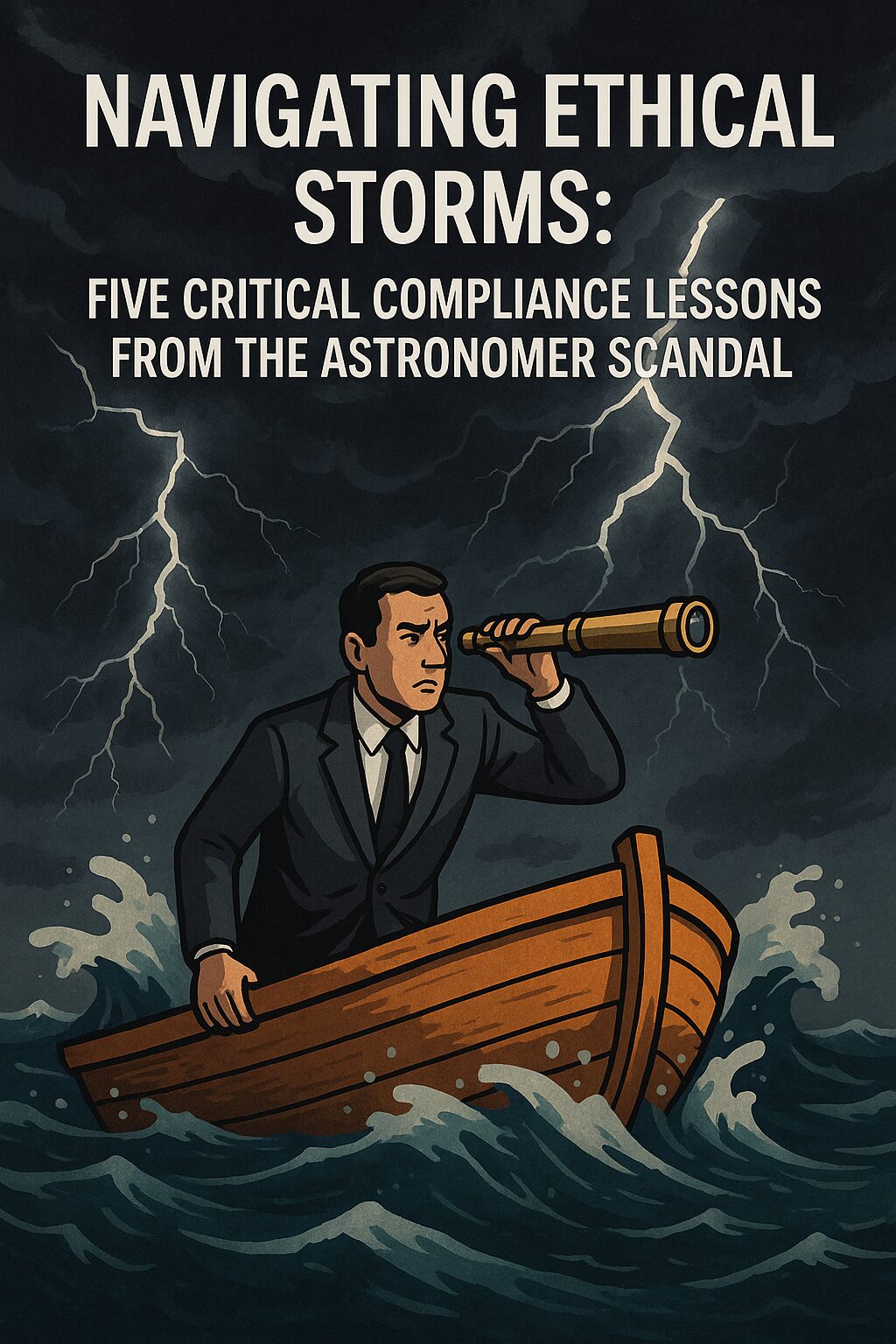
Navigating Ethical Storms: Five Critical Compliance Lessons from the Astronomer Scandal

Recently, we witnessed the Astronomer scandal unfold, making headlines not just for its salacious nature but also for the significant corporate governance and compliance questions it raised. I had the opportunity to sit down with Steve Vincze, founder of Trestle Compliance, for an episode of the FCPA Compliance Report, to consider what a company might do when such an ethics crisis hits. Vincze has extensive experience with just this issue from a similar scandal involving Boeing back in 2003.

Vincze unpacked five critical lessons compliance professionals must heed when confronted with an ethical crisis resembling Astronomer’s.

1. Own the Problem: Transparency Above All

The first, and arguably most important lesson, is the necessity of transparency. Acknowledge the issue unequivocally. Vincze stressed that a corporate crisis is fundamentally a corporate responsibility, regardless of individual faults. Resist the urge to minimize or dismiss the event as merely a lapse in personal judgment. The scandal is yours to manage, and your response will directly impact your organization’s credibility. Owning the problem conveys to stakeholders that your organization prioritizes accountability and transparency, crucial traits for long-term recovery.

2. Leadership Front and Center: Demonstrate Integrity and Commitment

The role of leadership during a crisis cannot be overstated. Vincze’s insights emphasized the need for the highest-ranking executive, especially the new leadership stepping in after a scandal, to be visibly and actively involved in both internal and external communications. Leaders must embody the change they seek, modeling integrity and reinforcing trust. Active, visible leadership sends a strong signal that ethical standards and compliance culture are fundamental and non-negotiable.

3. Establish a Robust Ethics and Compliance Framework

An ethical crisis offers a potent opportunity to recalibrate your corporate culture. As Vincze recommended, clearly define or redefine your organization’s core values through a robust ethics and compliance program. Ensure that these values permeate every policy and procedure. Such a program should go beyond mere regulatory compliance. The company must foster a genuine culture of integrity and trust. This sends a powerful message internally, bolstering employee morale, and externally, enhancing brand reputation.

4. Clarity and Precision: Communicate the Path Forward

Vincze underscored that organizations must communicate their steps to address the crisis, including the rationale behind each decision. Clarity is critical; employees, customers, and stakeholders need to understand not only what actions are being taken but also why. Ambiguity in crisis management breeds distrust and confusion. Conversely, transparent, precise communication builds confidence and illustrates genuine intent to rectify and improve organizational behavior.

5. Courage to Walk Away: Integrity Over Short-term Gains

Compliance often requires difficult choices. Vincze’s fifth lesson highlights the importance of having the courage to walk away from individuals and business relationships that are misaligned with your ethical standards. Not every stakeholder or employee will adapt to new cultural expectations or moral guidelines. It’s essential to prioritize integrity over short-term financial or relational benefits. By demonstrating a strict and uniform enforcement of your compliance policies, you solidify trust and establish a clear ethical boundary.

In addition to these lessons, Vincze shared three essential elements critical for establishing an effective ethics and compliance program post-crisis.

Personal Engagement from Leadership

The Astronomer’s leader(s) and the Chief Compliance Officer must actively participate in every aspect of the program. They should set examples through actions, not just words, exemplifying the standards they wish to instill across the organization. Leaders must engage with employees through regular communication, training sessions, and personal interactions to reinforce the importance of ethical conduct. By visibly aligning their behavior with the organization’s values, leaders inspire trust and confidence among staff. Moreover, their hands-on involvement helps address concerns quickly and effectively, ensuring employees feel heard and valued during the recovery phase.

Right People, Right Roles

Surround yourself with individuals who not only possess technical expertise but also have the interpersonal skills to effectively bridge gaps between legal compliance requirements and practical business operations. Whether building a large team or operating with limited resources, prioritize quality, integrity, and practical expertise. The right individuals should demonstrate strong ethical judgment and possess the ability to communicate compliance standards clearly and persuasively across various organizational levels. Selecting team members who can translate complex regulatory demands into actionable strategies helps facilitate a culture where compliance is not just mandated but embraced as a crucial element of business success.

Balanced Approach to Public Relations

While it is beneficial to maintain a humanizing and approachable image, Vincze advised caution regarding overly humorous or irreverent messaging during a sensitive period. Humor and creativity can indeed facilitate relatability, but they should follow the serious groundwork of rebuilding ethical credibility and trust. PR strategies must carefully balance transparency and accountability with a tone that resonates positively with internal and external stakeholders. Leveraging strategic messaging that acknowledges past issues while clearly outlining proactive measures ensures stakeholders understand your commitment to rectifying mistakes. Ultimately, maintaining an appropriate, thoughtful public image reinforces credibility and supports long-term recovery.

Drawing upon his military experience, Vincze also emphasized the importance of open, respectful dialogue between leadership and employees. Creating safe, transparent channels for communication ensures that employees feel heard and valued. This environment fosters mutual trust and aids in surfacing potential issues proactively, long before they become public crises.

Moreover, an intangible yet crucial consideration emerged from our discussion—talent acquisition and retention. As compliance professionals, we must acknowledge how ethical breaches can significantly damage our organization’s reputation among potential hires and existing employees alike. The fallout from a scandal impacts the very fabric of corporate culture, often more profoundly than immediately quantifiable losses.

Ultimately, the Astronomer scenario underscores that ethical crises, while uncomfortable and challenging, can also serve as critical turning points. They present opportunities to strengthen corporate integrity, enhance transparency, and demonstrate genuine leadership. Compliance officers must be proactive, transparent, and resolute in establishing and upholding ethical standards.

Recovery is always possible; the response is thoughtful, strategic, and aligned with the core values of integrity and transparency. Compliance professionals, armed with these five lessons, can guide their organizations through the storm toward a robust ethical culture and lasting organizational success.

Remember, the road to recovery might be challenging, but as compliance professionals, our commitment to integrity will illuminate the path forward. Let’s keep the conversation going, continue learning, and always strive to elevate the ethical standards of our corporate communities.

Categories
Daily Compliance News

Daily Compliance News: July 21, 2025, The More Reasons Not to Go to China Edition

Welcome to the Daily Compliance News. Each day, Tom Fox, the Voice of Compliance, brings to you compliance-related stories to start your day. Sit back, enjoy a cup of morning coffee, and listen in to the Daily Compliance News. All, from the Compliance Podcast Network. Each day, we consider four stories from the business world, including compliance, ethics, risk management, leadership, or general interest, relevant to the compliance professional.

Top stories include:

  • Astronomer CEO resigns. (BBC)
  • Wells Fargo employee under investigation, 2 more can’t leave. (NYT)
  • Meta refuses to agree to EU Code of AI Practice. (WSJ)
  • X to fight French investigation. (Reuters)

You can donate to flood relief for victims of the Kerr County flooding by going to the Hill Country Flood Relief here.