


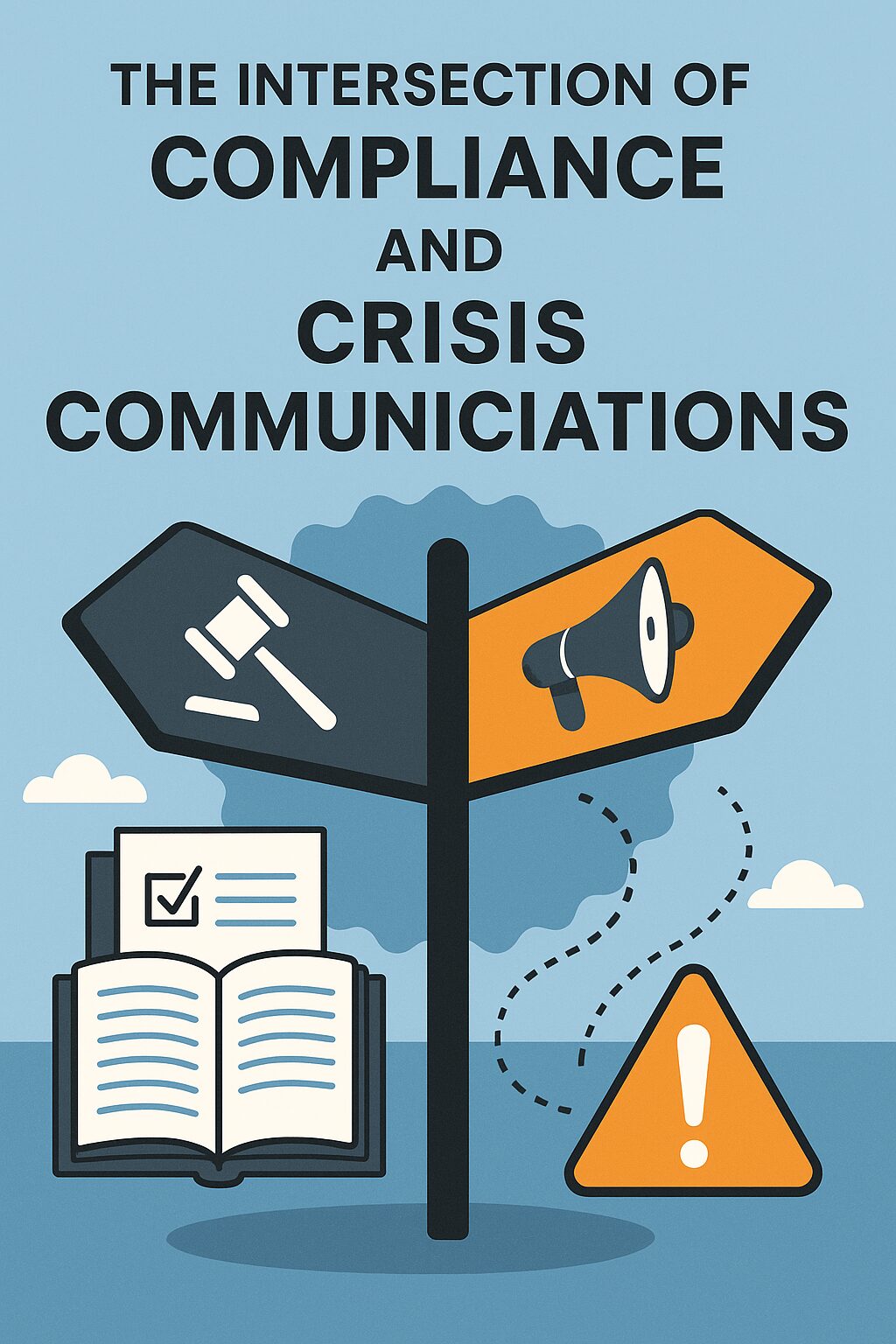
Earlier this week, I posted a podcast with Steve Vincze regarding his thoughts about responding to a corporate crisis similar to the recent one seen at a Coldplay concert, where a Kiss Cam caught two individuals canoodling and it sparked a viral frenzy. The incident serves as a timely reminder that the adage of having 24 hours to respond is long gone. Vincze spoke about how the company can begin to record from such a compliance and ethics miasma, as when your CEO is openly having an affair with the head of your Human Resources Department. Yet there are other considerations a company needs to consider, as in today’s hyper-connected digital environment, corporate compliance professionals find themselves navigating crises at unprecedented speed. Today, compliance and communications teams have mere milliseconds to act.
The viral Kiss Cam event during Coldplay’s performance in Boston quickly transcended entertainment, morphing into a crisis for the company involved as speculation, memes, and fake apologies rapidly filled the communication void. Silence became negligence, and by the time the company issued its response over 24 hours later, the damage had intensified. This case isn’t an anomaly; it’s a crystal-clear signal of the evolving nature of crisis communications and its profound implications for corporate compliance teams. I recently came across an article by Gini Dietrich, founder of Spin Sucks, which outlined everything you need to consider to be ready for such a PR crisis (and nightmare). I took her piece and adapted it for the compliance professional. Here are five key lessons compliance professionals must learn from this incident.
1. Speed is Non-Negotiable
The essence of crisis response in 2025 is rapidity. Compliance professionals can no longer wait for every fact or legal review to issue a holding statement. Hesitation allows misinformation to spread unchecked, rapidly escalating manageable issues into existential threats. By preparing pre-approved holding statements and designating empowered response teams ahead of time, compliance can ensure immediate, controlled communication, preventing narrative hijacking.
Speed protects accuracy, as immediate communication positions organizations as transparent and responsive. A prompt, initial statement doesn’t need exhaustive details but should acknowledge awareness and ongoing investigation. Such swift action conveys responsibility, minimizes uncertainty, and curtails speculative narratives before they gain momentum.
2. Internal Communications are Essential
In crises, employees are not just internal stakeholders; they become frontline communicators, responding to inquiries from customers, partners, and personal connections. Compliance professionals must prioritize internal communications, informing employees first, clearly, and quickly. Doing so avoids confusion, curbs misinformation, and positions employees as reliable ambassadors equipped to handle external conversations appropriately.
Effective internal communications demonstrate organizational respect and care for employees, reinforcing loyalty and trust. It empowers them to respond confidently and consistently, reducing the risk of inadvertent misinformation. Early internal updates also foster internal stability, safeguarding productivity and morale during uncertain times, ultimately strengthening organizational resilience and unity during crises.
3. Scenario Planning Must Broaden
Traditional crisis management often focuses on natural disasters and data breaches. However, modern scenarios like executive misconduct, white-collar crime, and viral moments must be integrated into risk matrices. Compliance professionals should proactively collaborate with communications teams to anticipate diverse risks. Regular scenario-based drills ensure preparedness and reveal potential weaknesses in response strategies, enabling continuous improvement.
By embracing a broader spectrum of potential crises, compliance teams can identify vulnerabilities and preemptively design response protocols tailored to each scenario. Continuous assessment and updating of these protocols foster adaptability, ensuring teams remain agile and prepared, significantly reducing reaction times and minimizing the scope of damage.
4. Control Your Owned Channels
Immediate access to and control of your communication channels—such as websites, LinkedIn, Twitter, and internal communications platforms—is critical. In the Coldplay Kiss Cam incident, the initial lack of communication enabled false narratives to dominate. Compliance and communication teams must maintain ready-to-use channels, ensuring the company narrative can be rapidly deployed, preserving control and credibility.
Owning and managing these channels allows companies to issue timely, authoritative messages directly to their audience without relying solely on external media coverage. By proactively maintaining these channels, companies ensure consistent messaging, prevent misinformation, and swiftly address emerging issues, thus safeguarding their reputation and maintaining stakeholder trust.
5. Continuous Monitoring and Readiness
Crises do not follow business hours. Compliance professionals must establish continuous monitoring, leveraging tools such as Google Alerts, Buffer, and structured internal monitoring schedules. Maintaining constant vigilance ensures early detection and rapid response, crucially limiting reputational damage. Regular training and simulations further cement readiness, creating an agile response capability able to manage real-time crises effectively.
Continuous monitoring facilitates early warning signs, enabling compliance teams to act preemptively rather than reactively. Additionally, cultivating readiness through regular drills builds organizational muscle memory, reducing response times and stress during real crises. This proactive stance transforms potential vulnerabilities into managed situations, enhancing overall organizational resilience.
The Coldplay Kiss Cam saga underscores that modern crisis communications are not reactive but proactive. Compliance teams prepared for rapid, effective responses not only survive crises—they shape the narrative. By embracing these five critical lessons, compliance professionals can confidently navigate the lightning-fast world of digital communications, turning potential vulnerabilities into opportunities for integrity and trust-building.
In today’s hyper-connected landscape, waiting is no longer a caution; it may be closer to malpractice. As compliance professionals, our responsibility is not merely reacting to crises but proactively preparing for the inevitable moments when reputations hang by a thread. Your employees, stakeholders, and the public do not expect perfection, but they do expect presence, transparency, and action. By investing now in responsive protocols, clear internal communications, and agile crisis teams, you ensure your voice isn’t drowned out by speculation. Speed is not simply an advantage; it may well be your most critical compliance control. Act swiftly, communicate authentically, and you will not just survive the storm; you and your team will shape the narrative.
