Recently, I had the opportunity to visit with John Byrne, the CEO at Corlytics. You can listen to the podcast here. One of our topics was how artificial intelligence (AI) has swiftly transitioned from a cutting-edge curiosity into an indispensable cornerstone of corporate operations. From simple text generation applications on our smartphones to sophisticated enterprise solutions hosted in the cloud, AI permeates nearly every aspect of modern business infrastructure. This ubiquity highlights AI’s substantial potential to improve organizational efficiency, competitive positioning, and decision-making processes.
Yet, the swift evolution and pervasive integration of AI technology have not come without substantial risks, prompting compliance professionals to carefully reconsider their roles and responsibilities. The core concern remains security, particularly as more firms migrate critical applications and sensitive data to cloud environments. Over the past decade, organizations have significantly matured their security protocols and best practices for cloud-hosted software, establishing clear guidelines that mitigate traditional cyber vulnerabilities.
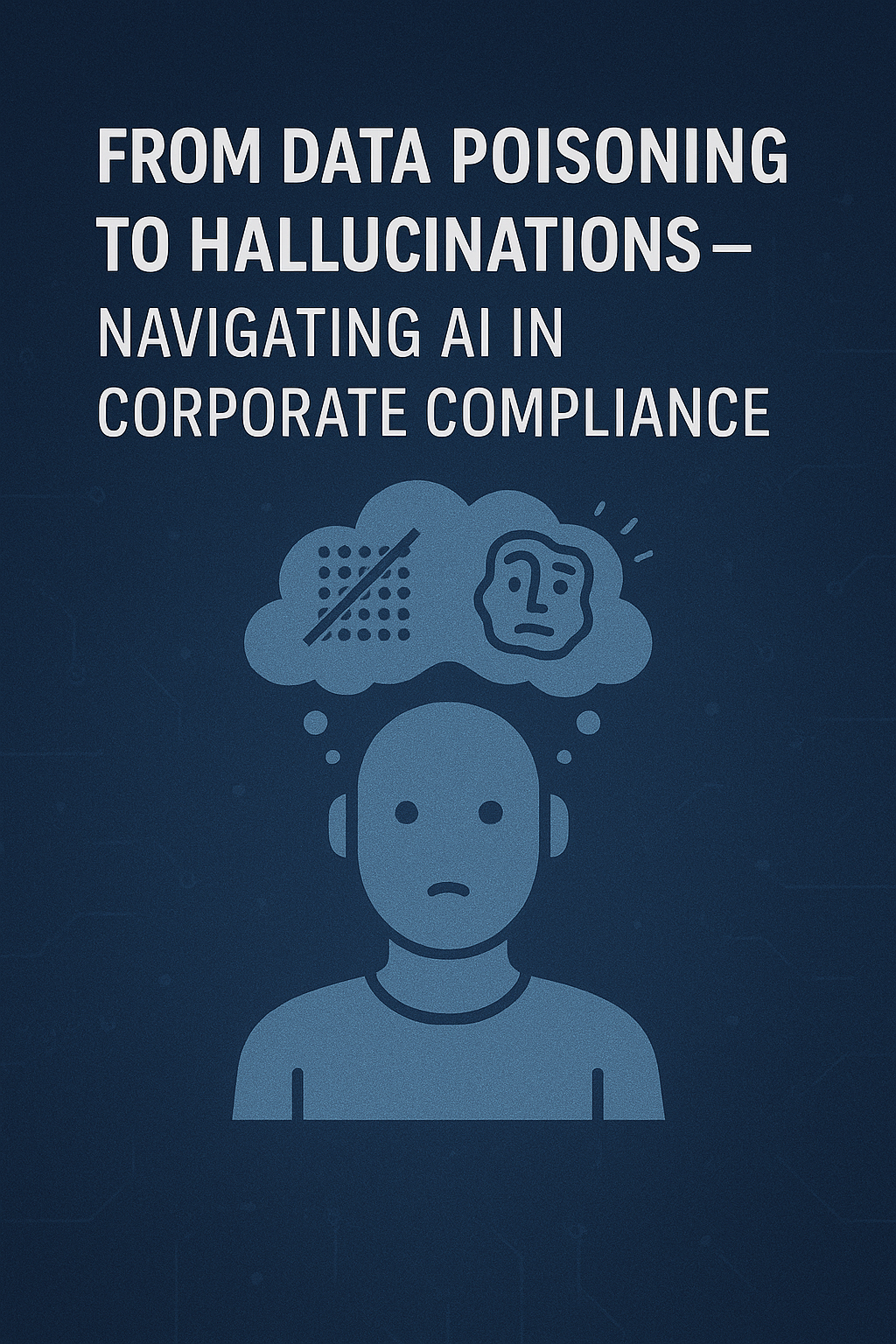
However, AI introduces unique and heightened threats beyond conventional cybersecurity, including sophisticated tactics like data poisoning, intentional misinformation, and “hallucinations,” where AI systems convincingly generate inaccurate or misleading outputs. As AI becomes mission-critical to business operations, these vulnerabilities can have severe, far-reaching consequences, posing significant challenges to compliance officers tasked with protecting their organizations. Navigating these emerging risks requires compliance teams to adopt rigorous, proactive measures. This involves implementing robust security protocols designed explicitly for AI-driven environments, continually updating risk assessment strategies, and incorporating comprehensive oversight frameworks that effectively monitor and manage AI’s evolving threats.
In this context, compliance professionals must fully embrace their expanding roles, safeguarding organizations against evolving risks, ensuring regulatory adherence, and fostering ethical practices around AI deployment. By understanding these challenges and proactively addressing them, compliance teams can ensure their organizations reap the substantial benefits AI offers without compromising security, trust, or compliance standards.
Lesson 1: Robust Security Practices Are Non-Negotiable
The foundational concern with AI integration, particularly cloud-hosted AI applications, is security. A decade of deploying software to the cloud has taught us valuable lessons that compliance professionals must rigorously apply. Robust security frameworks, stringent testing protocols, continuous monitoring, and rapid response strategies form the core pillars of effective security. Compliance officers must enforce strict dos and don’ts, ensuring not only compliance with regulatory expectations but also fortifying the company’s resilience against breaches.
The key takeaway is that rigorous cloud security standards, developed over the years, must now explicitly encompass AI applications. Firms must extend established compliance checklists, adding layers specific to AI security challenges, to ensure the integrity, availability, and confidentiality of AI-driven data remain uncompromised.
Lesson 2: Proactively Address Risks from Malicious Actors
History teaches that groundbreaking technologies, while primarily beneficial, inevitably attract malicious actors. AI is no exception. Cyber threats leveraging AI can escalate rapidly into sophisticated attacks, such as data poisoning, where attackers intentionally feed misleading information into algorithms, thereby corrupting their output. This subversion poses profound implications for the accuracy of decision-making and organizational trust.
Compliance professionals must educate themselves and their teams about evolving threats and strengthen internal controls accordingly. By embedding risk identification processes into standard compliance workflows, organizations can proactively anticipate and mitigate threats. Regularly updated training programs, AI-aware cyber defense strategies, and robust audits are crucial in preventing and managing these risks.
Lesson 3: Guard Against AI-Specific Vulnerabilities
AI technologies, while transformative, are inherently susceptible to certain unique vulnerabilities, such as “hallucinations,” where generative AI outputs erroneous or fabricated information that is convincingly presented. These errors can lead to significant operational and reputational damage. Compliance officers must recognize these vulnerabilities and mandate rigorous validation protocols.
Implementing stringent AI testing regimes, cross-verification procedures, and continuous model validation helps mitigate these risks. Maturity in AI compliance necessitates adopting specialized disciplines, notably Machine Learning Operations (ML Ops). ML Ops offers a systematic and disciplined approach for operationalizing AI models, tracking performance, and addressing vulnerabilities promptly and effectively.
Lesson 4: ML Ops—Operationalizing AI Compliance
One notable best practice is embracing MLOps, a structured discipline focused on the operations of machine learning engineering. ML Ops mirrors established IT operational practices explicitly tailored to AI applications. Compliance professionals must understand and advocate for MLOps to systematically embed governance and controls, ensuring the effective implementation of these practices.
ML Ops operationalizes model deployment through rigorous validation, structured versioning, continuous monitoring, and disciplined updates —core activities that compliance teams must oversee. Compliance leaders should champion this discipline, advocating for dedicated AI governance roles, well-defined processes, and accountability frameworks to ensure that AI operations consistently align with compliance requirements and risk management strategies.
Lesson 5: Continuous Monitoring and Validation are Essential
Continuous monitoring, validation, and improvement are critical to sustainable AI governance. Unlike traditional software, AI models evolve continuously, adapting to new data, patterns, and feedback loops. This dynamic nature mandates perpetual oversight from compliance functions. It is insufficient merely to test AI models upon deployment; organizations must maintain ongoing validation processes that adapt to emerging data and evolving threats.
Compliance teams must collaborate closely with technical and business units to ensure the integration of compliance checkpoints within the AI lifecycle. Regular performance audits, comprehensive incident response strategies, and adaptive risk assessment frameworks must be institutionalized. By proactively identifying and correcting deviations, compliance professionals will significantly mitigate operational and compliance risks associated with AI.
Conclusion
AI presents unparalleled opportunities for enhanced business performance, predictive insights, and competitive advantages. Yet, its integration demands vigilant compliance oversight, rigorous governance practices, and continuous monitoring. By applying the lessons learned from cloud security experiences, anticipating malicious misuse, mitigating AI-specific vulnerabilities, operationalizing AI through ML Ops, and maintaining rigorous, ongoing validation practices, compliance professionals can effectively manage AI-driven risks.
Corporate compliance teams must embrace their critical role as stewards of responsible AI governance. It is an opportunity to reinforce the value proposition of compliance within organizations as strategic advisors, proactive risk mitigators, and champions of ethical innovation. Ultimately, a robust compliance framework ensures that the transformative power of AI drives sustainable growth without compromising security, integrity, or regulatory compliance.