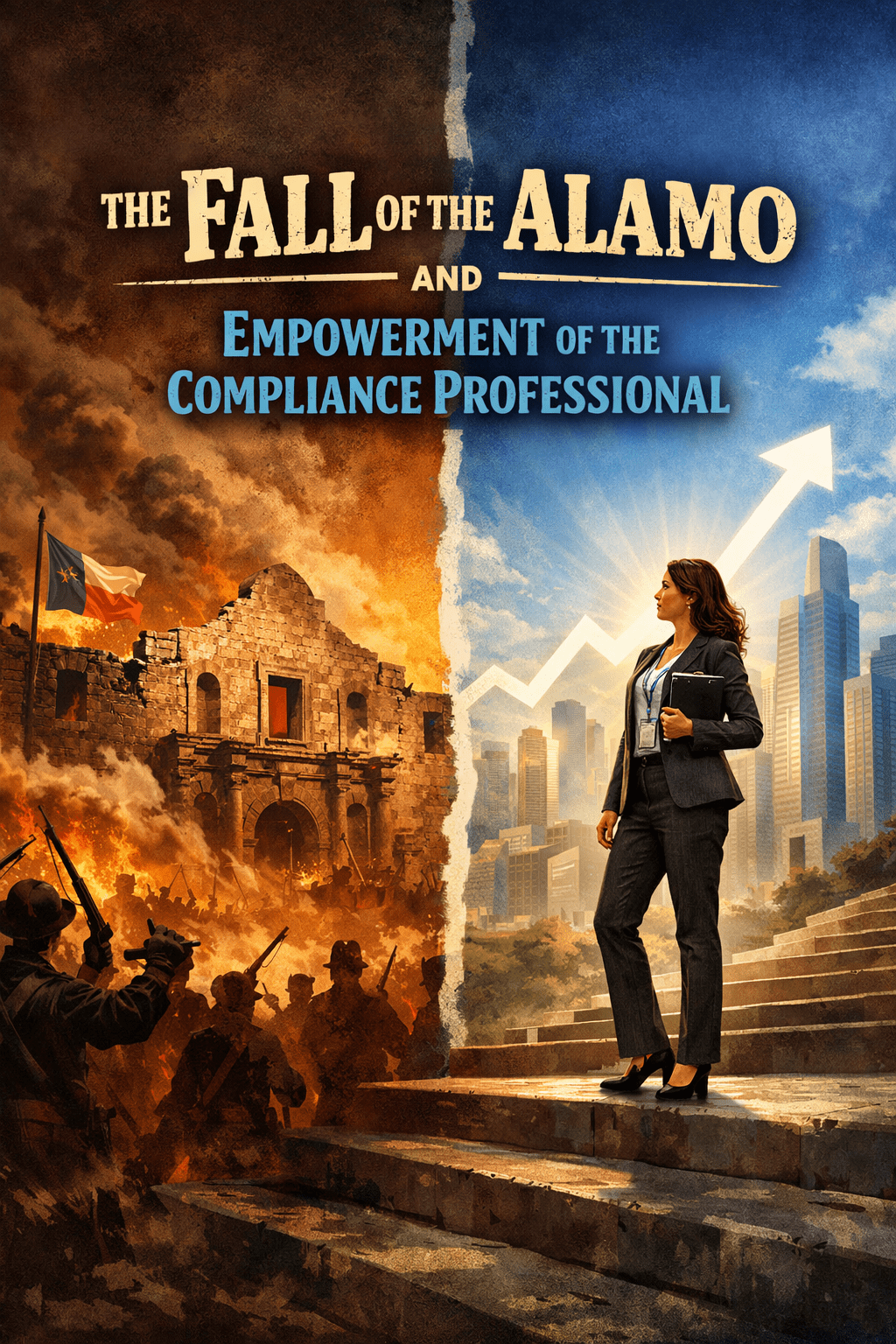
Today is the anniversary of the most historic day of many in the history of the great state of Texas, the date of the fall of the Alamo. While March 2, Texas Independence Day, is when Texas declared its independence from Mexico, and April 21, San Jacinto Day, is when Texas won its independence from Mexico, both probably have more long-lasting significance. If there is one word that Texas is known for worldwide, it is the Alamo. The Alamo was a crumbling Catholic mission in San Antonio where 189 men were held out for 13 days by the Mexican Army of General Santa Anna, which numbered approximately 5,000. But in 1836, Santa Anna unleashed his forces, which overran the mission and killed all the fighting men. Those who did not die in the attack were executed, and all the deceased bodies were unceremoniously burned. Proving he was not without chivalry, Santa Anna spared the lives of the Alamo’s women, children, and slaves. But for Texans across the globe, this is our day.
While Thermopylae will always go down as the greatest ‘Last Stand’ battle in history, the Alamo is in contention for Number 2. Like all such battles, sometimes the myth becomes the legend, and the legend becomes the reality. In Thermopylae, the myth is that 300 Spartans stood against the entire 10,000-man Persian Army. However, there was also a force of 700 Thespians (not actors, but citizens from the City-State of Thespi) and a contingent of 400 Thebans fighting alongside the 300 Spartans. Somehow, their sacrifices have been lost to history.
Likewise, the legend that elevates the Alamo battle to myth is the line in the sand. The story goes that William Barrett Travis, on March 5, the day before the final attack, when it was clear that no reinforcements would arrive in time and everyone who stayed would perish, called all his men into the plaza of the compound. He then pulled out his saber and drew a line in the ground. He said that they were surrounded and would all likely die if they stayed. Any man who wanted to stay and die for Texas should cross the line and stand with him. Only one man, Moses Rose, declined to cross the line. The immediate survivors of the battle did not relate this story after they were rescued, and the line-in-the-sand tale did not appear until the 1880s.
But the thing about ‘last stand’ battles is that they generally turn out badly for the losers. Very badly. I thought about this when Chuck Duross, back when he was head of the Department of Justice’s (DOJ) Foreign Corrupt Practices Act (FCPA) unit, said at a conference that he viewed anti-corruption compliance practitioners as “The Alamo” in terms of the last line of defense in the prevention of compliance violations. I gingerly raised my hand and acknowledged his tribute to the great state of Texas, but pointed out that all the defenders were slaughtered, so perhaps another analogy was appropriate. Everyone had a good laugh at the conference back then. But in reflecting on the history of my state and what the Alamo means to us all, I have wondered if my initial response was too facile.
What happens to a Chief Compliance Officer (CCO) or compliance practitioner when they have to make a stand? Do they make the ultimate corporate sacrifice? Will they receive the equivalent of a corporate execution as the defenders of the Alamo received? This worrisome issue occurred even if the person had resigned to pursue other opportunities.’ Michael Scher has been a leading voice in protecting compliance officers. In a post entitled Michael Scher Talks to the Feds, he said, “A compliance officer (CO) working in Asia asked for recognition and protection: “A CO will not stand up against the huge pressure to maintain compliance standards if he does not get sufficient protection under the law. Most COs working in the overseas operations of U.S. companies are not U.S. citizens, but they are usually the first to identify violations. Since the FCPA deals with foreign corruption, how could the DOJ and SEC not protect these COs? “
The DOJ is now looking at the quality of your CCO and compliance function and how they are perceived, treated, and received in the corporate setting. In the 2024 Evaluation of Corporate Compliance Programs (2024 ECCP), the DOJ expanded its inquiry to evaluate the “sufficiency of the personnel and resources within the compliance function, in particular, whether those responsible for compliance have: (1) sufficient seniority within the organization; (2) sufficient resources, namely, staff to effectively undertake the requisite auditing, documentation, and analysis; and (3) sufficient autonomy from management, such as direct access to the board of directors or the board’s audit committee.”
Further, there were four specific areas of inquiry and evaluation: (1) Structure, (2) Experience and Qualifications, (3) Funding and Resources, and (4) Autonomy.
In the section entitled “Structure,” the evaluation made the following inquiries:
- How does the compliance function compare with other strategic functions in the company in terms of stature, compensation levels, rank/title, reporting line, resources, and access to key decision-makers?
- What has been the turnover rate for compliance and relevant control function personnel?
- What role has compliance played in the company’s strategic and operational decisions? How has the company responded to specific instances where compliance raised concerns?
- Have any transactions or deals been stopped, modified, or further scrutinized due to compliance concerns?
In the section entitled “Experience and Qualifications,” the 2024 ECCP made the following inquiries:
- Do compliance and control personnel have the appropriate experience and qualifications for their roles and responsibilities?
- Has the level of experience and qualifications in these roles changed over time?
- Who reviews the compliance function’s performance, and what is the review process?
In the area of “Funding and Resources,” the 2024 ECCP asked:
- Has there been sufficient staffing for compliance personnel to effectively audit, document, analyze, and act on the results of the compliance efforts?
- Has the company allocated sufficient funds for this?
- Have there been times when requests for resources by compliance and control functions have been denied, and if so, on what grounds?
Finally, in the area of “Autonomy,” the 2024 ECCP asked:
- Do the compliance and relevant control functions have direct reporting lines to any member of the board of directors and/or the audit committee?
- How often do they meet with directors?
- Are members of the senior management present for these meetings?
- How does the company ensure the independence of the compliance and control personnel?
These were all deeper and more robust, focusing on the CCO and the DOJ compliance team. If your compliance team is run on a shoestring, you will likely be downgraded for your overall commitment to FCPA compliance. The same is true for promotions and other advancement opportunities within an organization. Not many organizations have a compliance function so mature that a CCO is appointed to another senior-level position.
Upon further reflection, Duross was correct, and the Alamo reference was appropriate for compliance officers. Sometimes we must draw a line in the sand with management. And when we do, we have to cross that line to get on the right side of the issue, and the consequences be damned. The DOJ has clarified that it expects CCOs and compliance professionals to draw that line when necessary, and that when they do, companies must heed their warnings.