Categories
Data Driven Compliance

Data Driven Compliance – Navigating the Failure to Prevent Fraud: Key Insights and Implications

Welcome to Season 2 of the award-winning Data Driven Compliance. In this new season, we will examine the new Failure to Prevent Fraud offense. Join host Tom Fox as we explore this new law and how to comply with it through the lens of data-driven compliance. This podcast is sponsored by konaAI. In this concluding episode of Season 2, Tom Fox is joined by Steptoe LLP partners Zoe Osborne, Judy Krieg, and Matt Galvin for an in-depth discussion on the UK’s new fraud prevention offense.

The panel explores the jurisdictional reach of the law, highlighting the broad scope that can impact U.S. companies, even those with limited ties to the UK. They delve into the roles of potential enforcers such as the Serious Fraud Office, the Crown Prosecution Service, and the Financial Conduct Authority. Practical advice is shared on leveraging AI for compliance, maintaining robust fraud prevention measures, and documenting decision-making processes to ensure transparency and accountability. This episode provides comprehensive insights essential for corporate compliance professionals navigating these complex regulatory landscapes.

Key highlights:

  • Overview of Failure to Prevent Fraud Offense
  • Enforcement Agencies and Their Roles
  • Technological Solutions for Fraud Prevention
  • UK DPA Process and Jurisdictional Issues

Resources:

Steptoe LLP

Matt Galvin

Zoe Osborne

Judy Krieg

Click here for konaAI White Paper Rethinking Compliance: Practical Steps for Adapting to the UK’s New Fraud Legislation

Connect with Tom Fox on LinkedIn

Categories
FCPA Compliance Report

FCPA Compliance Report – Self-Disclosure on Both Sides of the Atlantic

Join Tom Fox as he welcomes Simon Airey and Caitlin Sheard, partners at McDermott Will & Schulte, and both experts in the fields of investigation and compliance from both sides of the Atlantic. They take a deep dive into issues around self-disclosure on both sides of the Atlantic.

Simon Airey and Caitlin Sheard are leading experts in the field of investigations and compliance, each bringing a nuanced perspective to the complexities of self-reporting to the Department of Justice (DOJ) in the US and the Serious Fraud Office (SFO) in the UK. Simon, a distinguished barrister, underscores the incentives for companies to self-report but cautions that the process is fraught with complexities, particularly in the UK, where court approval is required for deferred prosecution agreements. Caitlin highlights the potential benefits of self-disclosure, such as possible declinations, but notes the associated costs, including time, legal fees, and reputational risks. Both experts emphasize the necessity of strategic planning and legal counsel to navigate the intricacies of international compliance, particularly in light of increasing enforcement activity and evolving legal landscapes.

Key highlights:

  • Incentives for Self-Disclosure in DOJ and SFO
  • Strategic Self-Disclosure Consideration for Legal Cases
  • Cross-Border Self-Disclosure Strategies for Companies
  • Global Challenges in Corporate Self-Disclosure Processes
  • Whistleblower Tips Driving Future FCPA Enforcement

Resources:

 McDermott, Will & Schulte

Simon Airey

Caitlin Sheard

Cross-Atlantic Impact: DOJ and SFO Self-Reporting and Enforcement Priorities

Tom Fox

Instagram

Facebook

YouTube

Twitter

LinkedIn

For more information on the use of AI in Compliance programs, my new book, Upping Your Game, is available. You can purchase a copy of the book on Amazon.com.

Categories
Data Driven Compliance

Data Driven Compliance – Navigating Self-Disclosure Under the FTPF and Updated ECCT

Welcome to Season 2 of the award-winning Data Driven Compliance. In this new season, we will look at the new Failure to Prevent Fraud offense. Join host Tom Fox as we explore this new law and how to comply with it through the lens of data-driven compliance. This podcast is sponsored by konaAI. In this episode of Season 2, Tom is joined by Simon Airey and Caitlyn Sheard, partners at McDermott Will & Schulte LLP, and both experts in the fields of investigation and compliance from both sides of the Atlantic.

We take a deep dive into their recent article, ‘Cross Atlantic Impact, DOJ and SFO, Self-Reporting and Enforcement Priorities,’ exploring the critical topic of self-disclosure in the context of both U.S. and UK jurisdictions. The discussion covers the incentives for self-reporting under the DOJ’s updated policies, the Serious Fraud Office’s new guidance on voluntary disclosure in the UK, and the broadening scope of anti-economic crime laws, including the UK’s significant changes effective from 2023. The conversation highlights the complexities and strategic challenges companies face in making self-disclosure decisions, the emerging enforcement focus on cartels and economic crimes, and the ongoing robust enforcement of anti-corruption laws such as the FCPA and the UK Bribery Act.

Key highlights:

  • Discussion on Self-Disclosure Incentives
  • Challenges and Implications of Self-Disclosure
  • Changes in UK Law and Its Impact
  • Global Self-Disclosure Strategies

Resources:

McDermott Will & Schulte LLP

Simon Airey

Caitlin Sheard

Cross-Atlantic Impact: DOJ and SFO Self-Reporting and Enforcement Priorities

Click here for konaAI White Paper Rethinking Compliance: Practical Steps for Adapting to the UK’s New Fraud Legislation

Connect with Tom Fox on LinkedIn

Categories
Data Driven Compliance

Data Driven Compliance – The Failure to Prevent Fraud Offense: Insights for US General Counsels with Mike DeBernardis

Welcome to Season 2 of the award-winning Data Driven Compliance. In this new season, we will look at the new Failure to Prevent Fraud offense. Join host Tom Fox as we explore this new law and how to comply with it through the lens of data-driven compliance. konaAI sponsors this podcast. In this episode of Season 2, Tom Fox is joined by Mike DeBernardis, Partner at Hughes Hubbard & Reed.

In this episode, Tom and Mike look at the specific offenses listed in the Failure to Prevent Fraud Offense and translate them into US-legalese. They discuss common misunderstandings among US lawyers, the broad jurisdictional scope, and specific fraud types under UK law, such as fraud by false representation, failure to disclose information, and abuse of position. They also emphasize the importance of risk assessments for US companies with UK operations to ensure compliance and avoid legal repercussions, and also touch on the potential geopolitical implications and the necessity of having robust policies and procedures to prevent fraud. 

Key highlights:

  • Fraud by False Representation
  • Fraud by Failing to Disclose Information
  • Fraud by Abuse of Position and Obtaining Services Dishonestly
  • Corporate Fraud: Participation, Accounting, and Trading
  • Risk Mapping and Compliance Strategies

Resources:

⁠Hughes, Hubbard & Reed⁠

Mike DeBernardis on ⁠LinkedIn⁠

⁠New Considerations for Companies with U.K. Ties: Home Office Issues Guidance to Organisations on the Offence of Failure to Prevent Fraud⁠

⁠konaAI⁠, a Covasant company

Click here for konaAI White Paper Rethinking Compliance: Practical Steps for Adapting to the UK’s New Fraud Legislation

Connect with Tom Fox on ⁠LinkedIn

Categories
Data Driven Compliance

Data Driven Compliance – Understanding the ECCTA and Its Impact with Jonathan Armstrong

Welcome to Season 2 of the award-winning Data Driven Compliance. In this new season, we will look at the new Failure to Prevent Fraud offense. Join host Tom Fox as we explore this new law and how to comply with it through the lens of data-driven compliance. This podcast is sponsored by konaAI. In this episode of Season 2, Tom Fox is joined by Jonathan Armstrong.

Tom and Jonathan explore the historical context of fraud laws in the UK, the specifics and implications of the new legislation, the role of the Serious Fraud Office under the new rules, and its impact on corporations, especially those with international operations. Jonathan also outlines necessary steps corporations need to take to comply with the Act and prevent fraud within their organizations, including the importance of thorough risk assessments, top-level commitment, and effective communication and training programs.

Key highlights:

  • Key Legal Points of the New Law
  • Jurisdiction and Global Impact
  • Fraud Risk Assessment and Prevention
  • Technological and ESG Fraud

Resources:

Jonathan Armstrong on LinkedIn

konaAI, a Covasant company

Click here for konaAI White Paper Rethinking Compliance: Practical Steps for Adapting to the UK’s New Fraud Legislation

Connect with Tom Fox on LinkedIn

Categories
Blog

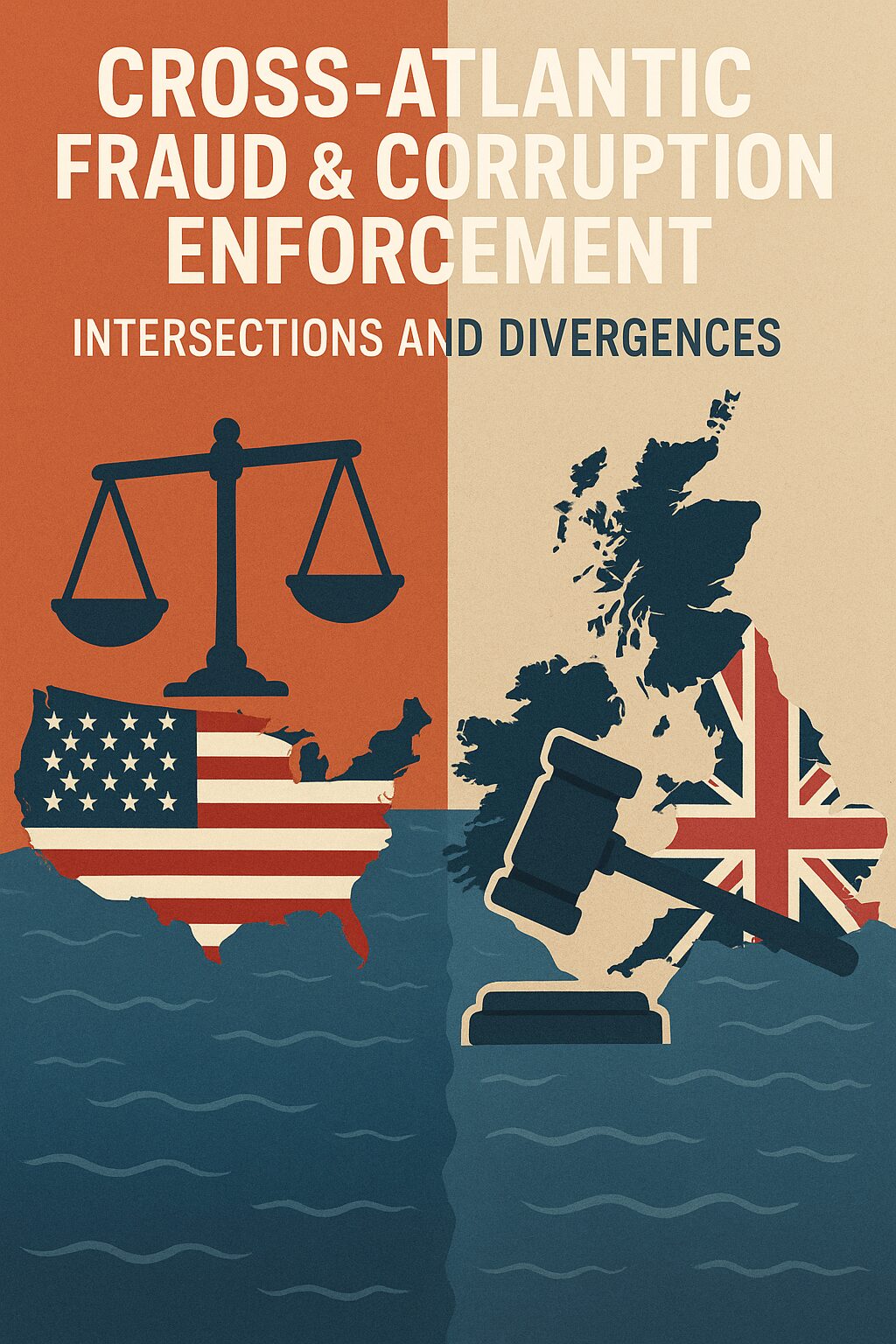
Cross-Atlantic Fraud & Corruption Enforcement: Intersections and Divergences

In today’s dynamic compliance landscape, navigating the complexities of international corporate wrongdoing requires vigilance, foresight, and strategic action, as highlighted in A recent article entitled “Cross-Atlantic Impact: DOJ and SFO Self-Reporting and Enforcement Priorities,” by lawyers from McDermott, Will & Schulte. The article is an excellent review of areas where the fight against fraud and corruption aligns between the two countries and areas where they diverge. Today, I will review the article and consider what it means for the US company doing business in the UK or with UK companies.

The Serious Fraud Office (SFO) in the United Kingdom has made clear its expectations regarding self-reporting corporate misconduct, mainly aligning in philosophy, if not always in exact details, with its U.S. counterpart, the Department of Justice (DOJ). American companies must understand these nuances and adapt their compliance programs accordingly. Here are five critical reasons why U.S. businesses must closely monitor and adhere to the UK’s evolving fraud and bribery enforcement regime.

Prompt Self-Reporting Weighs Heavily in Favor of DPAs

The SFO guidance unequivocally states that companies demonstrating prompt self-reporting of corporate wrongdoing significantly increase their chances of obtaining a Deferred Prosecution Agreement (DPA). Conversely, any delay in self-reporting suspected wrongdoing “within a reasonable time of it coming to light” adversely impacts the company’s standing with the SFO.

Much like the DOJ, the SFO does not insist on complete internal investigations before self-reporting. Indeed, in many ways, both sets of prosecutors want companies to step forward as soon as possible. The degree of the inquiry expected depends on the clarity and strength of evidence. Where evidence indicates wrongdoing, companies are expected to self-report swiftly. Ambiguities may permit a more extensive preliminary investigation, but American companies should note that delays can risk losing the advantages offered by early disclosure.

Jurisdictional Triggers Demand Simultaneous Reporting

For American companies dealing with potential misconduct spanning jurisdictions, awareness and agility become paramount. According to SFO guidance, companies reporting suspected misconduct to another agency, such as the DOJ, should also inform the SFO simultaneously or immediately thereafter. Failure to do so negates any potential credit for self-reporting.

Consider a scenario where a company seeks a declination from the DOJ through prompt self-disclosure. Identifying a UK jurisdictional nexus, such as conduct occurring partly in the UK or financial impact felt within the UK, is crucial. The UK’s “failure to prevent bribery” and new “failure to prevent fraud” offenses can impose liability based on international conduct linked to a business presence or financial repercussions in the UK. Understanding and navigating these jurisdictional nuances quickly is imperative to safeguard against regulatory pitfalls and secure favorable treatment.

Increasingly Aggressive Fraud Enforcement

Fraud has emerged as a prominent enforcement priority for both the DOJ and SFO. American companies should pay particular attention to the UK’s new “failure to prevent fraud” (FTPF) offense, effective from September 1, 2025. This robust enforcement tool targets UK and non-UK entities whose associates engage in fraudulent conduct impacting UK interests.

American companies operating internationally must proactively establish “reasonable fraud prevention procedures” to counteract potential liability under this legislation. The urgency conveyed by the SFO, highlighted by senior officials expressing eagerness to utilize these new powers aggressively, cannot be overstated. Companies that neglect preparation risk being among the first prosecuted examples of this powerful legislation.

Coordination Between DOJ and SFO Enhances Risk Exposure

With the DOJ emphasizing fraud in areas affecting U.S. interests, ranging from healthcare and procurement fraud to investment scams, there is considerable overlap with misconduct addressed by the UK’s FTP fraud offense. The authors note that the US Supreme Court held in Kousisis v. United States that a defendant may be convicted of wire fraud for inducing a victim to enter a contract under material pretenses, even if there was no economic loss to the victim. This ruling may allow US prosecutors to pursue a broader range of fraud cases.”

A cross-jurisdictional approach is therefore essential. American companies uncovering fraud that victimizes both U.S. and UK entities or markets must carefully assess reporting obligations to both jurisdictions. The simultaneous or nearly simultaneous reporting requirements heighten the stakes and complexity, demanding robust internal mechanisms for rapid assessment and disclosure.

Continuing Vigorous Anti-Bribery Efforts Globally

Despite temporary uncertainties in the DOJ’s stance toward anti-bribery enforcement, global initiatives indicate relentless international focus. The SFO has intensified anti-bribery efforts through initiatives like the International Anti-Corruption Prosecutorial Taskforce, collaborating closely with French and Swiss authorities. The SFO’s involvement in the International Anti-Corruption Coordination Centre (IACCC) further underscores its commitment. The authors report that “the IACCC aims to facilitate international cooperation on ‘grand corruption’ investigations, including concerning intelligence and evidence gathering.”

In addition to the IACCC, “In March 2025, the SFO established an ‘International Anti-Corruption Prosecutorial Taskforce’ with the French Parquet National Financier (PNF) and the Office of the Attorney General of Switzerland (OAG) (Taskforce). Through the Taskforce, the SFO, PNF, and OAG commit to strengthening their existing cooperation and collaborating to deploy their wide-reaching anti-bribery legislation to prosecute overseas conduct.”

The DOJ’s recent reaffirmation of anti-bribery efforts through its White-Collar Enforcement Plan, highlighting bribery and money laundering harming U.S. interests, may complement these international initiatives. American companies must remain vigilant regarding potential liabilities under both the FCPA and the UK Bribery Act, carefully calibrating their compliance programs to meet rigorous enforcement expectations across jurisdictions.

Practical Steps for American Companies

Given these compelling reasons to pay close attention to the SFO guidance and evolving UK legislation, American companies must take proactive steps to fortify their compliance efforts:

  • Enhance Internal Controls: Companies must quickly develop comprehensive “reasonable fraud prevention procedures,” supported by thorough risk assessments and regularly updated policies.
  • Cross-Jurisdictional Risk Assessments: Implement rigorous processes for promptly assessing jurisdictional ties when misconduct emerges, allowing immediate and coordinated reporting where necessary.
  • Integrated Compliance Training: Ensure global compliance teams, legal counsel, and executive management understand SFO and DOJ expectations clearly, fostering prompt, informed responses.
  • Monitoring International Developments: Maintain continuous awareness of evolving enforcement policies and initiatives, particularly regarding fraud and bribery, to swiftly adapt compliance programs accordingly.
  • Preparedness and Responsiveness: Establish clear protocols for internal investigations and self-reporting decisions, emphasizing speed and comprehensiveness to maximize potential cooperation credit.

Conclusion

Navigating the intricate and often intersecting expectations of the SFO and DOJ presents ongoing challenges for American companies. However, understanding the strategic implications of prompt self-reporting, jurisdictional coordination, aggressive fraud enforcement, international collaboration, and robust anti-bribery efforts is vital.

Proactive compliance management, aligned closely with evolving international regulatory landscapes, is not merely advisable but something that every multinational needs to put in place. American corporations should approach compliance with the understanding that today’s oversight environment demands swift and strategic decision-making to mitigate risks effectively and position themselves favorably in the face of potential regulatory scrutiny.

Categories
Data Driven Compliance

Data Driven Compliance – Understanding the ECCTA and Its Impact on Fraud Prevention with Vince Walden

Welcome to Season 2 of the award-winning Data Driven Compliance. In this new season, we will look at the new Failure to Prevent Fraud offense. Join host Tom Fox as we explore this new law and how to comply with it through the lens of data driven compliance. This podcast is sponsored by konaAI. In this episode of Season 2, Tom Fox is joined by Vince Walden, CEO of konaAI.

In this episode, they take a deep dive into the details of the UK Economic Corporate Crime Transparency Act, specifically the ‘Failure to Prevent Fraud’ offense. Walden, bringing the perspective of a fraud examiner and CPA, discusses the types of fraud covered under the new law and its broad scope, affecting not just UK companies but also US subsidiaries of UK companies. Walden emphasizes the importance of fraud prevention compliance programs and outlines how effective data analytics and risk assessments can help companies prevent fraud. He also explores the integration of advanced technologies like AI in building robust fraud detection mechanisms. The conversation highlights that effective compliance leads to better business processes and profitability.

Key highlights:

  • Understanding Fraud Offenses Under the Act
  • The Broad Scope of the Act
  • Importance of Compliance Programs
  • Data Analytics in Fraud Risk Management
  • Future of Fraud Detection with AI

Resources:

Vince Walden on LinkedIn

konaAI, a Covasant company

Click here for konaAI White Paper Rethinking Compliance: Practical Steps for Adapting to the UK’s New Fraud Legislation

Connect with Tom Fox on LinkedIn

Categories
Everything Compliance

Everything Compliance: Episode 158, The No to Corruption in Ukraine Edition

Welcome to this edition of award-winning Everything Compliance. In this episode, we have the quartet of Matt Kelly, Jonathan Marks, and Jonathan Armstrong, with Tom Fox, the Compliance Evangelist, sitting in as both host and a guest this week.

1. Matt Kelly looks at a couple of recent enforcement actions and what they may portend for enforcement under the Trump Administration. He shouts out to the people of Ukraine for fighting against corruption and rants about the DOJ cover-up of the Epstein files.

2. Jonathan Marks considers the leadership lessons from the recent imbroglio involving the NFL Players Association. He shouts out to Alexsys Thompson and her book, The Power of a Graceful Leader.

3. Jonathan Armstrong considers the new UK Failure to Prevent Fraud offense and highlights the city of Berlin and the people of Germany, who have taken ownership of their role in WWII.

4. Tom Fox looks at AI governance lessons through the lens of Star Trek TOS episode The Ultimate Computer and shouts out to the Lincoln Center Starbucks in NYC for supporting the Texas Hill Country and making him a part of its 5:30 AM family.

The members of Everything Compliance are:

The host, producer, and sometime panelist of Everything Compliance is Tom Fox, the Voice of Compliance. He can be reached at tfox@tfoxlaw.com.  The award-winning Everything Compliance is a part of the Compliance Podcast Network.

Categories
Blog

Failure to Prevent Fraud Mastery: Enhancing Due Diligence, Training, and Improvement

We conclude our deep dive into the Economic Crime and Corporate Transparency Act 2023, which has elevated the expectations for senior leadership and boards across large organizations. Our guide in this journey has been the UK government, which has put out a document entitled “Economic Crime and Corporate Transparency Act 2023: Guidance to organisations on the offence of failure to prevent fraud.” (The Guidance) Today, we conclude with the final three sections on Due Diligence, Training, Ongoing Monitoring, and Continuous Improvement.

As compliance professionals prepare diligently for the upcoming implementation of the Failure to Prevent Fraud (FTPF) offense, it becomes imperative to understand and apply comprehensive fraud prevention measures effectively. Central to a robust anti-fraud framework are due diligence, training, monitoring, and review processes. Each of these areas must be executed diligently, proportionately, and tailored specifically to address the unique risks faced by an organization.

Due Diligence: Building Trust Through Vigilance

Due diligence is a cornerstone of an effective fraud prevention strategy. Organizations must apply meticulous and proportionate due diligence procedures to mitigate fraud risks associated with individuals or entities performing services on their behalf.

For organizations facing heightened fraud risks, standard due diligence might not suffice. Comprehensive screening, including the use of technology-driven third-party risk management tools and vetting checks, becomes vital. Contracts should explicitly state compliance obligations and consequences of non-compliance, while mergers and acquisitions must include rigorous assessments of criminal, regulatory, and tax backgrounds.

Moreover, ongoing due diligence is essential; periodic reviews and updates ensure that an organization remains alert to emerging risks or changes in the status of associated persons. Continuous monitoring can detect potential red flags that may arise post-engagement, such as sudden changes in financial stability, reputation issues, or new regulatory concerns. Additionally, organizations should ensure transparency in their due diligence processes, clearly documenting their methods and findings. This not only enhances accountability but also ensures readiness in demonstrating compliance to regulatory bodies or stakeholders during audits or investigations.

Organizations might also consider collaboration with external experts or industry peers to refine their due diligence methodologies, leveraging collective insights to strengthen their anti-fraud defenses. Regular training and awareness sessions about due diligence expectations can further embed vigilance into organizational culture, ensuring that all stakeholders understand and uphold their roles in fraud prevention.

Five Key Takeaways on Due Diligence:

  1. Leverage Technology: Use advanced screening tools and third-party risk management platforms to enhance due diligence effectiveness.
  2. Contract Clarity: Clearly articulate compliance obligations and termination clauses for fraud breaches within contracts.
  3. Monitor Employee Well-being: Regular monitoring to identify stressors or workload issues that might increase susceptibility to fraud.
  4. Mergers and Acquisitions Scrutiny: Conduct thorough fraud prevention assessments during acquisitions, integrating robust prevention measures post-acquisition.
  5. Dynamic Review: Keep due diligence processes proportionate, up-to-date, and responsive to evolving risks.

Training: Empowering Prevention Through Knowledge

Training is critical to embedding an anti-fraud culture within an organization. A clear and regular communication strategy ensures all associated persons fully understand and internalize the organization’s fraud prevention policies and procedures.

Proportionate training tailored to the specific risks of roles within the organization, especially high-risk positions, is essential. Training must detail the nature of the FTPF offense, the particular procedures required, and the clear protocols for whistleblowing. Continuous evaluation and updates ensure training remains practical and relevant, particularly as personnel change. Effective training should also encompass interactive and engaging methods such as workshops, simulations, and scenario-based exercises, which help employees understand the real-world implications of fraud and the critical importance of adhering to procedures.

Incorporating case studies of relevant fraud incidents can significantly enhance learning by illustrating practical examples and reinforcing key lessons. Organizations should also regularly evaluate the impact of training through assessments, quizzes, and feedback surveys, ensuring that employees retain the information and can effectively apply it in their roles. Integrating fraud prevention messages into routine communications, such as team meetings and newsletters, can further reinforce an anti-fraud mindset. Ultimately, a robust training program not only builds awareness but also empowers employees to identify and address potential fraud risks proactively.

Five Key Takeaways on Training:

  1. Risk-Based Training: Deliver bespoke training programs specifically targeted at roles identified as high risk.
  2. Integration with Existing Programs: Leverage and integrate fraud prevention messages into broader financial crime training initiatives.
  3. Effective Communication: Communicate internal policies, the importance of whistleblowing, and the procedures to follow.
  4. Regular Updates: Keep training modules current with evolving fraud risks, regulatory updates, and personnel changes.
  5. Monitoring Effectiveness: Regularly assess and monitor training efficacy through feedback and performance evaluations.

Monitoring and Review: Continuous Improvement and Adaptation

Monitoring and review constitute the continuous feedback loop critical to fraud prevention. Organizations must regularly assess and refine fraud detection systems and response protocols based on real-world performance and evolving risks.

Monitoring involves detecting fraud, conducting robust investigations, and assessing the effectiveness of preventative measures. Organizations should ensure that sophisticated data analytics and AI-driven detection tools are employed effectively. Investigations must be independent, well-resourced, fair, and transparent, with results communicated to stakeholders.

Review processes ensure organizations adapt and improve continuously. Regularly scheduled reviews, supplemented by event-driven assessments in response to incidents or significant changes in risk, underpin an agile and resilient fraud prevention strategy. Utilizing external feedback and industry-wide insights, organizations can benchmark their strategies and implement best practices.

Five Key Takeaways on Monitoring and Review:

  1. Regular and Responsive Reviews: Schedule regular evaluations, complemented by prompt reviews triggered by specific fraud incidents or risk changes.
  2. Data-Driven Detection: Invest in advanced data analytics and AI tools to proactively detect fraud and fraud attempts.
  3. Independent Investigations: Ensure fraud investigations are conducted independently and transparently, with clearly documented processes and outcomes.
  4. Continuous Adaptation: Maintain flexibility in fraud prevention measures, promptly adapting strategies based on review outcomes and industry developments.
  5. Sectoral Benchmarking: Collaborate and engage with external entities and industry peers to adopt best practices and maintain practical fraud prevention standards.

Concluding Thoughts

As the countdown to the FTPF offense go-live continues, compliance professionals are tasked with a critical responsibility: to ensure their organization’s preparedness through meticulous due diligence, targeted training, and robust monitoring and review practices. Each component is integral to creating an effective, proportionate, and responsive fraud prevention strategy. By embedding these practices into the organizational fabric, compliance professionals not only safeguard their organizations but also reinforce ethical standards, protecting both reputation and long-term sustainability.

Categories
Blog

Beyond the Checklist: Dynamic Fraud Risk Assessments for the Failure to Prevent Fraud Offense

We continue our review of the Economic Crime and Corporate Transparency Act 2023, which has elevated the expectations for senior leadership and boards across large organizations. Fortunately, the UK government has put out a document entitled “Economic Crime and Corporate Transparency Act 2023: Guidance to organisations on the offence of failure to prevent fraud.” (The Guidance) Section 3.2 of the official guidance, titled “Top Level Commitment,” should be required reading for every compliance professional seeking to build a credible, defensible, and sustainable anti-fraud culture. Today, we take a deep dive into the requirement for a fraud risk assessment.

As compliance professionals eagerly anticipate the impending go-live of the UK’s Failure to Prevent Fraud Offense, it is paramount to revisit the foundational pillar of any anti-fraud strategy—the fraud risk assessment. The act of assessing fraud risk has always been critical, but in this new legislative context, its significance cannot be overstated. The comprehensive risk assessment outlined by guidance in section 3.2 provides a blueprint that can prepare your organization not only to meet compliance standards but also to strengthen your corporate defenses against fraud.

Risk assessments must be both dynamic and regularly updated. Static, outdated assessments leave your organization exposed, failing to capture evolving fraud techniques and risks introduced by changes in personnel, procedures, technology, or external environments. Organizations are now explicitly encouraged to leverage their existing risk assessment frameworks, extending them to encapsulate the broader scope of the Failure to Prevent Fraud Offense. This approach not only maximizes efficiency but also ensures thoroughness and cohesion within your risk management strategies.

Identifying Associated Persons

The term “associated persons” casts a wide net, and it is essential to thoroughly understand who within and outside your organization could potentially expose you to risk. This includes agents, contractors, and personnel in sensitive roles such as finance or procurement. Each category presents unique fraud risks, ranging from false representation and failure to disclose to false accounting and abuse of position. Properly categorizing and assessing these typologies enables targeted, efficient mitigation measures and preventive strategies tailored to specific vulnerabilities.

Leveraging the Fraud Triangle

Compliance professionals must use the Fraud Triangle. Opportunity, motive, and rationalization are foundational tools to structure their risk assessments. Each element provides a lens through which potential fraud scenarios can be systematically evaluated:

  1. Opportunity: Does your organization inadvertently offer avenues for fraudulent activity due to weak controls, insufficient oversight, or technological vulnerabilities? For instance, departments such as finance, procurement, and marketing often harbor increased opportunities for fraud due to their access to funds or sensitive information. It’s also crucial to consider external agents or contractors operating with minimal oversight.
  2. Motive: Financial incentives and operational pressures can drive individuals towards fraudulent activities. Compliance teams must critically assess whether reward systems such as bonuses or commissions could unintentionally incentivize fraud. Additionally, organizational pressures related to achieving financial targets, impending mergers, acquisitions, or regulatory deadlines must be closely monitored.
  3. Rationalization: The justification of fraudulent acts often stems from organizational culture and industry norms. A company that subtly tolerates fraud, perhaps viewing it as a necessary evil for winning business or reaching targets, sets the stage for rationalization. Ensuring a robust speak-up culture and providing effective whistleblowing channels can significantly mitigate this risk.

Using Diverse Sources and Preparing for Emergency Scenarios

Risk assessment is enriched by diverse sources, including data analytics, past audit findings, industry-specific information, regulatory enforcement actions, and publicly available prosecutions or DPAs. These resources not only help identify potential fraud scenarios but also benchmark your organization’s prevention measures against industry standards and practices.

Unexpected emergencies, from natural disasters to economic crises, inherently increase fraud risks. Organizations must proactively incorporate emergency scenarios into their risk assessments. Doing so not only complies with the statutory obligation to demonstrate reasonable fraud prevention measures but also practically prepares your organization to adapt and maintain integrity during challenging times swiftly.

Classification and Regular Review of Risks

A thorough risk assessment involves classifying inherent risks by their likelihood and impact. This classification is vital in prioritizing resources effectively, focusing efforts on mitigating high-impact, high-probability risks. Regular reviews of your risk assessment, typically every two years, or sooner if triggered by significant internal or external changes, ensure its continued relevance and effectiveness.

Failing to update and refine your risk assessment regularly can expose your organization to severe consequences. Courts may interpret outdated assessments as indicators of inadequate preventive measures, leaving your organization vulnerable to penalties and reputational harm.

Five Key Takeaways for the Compliance Professional

Here are five key takeaways for the compliance professional:

1. Dynamic and Regular Updates Are Essential:

Risk assessments must not be viewed as one-off or static exercises. Continuous monitoring, regular updating, and adaptation to emerging fraud threats are essential to maintain relevance and ensure comprehensive fraud prevention capabilities.

2. Comprehensive Identification of Associated Persons:

Given the expansive definition of “associated persons,” compliance professionals must carefully identify and categorize all internal and external parties capable of exposing the organization to fraud risks. Tailored fraud risk mitigation strategies should then be developed based on these typologies.

3. Utilize the Fraud Triangle Effectively:

Applying the fraud triangle’s elements, opportunity, motive, and rationalization, can provide structure and depth to fraud risk assessments. This systematic approach helps to uncover specific vulnerabilities and inform targeted preventive measures.

4. Broaden Your Sources of Risk Intelligence:

Compliance professionals must leverage multiple sources, including past audit reports, data analytics, regulatory enforcement actions, and publicly available case studies. Integrating this diverse intelligence enhances the effectiveness and breadth of fraud risk assessments.

5. Incorporate Emergency Scenario Planning:

Fraud risks escalate during emergencies. Preparing and integrating emergency scenarios into your fraud risk assessment framework helps ensure that robust fraud prevention measures remain effective during crises, aligning your risk management practices with statutory obligations and best practices.

The Time to Act is Now

The clock is ticking towards the implementation of the Failure to Prevent Fraud Offense, and complacency is not an option. Conducting and maintaining a dynamic, comprehensive fraud risk assessment is no longer just best practice. It is a statutory necessity. By rigorously identifying associated persons, leveraging the Fraud Triangle, drawing insights from diverse sources, preparing for emergency scenarios, and regularly reviewing your assessment, your organization can confidently demonstrate its commitment to fraud prevention. Proactive engagement in these activities not only fortifies your compliance posture but also significantly enhances your organization’s resilience against fraud. Compliance professionals must seize this opportunity to reinforce their strategic value, embedding effective anti-fraud measures into their organizational culture and operations as we move closer to this critical regulatory milestone.

Join us tomorrow as we consider the procedures to implement your fraud risk assessment.