Recently, we witnessed the Astronomer scandal unfold, making headlines not just for its salacious nature but also for the significant corporate governance and compliance questions it raised. I had the opportunity to sit down with Steve Vincze, founder of Trestle Compliance, for an episode of the FCPA Compliance Report, to consider what a company might do when such an ethics crisis hits. Vincze has extensive experience with just this issue from a similar scandal involving Boeing back in 2003.
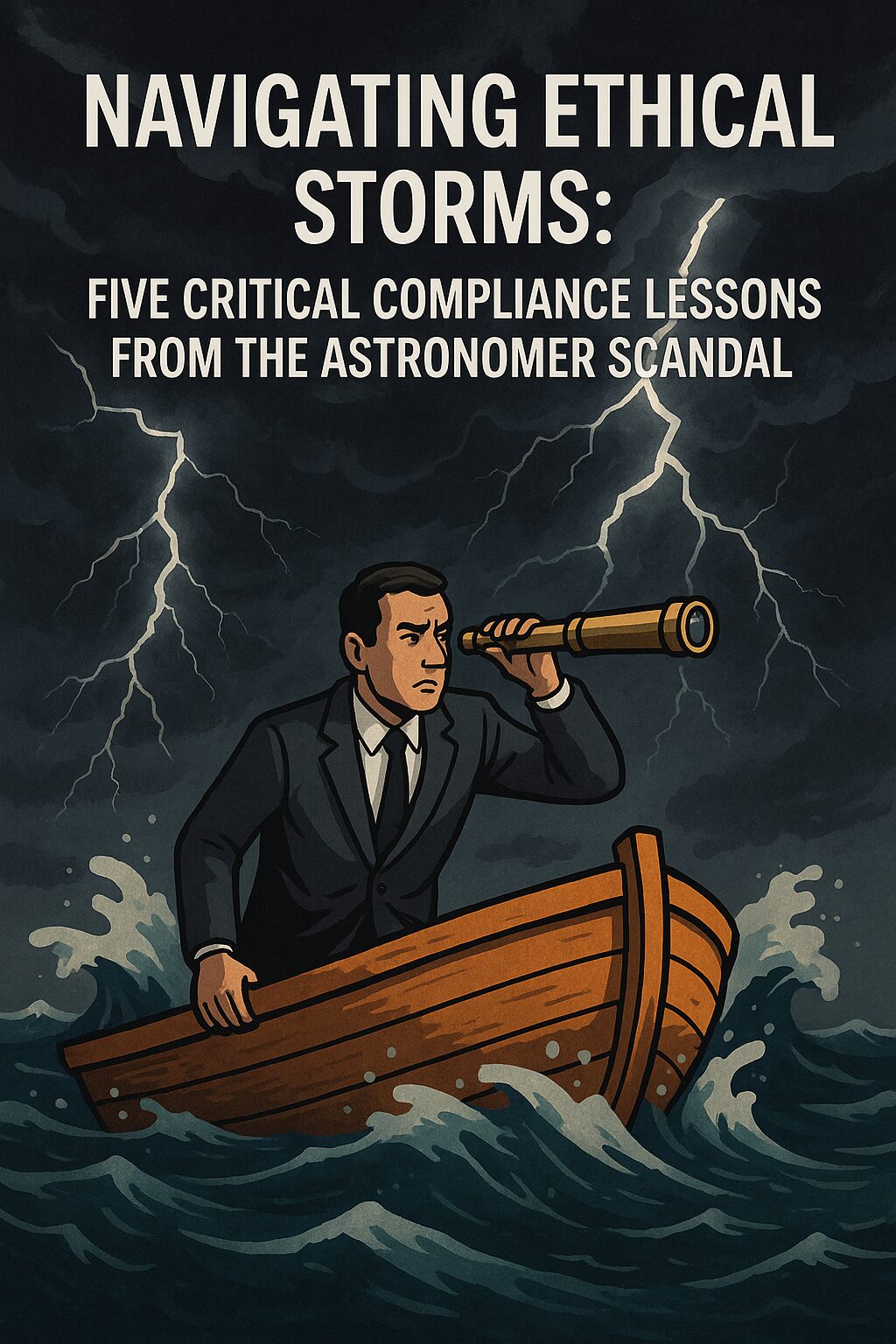
Vincze unpacked five critical lessons compliance professionals must heed when confronted with an ethical crisis resembling Astronomer’s.
1. Own the Problem: Transparency Above All
The first, and arguably most important lesson, is the necessity of transparency. Acknowledge the issue unequivocally. Vincze stressed that a corporate crisis is fundamentally a corporate responsibility, regardless of individual faults. Resist the urge to minimize or dismiss the event as merely a lapse in personal judgment. The scandal is yours to manage, and your response will directly impact your organization’s credibility. Owning the problem conveys to stakeholders that your organization prioritizes accountability and transparency, crucial traits for long-term recovery.
2. Leadership Front and Center: Demonstrate Integrity and Commitment
The role of leadership during a crisis cannot be overstated. Vincze’s insights emphasized the need for the highest-ranking executive, especially the new leadership stepping in after a scandal, to be visibly and actively involved in both internal and external communications. Leaders must embody the change they seek, modeling integrity and reinforcing trust. Active, visible leadership sends a strong signal that ethical standards and compliance culture are fundamental and non-negotiable.
3. Establish a Robust Ethics and Compliance Framework
An ethical crisis offers a potent opportunity to recalibrate your corporate culture. As Vincze recommended, clearly define or redefine your organization’s core values through a robust ethics and compliance program. Ensure that these values permeate every policy and procedure. Such a program should go beyond mere regulatory compliance. The company must foster a genuine culture of integrity and trust. This sends a powerful message internally, bolstering employee morale, and externally, enhancing brand reputation.
4. Clarity and Precision: Communicate the Path Forward
Vincze underscored that organizations must communicate their steps to address the crisis, including the rationale behind each decision. Clarity is critical; employees, customers, and stakeholders need to understand not only what actions are being taken but also why. Ambiguity in crisis management breeds distrust and confusion. Conversely, transparent, precise communication builds confidence and illustrates genuine intent to rectify and improve organizational behavior.
5. Courage to Walk Away: Integrity Over Short-term Gains
Compliance often requires difficult choices. Vincze’s fifth lesson highlights the importance of having the courage to walk away from individuals and business relationships that are misaligned with your ethical standards. Not every stakeholder or employee will adapt to new cultural expectations or moral guidelines. It’s essential to prioritize integrity over short-term financial or relational benefits. By demonstrating a strict and uniform enforcement of your compliance policies, you solidify trust and establish a clear ethical boundary.
In addition to these lessons, Vincze shared three essential elements critical for establishing an effective ethics and compliance program post-crisis.
Personal Engagement from Leadership
The Astronomer’s leader(s) and the Chief Compliance Officer must actively participate in every aspect of the program. They should set examples through actions, not just words, exemplifying the standards they wish to instill across the organization. Leaders must engage with employees through regular communication, training sessions, and personal interactions to reinforce the importance of ethical conduct. By visibly aligning their behavior with the organization’s values, leaders inspire trust and confidence among staff. Moreover, their hands-on involvement helps address concerns quickly and effectively, ensuring employees feel heard and valued during the recovery phase.
Right People, Right Roles
Surround yourself with individuals who not only possess technical expertise but also have the interpersonal skills to effectively bridge gaps between legal compliance requirements and practical business operations. Whether building a large team or operating with limited resources, prioritize quality, integrity, and practical expertise. The right individuals should demonstrate strong ethical judgment and possess the ability to communicate compliance standards clearly and persuasively across various organizational levels. Selecting team members who can translate complex regulatory demands into actionable strategies helps facilitate a culture where compliance is not just mandated but embraced as a crucial element of business success.
Balanced Approach to Public Relations
While it is beneficial to maintain a humanizing and approachable image, Vincze advised caution regarding overly humorous or irreverent messaging during a sensitive period. Humor and creativity can indeed facilitate relatability, but they should follow the serious groundwork of rebuilding ethical credibility and trust. PR strategies must carefully balance transparency and accountability with a tone that resonates positively with internal and external stakeholders. Leveraging strategic messaging that acknowledges past issues while clearly outlining proactive measures ensures stakeholders understand your commitment to rectifying mistakes. Ultimately, maintaining an appropriate, thoughtful public image reinforces credibility and supports long-term recovery.
Drawing upon his military experience, Vincze also emphasized the importance of open, respectful dialogue between leadership and employees. Creating safe, transparent channels for communication ensures that employees feel heard and valued. This environment fosters mutual trust and aids in surfacing potential issues proactively, long before they become public crises.
Moreover, an intangible yet crucial consideration emerged from our discussion—talent acquisition and retention. As compliance professionals, we must acknowledge how ethical breaches can significantly damage our organization’s reputation among potential hires and existing employees alike. The fallout from a scandal impacts the very fabric of corporate culture, often more profoundly than immediately quantifiable losses.
Ultimately, the Astronomer scenario underscores that ethical crises, while uncomfortable and challenging, can also serve as critical turning points. They present opportunities to strengthen corporate integrity, enhance transparency, and demonstrate genuine leadership. Compliance officers must be proactive, transparent, and resolute in establishing and upholding ethical standards.
Recovery is always possible; the response is thoughtful, strategic, and aligned with the core values of integrity and transparency. Compliance professionals, armed with these five lessons, can guide their organizations through the storm toward a robust ethical culture and lasting organizational success.
Remember, the road to recovery might be challenging, but as compliance professionals, our commitment to integrity will illuminate the path forward. Let’s keep the conversation going, continue learning, and always strive to elevate the ethical standards of our corporate communities.