Categories
Popcorn and Compliance

Popcorn and Compliance: Monster Movie Month – The Raven – Power, Manipulation, and Ethics in Leadership

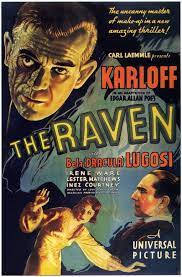
Tom Fox is back with his Classic Monster Movie Month, where he reviews a Classic Monster Movie from Universal Pictures from its Classic Monster Movie era of 1931 to 1947. This year, I want to look at some of the lesser-known movies and mine them for leadership and ethical lessons. We continue our journey of Edgar Allen Poe-themed movies with the 1934 Bela Lugosi and Boris Karloff class The Raven.

Classic monster movies have long captivated audiences with thrilling plots, iconic characters, and spine-chilling moments. However, beyond the scares and special effects, these films often contain deeper themes that explore ethical implications and leadership. In this episode of “Popcorn and Compliance,” Tom Fox focuses on the Universal Pictures classic monster movie “The Black Cat” and the valuable insights it provides into ethical decision-making and leadership.

“The Raven” is a film that delves into the dark side of power and manipulation, particularly in positions of authority. The main character, Dr. Richard Vollen, uses his influence to manipulate others into committing unethical acts, demonstrating the corrupting influence of power. The film is a cautionary tale emphasizing the importance of ethical conduct, empathy, and compassion in leadership. It also highlights the value of effective team dynamics in achieving common goals and fostering a positive work environment, including collaboration, open communication, and mutual respect.

One of the key factors explored in “The Raven” is the consequences of obsession. Dr. Vollen’s obsession with a particular surgical technique and his infatuation with Jean Thatcher lead to dire consequences. This highlights the need for leaders to be mindful of the potential destructive effects of their work and personal obsessions and ensure a broader ethical framework guides their actions.

Accountability is another important aspect of leadership that is highlighted in the film. There needs to be more accountability for Dr. Vollen’s actions until it’s too late. Effective leadership includes being accountable for one’s decisions and actions, and leaders should be responsible for the consequences of their choices.

Empathy and compassion are also explored in “The Raven.” Leaders who demonstrate empathy and compassion for others tend to foster healthier, more positive environments and relationships. This highlights the importance of considering the impact on others when making decisions about power, manipulation, and ethics in leadership.

Ethics in the pursuit of excellence is another theme in the film. Dr. Vollen’s pursuit of surgical excellence is admirable but becomes ethically problematic when it leads to harm. Leaders should uphold ethical standards even when striving for excellence in their fields.

While not a central theme in the film, the interactions among the characters demonstrate the importance of effective team dynamics. In any leadership setting, leaders should promote collaboration, open communication, and mutual respect within their teams.

It’s important to note that “The Raven” is a horror film, and the ethical and leadership examples presented are largely negative and cautionary. However, they remind leaders of challenges, such as the temptation of power, the consequences of obsession, and the continuing need for ethical decision-making, even in dire direst consequences.

In conclusion, “The Raven” provides a thought-provoking analysis of power, manipulation, and ethics in leadership. It highlights the importance of ethical conduct, empathy, and compassion in positions of authority. The film serves as a cautionary tale, reminding leaders of the tradeoffs in balancing different factors and the challenges associated with different approaches. By considering the impact on others and upholding ethical standards, leaders can navigate the complexities of power and manipulation while fostering a positive and ethical work environment.

Categories
Because That's What Heroes Do

Loki, Season 2, Episode 1 – Ouroboros

Get ready for an exciting new season of Because That’s What Heroes Do. In it, Tom and Megan review Loki, Season 2. In this episode, we discuss Episode 1, Ouroboros.

The Loki series has sparked a fascinating exploration into the ethics of time travel and the dynamics of character interactions. Tom, an MCU and science fiction enthusiast, praises the series for its compelling storytelling and character development, particularly the witty banter between Loki and Mobius. He finds the concept of multiple timelines and the moral implications of pruning them thought-provoking.

While appreciating the series’ complexity, Megan admits to confusing the multiple timelines and time travel concepts. However, she also sees the moral implications of pruning timelines and the potential loss of lives as an exciting discussion. Join Tom Fox and Megan Dougherty as they delve deeper into these topics in this episode of their review of Loki, Season 2, Episode 1, on this fall season of the award-winning podcast Because That’s What Heroes Do.

Highlights:

  • The Wise and Enigmatic OB
  • The Impact of Multiple Timelines and Variants
  • The Ethical Dilemma of Pruning Timelines

Resources:

Megan Dougherty

LinkedIn

One Stone Creative

Twitter

Tom

Threads

Instagram

Facebook

YouTube

Twitter

LinkedIn

Categories
Daily Compliance News

Daily Compliance News: October 20, 2023 – The Kraken Released Edition

Welcome to the Daily Compliance News. Each day, Tom Fox, the Voice of Compliance, brings you compliance-related stories to start your day. Sit back, enjoy a cup of morning coffee, and listen in to the Daily Compliance News. All from the Compliance Podcast Network. Each day, we consider four stories from the business world: compliance, ethics, risk management, leadership, or general interest for the compliance professional.

Stories we are following in today’s edition:

  • Trump’s Kraken lawyer pleads guilty.  (NYT)
  • The US warns against Iranian exports. (WSJ)
  • Brazil was told to pick up its ABC game. (WSJ)
  • The Big 10 is investigating UM football for sign stealing. (ESPN)
Categories
Blog

Adam Balfour on Ethics & Compliance for Humans

I recently sat down with Adam Balfour, author of Ethics and Compliance for Humans. We had a great conversation about his book and the importance of ethics, compliance, and organizational leadership. In addition to a book aimed directly at the Chief Compliance Officer (CCO) and compliance professionals, Balfour emphasized that these principles extend beyond legal backgrounds and encompass various aspects such as sales, marketing, leadership, and culture.

I began by asking Balfour why he wrote the book. He said that it was a goal he had set for himself for some time, wanting to write this book. Further, it has been in the works for quite a few years. Towards the end of last year, Sarah Haddon, publisher of Corporate Compliance Insights, started talking, and it came to life then. Once he had more thoughts and a vision, the book seemed to come together for him. Balfour said that the writing process was a lot of fun, so I also enjoyed that part of the experience. Equally importantly, as a first-time author, Sarah and her team made the process painless and enjoyable.

One of the key takeaways was the role of leaders in promoting ethics and compliance within organizations. Balfour highlighted the need for practical guidance to help leaders effectively navigate ethical dilemmas and ensure that their responsibilities are performed. He emphasized the importance of moving past the perception that ethics and compliance are solely about laws, rules, and regulations. Instead, Balfour suggested that the focus should be on helping guide employees with good intentions to achieve positive outcomes.

We also addressed the challenge of managing negative brand perceptions and humanizing compliance programs. Balfour acknowledged that compliance can sometimes put people in awkward positions, such as when dealing with gifts and entertainment. However, he encouraged organizations to lean into the awkwardness and guide employees on navigating these situations effectively.

One exciting idea that Balfour introduced was the use of pop culture in compliance training to make it more relatable and engaging. By incorporating elements from popular culture, organizations can create a more accessible and enjoyable learning experience for employees.

Balfour also discussed the importance of considering the impact on individuals when making decisions about ethics, compliance, and leadership. He emphasized that there are real human stories and experiences behind the data and metrics. It is crucial not to lose sight of the fact that people are involved and that their experiences can significantly impact their lives and well-being. By incorporating these human stories, Balfour believes that ethics and compliance become more relatable and meaningful to employees.

Balfour highlighted the value that a practical ethics and compliance program can bring to organizations. It goes beyond avoiding fines and penalties or negative headlines. An effective program can contribute to increased return on assets, fewer material lawsuits, and lower settlement amounts. Balfour compared ethics and compliance professionals to midfielders in soccer, playing a crucial role in defense and supporting the organization’s growth.

The book’s main text ends with Balfour calling for a change from a CCO designation to a Chief Purpose Officer. He explained that the concept is something he has been thinking about for some time. There are many different areas and organizations today that he believes are too siloed. He listed ESG, which I think is going through a lot of change and transformation right now. DEI and others, but he drove home the point that “it’s really how you think about what your organization’s purpose is and bringing those functions together under a Chief Purpose Officer.” Further, this Chief Purpose Officer “should have a central place in the C-Suite, helping ensure that the organization stays true to its stated purpose.

He called out Patagonia as an example of a company that is very committed to its purpose. Using the model of Patagonia, which does not have a designated Chief Purpose Officer, leading him to believe “it may not be necessary to create a standalone position.” But “in other organizations, having this idea of a Chief Purpose Officer that supports the CEO supports the CFO in delivering their results. It helps ensure that the organization truly obsesses about its purpose and conducts business correctly and appropriately.”

After the main text ends, Balfour includes excellent resources for every compliance professional. He listed out ways you can tell stories about successful ethical victories from your organization’s history; provides ethics questions and issues inspired by Star Wars; lists some raps and the basic laws of anti-trust; lays out the Speak Up Habit loop; lists specific tactics for bringing compliance into the employee interview process; informs us how Booth’s Law #2 applies to ethics and compliance; and details how to obtain a commitment from newly minted leaders in your organization.

Adam Balfour highlighted the importance of ethics, compliance, and leadership in organizations. Balfour emphasized the need for leaders to go beyond legal thinking and consider various aspects such as sales, marketing, and culture. The episode also highlighted the challenges associated with ethics and compliance, including addressing negative brand perceptions and navigating awkward situations. Organizations can create a more meaningful and effective approach to ethics and compliance by humanizing compliance programs and considering the impact on individuals. I hope you will purchase a copy of Ethics & Compliance for Humans and incorporate its concepts into your compliance program.

Check out Ethics & Compliance for Humans here.

Categories
31 Days to More Effective Compliance Programs

One Month to a More Effective Compliance Program Through Innovation: Day 15 – Leveraging AI in Compliance Investigations

The 2023 ECCP provided clear-cut criteria regarding effective compliance investigations. Unfortunately, many compliance teams fail to promptly substantiate most of the reports they investigate, partly due to their inability to quickly and easily find the evidence they need, especially about harassment and misconduct cases. He stated, “This doesn’t just demonstrate a fundamental lack of effectiveness from the DOJ’s perspective, but a long-term organizational risk that goes well beyond any individual allegation of misconduct.” The reason is not simply legal but also operational. If substantive allegations are indeed violations, they could continue, exacerbating the problem(s) and lengthening the time of legal liability.

All of this is particularly significant in light of the industry research that shows many compliance investigations today are unsubstantiated and can take over 40 days from start to finish. The ability of AI to find and analyze data from the web and social media in this automated fashion will be able to overcome some of those challenges in terms of length of time and overall scope of the investigation. Finally, always remember data preservation. The regulators always want to know if you have the documents and data tied down. This allows a company to have confidence in its papers and, in turn, can make such representations to regulators and prosecutors that the documents are secure. In other words, Document, Document, and Document. 

Three key takeaways:

  1. AI is an appropriate tool for supplementing investigations.
  2. AI can look at large bodies of social media data.
  3. AI can help you decrease your investigation length.

For more information, check out The Compliance Handbook, 4th edition, here.

Categories
Hidden Traffic Podcast

The Connection Between Forced Labor and Scam Mills – A Survivor’s Story with Valentina Casulli and Abdus Salam

Online scammers prey on vulnerable individuals using insidious psychological tactics, often forcing them to work under deplorable conditions in gated compounds. In this episode of the Hidden Traffic Podcast, Gwen Lee Hassan sits down with Valentina Casulli and MD Abdus Salam from Humanity Research Consultancy (HRC) to expose the sinister world of human trafficking. Together, they and Gwen highlight the urgency of exposing and addressing this hidden aspect of human trafficking and explore how HRC is creating a comprehensive strategy to combat human trafficking in all its forms.

Salam shares a chilling personal experience of being trapped in a scam compound, detailing the manipulative tactics used by scammers. Scam mills often create fake personas to deceive individuals into thinking they can make money through trading or other activities. These fake characters are designed to appear trustworthy, exploiting the victim’s trust and leading them into the scam. Additionally, the scammers also use sophisticated psychological tactics to exploit vulnerable individuals. This manipulation can take various forms, such as emotional manipulation in romance scams or creating a false sense of urgency in cryptocurrency scams. 

Valentina describes scam compounds as having a physical appearance that resembles apartment blocks. These structures often house rows of computers where individuals work on various online scams. Scam workers endure extraordinarily long working hours, confined in a small space with little freedom of movement. 

Humanity Research Consultancy (HRC) adopts a comprehensive and localized approach to tackle the issue of human trafficking within online scams and scam compounds. HRC focuses on using local consultants and talent to gain insight into the root causes of human trafficking, Valentina explains. By leveraging local expertise, HRC ensures a nuanced understanding of the cultural and social dynamics contributing to trafficking. Survivor voices play a central role in HRC’s work. They collaborate closely with survivor organizations to provide support and empowerment. Salam, as a survivor empowerment officer, is actively involved in counseling, advocacy, and consultancy to empower other survivors.

Resources

Valentina Casulli on LinkedIn 

Abdus Salam on LinkedIn

Humanity Research Consultancy

Categories
It's art

It’s art, let’s talk about it – Herman Walker’s Artistic Journey and Transition Across Mediums

The Museum of Western Art is dedicated to excellence in collecting, preserving, and promoting Western Heritage and our diverse audiences’ education and cultural enrichment. The Museum serves as a bridge between the past and the present, ensuring that the legacy of the American West will be preserved for the future. Western Art is as engaging and important as ever. In this podcast series, Museum Executive Director Darrell Beauchamp visits with the artists who work in this Western heritage to talk about their work, the legacy of Western Art, and why talking about it is so important today. In this episode, Darrell visits with Herman Walker.

A well-known painter and sculptor, Herman Walker has had a fascinating artistic journey filled with experimentation, mentorship, and a switch between various media. Walker provided insights into his creative process and the factors that have shaped his career in a recent episode of the podcast “It’s Art, Let’s Talk About It,” which Darrell Beauchamp hosts.

Walker’s artistic journey began in college when he discovered his passion for sculpture. In 1972 and 1973, he successfully cast his first bronze sculptures, setting the stage for his future artistic endeavors. However, Walker’s artistic exploration continued beyond sculpture. He also delved into other mediums, such as sketching, painting, and watercolor.

One of the key factors that shaped Walker’s artistic journey was his early influences and mentors. Tom Ryan, in particular, played a significant role in guiding Walker and offering valuable advice. Walker emphasized the importance of learning through experience, stating, “So many of us, as we go through life, find that the best experience is just by doing it and doing lots and lots of it.” Walker relied on experimentation and learning from other artists who needed formal training to improve his craft.

Walker’s desire for greater control and detail, particularly when portraying the cowboy way of life, motivated his switch from watercolor to oil painting. He found that oils were more conducive to achieving the desired level of detail. While watercolors allowed for a looser style, oils provided the opportunity to capture the intricacies of the gear, tack, and cowboys. Walker’s dedication to accuracy and admiration for artists who work in a tighter style influenced his artistic choices.

Throughout his career, Walker actively participated in numerous Western art shows in the 70s and 80s, expanding his audience and gaining recognition. This period was an exciting time for the Western art field, with a vibrant market and ample opportunities for artists. Walker had the privilege of showing his work alongside some of the best artists in the industry, thanks to invitations to prestigious shows.

However, the late 80s brought a downturn in the art market, leading Walker to explore other careers. Despite this setback, his passion for art never waned. In 2008, he returned to the art world, utilizing online marketing to reach a wider audience. Walker emphasized the importance of personal engagement in online marketing and encouraged young artists to understand the challenges they may face.

Walker’s dedication to his craft is evident in his work ethic. He acknowledged that putting in long hours and extra effort is necessary when he is truly excited about a project. This commitment to capturing the essence of the cowboy lifestyle and telling a story through his art sets Walker apart.

In conclusion, various factors—including early influences, mentorship, experimentation, and market trends—have shaped Herman Walker’s artistic journey and transition across mediums. His dedication to capturing the essence of the cowboy lifestyle and meticulous attention to detail have made him a respected Western artist. Walker’s story inspires aspiring artists, highlighting the importance of perseverance, continuous learning, and adapting to changing circumstances in the art world.

To explore Herman Walker’s artwork, visit his website at hermanwalker.com or search for “Herman Walker artist” online.

Resources:

Museum of Western Art

Darrell Beauchamp on LinkedIn

Herman Walker

Categories
Pawtastic Friends - The Paw Talk

Pawtastic Friends – The Paw Talk – Hope, Ryder and Rogan

Welcome to Pawtastic Friends – The Paw Talk. In this podcast, host Tom Fox will visit with Michael and Melissa Novelli, co-founders of Pawtastic Friends and those who work with them at Pawtastic Friends. Michael and Melissa are dedicated to helping shelter and rescue dogs in the Las Vegas area become more adaptable through enrichment training, activities such as yoga and aquatics training, obedience, and agility. This podcast is sure to tug on your heartstrings. Just listen to how sweet this one dog is! Tune in to hear more from Michael and Melissa Novelli as they discuss their passion for helping needy pups. Get ready for an exciting episode of Pawtastic Friends – The Paw Talk!

Mike’s perspective on dog training and showing affection in foster care centers on providing older dogs with love, mental stimulation, and socialization opportunities to help them thrive. His experiences with dogs like Hope and Rogan have shaped this perspective, demonstrating his ability to build trust and confidence in dogs and match them with suitable adopters.

On the other hand, Melissa believes in the potential of older dogs for training and showing affection in foster care. Her work with dogs like Rogan and Ryder has shown her the importance of using positive reinforcement to communicate love and build trust. Join Tom Fox, Mike Novelli, and Melissa Novelli on this episode of the Paw Talk podcast as they delve deeper into these perspectives and share their experiences.

Dogs Featured:

  • Hope
  • Ryder
  • Rogan

Quotes:

“Last week, she jumped through the tire, which was a first. She went over the hurdle, and nobody could believe it because she had been so shy and quiet. But when we saw that, Linda’s like, I can’t believe she went through the tire. It was the first time. So it was a big accomplishment for her and one step closer to becoming the confident, beautiful girl ready for her forever home.”

“Sometimes we see when their owners pass away, their spirit is broken, and they’re shut down almost, like giving up sometimes. Dogs have been in kennels for years and have lost their spirit. They have shut down and kind their will to live. But when they come here, you could see this incredible transformation from day one when they have their tail between their leg, and each week the tail comes out, it starts to wag. And you could see small victories that win the war.

“And nose work is almost equivalent to taking a dog for a long walk because it’s mental stimulation and simple.”

Resources

Pawtastic Friends

Categories
The ESG Report

The ESG Report – PJ Farrenkopf: Achieving Sustainability Goals in the Global Energy Sector

Tom Fox hosts the ESG Report podcast. Looking for innovative solutions to tackle climate change? Look no further than The ESG Report! In this episode, Tom speaks with PJ Farrenkopf, Senior Manager of Global Energy at Jabil.

With a background in government and accounting, PJ Farrenkopf, the Global Energy Head at Jabil, a Fortune 200 provider of manufacturing services, brings a distinctive perspective to his position. PJ is deeply committed to achieving sustainability goals and reducing greenhouse gas emissions, as evidenced by Jabil’s ambitious carbon reduction targets and their commitment to the Science Based Target initiative. His expertise in electricity consumption, energy contracts, carbon markets, and energy efficiency has been instrumental in driving these initiatives, and he emphasizes the importance of understanding risks, setting strategies, and monitoring and improving them to meet climate targets. He also acknowledges the leadership of Europe in setting standards for compliance and highlights the cost-saving benefits of energy efficiency. Join Tom Fox and PJ Farrenkopf on this episode of The ESG Report to learn more about his insights and experiences in achieving sustainability goals in the global energy sector.

Key Highlights:

  • PJ Farrenkopf’s Journey Through Politics and Energy
  • Jabil’s Ambitious Carbon Reduction Targets
  • Understanding the Intricacies of Energy Markets
  • Business Benefits of Optimizing Energy Processes

Resources:

PJ Farrenkopf on LinkedIn

Jabil

 Tom Fox 

Connect with me on the following sites:

Threads

Instagram

Facebook

YouTube

Twitter

LinkedIn

Categories
Daily Compliance News

Daily Compliance News: October 19, 2023 – The Loser Edition

Welcome to the Daily Compliance News. Each day, Tom Fox, the Voice of Compliance, brings you compliance-related stories to start your day. Sit back, enjoy a cup of morning coffee, and listen in to the Daily Compliance News. All from the Compliance Podcast Network. Each day, we consider four stories from the business world: compliance, ethics, risk management, leadership, or general interest for the compliance professional.

Stories we are following in today’s edition:

  • Google’s anti-trust defense ‘We’re smarter than the average bear’.   (NYT)
  • US tightens US chips sent to China.  (WSJ)
  • Computer error leads to $20MM fine for ACI. (WSJ)
  • Jim Jordan loses again. (FT)