Categories
Daily Compliance News

Daily Compliance News: January 10, 2025 – The Enron is Back Edition

Welcome to the Daily Compliance News. Each day, Tom Fox, the Voice of Compliance, brings you compliance-related stories to start your day. Sit back, enjoy morning coffee, and listen to the Daily Compliance News. All from the Compliance Podcast Network. Each day, we consider four stories from the business world: compliance, ethics, risk management, leadership, or general interest for the compliance professional.

Today’s top stories:

  • Bayview Asset Management settles cyber weakness case. (WSJ)
  • Corruption at the Supreme Court. (Reuters)
  • Enron is back. What could go wrong? (NYT)
  • UBS will settle Credit Suisse’s tax fraud case. (Bloomberg)

For more information on the Ethico Toolkit for Middle Managers, available at no charge, click here.

Check out The FCPA Survival Guide on Amazon.com.

Categories
Into the Darkness

Into the Darkness: The Art of Villainy: Michelle Masker on Her Role in Sherlock Holmes: Mare of the Night

Into the Darkness: CJ Goodwyn’s Vision of Sherlock Holmes: Mare of the Night is a deep dive into the creative journey behind an ambitious reimagining of the Sherlock Holmes legacy. This 10-part podcast series will unravel the entire movie production process, offering listeners an insider’s look into the making of Sherlock Holmes Mare of the Night, a film that blends the mystique of classic Sherlock Holmes with a dark, supernatural twist. In episode 8, I am joined by Michelle Masker, the lead antagonist in the film ‘Sherlock Holmes, Mare of the Night.’

Michelle shares her journey into acting, detailing how her passion for the craft began in her youth, continued through various stages of her life, and ultimately reignited in 2014. She discusses her preference for film acting, her experiences working in the Texas film industry, and her significant role as a villain in her latest project. Michelle elaborates on the complexities of her character, the extensive preparation involved, and the dynamics of working with the cast and director CJ Goodwyn. She also touches on the significance of playing a female villain and its impact on her career trajectory. The podcast highlights include insights into the filmmaking process, character development, and Michelle’s perspective on contributing to a film featuring such an iconic literary figure as Sherlock Holmes.

Highlights include:

  • Michelle’s Acting Journey
  • Filmography and Notable Roles
  • Portraying the Villain
  • Working with the Cast and Crew
  • Preparation and Production Insights

Resources:

Sherlock Holmes-Mare of the Night

On Facebook

TriGoodwyn Productions

Categories
31 Days to More Effective Compliance Programs

31 Days to a More Effective Compliance Program: Day 10 – Leadership’s Role in Shaping Corporate Culture and Compliance

Welcome to a special podcast series on the Compliance Podcast Network, 31 Days to a More Effective Compliance Program. Over these 31 days of the series in January 2025, Tom Fox will post a key part of a best practices compliance program daily. By the end of January, you will have enough information to create, design, or enhance a compliance program. Each podcast will be short, at 6-8 minutes, and will include three key takeaways you can implement at little or no cost to help update your compliance program. I hope you will join us each day in January for this exploration of best practices in compliance.

In today’s episode, we dive into the critical role of senior management in fostering a strong corporate culture of compliance, as highlighted by the 2022 Monaco Memo and the 2020 FCPA Resource Guide, 2nd edition. Emphasizing that corporate culture is vital to a company’s success, we discuss how the DOJ assesses ethical cultures and the importance of senior management’s active participation in compliance efforts. The episode outlines five key factors to guide senior leadership in setting, modeling, and monitoring the right tone at the top. These include clear communication of values, personal commitment to those values, supportive systems, integration into decision-making, and empowering managers to make ethically sound decisions. We conclude with three takeaways: senior management must engage in compliance, the DOJ evaluates corporate culture during investigations, and CEOs should be seen as chief compliance ambassadors.

Key highlights:

  • The Importance of Corporate Culture
  • DOJ’s Expectations for Senior Management
  • Five Factors for Effective Leadership

Resources:

Listeners to this podcast can receive a 20% discount on The Compliance Handbook, 5th edition, by clicking here.

Categories
2 Gurus Talk Compliance

2 Gurus Talk Compliance – Episode 43 – The Tribute to Jimmy Carter Edition

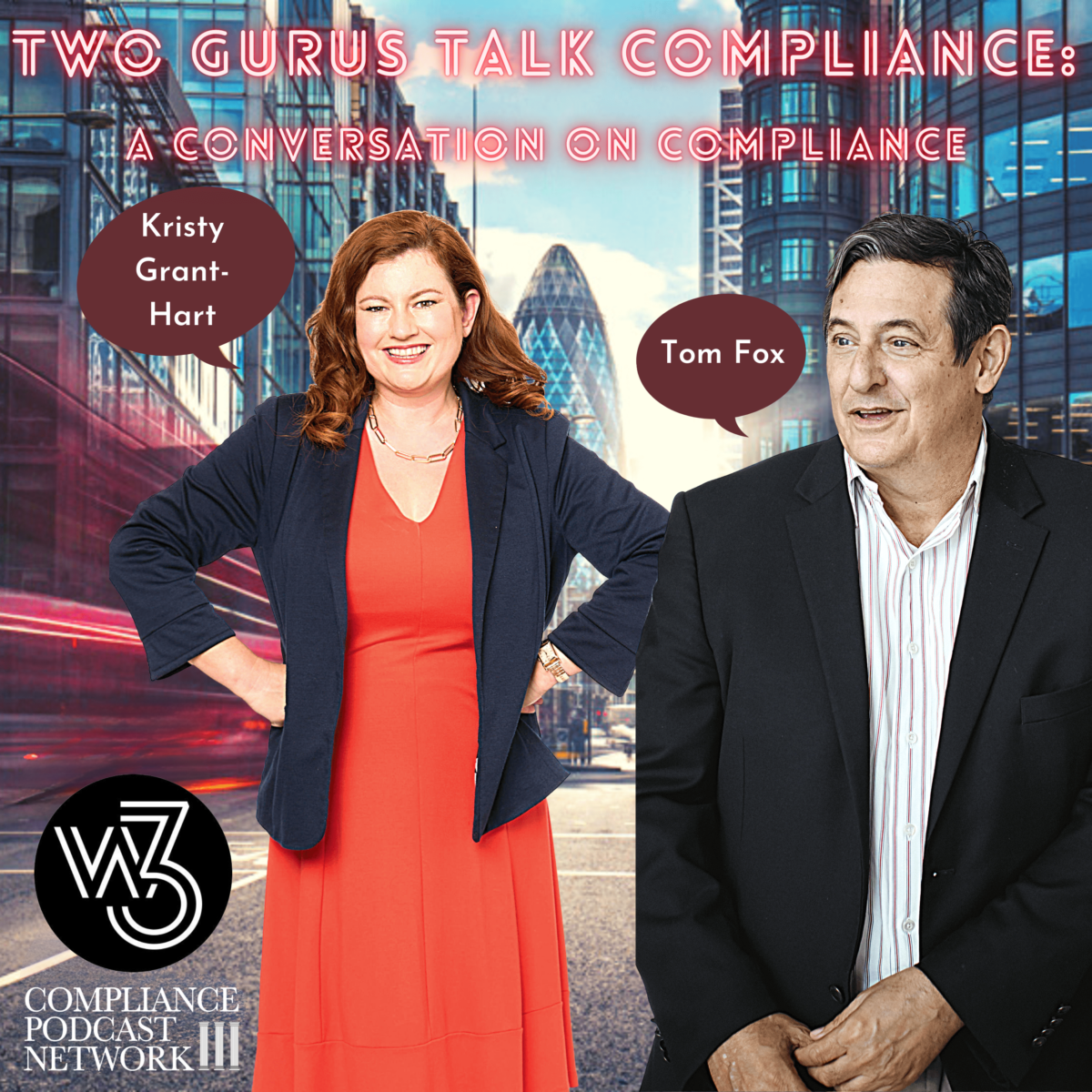
What happens when two top compliance commentators get together? They talk compliance, of course. Join Tom Fox and Kristy Grant-Hart in 2 Gurus Talk Compliance as they discuss the latest compliance issues in this week’s episode! Today, Tom and Kristy open 2025 with a rollicking episode starting with a tribute to Jimmy Carter, who signed the FCPA.


Stories this week include:

  • Do a premortem on your compliance program this year? (WSJ)
  • Is litigation financing justice? (WSJ)
  • Lady MacBeth lives. (Greek Reporter)
  • Is CFIUS Corrupt? (WSJ)
  • Auditing firms call the value of metrics ‘speculative.’ (FT)
  • On the Front Lines of the Trade War: How Customs Officers Screen for Prohibited Goods at U.S. Ports  (WSJ)
  • Ephemeral and Off-Channel Communications – Are we missing the serious questions?  (Ideas and Answers)
  • Businesses Preparing for Another Year of Geopolitical Tumult  (WSJ)
  • Will 2025 Be the Watershed Year for Return-to-Office Mandates? That Depends. (WSJ)
  • The Florida Man Games Return on March 1, 2025  (thefloridamangames.com)

Resources:

Kristy Grant-Hart on LinkedIn

Spark Consulting

Prove Your Worth

Tom

Instagram

Facebook

YouTube

Twitter

LinkedIn

Categories
Blog

Who Owns Transactions and Controls Monitoring? Lessons for Compliance Professionals

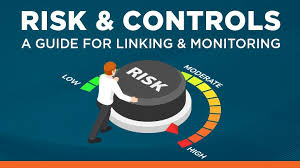
In his recent article, Who Owns Transaction and Controls Monitoring? published in Fraud Magazine, author Vince Walden explored the challenges of assigning responsibility for transaction and control monitoring within organizations. He emphasized the risks of assuming “someone else” is responsible for fraud detection and prevention, particularly within high-risk areas like accounts payable, accounts receivable, and employee expenses. This issue is both a wake-up call and a call to action for corporate compliance professionals. Here are the key lessons from the article and how compliance professionals can implement them in their programs.

Establish Ownership of Fraud Risk Management

One of the central themes is the importance of clearly assigning responsibility for fraud risk management across the organization. Walden cited the Fraud Risk Management Guide’s recommendation that one executive-level member of management be assigned ultimate responsibility for the fraud risk program. This clarity is essential to ensuring accountability and effectiveness.

You can establish this critical element by appointing a dedicated executive to lead your effort. Identify a senior executive sponsor, such as the Chief Compliance Officer (CCO) or Chief Risk Officer (CRO), to oversee the fraud risk management program. This individual should have a comprehensive understanding of fraud risks and process-level controls. The next move is to formalize a governance framework by creating a fraud risk management committee that includes leaders from compliance, finance, HR, IT, internal audit, and other key departments. Ensure this committee meets regularly to review risks and oversee fraud prevention initiatives.

Embrace a Multidisciplinary Approach

Walden highlighted the value of a committee-based, multidisciplinary approach to fraud risk. This structure fosters collaboration and ensures that diverse perspectives are brought to bear on identifying and mitigating fraud risks. Engage multiple stakeholders across multiple corporate functions. Bring together representatives from functions such as internal audit, compliance, legal, finance, and IT to collaborate on fraud detection and prevention strategies. Next, develop cross-functional training to provide fraud awareness training tailored to the unique responsibilities of each department, ensuring that everyone understands their role in mitigating fraud risks.

Align with the Three Lines Model

The “Three Lines Model,” updated by The Institute of Internal Auditors (IIA), provides a framework for distributing fraud risk management responsibilities. Walden underscores the importance of leveraging this model to enhance accountability and effectiveness. The three lines are:

  • First Line. Operational managers and staff should focus on implementing fraud prevention controls in daily processes.
  • Second Line. Compliance and risk management professionals should provide oversight, monitor emerging risks, and design advanced fraud detection tools.
  • Third Line. Internal audits should independently assess the effectiveness of fraud prevention and detection efforts.

The key is effective collaboration. You must ensure seamless communication and coordination among the three lines to prevent gaps in oversight.

Leverage Data and Technology

Walden emphasized the critical role of data-driven monitoring in ineffective fraud prevention. He noted that relying solely on internally generated data, such as surveys, is insufficient. Instead, organizations must analyze transactional data from enterprise systems and external sources. There will be a need for some investment, as you will need to deploy advanced compliance analytics platforms that can process data from enterprise resource planning (ERP) systems, accounting software, and third-party due diligence systems. Implement tools that provide real-time insights into transactional data, identifying unusual patterns or red flags indicative of fraud. Develop in-house expertise by training compliance teams to analyze and interpret complex datasets, enabling them to identify fraud risks proactively.

 Cultivate a Culture of Accountability

Fraud prevention is most effective when it is embedded within the organizational culture. Walden noted that visible and engaged leadership is critical to fostering such a culture. Once again, the fundamental ‘Tone at the Top’ must be set. Senior leaders should regularly communicate their commitment to ethical behavior and fraud prevention. This could include messages from the CEO or board-level discussions on fraud risk. Public recognition should be given to your organization’s Fraud Champions. The Department of Justice’s recommendations on monetary awards under anti-corruption compliance are equally valid in the anti-fraud realm, as you should reward employees who identify and report fraud risks, reinforcing the importance of vigilance and accountability. In training, fraud awareness should be integrated into onboarding by making fraud prevention a core part of employee onboarding and ongoing professional development.

Ensure Proactive Monitoring and Response

Walden stressed that fraud risk management cannot be reactive. Compliance professionals must take a proactive approach, using data and technology to monitor risks continuously. It begins and continues with regular fraud risk assessments to identify high-risk areas and prioritize monitoring efforts. Using these timely fraud risk assessments, develop a robust risk management response plan to ensure your organization has clear protocols for investigating and addressing suspected fraud, including escalation procedures and communication plans.

Final Thoughts

Walden’s insights powerfully remind us that fraud risk management is a shared responsibility. Compliance professionals can play a pivotal role in protecting their organizations from fraud and other risks by adopting a multidisciplinary approach, leveraging data-driven tools, and fostering a culture of accountability.

To be effective, these strategies must be implemented thoughtfully and consistently. Start by assessing your current fraud risk management framework and identifying gaps. Then, build on these lessons to create a program that meets regulatory expectations and strengthens your organization’s resilience against fraud. As Walden succinctly puts it: “If it isn’t you, an anti-fraud professional, who monitors and oversees high-risk transactions, then who should it be?” This is a question every compliance professional must ponder and address proactively.

Categories
31 Days to More Effective Compliance Programs

31 Days to a More Effective Compliance Program: Day 9 – Continuous Monitoring and Continuous Improvement

Welcome to a special podcast series on the Compliance Podcast Network, 31 Days to a More Effective Compliance Program. Over these 31 days of the series in January 2025, Tom Fox will post a key part of a best practices compliance program daily. By the end of January, you will have enough information to create, design, or enhance a compliance program. Each podcast will be short, at 6-8 minutes, and will include three key takeaways you can implement at little or no cost to help update your compliance program. I hope you will join us each day in January for this exploration of best practices in compliance.

Continuous monitoring and improvement are essential in developing effective compliance programs, serving as a dynamic approach to addressing and adapting to evolving risks. This underscores the critical nature of these concepts, particularly highlighted in the 2023 update to evaluating corporate compliance programs, and emphasizes the necessity for organizations to integrate real-time data and maintain comprehensive documentation in their decision-making processes. This approach ensures compliance and fosters agility and resilience in navigating the complexities of modern business landscapes.

Key highlights:

  • Understanding Changes in Company Risks
  • Continuous Monitoring and Improvement
  • External Information Sources for Compliance

Resources:

Listeners to this podcast can receive a 20% discount on The Compliance Handbook, 5th edition, by clicking here.

Categories
Magnificent 7 Rides Again

The Magnificent 7 Rides Again: Capturing the Essence of Art with Dawn Weyer

Welcome to The Magnificent 7 Rides Again, a captivating podcast series that delves into the vibrant world of seven talented female artists painting amidst the breathtaking landscapes, wildlife, and vistas of the Texas Hill Country. Join us as we explore their creative journeys, uncover the inspirations behind their work, and celebrate their unique perspectives on art and life. In season 2, we visit with the artists after their 2024 exhibit, The Magnificent Seven Rides Again, at the Kerrville Art and Culture Center. In this episode, host Tom Fox welcomes back Dawn Weyer.

Tom and Dawn reflect on the Magnificent 7 Rides Again show, discussing the increased energy and audience engagement. Dawn shares memorable moments, including interactions with enthusiastic young art lovers and visitors curious about her pastel techniques. They also touch upon the unique dynamics of the exhibit and Dawn’s ongoing artistic journey, including her various shows and plans for 2025. Dawn reveals her process of continuous learning and experimentation with different mediums, as well as her ability to adapt and find inspiration through seasonal changes and personal growth.

Key highlights:

  • Reflecting on the September-October Show
  • Engaging with the Audience
  • Painting at the KCC
  • Looking Ahead to 2025

Resources:

Dawn Weyer Fine Art

Texas Hill Country Podcast Network

The Hill Country Artists Facebook Page

Categories
Business Integrity Innovations

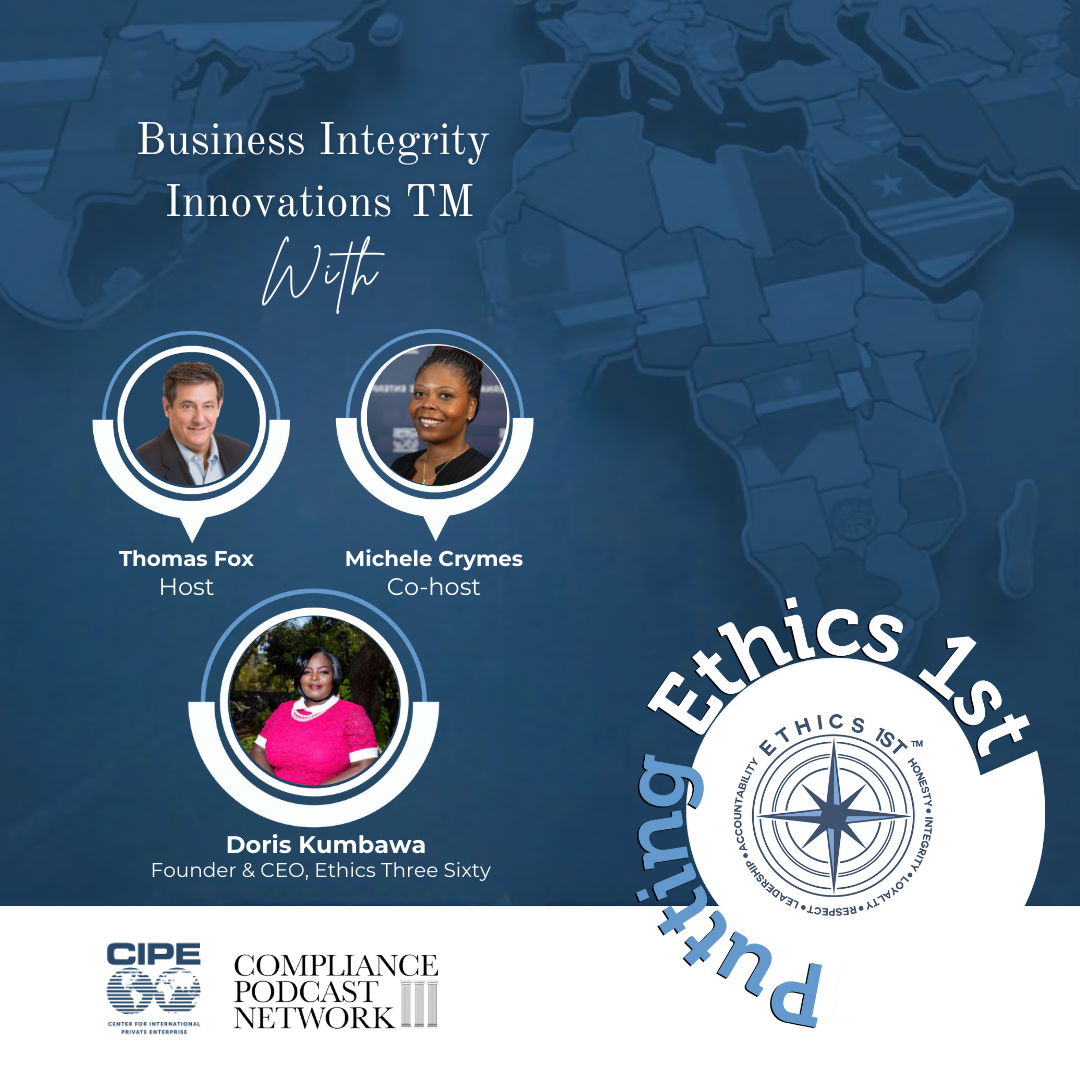
Business Integrity Innovations: Building a Corruption – Free Zimbabwe: Doris Kumbawa’s Vision

Business Integrity Innovations is brought to you by the Center for International Private Enterprise (CIPE) and the Compliance Podcast Network (CPN). This podcast is inspired by Ethics 1st, a multi-stakeholder initiative led by CIPE that creates pathways for accountable and sustainable investment in Africa. Companies can use Ethics 1st to standardize their business practices, develop sound corporate governance systems, and demonstrate their commitment to compliance and business ethics.

In this episode of Business Integrity Innovations, hosts Tom Fox and Michele Crymes welcome Doris Kumbawa, CEO and Founder of Ethics 360, and the CIPE country representative for Zimbabwe. Doris shares her professional journey and Ethics 360’s crucial role in promoting business integrity and anti-corruption compliance training. She elaborates on the challenges faced by the informal economy in Zimbabwe and the significant impact this economy has, especially on women.

Doris discusses the collaborative efforts to formalize informal economy associations and reduce corruption through stakeholder engagement and effective policy recommendations. She also highlights the influence of Ethics 1st, a tech-based platform helping businesses transition towards ethical practices, and her work with organizations like Transparency International and the Environment Social Governance Network of Zimbabwe to promote ethical governance and compliance. This episode provides deep insights into grassroots efforts to combat corruption and foster a culture of ethics and integrity in business.

Key highlights:

  • Understanding Zimbabwe’s Informal Economy
  • Ethics 360 and Anti-Corruption Efforts
  • Impact of Ethics First on Small Businesses
  • Collaborations and Training Initiatives
  • Future Vision for Zimbabwe’s Compliance and Ethics

Resources:

Doris Kumbawa on LinkedIn

Ethics 360 on LinkedIn

CIPE

CIPE

Ethics 1st

Categories
Pawtastic Friends - The Paw Talk

Pawtastic Friends: The Paw Talk – Cody, Sweety and Lina

Welcome to Pawtastic Friends—The Paw Talk. In this podcast, host Tom Fox will visit with Michael and Melissa Novelli, co-founders of Pawtastic Friends, and those who work with them at Pawtastic Friends. Michael and Melissa are dedicated to helping shelter and rescue dogs in the Las Vegas area become more adaptable through enrichment training, activities such as yoga and aquatics training, obedience, and agility. This podcast is sure to tug on your heartstrings; just listen to how sweet this one dog is! Tune in to hear more from Michael and Melissa Novelli as they discuss their passion for helping needy pups. Get ready for an exciting episode of Pawtastic Friends – The Paw Talk! In this episode, we feature Cody, Sweety, and Lina.

Dog adoption candidates, especially seniors, hold a unique place in the animal rescue world, offering both challenges and profound rewards to their adopters. They emphasize the need for a holistic approach to adoption, focusing on tailored training programs and the importance of matching dogs with compatible families. Michael highlights the significance of understanding each dog’s unique needs, ensuring that potential adopters are loving and patient families who can provide stable environments. Melissa advocates special care and attention for senior dogs, noting that older dogs like Cody and Sweetie thrive in active and warm family settings. Their collective dedication underscores the transformative impact of thoughtful adoption processes for dogs and their new families.

Quotes:

“For seniors, what I love about our curriculum is they come and they work on balance, they work on mobility, they work on stretching, all things to keep them moving that are fun learning games to exercise the mind.” – Melissa Novelli

“It’s A group class where they work on mobility, balance and stability. And so it gives them a chance to keep their body young and they’re mine young.” – Melissa Novelli

“Very passionate. And what’s great is it’s fun. Everybody has fun.” Melissa Novelli

Resources:

Pawtastic Friends

Donate to Pawtastic Friends

Pawtastic Friends on Instagram

Pawtastic Friends on Facebook

Jordan’s Way US Tour

Jordan’s Way visit to Pawtastic Friend’s in Las Vegas

Categories
Life with GDPR

Life With GDPR – Navigating the EU AI Act

Tom Fox and Jonathan Armstrong, renowned expert in cyber security, co-host the award-winning Life with GDPR. In this episode, they discuss a pressing deadline for compliance officers: the February 2nd enforcement of the EU AI Act’s prohibitions on unacceptable AI risk.

Tom and Jonathan look at the phased implementation of this complex legislation, detailing the obligations of businesses using AI in their EU operations. Jonathan emphasizes the importance of identifying ‘shadow AI’ within organizations, from HR recruitment tools to consumer applications, and the substantial penalties for non-compliance, which can reach up to $35 million or 7% of global annual revenue. They also cover a practical five-step plan to help companies move towards compliance, involving board awareness, an AI inventory, assessment of AI tools, contract reviews, and transparency measures. Tune in to understand the nuances of this legislation and how to prepare your organization before the rapidly approaching deadline.

Key takeaways:

  • Understanding the EU AI Act
  • Prohibited AI Applications
  • Corporate and Personal Liability
  • Steps to Compliance

Resources:

Connect with Tom Fox

Connect with Jonathan Armstrong