Categories
Daily Compliance News

Daily Compliance News: August 14, 2025, The End of Dial Up Edition

Welcome to the Daily Compliance News. Each day, Tom Fox, the Voice of Compliance, brings you compliance-related stories to start your day. Sit back, enjoy a cup of morning coffee, and listen in to the Daily Compliance News. All, from the Compliance Podcast Network. Each day, we consider four stories from the business world, compliance, ethics, risk management, leadership, or general interest for the compliance professional.

Stories include:

  • The State of Texas sues Lilly for bribery. (Reuters)
  • TACO Don caves on China yet again. (BBC)
  • Bessent warned on COIs. (NYT)
  • AOL ends 30 years of dial-up. (BBC)

You can donate to flood relief for victims of the Kerr County flooding by going to the Hill Country Flood Relief here.

Categories
AI Today in 5

AI Today in 5: August 14, 2025, The Putting the Human in AI Episode

Welcome to AI Today in 5, the newest addition to the Compliance Podcast Network. Each day, Tom Fox will bring you 5 stories about AI to start your day. Sit back, enjoy a cup of morning coffee, and listen in to the AI Today In 5. All, from the Compliance Podcast Network. Each day, we consider four stories from the business world, compliance, ethics, risk management, leadership, or general interest about AI.

  • Presight and Dow Jones Factiva Partner to Create AI-Native Risk and Compliance Solutions. (TechAfricaNews)
  • CITGO to enhance compliance through AI. (BusinessWire)
  • GenAI in government. (SAS)
  • EU general-purpose AI obligations. (Baker & McKenzie)
  • Grounding your AI in the human experience. (Nice)

For more information on the use of AI in Compliance programs, see Tom Fox’s new book, Upping Your Game. You can purchase a copy of the book on Amazon.com.

Categories
Trekking Through Compliance

Trekking Through Compliance: Episode 74 – Keeping the Crew Safe: Compliance Leadership Lessons from “The Way to Eden”

Few Star Trek episodes illustrate the complexity of leadership in the face of ideological fervor as vividly as “The Way to Eden.” In this story, the Enterprise encounters a group of spacefaring counterculture idealists led by Dr. Sevrin, a brilliant but unstable scientist. The trouble? Sevrin is a carrier of a deadly bacterium, and his quest puts both his followers and the Enterprise crew at risk. Captain Kirk, Spock, and McCoy must navigate a delicate balance, respecting personal freedoms while ensuring the safety of all. From this episode, compliance leaders can draw five practical lessons.

Lesson 1: Understand the Motivations Behind Risky Behavior

Illustrated by: Sevrin’s followers are not acting out of malice; a utopian vision of freedom from the constraints of modern society drives them.

Compliance Lesson. Employees and business units may engage in risky practices not because they want to harm the company, but because they believe their approach is better, faster, or more in line with their values.

Lesson 2: Clear Boundaries Protect Everyone

Illustrated by: Kirk’s role as captain means protecting the entire crew, not just indulging a vocal subgroup.

Compliance Lesson. Leaders must sometimes be the ones to say “no,” even in the face of enthusiasm or pressure from influential stakeholders. Boundaries, whether in anti-bribery rules, safety procedures, or cybersecurity protocols, exist to protect the organization as a whole.

Lesson 3: Engagement Is More Effective Than Suppression

Illustrated by: Spock earns the respect of Sevrin’s group by listening without judgment and showing genuine curiosity about their beliefs.

Compliance Lesson. By engaging respectfully, leaders can open channels for dialogue, uncover hidden risks, and sometimes win buy-in for compliance initiatives.

Lesson 4: The Allure of Shortcuts Can Blind People to Risks

Illustrated by: When Sevrin’s followers find the planet, they quickly discover that the vegetation is saturated with toxins, and stepping barefoot on the grass leads to deadly consequences.

Compliance Lesson. In business, “Eden” often takes the form of shortcuts, overseas markets with lax regulations, unvetted third parties who promise quick results, or aggressive accounting practices.

Lesson 5: Leadership Means Balancing Compassion with Accountability

Illustrated by: Accountability comes not in punishment, but in ensuring the survivors face the consequences of their decisions and understand the lessons learned.

Compliance Leadership Parallel: Leaders must respond to compliance breaches with a balance of firmness and empathy. Compliance leadership means leaving people with their dignity intact while making it clear that rules matter.

Final Thoughts

The Way to Eden is often remembered as a quirky Star Trek episode, with its counterculture overtones and space-hippie soundtrack. But beneath the surface, it’s a leadership case study: how to guide a diverse, passionate, and sometimes rebellious set of stakeholders toward a safe and sustainable outcome.

Compliance leaders face their own “Sevrins” and “Edens” every day, compelling visions that, if left unchecked, can lead to disaster. The key is to listen, understand, set boundaries, and lead with both compassion and resolve. In the end, leadership in compliance is not about keeping people from chasing their Eden; rather, it is about making sure they survive the journey.

Resources:

⁠⁠Excruciatingly Detailed Plot Summary by Eric W. Weisstein⁠⁠

⁠⁠MissionLogPodcast.com⁠⁠

⁠⁠Memory Alpha

Categories
Blog

Compliance Leadership Lessons from Star Trek’s The Way to Eden

In compliance, leadership is not just about setting the tone at the top. It is about guiding an organization through competing values, disruptive influences, and well-intentioned but potentially dangerous shortcuts.

Few Star Trek episodes illustrate the complexity of leadership in the face of ideological fervor as vividly as “The Way to Eden.” In this story, the Enterprise encounters a group of spacefaring counterculture idealists led by Dr. Sevrin, a brilliant but unstable scientist. Sevrin and his followers reject modern technology and societal norms, seeking a mythical, untouched planet called “Eden” where they can live in what they believe will be pure harmony.

The trouble? Sevrin is a carrier of a deadly bacterium, and his quest puts both his followers and the Enterprise crew at risk. Captain Kirk, Spock, and McCoy must navigate a delicate balance, respecting personal freedoms while ensuring the safety of all. From this episode, compliance leaders can draw five practical lessons.

Lesson 1: Understand the Motivations Behind Risky Behavior

Illustrated By: Sevrin’s followers are not acting out of malice; a utopian vision of freedom from the constraints of modern society drives them. However, their rejection of medical science and safety protocols blinds them to the dangers they bring aboard the Enterprise.

Compliance Lesson. Employees and business units may engage in risky practices not because they want to harm the company, but because they believe their approach is better, faster, or more in line with their values. Leaders who dismiss these motivations outright risk alienating people whose energy could be channeled constructively. By understanding the drivers of noncompliance, leaders can redirect passion into safe, compliant channels.

What should you do?

  • Take time to understand why individuals resist compliance requirements.
  • Acknowledge the values behind dissent, even when you cannot endorse the methods.
  • Look for ways to align personal motivations with organizational ethics and risk frameworks.

Lesson 2: Clear Boundaries Protect Everyone

Illustrated By: Despite Sevrin’s charisma, Kirk sets firm boundaries: the Enterprise cannot simply abandon its mission to pursue Eden, and Sevrin’s health status requires quarantine protocols. Kirk’s role as captain means protecting the entire crew, not just indulging a vocal subgroup.

Compliance Lesson. Leaders must sometimes be the ones to say “no,” even in the face of enthusiasm or pressure from influential stakeholders. Boundaries, whether in anti-bribery rules, safety procedures, or cybersecurity protocols, exist to protect the organization as a whole.  Ethical leadership means knowing when flexibility is possible and when it would endanger the mission.

What should you do?

  • Communicate non-negotiable compliance requirements clearly and early.
  • Ensure all employees understand the rationale behind safety and regulatory protocols.
  • Stand firm when those boundaries are tested, even by high performers or senior leaders.

Lesson 3: Engagement Is More Effective Than Suppression

Illustrated By: Spock earns the respect of Sevrin’s group by listening without judgment and showing genuine curiosity about their beliefs. This rapport allows him to act as a bridge between the group and the Enterprise command staff, even though he ultimately disagrees with their methods.

Compliance Lesson. Dismissing dissenters as “problem employees” without engagement can deepen resistance. By engaging respectfully, leaders can open channels for dialogue, uncover hidden risks, and sometimes win buy-in for compliance initiatives. Effective compliance leadership values dialogue as a tool for both education and intelligence gathering.

What should you do?

  • Listen actively to dissenting voices.
  • Avoid treating all opposition as insubordination. Sometimes it is a signal of deeper organizational issues.
  • Use engagement to build trust, even when consensus is not possible.

Lesson 4: The Allure of Shortcuts Can Blind People to Risks

Illustrated By: When Sevrin’s followers find the planet, which they believe to be Eden, it initially appears beautiful and untouched. However, they quickly discover that the vegetation is saturated with toxins, and stepping barefoot on the grass leads to deadly consequences.

Compliance Lesson. In business, “Eden” often takes the form of shortcuts, overseas markets with lax regulations, unvetted third parties who promise quick results, or aggressive accounting practices. These may look enticing at first, but the hidden risks can be fatal to the organization. Part of a compliance leader’s role is to de-romanticize shortcuts and reveal the full risk landscape.

What should you do?

  • Teach employees to perform due diligence before pursuing new opportunities.
  • Make risk assessments an integral part of strategic decision-making.
  • Share examples of past corporate failures caused by seemingly “perfect” opportunities.

Lesson 5: Leadership Means Balancing Compassion with Accountability

Illustrated by: After the Eden disaster, Sevrin dies, but his followers are spared. Kirk and Spock treat the survivors with compassion, offering them care and safe passage, even though their actions had endangered the crew. Accountability comes not in punishment, but in ensuring the survivors face the consequences of their decisions and understand the lessons learned.

Compliance Leadership Parallel: Leaders must respond to compliance breaches with a balance of firmness and empathy. Punishment without compassion can breed resentment; compassion without accountability can encourage repeat behavior. Compliance leadership means leaving people with their dignity intact while making it clear that rules matter.

What should you do?

  • Address violations swiftly and fairly.
  • Provide education and corrective measures alongside disciplinary actions.
  • Use breaches as teaching moments for the broader organization.

Why “The Way to Eden” Matters for Compliance Leaders

The episode is a study in balancing values: freedom and safety, individuality and collective responsibility, compassion and firmness. Kirk, Spock, and McCoy each play a part: Kirk as the boundary-setter, Spock as the bridge-builder, and McCoy as the voice of science and evidence.

In a corporate setting, compliance leaders often find themselves in all three roles at once. They must:

  • Understand and respect differing viewpoints (Spock).
  • Set and enforce boundaries that protect the organization (Kirk).
  • Ground decisions in objective facts and regulations (McCoy).

When done well, this approach strengthens the organization’s ethical culture and reduces the likelihood of costly risk events.

Final Thought

The Way to Eden is often remembered as a quirky Star Trek episode, with its counterculture overtones and space-hippie soundtrack. But beneath the surface, it’s a leadership case study: how to guide a diverse, passionate, and sometimes rebellious set of stakeholders toward a safe and sustainable outcome.

Compliance leaders face their own “Sevrins” and “Edens” every day, compelling visions that, if left unchecked, can lead to disaster. The key is to listen, understand, set boundaries, and lead with both compassion and resolve. In the end, leadership in compliance is not about keeping people from chasing their Eden; rather, it is about making sure they survive the journey.

Resources:

⁠⁠Excruciatingly Detailed Plot Summary by Eric W. Weisstein⁠⁠

⁠⁠MissionLogPodcast.com⁠⁠

⁠⁠Memory Alpha

Categories
Compliance Tip of the Day

Compliance Tip of the Day – Investment Strategies for Compliance

Welcome to “Compliance Tip of the Day,” the podcast where we bring you daily insights and practical advice on navigating the ever-evolving landscape of compliance and regulatory requirements. Whether you’re a seasoned compliance professional or just starting your journey, we aim to provide you with bite-sized, actionable tips to help you stay on top of your compliance game. Join us as we explore the latest industry trends, share best practices, and demystify complex compliance issues to keep your organization on the right side of the law. Tune in daily for your dose of compliance wisdom, and let’s make compliance a little less daunting, one tip at a time.

Today, we discuss the key investment strategies for a CCO to use when presenting to a CFO.

For more on this topic, check out The Compliance Handbook, a Guide to Operationalizing Your Compliance Program, 6th edition, which LexisNexis recently released. It is available here.

Categories
The I-Team Podcast

The I-Team Podcast – Episode 2 – The One with Kelly Twigger

In the second edition of the I-Team podcast, the I-Team discusses international aspects of data law. The I-Team is joined this time by special guest Kelly Twigger.

The I-Team is a spin-out of the ever-popular Relativity Fest International Panel.

Topics include:

  • Failing to supervise expert witnesses
  • Issues around the collection of data in subject access requests, investigations & for litigation
  • The use of AI in legal proceedings
  • The dangers of GenAI & hallucination
  • The need for law firm management to educate lawyers after the Ayinde case
  • Recent cases in South Africa, the US & UK
  • The fact that even law-specific AI can hallucinate
  • Recent developments in AI detection in South Africa & the issues this might create in court
  • The role of AI in legal education
  • A defence of the em dash—and maybe also the semicolon

The first I-Team podcast covering hallucination in more detail is here.

The article David refers to is here.

Jonathan talks about the Ayinde case, which is here.

Linda talks about a South African case here.

Jonathan talks briefly about the NYSBA AI Task Force report here.

Fiona refers to UK judicial guidance, which is here.

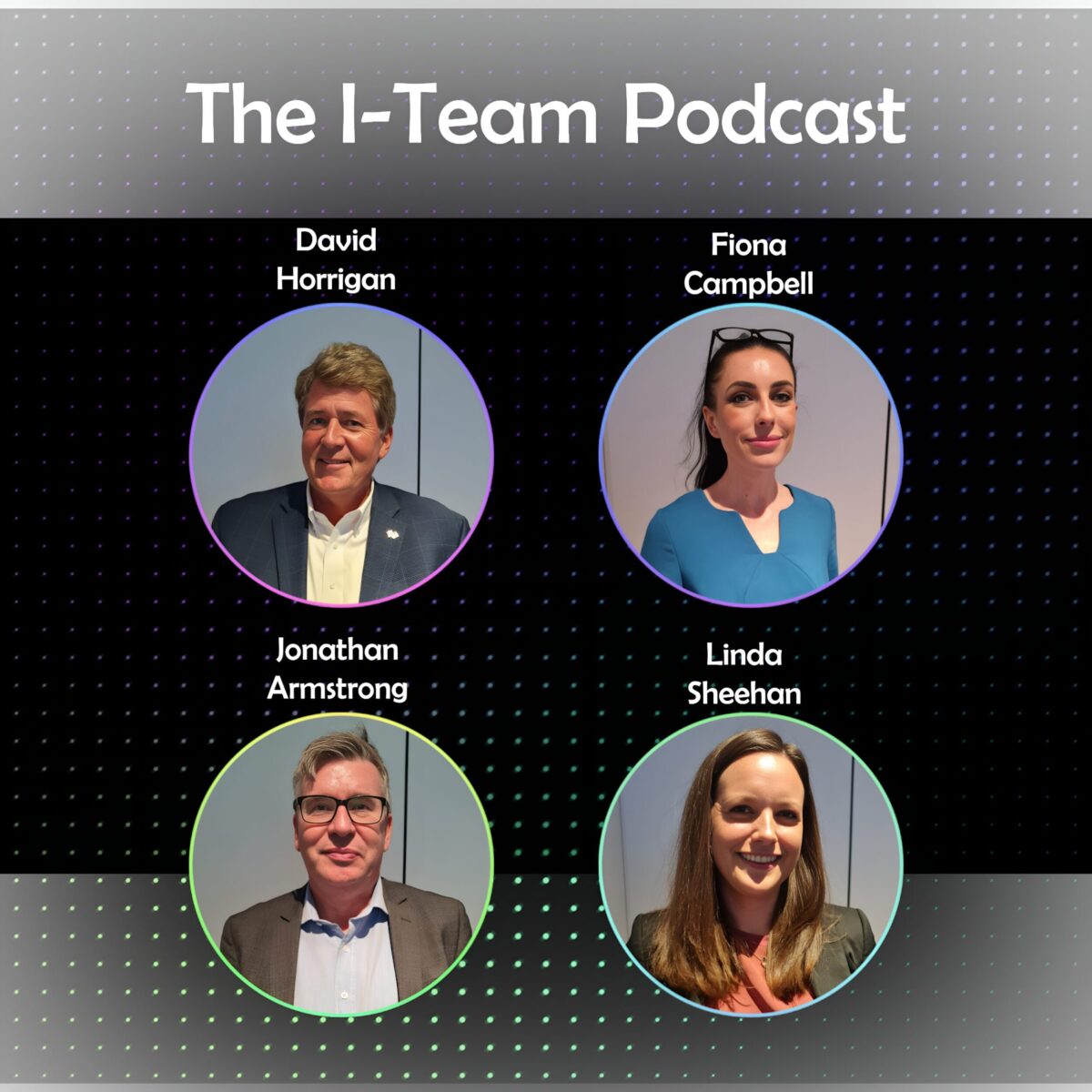
The I-Team are:

Jonathan Armstrong of Punter Southall Law

Fiona Campbell of Field Fisher

David Horrigan of Relativity

Linda Sheehan of intelligENS

Categories
Blog

Top 10 Prompts for Improving Tone at the Top

Today, we continue our series on the top 10 prompts for compliance professionals to use to improve their compliance program. Today, we focus on the Top 10 Prompts for Compliance Professionals on “Tone at the Top,” each followed by a detailed explanation highlighting its critical importance. Each prompt should begin with a description of who the author is, who the audience is, and information on your organization. Something like “You are a Chief Compliance Officer for a company in the energy industry. You want a list of things your senior executives can do to help improve your compliance program, based on their list and one or more of the specific prompts below.

1. “What strategies can senior leadership use to effectively set and communicate a strong ethical tone? ”

Explanation:

The “Tone at the Top” is foundational to an effective compliance program, reflecting the ethical values and integrity promoted by an organization’s leadership. This prompt helps compliance professionals outline actionable strategies for senior leaders, including clear messaging, personal accountability, regular ethical communication, and visible actions demonstrating integrity. Such methods ensure employees clearly understand and trust leadership’s ethical commitments. Regulators, especially the DOJ, frequently assess the authenticity of the leadership’s tone as a key indicator of an effective compliance program. Robust leadership strategies help embed compliance deeply into organizational culture, ensuring long-term adherence to ethical standards.

2. “Draft a communication from the CEO emphasizing the organization’s commitment to compliance and ethics.”

Explanation:

Direct and clear communication from the CEO significantly impacts employees’ perception of compliance as a core corporate value. This prompt allows compliance professionals to draft powerful, meaningful messages that reflect a genuine commitment from leadership. Such communications affirm the organization’s ethical stance, reinforce expectations, and provide reassurance that ethical concerns will be addressed seriously. Regulators often view direct communications from top executives as strong evidence of organizational commitment, making this prompt critical for maintaining credibility with employees and regulatory bodies alike.

3. “Explain best practices for integrating the tone at the top into compliance training programs.”

Explanation:

Effective compliance training programs must align closely with the ethical tone set by senior management. This prompt guides compliance professionals in developing training content that incorporates clear messages from leadership, examples of ethical decision-making by executives, and practical scenarios reflecting top-level expectations. Integrating the “Tone at the Top” into training underscores the authenticity and seriousness of compliance messages, significantly increasing employee awareness and internalization of ethical standards. Regulators assess the integration of leadership’s ethical messaging in training as evidence of a genuine commitment to compliance, rendering this practice essential.

4. “Identify metrics or indicators to measure the effectiveness of the tone set by senior leadership.”

Explanation:

Establishing measurable metrics to evaluate leadership’s ethical influence is critical for compliance accountability. This prompt helps compliance professionals determine practical indicators such as employee survey responses, whistleblower report frequency, internal reporting trends, and leadership communications frequency and clarity. Measuring effectiveness validates leadership’s ethical influence and provides essential data for regulatory reviews and internal audits. Organizations using these metrics demonstrate proactive compliance management and continuous improvement. Moreover, metrics provide leaders with clear feedback, helping them reinforce, adjust, or amplify their ethical messaging and behaviors, thus enhancing overall compliance.

5. “Provide examples of effective and ineffective leadership behaviors influencing compliance culture.”

Explanation:

Compliance professionals require concrete examples to illustrate how leadership behaviors shape organizational compliance culture. This prompt supports clear distinctions between positive behaviors—such as transparency, accountability, and active ethical advocacy—and negative behaviors—such as inconsistent messaging, tolerance of unethical actions, or retaliation against whistleblowers. Effective examples educate senior leadership about desirable behaviors while highlighting the compliance risks of ineffective conduct. Identifying behavioral examples helps senior executives avoid unintentional undermining of compliance initiatives and significantly strengthens the credibility and authenticity of the “Tone at the Top.”

6. “Develop an action plan for senior management to demonstrate their commitment to compliance and ethics visibly.”

Explanation:

A tangible, actionable plan ensures that senior executives visibly demonstrate their commitment to ethical practices. This prompt enables compliance professionals to suggest specific actions such as regular town hall meetings, ethical roundtables, personal involvement in compliance events, and transparent communication on ethical issues. Visible commitment reassures employees that compliance is genuinely valued, thereby fostering greater organizational trust and cooperation. Regulators strongly emphasize tangible evidence of top-level commitment, and documented action plans provide essential records for demonstrating sustained ethical leadership, regulatory compliance, and internal alignment with compliance objectives.

7. “Suggest methods for senior leadership to encourage ethical reporting and protect whistleblowers actively.”

Explanation:

Leadership’s role in whistleblower protection significantly impacts an organization’s compliance culture. This prompt guides compliance professionals in outlining best practices for senior leadership, including public support for whistleblower programs, transparent whistleblower policy communications, visible zero-tolerance policies against retaliation, and proactive engagement with ethical reporting mechanisms. Encouraging ethical reporting at the highest levels demonstrates a commitment to transparency, accountability, and continuous improvement. Regulators such as the DOJ explicitly assess leadership’s commitment to whistleblower protection as crucial evidence of an effective compliance program, making this prompt critical.

8. “Explain how senior management can reinforce the tone at the top during crises or significant compliance incidents.”

Explanation:

Leadership’s response during crises significantly shapes organizational perceptions of ethical integrity. This prompt allows compliance professionals to prepare senior leaders to handle compliance incidents transparently, responsibly, and decisively, maintaining consistency with the stated “Tone at the Top.” Effective crisis management involves clear communication, timely acknowledgment, thorough root cause analyses, and visible accountability measures. Reinforcing ethical commitments during difficult times strengthens internal trust, enhances external credibility, and fulfills regulatory expectations for transparent crisis responses. Compliance programs that maintain consistent ethical messaging during crises demonstrate resilience, integrity, and maturity in the compliance framework.

9. “Outline techniques senior management can use to evaluate and refresh the organization’s ethical tone regularly.”

Explanation:

The ethical tone from leadership should remain dynamic, reflective of evolving organizational needs, risks, and regulatory expectations. This prompt equips compliance professionals with techniques such as annual reviews, employee focus groups, ethical climate surveys, and executive ethics workshops. Regular evaluation and periodic refreshment of ethical messaging ensure ongoing alignment between leadership’s stated values and actual organizational culture. Demonstrating regular evaluations and responsive adjustments shows regulators an active commitment to maintaining a relevant, meaningful “Tone at the Top,” enhancing compliance credibility, operational effectiveness, and overall organizational resilience in ethics and compliance matters.

10. “Draft board of director communications emphasizing oversight responsibilities related to the tone at the top and compliance culture.”

Explanation:

Boards play a vital role in overseeing senior management’s ethical leadership. This prompt enables compliance professionals to communicate board-level responsibilities, regulatory expectations, and specific oversight tasks such as ethical audits, regular interactions with compliance leaders, and scrutiny of senior management’s ethical performance. Effective board oversight reinforces the accountability of senior leaders, provides critical external validation of ethical messaging, and ensures alignment with regulatory guidelines from bodies such as the SEC and DOJ. Clear board communications underscore a top-down commitment to compliance, further embedding ethics throughout organizational culture.

Effectively establishing, reinforcing, and communicating the “Tone at the Top” remains a cornerstone of compliance excellence. Leveraging these prompts enables compliance professionals to proactively equip senior leaders, executives, and boards with actionable tools, clear communication strategies, and visible demonstration opportunities. Successfully executing these prompts not only strengthens an organization’s compliance culture but also significantly mitigates compliance risks, reinforces internal trust, and provides compelling evidence of ethical rigor and commitment to external regulators.

If you have some favorite prompts you utilize in the area of Tone at the Top, please send them to me, and I will start a Prompt List to share with all compliance professionals.


Categories
Hill Country Hustlers

Hill Country Hustlers: Crafting Leather Masterpieces with Stacy Hill Sander: A Journey from Medical Lab to Leatherworks

In this episode of the Hill Country Hustlers podcast, Stacy Hill Sander from Harper, Texas, shares her fascinating journey from being a medical laboratory scientist to a talented leatherworker. Stacy discusses how her passion for creating artistic items led her to the world of leather crafting, detailing her experiences, learning process, and the supportive leatherworking community. She reveals how her skills evolved over nine years, leading to the foundation of her business, Rustically Redeemed Custom Leather and Laser. Stacy also talks about managing her time between her day job, family, and leatherwork, and sheds light on her new ventures, including lasering and offering wedding packages. Tune in to hear about her unique handmade leather goods and the story behind each creation.

Key highlights:

  • Meet Stacy Hill Sander: Medical Scientist and Leather Artisan
  • Discovering Leather Crafting at 4-H Camp
  • Starting Rustically Redeemed Custom Leather and Laser
  • The Importance of Skill Growth and Community
  • Balancing Work, Family, and Leather Crafting
  • Showcasing Unique Leather Creations
  • Where to Find Rustically Redeemed Custom Leather and Laser Products

Resources:

Zach Green on LinkedIn

Follow Stacy Hill Sander on:

Facebook

YouTube

Mom, Maker, MedTech Podcast on Spotify

Follow Rustically Redeemed Custom Leather and Laser on:

Website

Facebook

Instagram

Categories
Red Flags Rising

Red Flags Rising: S01 E25 – Deals, More Deals, and Protective Backstops

Mike & Brent dive into the latest geopolitical developments surrounding technology exports and the interplay between leading tech companies and the U.S. Administration.

Specifically, they discuss the latest news regarding U.S. conditions for licensing the export of Nvidia’s H20 chip to China (00:38), the impact of the deal on trade negotiations between the U.S. and the People’s Republic of China (and vice-versa) (04:59), the difficult position companies generally are in regarding export controls due diligence and the multiple potential meanings and consequences regarding public officials’ statements around export controls (16:01), the latest news regarding Intel’s CEO’s interactions with the U.S. Administration and how they illustrate vividly the “whipsaw” effect companies and executives face as geopolitical winds swirl (20:09), the relevance of the “pretend mistake” tactic in dealmaking—or, as Mike referred to it in the context of U.S. export controls, the “revoked forgiveness” tactic (22:40), and, practically speaking, how companies can best anchor themselves amidst the geopolitical storm by designing and implementing a “high probability protocol” to best anticipate core trends in U.S. export controls enforcement and serve as an important compliance backstop (25:36).

They then conclude with another installment of Brent Carlson’s “Managing Up” (26:59).

Resources:

Brent LinkedIn

Mike LinkedIn

Mike & Brent’s “Fresh Looks” Series