Categories
Compliance Tip of the Day

Compliance Tip of the Day – New FCPA Enforcement Memo-What Does it Say?

Welcome to “Compliance Tip of the Day,” the podcast that brings you daily insights and practical advice on navigating the ever-evolving landscape of compliance and regulatory requirements. Whether you’re a seasoned compliance professional or just starting your journey, our goal is to provide you with concise, actionable tips to help you stay ahead in your compliance efforts. Join us as we explore the latest industry trends, share best practices, and demystify complex compliance issues to keep your organization on the right side of the law. Tune in daily for your dose of compliance wisdom, and let’s make compliance a little less daunting, one tip at a time.


Today, we begin a two-part look at the recently released FCPA Enforcement Memo. Today, in Part 1, we consider what it says. 

For more information on this topic, refer to The Compliance Handbook: A Guide to Operationalizing Your Compliance Program, 6th edition, recently released by LexisNexis. It is available ⁠here⁠

Categories
Sunday Book Review

Sunday Book Review: June 15, 2025, The Books on Corporate Governance Edition

In the Sunday Book Review, Tom Fox considers books that would interest compliance professionals, business executives, or anyone curious about the subject. It could be books about business, compliance, history, leadership, current events, or any other topic that might interest Tom. Today, we look at four new books on corporate governance for the summer of 2025.


  • On Board: The Modern Playbook for Corporate Governance by Jonathan Foster
  • Corporate Governance for New Directors: The Basics and Beyond by Michael L. Whitener, Robert N. Walton, and Blake Redding
  • Boardroom Blitz: Mastering the Art of Corporate Governance by Hendrith Vanlon Smith Jr.
  • Charged Governance: Transformative Governance Principles for Private Businesses by Andrew Usuki

The Sunday Book Review was recently honored as one of the Top 100 Book Podcasts.

Categories
Blog

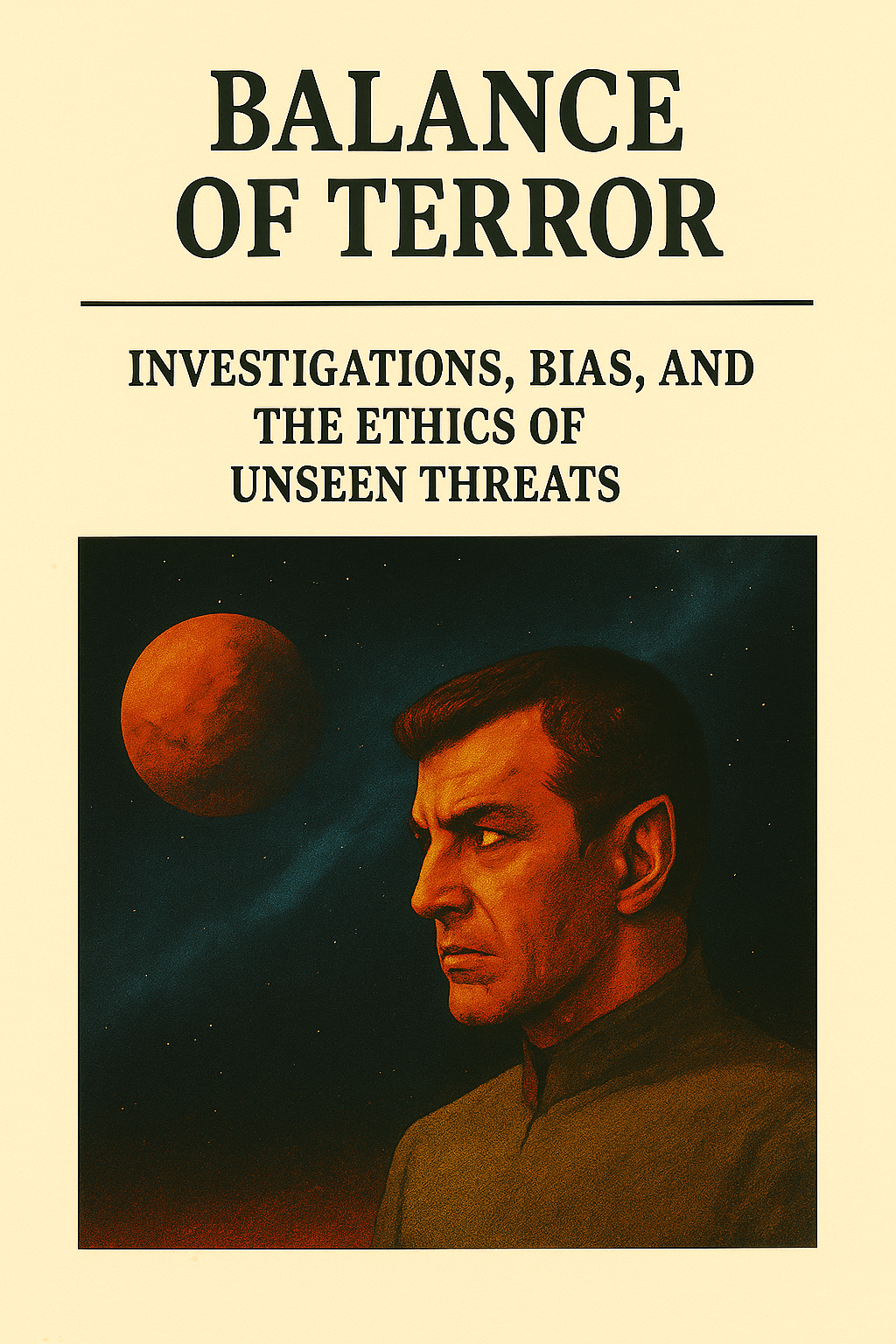
Balance of Terror: Investigations, Bias, and the Ethics of Unseen Threats

Show Summary

Today, we analyze Balance of Terror, the tense, submarine-style showdown between the Enterprise and a Romulan Bird-of-Prey that introduces one of Star Trek’s most enduring adversaries. The story unfolds as a mystery: Who attacked the Earth outposts? What is this new weapon? Who are the Romulans? And what do their sudden appearances mean for the Federation?

We consider the critical investigative lessons this episode offers for compliance professionals: the importance of situational analysis, managing internal bias, respecting operational security, and knowing when to act and when to wait. In this cat-and-mouse episode, we find the foundations of modern investigative best practices.

1. Situational Awareness and Evidence Gathering—Don’t Jump to Conclusions

Illustrated by: The destruction of Outposts 2 and 3 and the cryptic communication from Outpost 4.

When Captain Kirk is alerted to the destruction of Outposts 2 and 3, followed by a garbled and desperate message from Outpost 4, he does not leap to conclusions. Instead, he begins assembling a coherent picture from incomplete data. It is an approach every compliance professional should emulate. Kirk listens carefully to the fading transmissions, asks questions, and refrains from concluding until the evidence is strong enough to warrant a course of action. In the compliance context, this underscores the importance of establishing a clear and objective fact pattern before initiating formal charges or drawing public conclusions. Whether it is a whistleblower tip, financial irregularity, or cyber breach, investigators must resist the urge to confirm pre-existing assumptions and instead allow the data to guide the inquiry. Rushed investigations lead to false positives, reputational damage, and a loss of credibility. Thorough evidence gathering is not a luxury, and it is the cornerstone of practical and ethical investigations.

2. Managing Internal Bias—Appearance Is Not Proof

Illustrated by: Lieutenant Stiles’ suspicion of Mr. Spock based on the physical resemblance between Romulans and Vulcans.

Lieutenant Stiles immediately casts suspicion on Spock when it is revealed that Romulans resemble Vulcans despite Spock’s long and honorable service aboard the Enterprise. This reflexive distrust, based solely on appearance and ancestry, is a prime example of how bias can derail an investigation and a team. For compliance professionals, this moment serves as a powerful reminder of the damage unconscious bias can cause in investigative settings. Bias leads to tunnel vision, selective interpretation of evidence, and the marginalization of innocent individuals. Investigators must be trained to recognize and eliminate personal biases from their assessments, ensuring that findings are based on behavior and facts rather than on factors such as ethnicity, appearance, age, or background.

Additionally, leaders must protect team dynamics and morale by correcting discriminatory behavior when it arises. Stiles’s conduct not only risked undermining the investigation, but it also threatened the cohesion of the entire bridge crew. In compliance work, fairness is not only a good idea but also a foundational principle.

3. Strategic Surveillance—Investigate Without Provoking Retaliation

Illustrated by: Kirk shadowing the Romulan ship to determine intent and capabilities before engaging.

Captain Kirk chooses patience over aggression. Faced with a technologically advanced Romulan vessel capable of cloaking itself, Kirk adopts a strategy of stealth and surveillance, carefully observing enemy behavior before taking action. This restraint allows him to gather intelligence on the Romulans’ capabilities, decision-making process, and command philosophy. For compliance professionals, this offers a tactical lesson: not every investigation requires immediate confrontation. Especially in matters of internal fraud, harassment, or collusion, premature escalation can trigger retaliation, cover-ups, or destruction of evidence. Surveillance, whether through data audits, transaction monitoring, or employee behavior analytics, can provide valuable insights into patterns of misconduct while maintaining the element of surprise. However, it must be done ethically and lawfully, with careful control over access to sensitive information. Kirk’s calm, measured approach reflects the same principle: watch closely, document thoroughly, and only engage once you fully understand the scope and severity of the issue.

4. Chain of Custody and Documentation—Recording and Communicating the Facts

Illustrated by: The tactical logs Kirk reviews and Spock’s technical input during the confrontation.

Throughout the high-stakes engagement with the Romulans, Captain Kirk and his crew rely not on instinct but on a steady stream of data: tactical logs, sensor readouts, and crew input, particularly from Spock, who filters and interprets technical signals. These layers of documentation provide a clear, defensible foundation for Kirk’s strategic decisions. The lesson for compliance professionals is crystal clear: thorough, contemporaneous documentation is the bedrock of a defensible investigation. Every interview, transaction, policy exception, and timeline must be accurately recorded and stored securely to preserve integrity and facilitate external review. Furthermore, clear communication, especially among multidisciplinary stakeholders, is vital. Just as Kirk integrates science, operations, and command insights to build a complete picture, compliance teams must synthesize data across HR, IT, legal, and finance. Without this coordinated recordkeeping, investigations become vulnerable to challenge or dismissal. Proper documentation not only protects your findings but also protects your credibility.

5. Ethical Leadership During Investigations—Calm in the Face of Conflict

 Illustrated by: Kirk’s balance between decisiveness and restraint, even when provoked by Romulan attacks.

Despite being under extreme pressure and facing an adversary with unknown technology and intentions, Kirk maintains emotional control. He neither rushes to attack nor lets fear override strategic thinking. This poise under fire reflects the ideal ethical leadership model during an investigation. Compliance professionals frequently face high-stakes scenarios involving reputational risk, scrutiny from senior executives, or regulatory exposure. The temptation to react emotionally, whether defensively, aggressively, or politically, can compromise both the integrity and objectivity of the investigation. Like Kirk, compliance leaders must demonstrate restraint, transparency, and ethical consistency, even in moments of heightened tension. Your tone will shape how the team responds, how witnesses perceive the process, and how leadership views the investigation’s validity. Emotional discipline is not detachment, and it is the deliberate choice to anchor every step in principle rather than pressure. In times of uncertainty, ethical leadership is not loud but steady. And that steadiness defines whether your investigation is respected or rejected.

Final ComplianceLog Reflections

Balance of Terror is a masterclass in investigative poise, procedural discipline, and ethical clarity under pressure. As the Enterprise crew faces a new adversary cloaked in invisibility, we see what authentic leadership looks like when facts are scarce and risks are high.

For compliance professionals, this episode is a reminder that investigations require patience, vigilance, and integrity. Bias must be checked, facts must be verified, and trust must be earned. The threat may be hidden, but your investigative principles must always remain visible.


Categories
Kerrville Weekly News Roundup

Kerrville Weekly News Roundup: June 14, 2025

Welcome to the Kerrville Weekly News Roundup. Each week, veteran podcaster Tom Fox and his colleagues, Andrew Gay and Gilbert Paiz, get together to go over a couple of their favorite stories from the past week from Kerrville and the greater Hill Country. Sit back, enjoy a cup of morning coffee, and listen in to get a wrap-up of the Kerrville Weekly News. We each consider two of our favorite stories and discuss the upcoming weekend’s events that we will enjoy or participate in.

In this episode, Tom takes a solo turn to examine some of the stories that caught their attention over the past week.

Stories include:

  • Dog adoption day
  • Kerrville City Council Mid-year assessment
  • Bad wreck south of Kerrville—be careful out there
  • More County Meetings over County Animal Shelter
  • Happy Father’s Day

Resources:

Tom Fox on LinkedIn

Gilbert Paiz on LinkedIn

Andrew Gay on LinkedIn

Texas Hill Country Podcast Network

The Lead

Kerrville Daily Times

Fredericksburg Standard

Categories
Blog

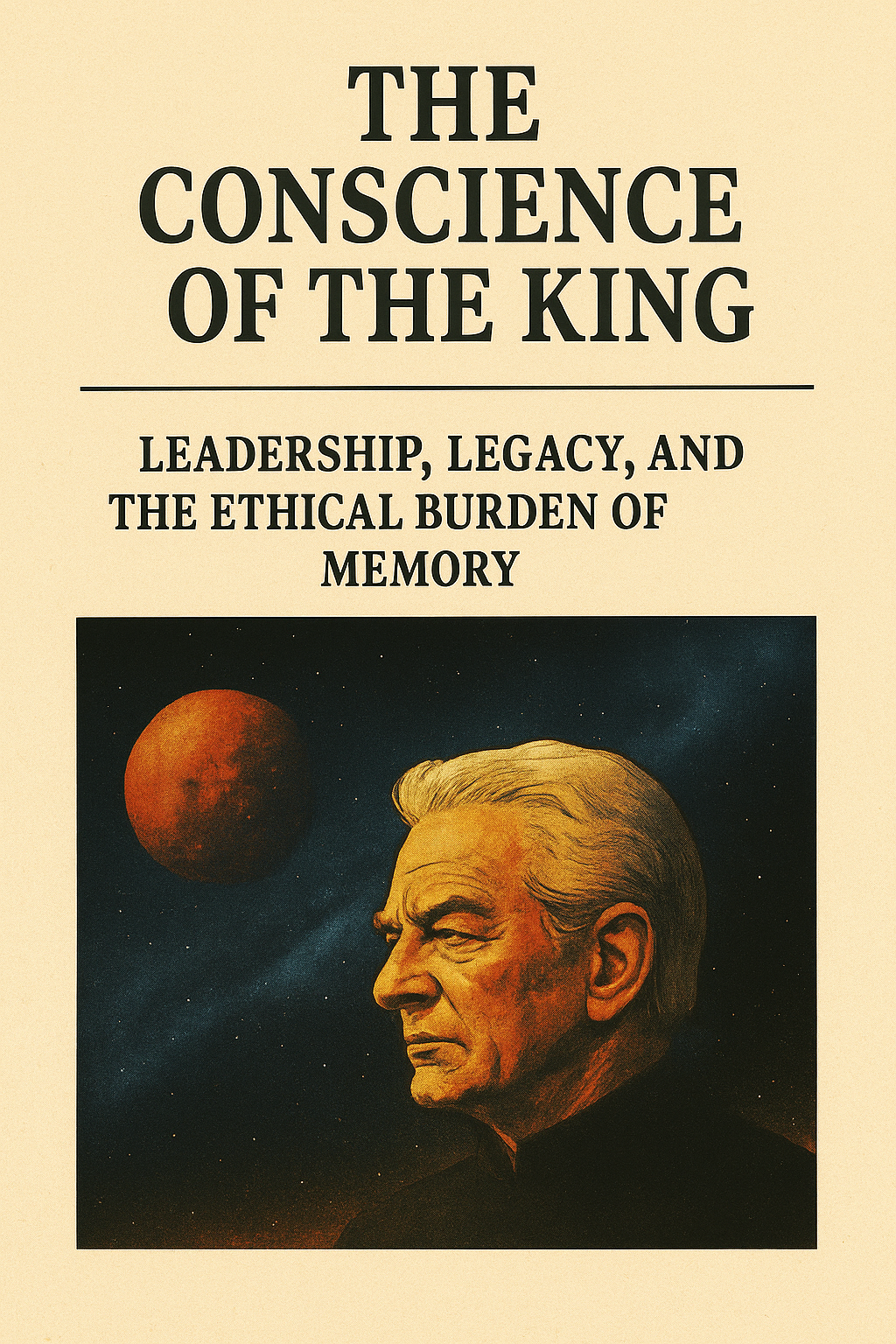
The Conscience of the King: Leadership, Legacy, and the Ethical Burden of Memory

Show Summary

Today, we turn our attention to The Conscience of the King. This Shakespeare-infused Star Trek story challenges Captain Kirk to grapple with the ethics of justice, mercy, and leadership responsibility. When Kirk suspects that the famed actor Anton Karidian is Kodos the Executioner, a governor responsible for ordering the deaths of 4,000 colonists years earlier, he must weigh vengeance, truth, and the costs of reopening old wounds.

As we unpack this story, we connect Kirk’s internal struggle and ethical decision-making to the real-world challenges compliance professionals face when confronting legacy misconduct, institutional cover-ups, and questions of redemption in corporate culture. We provide five key highlights for the compliance professional.

1. The Weight of Past Decisions—Leadership Never Forgets

Illustrated by: Kirk’s memory of witnessing the atrocities of Tarsus IV as a young man.

Leaders are shaped by what they have seen and experienced, as well as what they may have survived. Kirk’s commitment to uncovering the truth about Karidian isn’t about revenge; it’s about moral closure and honoring the memory of those lost. For compliance professionals, this serves as a reminder that legacy issues—whether they’re unresolved FCPA violations, historical human rights abuses, or systemic failures—do not simply fade with time. If anything, they cast a longer shadow. Ethical leadership requires confronting past wrongdoing with transparency and resolve. A failure to address yesterday’s misconduct risks undermining today’s culture. Institutional memory is not a burden, and it is a compass that should guide future ethical decisions.

2. Silent Complicity and Ethical Courage—Speak Up, Even Years Later

Illustrated by: Dr. Leighton’s insistence that Karidian is Kodos, despite the passage of time.

Dr. Leighton embodies the ethical courage it takes to speak the truth, especially when public interest has waned over time. His determination underscores a core compliance truth: there is no statute of limitations on accountability. When misconduct has caused real harm, silence becomes complicity. Leaders must create compliance cultures where reporting long-dormant concerns is viewed as a moral responsibility, not disloyalty or disruption. Whistleblower protections shouldn’t only apply to active employees but also encourage former employees, partners, or community stakeholders to come forward. Organizations must foster environments where the pursuit of truth is always welcome, regardless of how inconvenient or uncomfortable that truth may be.

3. Leadership and Doubt—Action Without Certainty

Illustrated byKirk’s internal struggle over whether Karidian is truly Kodos and whether justice still matters.

Kirk’s doubt is not a sign of weakness; it is a sign of leadership maturity. He could act rashly, but chooses restraint and investigation. This reminds compliance professionals that ethical decision-making often requires grappling with uncertainty. There won’t always be a perfect set of facts or unanimous agreement. However, delaying action indefinitely out of fear of being wrong can allow misconduct to persist. Effective compliance officers must learn to manage ambiguity, gather facts diligently, and still move forward with measured integrity. Courage lies not in having every answer but in taking ethical steps toward resolution, even when the path is unclear.

4. When the Next Generation Fails—Managing Succession and Oversight

Illustrated by: Lenore Karidian’s vigilante campaign to eliminate witnesses to her father’s past.

Lenore’s actions reflect a failure of ethical inheritance. Her misplaced loyalty to her father led her to believe that protecting his reputation, even through murder, was justified. This is what happens when leadership fails to instill ethical values in successors. For compliance leaders, it’s a cautionary tale: legacy is not only what you accomplish but also what you teach others to carry forward. Ethics must be embedded through mentoring, continuous training, and a succession plan that prizes transparency and accountability. Without intentional cultural transmission, the next generation may feel entitled to protect the institution’s image at the cost of truth and justice.

5. Justice vs. Mercy—Leadership Must Balance the Two

Illustrated by: Kirk’s decision not to kill Karidian but to hold him accountable through due process.

Kirk is presented with the opportunity to exact personal vengeance, but chooses institutional justice instead. His restraint highlights a critical ethical principle: leadership is not about indulging emotion but about modeling fairness and integrity. In the compliance world, it’s tempting to punish harshly to “make an example,” but true justice lies in proportionality and process. Compliance officers must strike a balance between the need for deterrence and the values of fairness, remediation, and restorative opportunity. Mercy is not weakness. It is a disciplined response rooted in ethical clarity. By refusing to be judge and executioner, Kirk upholds not just justice but the integrity of his leadership.

Final ComplianceLog Reflections

The Conscience of the King is more than a mystery; it is a meditation on the responsibilities of leadership and the ethics of remembrance. Compliance professionals often find themselves at the intersection of institutional memory and moral action. Whether addressing legacy misconduct, evaluating redemptive narratives, or confronting cover-ups, we must carry the same conscience Kirk bears: one rooted in justice, tempered by mercy, and guided by truth.

As we say in the world of compliance, investigate when others ignore the issue. Act when others hesitate. Lead when others bury the past.

Categories
Hill Country Hustlers

Hill Country Hustlers – The Journey of Starkey Pest Control

In the inaugural episode of the Hill Country Hustlers podcast, host Zachary Green interviews Starkey Green, the owner of Starkey Pest Control. Starkey shares his journey from growing up on a dairy farm in Gilmer, Texas, to moving to Kerrville and starting his own pest control business 26 years ago. He discusses his initial reluctance and eventual passion for helping people through pest control, as well as the evolution of his company to include weed control and fertilization services. Starkey also offers insights and tips for new entrepreneurs, emphasizes the importance of planning, communication, and hard work, and shares some humorous and challenging experiences from his career. The episode concludes with Starkey announcing the construction of a new office warehouse building scheduled to be completed by September.

Key highlights:

  • Starting Starkey Pest Control
  • Tips for Aspiring Entrepreneurs
  • Challenges and Overcoming Obstacles
  • The Importance of Planning
  • Managing a Team

Resources:

Zachary Green

Tom Fox on LinkedIn

Andrew Gay on LinkedIn

Texas Hill Country Podcast Network

Starkey Pest Control

Categories
Culture Crafters

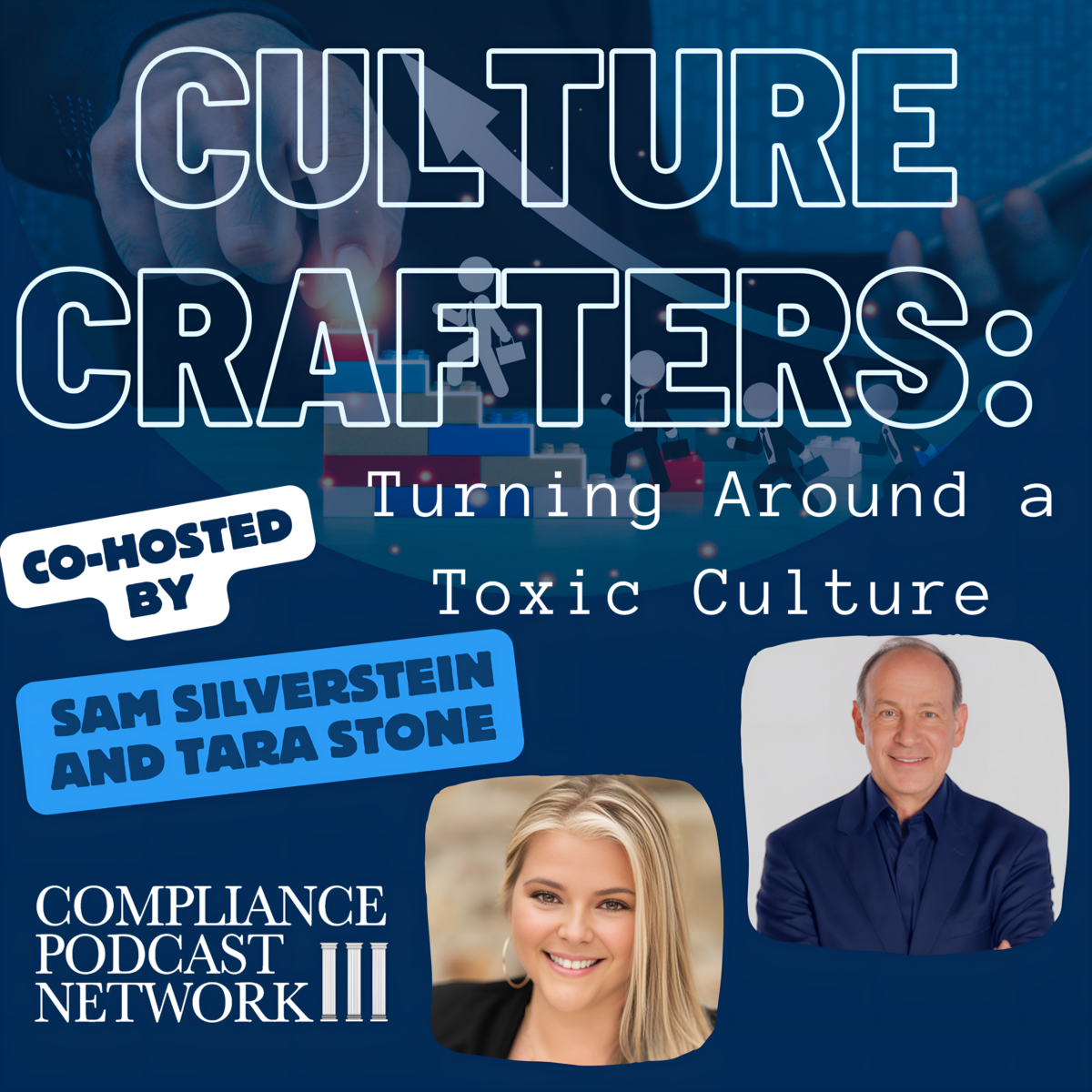
Culture Crafters – Navigating Business Volatility Through Corporate Culture

It is always interesting when the regulators catch up to the business world. That is what has happened around corporate culture. The Department of Justice is now assessing corporate culture for any company under investigation. Yet, more than simply complying with this mandate, companies should strive to cultivate the best culture possible. The reason is deceptively simple: the better the culture, the better the company. However, many business executives and even compliance professionals are unaware of how to create a culture that enables their employees, and thereby their organization, to implement such strategies. How can you unlock the power of a thriving workplace culture?

In this episode, host Tom Fox visits Sam Silverstein and Tara Stone to explore the impact of corporate culture on an organization’s ability to navigate volatile business environments, specifically using the recent tariff fluctuations as a backdrop. The conversation delves into how preemptively fostering a strong corporate culture can help companies withstand and even thrive during periods of significant change. Key emphasis is placed on the importance of trust, communication, accountability, and maintaining core values. Both Sam and Tara share insights on how leaders can prepare their organizations during stable times to better handle future challenges, drawing on their experiences and frameworks for building high-performance workplace cultures.

Key highlights:

  • Understanding Volatility in Corporate Culture
  • The Role of Trust in Navigating Volatility
  • Embracing Change and Overcoming Fear
  • Accountability and Leadership in Turbulent Times
  • Building Trust and Core Values

Resources:

Sam Silverstein

Sam Silverstein on LinkedIn

Sam Silverstein

The Culture Audit™

Tara Stone

Tara Stone on LinkedIn

Categories
Compliance Tip of the Day

Compliance Tip of the Day – COSO Framework

Welcome to “Compliance Tip of the Day,” the podcast that brings you daily insights and practical advice on navigating the ever-evolving landscape of compliance and regulatory requirements. Whether you’re a seasoned compliance professional or just starting your journey, our goal is to provide you with bite-sized, actionable tips to help you stay ahead in your compliance efforts. Join us as we explore the latest industry trends, share best practices, and demystify complex compliance issues to keep your organization on the right side of the law. Tune in daily for your dose of compliance wisdom, and let’s make compliance a little less daunting, one tip at a time.

What is the COSO 2013 Internal Controls Framework?

For more information on this topic, refer to The Compliance Handbook: A Guide to Operationalizing Your Compliance Program, 6th edition, recently released by LexisNexis. It is available here.

Categories
FCPA Compliance Report

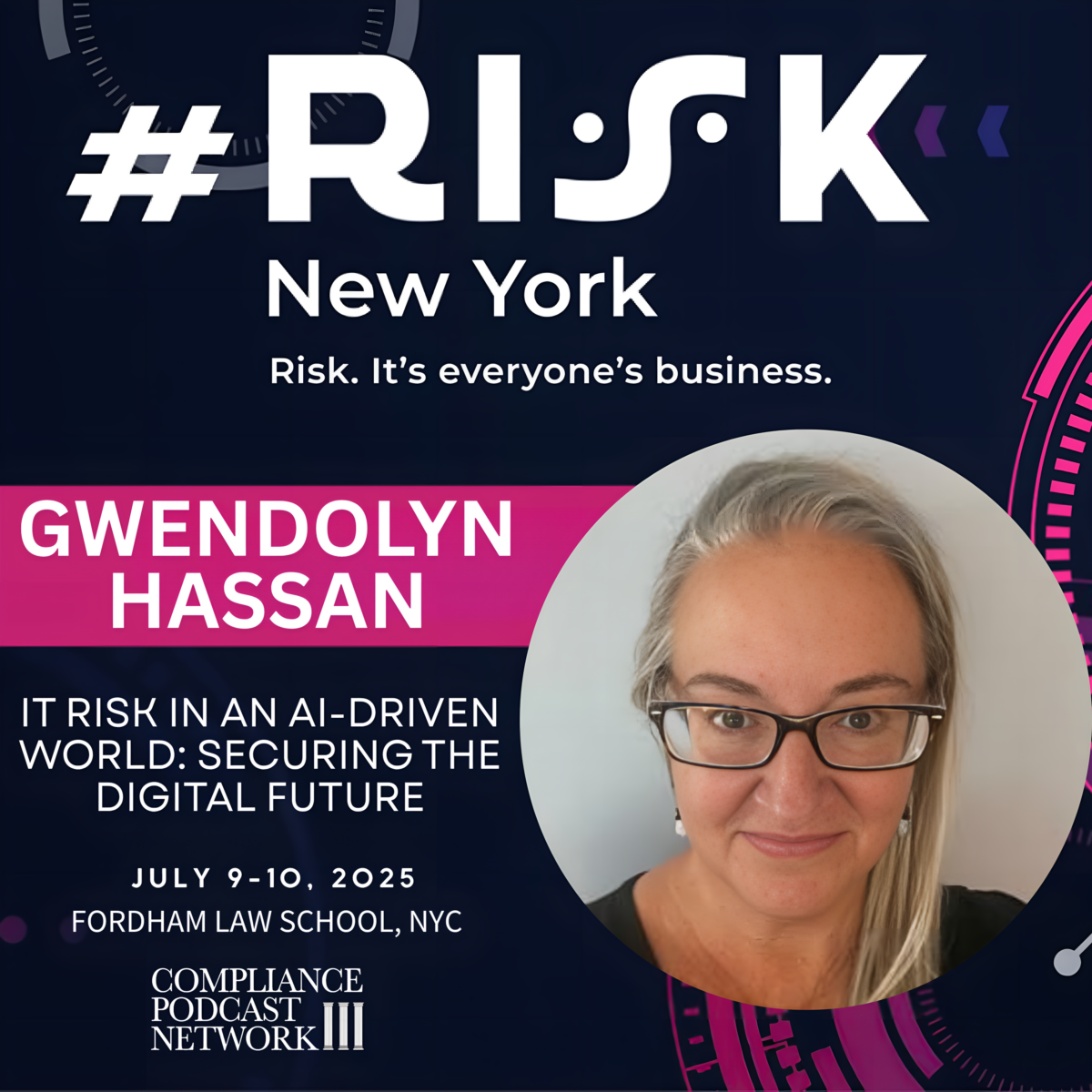
#Risk New York Speaker Series – Exploring AI Risks in Compliance with Gwen Hassan

Join Tom Fox and hundreds of other GRC professionals in the city that never sleeps, New York City, on July 9 & 10 for one of the top conferences around, #Risk New York. The current US landscape, shaped by evolving policies, rapid advancements in AI, and shifting global dynamics, demands adaptive strategies and cross-functional collaboration.

At #RISK New York, you will master the New Regulatory Reality by getting ahead of US regulatory shifts and their impact. Conquer AI and Tech Risk by Safeguarding Your Organization in an AI-Driven World and Understanding the Implications of Major Tech Investments. Navigate Financial and Crypto Volatility by Protecting Your Assets and Exploring Solutions in a Dynamic Market. Strengthen Your GRC Framework by Leveraging Governance, Risk, and Compliance for Strategic Advantage. Protect Digital Trust by addressing challenges in cybersecurity and data privacy, and combating misinformation. All while meeting with the country’s top #Risk management professionals.

In this episode, Tom Fox talks with Gwen Hassan, the Chief Compliance Officer for Unisys Corporation, about her role and the upcoming #RiskNYC conference. Gwen shares insights into Unisys’ operations, including the various technologies and services they provide, and highlights her responsibilities in managing global ethics, compliance, and trade compliance risks. She also gives a teaser about her panel presentation on the compliance and ethics risks associated with artificial intelligence, stressing the importance of understanding AI’s impact on company culture and regulatory compliance. Gwen expresses her excitement about the conference, emphasizing the value of engaging with fellow risk management experts.

Resources:

#Risk Conference Series

#RiskNYC—Tickets and Information

Gwen Hassan on LinkedIn

Categories
Fox on Podcasting

Fox on Podcasting – Rory Paquette on Elevating Podcasters and the Power of Vulnerability

Join Tom Fox as he explores the world of podcasting, and get ready to be inspired to start your podcast. In this episode, Tom welcomes Rory Paquette, host of several podcasts, including The Podcaster Nation and Power of Man.

Rory shares his journey from sales to podcasting and his mission to elevate and unify the podcasting community. He discusses the challenges and successes of his various shows, the importance of creating a safe space for men to be vulnerable, and his belief that every business should have a podcast. Rory also provides insights into what makes a good podcast host, the value of engaging with social media, and his experiences with PodMatch. The conversation examines the impact of his work on listeners and the broader podcasting community.

Key highlights:

  • Rory’s Mission in Podcasting
  • The Podcaster Nation Vision
  • The Appeal of Podcasting
  • Podcasting as a Business Tool

Resources:

Rory Paquette on Facebook

The Power of Man Podcast

The Podcast Nation Podcast

Artwork

Elaine Capers

Art by Elaine

Tom

Instagram

Facebook

YouTube

Twitter

LinkedIn