Categories
TechLaw10

TechLaw10: Predictions for 2026

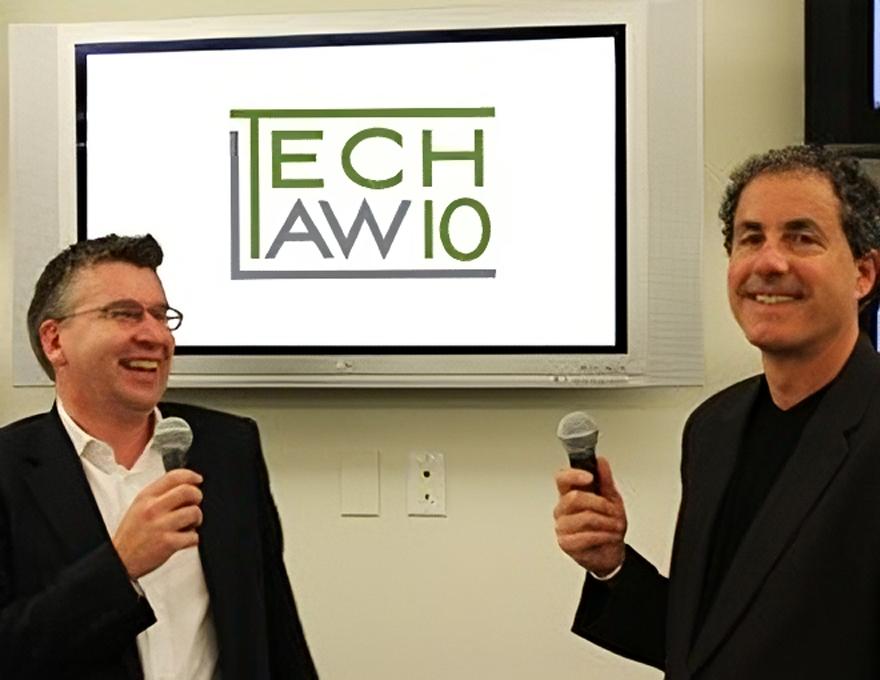
In this film, Punter Southall Law’s Jonathan Armstrong & Prof. Eric Sinrod discuss their predictions for 2026. This is episode 296 in the popular TechLaw10 series. You can listen to earlier podcasts here. Eric & Jonathan also talk about:

  • AI laws & regulation + the patchwork nature of AI law in the US
  • AI vacuums & AI-assisted search (see the article here)
  • Political responses to AI, including the Grok nudification scandal, TikTok separation & DeepSeek
  • Changes to US rules on patents
  • The issues with Shadow AI
  • The rise in vendor compromises & cybersecurity challenges
  • The chances of the EU Digital Omnibus passing
  • Changes to data privacy enforcement, including in Indiana, Kentucky & Rhode Island
  • How sanctions can affect the tech landscape
  • The dangers of hallucinations, aka AI lying

Resources:

There are FAQs on the EU AI Act here

A glossary of AI terms is also available here.

There’s also a summary of Italy’s new AI law here.

Our previous podcast on AI literacy is here. Jonathan talks briefly about his work on the NYSBA AI Task Force. Details can be found here.

Eric Sinrod’s details can be found here, and Jonathan Armstrong’s details are available here.

The TechLaw10 LinkedIn group is here.

Categories
TechLaw10

TechLaw10: AI in Healthcare – Risks & Responsibilities

In this film, Punter Southall Law’s Jonathan Armstrong discusses AI in healthcare with Eric Sinrod, a California professor and attorney at Duane Morris LLP. They are joined by Rachel Sveiven, a Medical Student who has written a paper on the AI issues in medicine. This is episode 296 in the popular TechLaw10 series. You can listen to earlier podcasts here. Rachel starts by talking about some of the issues with AI in healthcare. Rachel, Eric, & Jonathan also talk about:

  • Liability for AI & for misdiagnosis
  • The issues of misdiagnosis, overdiagnosis, overtesting, & the role of chatbots
  • Whether AI prompts are disclosable
  • The issues with training data
  • Positive uses for AI
  • Issues with healthcare disparity
  • The need for care when gathering patient data

There is also a glossary of AI terms here, and Jonathan refers to the G v. K case here. He also discusses a data protection investigation into the collection of kidney disease data, available here. Our previous podcast on AI literacy is here.

Eric Sinrod’s details can be found here, and Jonathan Armstrong’s details are available here.

The TechLaw10 LinkedIn group is here.

Categories
Data Driven Compliance

Data Driven Compliance – Understanding the ECCTA and Its Impact with Jonathan Armstrong

Welcome to Season 2 of the award-winning Data Driven Compliance. In this new season, we will look at the new Failure to Prevent Fraud offense. Join host Tom Fox as we explore this new law and how to comply with it through the lens of data-driven compliance. This podcast is sponsored by konaAI. In this episode of Season 2, Tom Fox is joined by Jonathan Armstrong.

Tom and Jonathan explore the historical context of fraud laws in the UK, the specifics and implications of the new legislation, the role of the Serious Fraud Office under the new rules, and its impact on corporations, especially those with international operations. Jonathan also outlines necessary steps corporations need to take to comply with the Act and prevent fraud within their organizations, including the importance of thorough risk assessments, top-level commitment, and effective communication and training programs.

Key highlights:

  • Key Legal Points of the New Law
  • Jurisdiction and Global Impact
  • Fraud Risk Assessment and Prevention
  • Technological and ESG Fraud

Resources:

Jonathan Armstrong on LinkedIn

konaAI, a Covasant company

Click here for konaAI White Paper Rethinking Compliance: Practical Steps for Adapting to the UK’s New Fraud Legislation

Connect with Tom Fox on LinkedIn

Categories
TechLaw10

TechLaw10: AI Literacy – What Is It & How Do We Get There?

In this film, Jonathan Armstrong of Punter Southall Law discusses AI literacy with Eric Sinrod, a professor and attorney at Duane Morris LLP in California. This is episode 293 in the popular TechLaw10 series. You can listen to earlier podcasts here. Jonathan talks about literacy under the EU AI Act. FAQs are available here: https://bit.ly/euaifaq. There is also a glossary of AI terms here:

Jonathan Eric also talk about:

  • Facial Recognition & Surveillance
  • The EU Data Act
  • AI in Recruitment (covered previously here.)
  • AgenticAI (covered previously here)
  • Personal Liability
  • AI Affecting Social Change

Jonathan talks about his work on the NYSBA AI Task Force. Details can be found here.

You can learn more about Eric at Duane Morris LLP, and Jonathan here at Punter Southall Law

Connect with the Compliance Podcast Network at:

LinkedIn

Facebook

YouTube

X (formerly Twitter) 

Instagram

Website

Categories
TechLaw10

TechLaw10 – AI: New Laws in the US & Enforcement in Europe

In this film, Punter Southall Law’s Jonathan Armstrong discusses new AI laws with Eric Sinrod, California professor and attorney at Duane Morris LLP. This is episode 292 in the popular TechLaw10 series. You can listen to earlier podcasts at Duane Morris. The podcast starts with a round-up from Eric of the latest legal proposals in California dealing with issues, including AI concerns over:

  • Deepfakes
  • Identity Theft
  • Digital Replicas (including of the dead)
  • Elections
  • Healthcare
  • Watermarking for AI-generated Content
  • AI Voice Messages & Calls

Jonathan talks about the EU AI Act. There are FAQs on that here: https://bit.ly/euaifaq. There is also a glossary of AI terms here: https://puntersouthall.law/insights/eu-ai-act-glossary/. Jonathan looks at a round-up of recent GDPR cases involving AI, including cases relating to:

  • ChatGPT/OpenAI
  • Grok/X
  • ReplikaAI
  • Deepseek
  • Google
  • Deliveroo
  • Foodinho
  • ClearviewAI
  • Budapest Bank

Jonathan also talks about recent UK AI regulation announcements from Minister Peter Kyle. He discusses the need for those running businesses to take a balanced view of AI, including taking risks with AI in some cases to promote the business. Jonathan talks about the NYSBA AI Task Force. There are details of that here: https://nysba.org/app/uploads/2022/03/2024. Jonathan also talks about regulatory findings against Deepseek in South Korea. The details are here https://www.pipc.go.kr/np/

You can learn more about Eric at Duane Morris LLP: https://www.duanemorris.com/attorneys/ericjsinrod.html and Jonathan here at Punter Southall Law: https://puntersouthall.law/about-us/jonathan-armstrong/

Connect with the Compliance Podcast Network at:

LinkedIn: https://www.linkedin.com/company/compliance-podcast-network/

Facebook: https://www.facebook.com/compliancepodcastnetwork/

YouTube: https://www.youtube.com/@CompliancePodcastNetwork

Twitter: https://twitter.com/tfoxlaw

Instagram: https://www.instagram.com/voiceofcompliance/

Website: https://compliancepodcastnetwork.net/

Categories
Blog

AI in Recruitment: Compliance Challenges and Opportunities

Compliance officers increasingly deal with emerging technologies in today’s business environment, and artificial intelligence (AI) is undeniably at the forefront. Among the numerous applications of AI, its deployment in recruitment is rapidly becoming one of the most significant and controversial topics compliance professionals need to navigate. The reason for the spotlight is clear. AI-driven recruitment tools promise substantial efficiency gains, automating tedious processes such as CV screening, initial interviews, and candidate ranking. However, this automation does not come without significant compliance and ethical pitfalls. The implications are vast, involving transparency, fairness, accuracy, and potential biases, each presenting substantial regulatory and reputational risks.

Jonathan Armstrong and I recently explored the issues surrounding the use of AI in corporate recruiting in a recent episode of Life with GDPR. This blog post is based on our discussion. For more information, I invite you to check out the full episode.

The Compliance Landscape: EU, UK, and US Perspectives

The regulatory perspective surrounding AI in recruitment varies significantly, but a general compliance framework exists through the General Data Protection Regulation (GDPR) in Europe. GDPR lays foundational principles such as transparency, fairness, accuracy, and accountability, directly impacting how AI systems must operate in talent acquisition. In the United States, state-level regulations addressing automated recruitment systems are also beginning, reflecting a broader global trend toward stronger regulatory scrutiny of these technologies.

Armstrong highlighted that enforcement is becoming more pronounced. Spain, for example, has seen regulatory actions requiring companies benefiting from AI-driven processes to articulate the basis for automated decisions clearly. The UK’s regulator explicitly notes recruitment as an area under active scrutiny, emphasizing the significance compliance professionals must attach to these practices.

Transparency and Fairness: Essential Compliance Considerations

Transparency in AI systems, particularly in recruitment, is more than a regulatory requirement; it is an ethical imperative. Under GDPR, a candidate who is rejected by an automated system is entitled to understand the basis for that decision. Simply stating “the algorithm decided” will not suffice. Organizations must be prepared to provide candidates with clear, intelligible explanations about how decisions were reached, which inherently involves unpacking the often opaque nature of AI processes.

The challenge is compounded by machine learning technologies, where decision pathways evolve dynamically. Unlike rule-based systems, the internal workings of machine learning-driven AI can be complex, making it difficult, even impossible in some instances, for companies to understand or explain their decision-making criteria fully. This opacity can lead to bias, discrimination, and unfair treatment accusations.

Bias and Discrimination: A Risk Too Real

The specter of bias and discrimination looms large with AI recruitment tools. Systems have been reported to inadvertently penalize candidates for factors unrelated to their competencies or skills, such as internet connection quality during virtual interviews. For instance, a candidate could be unfairly penalized if their internet connectivity is unreliable, leading AI systems to interpret technical delays as hesitancy or lack of confidence wrongly. This subtle discrimination disproportionately affects individuals from lower socioeconomic backgrounds, exacerbating existing inequalities.

Moreover, disturbing parallels can be drawn from AI decision-making in areas such as bail applications in the US, where biases based on ethnicity or racial profiling have resulted in unjust outcomes. The risk of similar biases entering recruitment processes cannot be underestimated, underscoring the need for vigilant compliance oversight.

Proactive Compliance: Essential Steps for Mitigation

Given these concerns, compliance officers cannot afford to adopt a passive stance. The issue of AI in recruitment is far too consequential to be left solely in the hands of HR departments or recruitment agencies. Compliance teams must proactively engage to ensure that all AI applications used in their organizations or by their third-party vendors are compliant, transparent, and fair.

Armstrong proposed the following framework compliance professionals can adopt to manage the risks of using AI in their recruiting process.

  1. Vet AI Providers Rigorously
  2. Not all AI vendors operate equally. Compliance professionals should avoid opaque, “black-box” solutions and favor providers willing and able to demonstrate transparent practices.
  3. Comprehensive Due Diligence
  4. Conduct meticulous due diligence on AI recruitment vendors. This includes verifying their ability to comply with GDPR transparency and fairness principles and their willingness to cooperate fully with subject access requests.
  5. Contractual Protections
  6. Ensure comprehensive contracts with AI recruitment providers that allocate responsibilities clearly and provide sufficient recourse in case of litigation or regulatory action. The provider must be incentivized to maintain stringent compliance standards.
  7. Transparency Obligations
  8. Communicate to candidates how AI systems will process their data. The GDPR demands openness; hence, organizations must disclose the use of AI tools, how decisions are made, and the implications for candidates.
  9. Robust Data Subject Request Procedures
  10. Compliance teams must have effective, responsive mechanisms for handling data subject requests swiftly. Candidates dissatisfied with recruitment decisions frequently resort to GDPR subject access requests, creating significant administrative and compliance burdens.
  11. Regular Auditing and Checks
  12. Establish ongoing monitoring and periodic audits to continually assess AI recruitment tools. This process helps ensure that the systems adhere to compliance principles and remain free from bias or unethical decision-making patterns.
  13. Educate and Engage Internally
  14. Compliance professionals should engage closely with internal stakeholders, educating HR teams and recruiters on the implications of AI and compliance expectations. Internal awareness significantly mitigates the risk of non-compliance and encourages proactive risk management.

Looking Ahead: Staying Vigilant and Informed

The compliance landscape for AI in recruitment is undoubtedly complex, and the stakes are high. As Armstrong emphasizes, regulatory scrutiny is set to intensify, making it imperative for compliance teams to stay ahead of developments. Vigilance, proactive engagement, and informed awareness are key to successfully navigating these challenges.

This field remains ripe for academic and regulatory inquiry. More comprehensive research and analysis into AI’s implications on recruitment fairness, bias, and effectiveness would benefit organizations and compliance practitioners. Compliance professionals should watch developments closely and contribute actively to discussions, research, and policy development in this dynamic area.

AI in recruitment offers immense promise and substantial compliance challenges. Proactively addressing these issues ensures regulatory adherence and upholds corporate ethical standards, which are crucial in maintaining brand integrity and public trust. Compliance officers, thus, play a pivotal role in guiding their organizations through this rapidly evolving technological frontier.


Categories
Life with GDPR

Life With GDPR: Episode 113 – AI in Recruitment: Navigating GDPR Compliance and Challenges

Tom Fox and Jonathan Armstrong, renowned cybersecurity experts, co-host the award-winning Life with GDPR. This episode explores the complex intersection of AI and recruitment, focusing on compliance challenges under GDPR and potential risks.

Jonathan highlights that AI is often more prevalent in recruitment processes than many compliance officers realize, often through third-party vendors. He discusses the regulatory landscape in the UK and EU, sharing insights on recent cases related to automated decision-making and the transparency required for such systems. Jonathan offers a seven-point plan for organizations that use or are considering using AI in recruitment, covering provider selection, due diligence, transparency obligations, and mechanisms for handling data subject requests. The conversation underscores the need for proactive engagement between data protection officers, compliance teams, and recruiters to ensure that AI tools are used responsibly and transparently.

Key takeaways:

  • AI in Recruitment: An Overview
  • Legal and Ethical Concerns
  • Transparency and Fairness in AI Decisions
  • Practical Steps for Companies
  • Future of AI in Recruitment

Resources:

Connect with Tom Fox

Connect with Jonathan Armstrong

Life with GDPR was recently honored as a Top Data Security Podcast.

Categories
TechLaw10

TechLaw10: Agentic AI – What Is It & What Are The Risks?

In this film, Punter Southall Law’s Jonathan Armstrong discusses Agentic AI with Professor Eric Sinrod from his home in California. This is episode 291 in the popular TechLaw10 series.

The podcast includes top tips to help avoid issues when using Agentic AI. Jonathan & Eric discuss various aspects of the law’s impact on Agentic AI, including:

  • data location issues after regulatory activity against Deepseek
  • transparency
  • due diligence
  • decision-making in light of a recent ECJ decision
  • the impact of the EU AI Act
  • patent risk & other disclosure risks
  • bias & discrimination
  • existing laws like sanctions, procurement & IP

Jonathan also looks at a 3-step plan to reduce risk

  • understand the tech
  • look at rule setting for agents
  • consider a human in the loop, at least initially

Jonathan talked about the EU AI Act. There are FAQs on that here: The EU Artificial Intelligence Act. There is also a glossary of AI terms here: EU AI Act Glossary: Key terms & acronyms.

Jonathan discusses a recent ECJ judgment involving automated decision-making, and Eric discusses a case involving a hearing-impaired job applicant.

You can learn more about Eric at Duane Morris LLP: https://www.duanemorris.com/attorneys/ericjsinrod.html and Jonathan here at Punter Southall Law: https://puntersouthall.law/about-us/jonathan-armstrong/

Connect with the Compliance Podcast Network at:

LinkedIn: https://www.linkedin.com/company/compliance-podcast-network/

Facebook: https://www.facebook.com/compliancepodcastnetwork/

YouTube: https://www.youtube.com/@CompliancePodcastNetwork

Twitter: https://twitter.com/tfoxlaw

Instagram: https://www.instagram.com/voiceofcompliance/

Website: https://compliancepodcastnetwork.net/

Categories
TechLaw10

TechLaw10: Online Fraud & How to Stop It

In this film, Punter Southall Law’s Jonathan Armstrong discusses social media with Professor Eric Sinrod from his home in California. This is episode 290 in the popular TechLaw10 series. You can listen to earlier podcasts here: https://www.duanemorris.com/site/techlaw10.html. The podcast includes top tips to help prevent and respond to online fraud.

Jonathan & Eric discuss various aspects of online fraud, including:

  • phishing
  • vishing
  • deepfakes
  • advanced fee scams
  • CEO scams
  • job scams
  • debt-related scams
  • tech support scams
  • romance scams
  • charity scams
  • strategies for organizations to guard against online fraud

Jonathan talked about the Matrix Freedom litigation. You can find out more about that here: https://taxpolicy.org.uk/2024/06/08/matrix_freedom_scamming_vulnerable_people/. Mr. Stamp’s nonsensical response to the proceedings against him is here: https://taxpolicy.org.uk/wp-content/assets… Jonathan also talks about professional advice for accounting professionals on preventing invoice fraud. There is an example here: https://www.icaew.com/insights/viewpoints-on-the-news.

You can learn more about Eric at Duane Morris LLP: https://www.duanemorris.com/attorneys/ericjsinrod.html and Jonathan here at Punter Southall Law: https://puntersouthall.law/about-us/jonathan-armstrong/

Connect with the Compliance Podcast Network at:

LinkedIn: https://www.linkedin.com/company/compliance-podcast-network/

Facebook: https://www.facebook.com/compliancepodcastnetwork/

YouTube: https://www.youtube.com/@CompliancePodcastNetwork

Twitter: https://twitter.com/tfoxlaw

Instagram: https://www.instagram.com/voiceofcompliance/

Website: https://compliancepodcastnetwork.net/


Categories
Fox on Podcasting

Fox on Podcasting – Celebrating Excellence in Podcasting in the International Arena

Join Tom Fox as he explores the world of podcasting, and get ready to be inspired to start your podcast. Today, we begin a three-part series on honoring excellence in podcasting and the Agora Awards. We visit with Ajay Shamdasani and Jonathan Armstrong, both award-winning international podcasters.

In this inaugural episode of the Compliance Podcast Network Agora Awards, Tom introduces two guests, Ajay Shamdasani and Jonathan Armstrong, both leaders in compliance and podcasting. Ajay, a veteran writer, editor, and researcher based in Hong Kong, discusses his background, the inception of his podcasting career, and the themes explored in his shows Regulatory Ramblings and Reglex Perspectives. His approach emphasizes the art of conversation and engaging discussions on law, regulation, and technology.

Jonathan Armstrong, a UK data privacy and protection expert, shares insights into his podcasting journey with shows like Life with GDPR and Tech Law 10. He elaborates on how his background in broadcasting as a child influenced his podcasting style today. The conversation explores the role of podcasting in compliance, the challenges and rewards of starting and maintaining a podcast, and key moments from their podcasting careers, including hard-hitting episodes on modern slavery and AI.

Key highlights:

  • Ajay’s Podcasting Journey and Insights
  • Jonathan’s Podcasting Journey and Insights
  • The Art of Podcasting: Strategies and Reflections
  • The Podcasting Scene in Asia
  • The Podcasting Scene in the UK and EU
  • Podcasting Highlights and Memorable Moments

Resources:

Ajay Shamdasani

Regulatory Ramblings (a joint production of HKU’s Faculty of Law and FinTech Academy)

The Reglex Perspective (produced by Reglex)

LinkedIn Profile

Heart of the Matter (produced by Conventus Law)

Jonathan Armstrong

Life with GDPR

Tech 10 Law

Punter Southall

LinkedIn Profile