Categories
Blog

The Enemy Within: 5 Takeaways for the Compliance Professional

In this article, we examine “The Enemy Within,” which aired on October 6, 1966, at Start Date 1672.1.

One of the most psychologically compelling episodes of Star Trek to date: “The Enemy Within.” A transporter malfunction splits Captain Kirk into two versions of himself—one good, one evil—each representing different aspects of leadership, impulse, and integrity. As the crew struggles to respond to the fractured captain, we are given a front-row seat to the ethical breakdowns and Me Too-era lessons still resonant today. We examine five key compliance takeaways from this tale of divided identity, linking them directly to scenes aboard the Enterprise that illustrate what happens when power is unmoored from principle and when both technical and ethical control systems fail.

Compliance Takeaways

1. The Dangers of Unchecked Power—When ‘Authority’ Becomes Assault

🖖 Illustrated by: Evil Kirk attacking Yeoman Janice Rand in her quarters.

One of the most disturbing moments in early Trek canon, this assault serves as a stark warning about the abuse of power. Evil Kirk resembles the captain and carries his authority, but lacks a conscience. It’s a Me Too moment that reveals the need for every organization to install guardrails—even around its most powerful figures. Compliance must include mechanisms to protect the vulnerable from those who misuse rank or influence.

2. Ethical Decision-Making Requires Wholeness—The Fragmented Leader Can’t Lead.

🖖 Illustrated by: Good Kirk losing decisiveness and compassion, becoming indecisive.

As “good” Kirk weakens, Spock and McCoy realize that without the aggressive, assertive part of his personality, the captain cannot lead. This reinforces the idea that ethical leadership is not about being soft—it’s about balance. Compliance leaders need the courage to act and the heart to guide. Ethical strength is integrative, not binary.

3. Crisis Response and Chain of Command—When Leadership Wavers, Chaos Breeds

🖖 Illustrated by: Evil Kirk taking the bridge and ordering the ship away from orbit.

With no one certain which Kirk is in control, the crew becomes vulnerable to manipulation. This episode serves as a cautionary tale about the importance of clarity in the chain of command and protocols for handling leadership incapacitation. In corporate compliance, crisis scenarios must anticipate rogue actors with access to decision-making tools.

4. Investigating Allegations—Belief, Process, and Support Matter

🖖 Illustrated by: Spock and McCoy interviewing Rand after her assault.

Their interview is subtle but painful. The tension of believing victims, navigating hierarchical power structures, and confronting uncomfortable truths is deeply relevant today. A strong compliance program ensures that all allegations are taken seriously, investigated professionally, and addressed with empathy and integrity.

5. Reintegration and Remediation—Restoring What Was Broken

🖖 Illustrated by: The merging of good and evil Kirk through a restored transporter.

Rebuilding trust—and a unified identity—requires technology, trust, and time. Just as Kirk must reabsorb the parts of himself to lead again, organizations recovering from misconduct must integrate the lessons learned into their culture, policies, and leadership. The end goal isn’t punishment alone—it’s the restoration of ethical function.

Final Starlog Reflections

The Enemy Within is more than a science fiction tale. It’s a mirror to every compliance program, showing us how quickly things unravel when power is unrestrained, when voices are ignored, and when organizations fail to integrate strength with morality. It’s also a hopeful reminder that even fractured systems can be repaired—if we face the truth with clarity and courage.

Resources:

⁠Excruciatingly Detailed Plot Summary by Eric W. Weisstein⁠

MissionLogPodcast.com

⁠Memory Alpha⁠

Categories
Trekking Through Compliance

Trekking Through Compliance: Episode 4 – Ethics and Leadership from The Naked Time

In this episode of Trekking Through Compliance, we consider The Naked Time, which aired on September 29, 1966, Star Date 1704.2. In this episode of Trekking Through Compliance, we beam aboard the Enterprise as it orbits Psi 2000—a dying planet and ground zero for one of the most revealing episodes in the Star Trek canon. When a mysterious contagion strips away the crew’s inhibitions, what follows is a masterclass in the importance of ethical behavior, self-control, and leadership under pressure. This episode, ‘The Naked Time,’ is not simply a sci-fi drama; rather, it is a vivid case study of what happens when a culture of compliance fails, and chaos creeps onto the bridge.

Story

A landing party from the Enterprise beams aboard Psi 2000, an ancient planet about to break up. They find all six of the crewmen manning the station dead. However, the circumstances are bizarre, as the life support systems have been switched off and everything in the station is frozen solid.

As Psi 2000 shows a shift in a magnetic field (and mass!), the Enterprise begins a close orbit requiring constant vigilance. Meanwhile, Sulu abandons his post for a jaunt at the gym, believing himself to be a rapier-brandishing French cavalier. Riley takes over the engine room and declares himself captain. He demands ice cream for the entire crew and begins a ship-wide broadcast of his rendition of classic Irish ballads (his favorite being “Kathleen”).

While all this is happening, Nurse Chapel infects Spock and professes to love him. This is extremely difficult for Spock, especially since the infection is making him excessively emotional. Spock then passes the infection on to Kirk, who begins exhibiting paranoia and loss of ability to command. Bones finds the antidote just in time, and Riley is dislodged before the audience’s ears are permanently damaged by his wrenching ballads.

After mixing matter and antimatter at a temperature colder than recommended, according to an untested intermix formula, the Enterprise is thrown into a time warp, causing the chronometer to run backwards. This allows the Enterprise to escape the planet’s breakup, returning it 71 hours into the past and, therefore, before any events.

Key highlights:

1. The Importance of Self-Control—Emotion Is Not a Governance Strategy

🖖 Illustrated by: Spock breaking down in tears after being infected, paralyzed by emotional conflict. 

2. Accountability—There Are No Passengers on the Bridge

🖖 Illustrated by: Kirk’s descent into paranoia and doubt, undermining his command authority. 

3. Transparency—Hidden Failures Breed Organizational Chaos

🖖 Illustrated by: The landing party’s mishandling of infection protocols. 

4. Respect for Others—Ethics Are About Boundaries

🖖 Illustrated by: Nurse Chapel’s emotional outburst to Spock and Sulu’s delusional antics on the bridge. P

5. Ethical Leadership—Who Leads When the Leaders Falter?

🖖 Illustrated by: Riley seizing control of engineering and broadcasting Irish ballads across the ship. 

Final Starlog Reflections

The Naked Time is a wild, unforgettable reminder that when compliance fails, chaos reigns—but also that every ethical failure is an opportunity to learn, rebuild, and recommit. It’s a cautionary tale wrapped in fencing sabres, teardrops, and space-time distortion, and it holds more relevance today than ever.

Resources:

Excruciatingly Detailed Plot Summary by Eric W. Weisstein

MissionLogPodcast.com

Memory Alpha

Fiona is an AI-generated voice

Categories
Trekking Through Compliance

Trekking Through Compliance – Episode 8 – Miri

In this episode of Trekking Through Compliance, we consider the episode Miri, which aired on October 27, 1966, Star Date 2713.5. In this episode of Trekking Through Compliance, we explore one of the eeriest and most profound cautionary tales in the Star Trek canon: “Miri.” When the crew responds to a distress signal from a planet that’s an exact duplicate of Earth, they find a society ravaged by a failed experiment in human longevity. Only children remain, while the adults, the “grups,” have all died from a virulent disease.

This haunting story is not simply science fiction. It is a case study of what happens when risk management is treated as an afterthought. We draw parallels between the biohazard breakdowns on the planet and the kinds of failures that modern compliance officers must guard against, whether in public health readiness, supply chain risk, or workforce welfare.

Episode Summary

A disfigured man attacks a landing party, who die after Kirk strikes him. They discover a preadolescent, Miri, who ran away from them because “grups” kill and maim children before dying. She and her friends are “onlies,” the only ones left. The distress call is traced to an automated signal. The landing party, except for Spock, notices purple lesions on their bodies; Miri tells them that these are the first signs of the disease, and they will soon develop into the same condition as the other adults. When the disease begins, its victims have seven days to live. Although Spock is immune, he considers himself a carrier who could infect the Enterprise if he returns.

Back on the Enterprise, after vaccinating everyone and leaving the children in the care of a medical team, Kirk sends for teachers and advisers to help the children improve their lives.

Key highlights:

1. Disaster Preparedness—A Cure Without a Contingency Plan

🖖Illustrated by: The civilization’s experiment to extend life, which instead wipes out all adults.

This central failure underscores the risks associated with scientific advancement that lacks proper risk assessment. The developers had no fallback, no regulatory oversight, and no crisis management framework in place. For compliance professionals, this serves as a reminder that innovation must be paired with effective scenario planning and disaster recovery protocols.

2. Environmental and Public Health Compliance—Invisible Risks Become Existential Threats

🖖Illustrated by: The crew’s infection with the disease upon beaming down, with lesions appearing days later.

This serves as a metaphor for health and safety non-compliance. Enterprises must be vigilant about how workplace conditions, unseen hazards, and biological risks can impact staff and operations. Proactive monitoring and rapid-response mechanisms are essential components of any risk management strategy.

3. Data Governance and Early Warning Systems—Responding Too Late

🖖Illustrated by: The automated distress signal continued even though no adult survivors remained.

The signal was still active, but no one was listening until it was far too late. In modern organizations, this is equivalent to ignoring audit logs, internal control alerts, or whistleblower reports that go unread. A culture of attentiveness to data and signals is crucial to catching issues before they cascade.

4. Supply Chain Risk—Critical Resource Shortages in the Field

🖖Illustrated by: The crew’s struggle to develop a cure with limited time, no labs, and deteriorating conditions.

Kirk and McCoy were caught without adequate resources. This scenario mirrors the real-world risks companies face when they lack redundancy in their supply chains, fail to conduct thorough vendor audits, or fail to plan for logistical disruptions. A robust compliance framework includes stress-testing the supply chain for resilience under duress.

Employee Welfare and Isolation—Psychological and Ethical Concerns in Hazard Zones

🖖Illustrated by: Spock’s decision not to return to the Enterprise due to the risk of contamination.

Spock’s sacrifice is a model of ethical risk containment. In any risk environment, whether it is a pandemic, data breach, or financial misconduct, companies must empower employees to make ethically sound decisions while providing mental health support for those isolated by crisis response roles.

Final Starlog Reflections

Miri is a chilling illustration of what happens when ambition outpaces ethics and planning. The children left behind are the victims of a society that prioritizes progress over protection. For compliance professionals, this episode serves as a vivid reminder that a well-crafted compliance program is not just about preventing misconduct—it’s about preparing for the unknown.

Resources

Excruciatingly Detailed Plot Summary by Eric W. Weisstein

MissionLogPodcast.com

Memory Alpha

Categories
Trekking Through Compliance

Trekking Through Compliance – Episode 4 – Ethics and Leadership from The Naked Time

In this episode of Trekking Through Compliance, we consider The Naked Time, which aired on September 29, 1966, Star Date 1704.2. In this episode of Trekking Through Compliance, we beam aboard the Enterprise as it orbits Psi 2000—a dying planet and ground zero for one of the most revealing episodes in the Star Trek canon. When a mysterious contagion strips away the crew’s inhibitions, what follows is a masterclass in the importance of ethical behavior, self-control, and leadership under pressure. This episode, ‘The Naked Time,’ is not simply a sci-fi drama; rather, it is a vivid case study of what happens when a culture of compliance fails and chaos creeps onto the bridge.

Story

A landing party from the Enterprise beams aboard Psi 2000, an ancient planet about to break up. They find all six of the crew manning the station dead. However, the circumstances are bizarre since the life support systems have been switched off, and everything in the station is frozen solid.

As Psi 2000 shows a shift in a magnetic field (and mass!), the Enterprise begins a close orbit requiring constant vigilance. Meanwhile, Sulu abandons his post for a jaunt at the gym, believing himself to be a rapier-brandishing French cavalier. Riley takes over the engine room and declares himself captain. He demands ice cream for the entire crew and begins a ship-wide broadcast of his rendition of classic Irish ballads (his favorite being “Kathleen”).

While all this is happening, Nurse Chapel infects Spock and professes to love him. This is extremely difficult for Spock, especially since the infection is causing him to become excessively emotional. Spock then passes the infection on to Kirk, who begins exhibiting paranoia and loss of ability to command. Bones finds the antidote just in time, and Riley is dislodged before the audience’s ears are permanently damaged by his wrenching ballads.

After mixing matter and antimatter at a temperature colder than recommended, according to an untested intermix formula, the Enterprise is thrown into a time warp, causing the chronometer to run backward. This allows the Enterprise to escape the planet’s breakup, returning it 71 hours into the past and, therefore, before any events.

Key highlights:

1. The Importance of Self-Control—Emotion Is Not a Governance Strategy🖖 Illustrated by: Spock breaking down in tears after being infected, paralyzed by emotional conflict. Spock’s loss of composure reminds us that ethical leadership requires internal strength and consistency. Compliance begins with individuals having the discipline to adhere to their values, even in the face of stress.

2. Accountability—There Are No Passengers on the Bridge🖖 Illustrated by: Kirk’s descent into paranoia and doubt, undermining his command authority. In any compliance crisis, leadership must model accountability, or the entire control structure may collapse.

3. Transparency—Hidden Failures Breed Organizational Chaos🖖 Illustrated by: The landing party’s mishandling of infection protocols. The contamination spreads due to a failure to report or recognize the risk. A culture of silence allows small mistakes to spiral into organizational shortcomings.

4. Respect for Others—Ethics Are About Boundaries🖖 Illustrated by: Nurse Chapel’s emotional outburst to Spock and Sulu’s delusional antics on the bridge. Personal boundaries break down during the episode, resulting in wildly inappropriate behavior. Respect for coworkers and professional conduct is foundational.

5. Ethical Leadership—Who Leads When the Leaders Falter? 🖖 Illustrated by: Riley seizing control of engineering and broadcasting Irish ballads across the ship. In the absence of strong leadership, bad actors or well-meaning fools will fill the vacuum. Riley’s mutiny-through-microphone demonstrates that ethical lapses at the top invite misrule from below.

Final Starlog Reflections

The Naked Time is a wild, unforgettable reminder that when compliance fails, chaos reigns—but also that every ethical failure is an opportunity to learn, rebuild, and recommit. It’s a cautionary tale wrapped in fencing sabers, teardrops, and space-time distortion, and it holds more relevance today than ever.

Resources:

Excruciatingly Detailed Plot Summary by Eric W. Weisstein

MissionLogPodcast.com

Memory Alpha

Categories
Because That's What Heroes Do

Deep Space 9 – Episode 32: The Dogs of War: Setting the Stage in Deep Space Nine

This season, they take a deep dive into their favorite episodes of Deep Space 9. In this exploration, Tom and Megan are joined by Star Trek maven Alex Murphy (Murphy) from Montreal, a local historian, and a cinema and TV fan who loves weird foreign films, all things horror, and obscure media. He has been watching Trek since he was a tiny punk, and it’s been a lifelong love. In this episode, the team concludes an exploration of the introduction of a new character for DS9’s final season. Today, they review the episode The Dogs of War.

In this episode, the hosts discuss the penultimate episode of ‘Star Trek: Deep Space Nine’ before the series finale. They expressed mixed feelings about the episode’s placement and its role in setting up the final events. Notable topics include the resolution of various character arcs, like Rom’s ascension, Odo’s realizations about the Federation’s actions, and Kira’s role in motivating Cardassian rebels. They also cover lighter moments like the humorous bar transaction involving Rom and Quark and the surprise news of Sisko and Kasidy’s baby. The conversations also explore both the technological predictions of the Star Trek series and the ethical discussions that make the franchise distinct. The hosts touch on themes of civil rebellion and military strategies orchestrated by characters like Damar and Garak. Finally, viewers are anticipating the upcoming two-part series finale.

Key highlights:

  • Episode of Convenience?
  • Sisko and Kasidy‘s Baby Surprise
  • Rom’s Rise and the New Pope
  • The New Defiant
  • Kira, Damar, and Gara’s Revolution
  • Looking Ahead to the Finale

Resources:

Megan Dougherty

LinkedIn

One Stone Creative

Twitter

Tom

Instagram

Facebook

YouTube

Twitter

LinkedIn

Categories
Blog

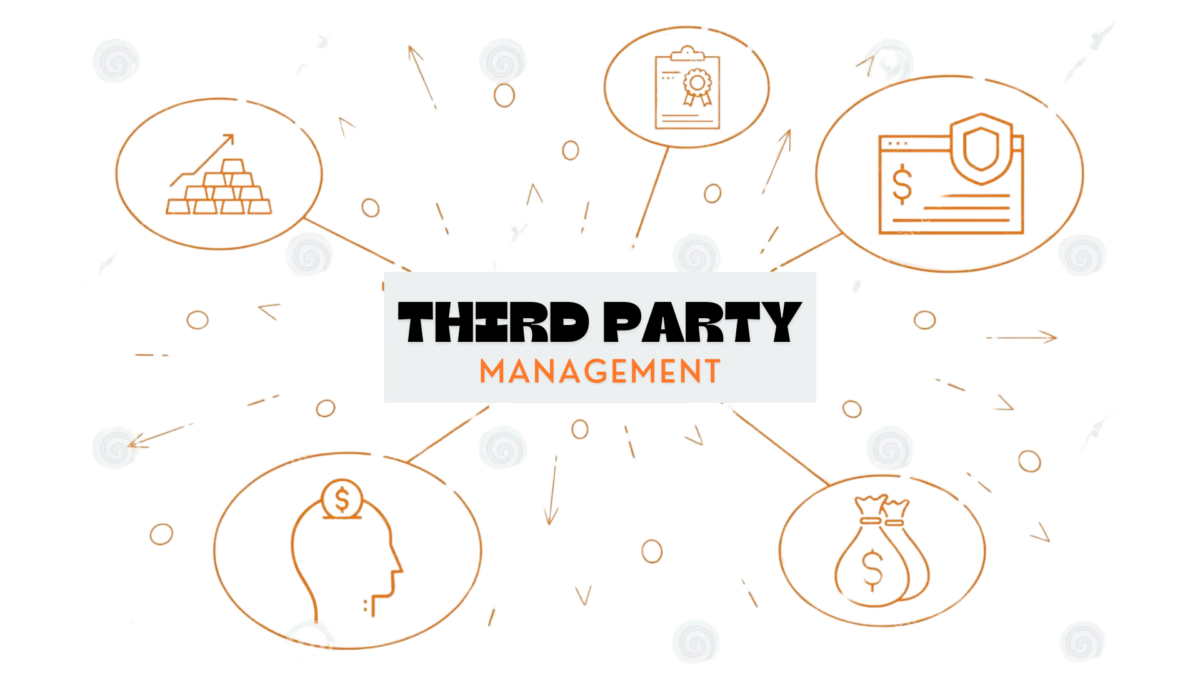
Lessons on Managing 3rd Parties from Star Trek: The Omega Glory

Last month, I wrote a blog post on the tone at the top, exemplified in Star Trek’s Original Series episode, Devil in the Dark. Based on the response, some passionate Star Trek fans are out there. I decided to write a series of blog posts exploring Star Trek: The Original Series episodes as guides to the Hallmarks of an Effective Compliance program set out in the FCPA Resources Guide, 2nd edition. Today, I will continue my two-week series by looking at the following hallmarks of an effective compliance program laid out by the Department of Justice (DOJ) and Securities and Exchange Commission (SEC) in the FCPA Resources Guide, 2nd edition. Today, we look at lessons learned on managing third parties from The Omega Glory episode.

Trust, verification, and alignment with core values are paramount in third-party management. These principles are crucial in today’s complex business environment, where organizations rely on external partners to achieve their objectives. Interestingly, these concepts are vividly illustrated in an unlikely source: the classic Star Trek episode The Omega Glory. This episode provides a fascinating backdrop for exploring the intricacies of third-party management. Today, we dive into the narrative and draw valuable lessons for managing third-party relationships.

In The Omega Glory,  Captain James Kirk and his crew encounter a planet named Omega IV, where two factions, the Yangs and the Kohms, are locked in a perpetual conflict. The Yangs parallel the American patriots of the Revolutionary War, while the Kohms resemble the communists. The Enterprise crew discovers that a Starfleet officer, Captain Ron Tracey, has violated the Prime Directive, the Federation’s core principle of non-interference, by intervening in the planet’s internal affairs to gain immortality from the planet’s unique properties. Tracey’s actions cause chaos and disrupt the natural progression of Omega IV’s societies. In the end, Captain Kirk is forced to confront Tracey and restore balance, emphasizing the need for adherence to principles and respect for the natural order.

Lesson 1: The Importance of Adhering to Your Core Values

One of the primary lessons from The Omega Glory is the significance of adhering to core values and principles. In the episode, Captain Tracey abandons the Prime Directive to pursue personal gain, resulting in disastrous consequences. This mirrors real-world scenarios where third-party relationships can be compromised when organizations or individuals prioritize short-term gains over long-term values and ethical standards.

Organizations must ensure their partners share and adhere to the same core values when engaging with third parties. Establishing clear guidelines and ethical standards is essential for maintaining alignment and preventing deviations that could harm the organization’s reputation and objectives. Regular audits and assessments help verify that third parties operate by these values.

Lesson 2: The Necessity of Due Diligence and Verification

Captain Tracey’s actions underscore the importance of due diligence and verification. He assumed that the planet’s properties could provide eternal life without fully understanding the implications of his interference. This assumption led to unintended consequences and endangered his crew and the planet’s inhabitants.

Due diligence is a critical component of third-party management. Organizations must thoroughly assess potential partners to evaluate their capabilities, integrity, and compatibility with organizational goals. Verification processes, such as background checks, financial audits, and compliance assessments, ensure that third parties meet the required standards. Regular monitoring and ongoing evaluations help maintain transparency and accountability in the relationship.

Lesson 3: The Dangers of Unchecked Authority

Most compliance professionals rarely see unchecked power from third parties, yet this episode provides important insight for compliance professionals. Captain Tracey exercises unchecked authority, disregarding Starfleet regulations and the ethical implications of his actions. His uncontrolled power leads to chaos and conflict, highlighting the dangers of allowing individuals or entities to operate without oversight.

Unchecked authority in third-party management can lead to breaches of trust, legal violations, and reputational damage. Organizations must establish clear governance structures and oversight mechanisms to ensure third parties operate within defined boundaries. Implementing robust contractual agreements, performance metrics, and reporting frameworks can help maintain control and mitigate risks associated with third-party relationships.

Lesson 4: The Role of Communication and Collaboration

Throughout the episode, communication breakdowns contribute to misunderstandings and conflicts. Captain Kirk ultimately resolves the situation by facilitating dialogue and collaboration between the Yangs and the Kohms, emphasizing the importance of open communication in resolving disputes and achieving mutual understanding.

Effective communication is a cornerstone of successful third-party management. Organizations should establish open lines of communication with their partners, fostering a collaborative environment that encourages feedback, transparency, and problem-solving. Regular meetings, status updates, and joint planning sessions help align objectives and address potential issues before they escalate. This will also help manage the commercial relationship after the contract is signed.

Lesson 5: The Need for Flexibility and Adaptability

The episode highlights the need for flexibility and adaptability in complex situations. Captain Kirk’s ability to adapt to changing circumstances and devise innovative solutions is crucial in resolving the conflict and restoring balance. Third-party relationships often involve dynamic and evolving challenges. Organizations must remain flexible and adaptable to changing circumstances, such as shifts in market conditions, regulatory requirements, or technological advancements. Developing contingency plans, embracing innovation, and fostering a culture of continuous improvement can help organizations navigate uncertainties and maintain successful third-party relationships.

Third-party relationships also mandate ongoing monitoring from a data analytics perspective. Compliance may need to conduct additional investigation if there are significant changes in the volume of goods sold by a third party or the amount of commissions paid to a particular third-party agent, region, or business unit. However, third parties must understand and receive a steady diet of communication and training on the need to do business ethically and in compliance with your company’s values.

The Omega Glory serves as a compelling training vehicle for the complexities and challenges of third-party management. The episode’s themes of adherence to core values, due diligence, oversight, communication, and adaptability provide valuable insights for organizations seeking to optimize their third-party relationships. By learning from Captain Kirk’s experiences on Omega IV, businesses can enhance their third-party management practices, mitigate risks, and achieve sustainable success in an interconnected world.

In conclusion, organizations must prioritize trust, verification, business justification, and alignment with core values in their third-party management strategies. By adhering to these principles and drawing lessons from unconventional sources like Star Trek, businesses can navigate the complexities of modern partnerships and achieve their strategic objectives with integrity and success.

Join us tomorrow as we consider the lessons on ongoing monitoring and continuous improvement of Spectre of the Gun Ultimate.


Categories
Trekking Through Compliance

Trekking Through Compliance – Episode 79 – Compliance Leadership Lesson from Turnabout Intruder

In this episode of Trekking Through Compliance, we consider the episode Turnabout Intruder, which aired on June 3, 1969, with a Star Date of 5298.5.

After receiving a distress call from a science party on Camus II exploring the ruins of a dead civilization, the Enterprise rushes to assist. All party members appear dead except the leader, Dr. Janice Lester, and the medical officer, Dr. Arthur Coleman. According to Dr. Coleman, Lester is suffering from some unknown sort of radiation poisoning.

However, when the rest of the Enterprise landing party goes to aid a dying science party member and leaves Kirk and Lester alone, she activates an alien device she has discovered and exchanges bodies with Kirk. Lester complains to Kirk about the pain of being a woman because of jealousy and a persecution complex. Lester-as-Kirk orders everyone to be beamed about and takes over the role of Kirk.

Lester-as-Kirk removes Bones as a chief medical officer and installs Dr. Coleman, a former starship doctor who has been found incompetent by the Starfleet Surgeon General, in his place. Dr. Coleman attempts to prevent Kirk (in Dr. Lester’s body) from interacting with the crew by sedating her, but she escapes to the sick bay to talk to Bones and Spock. However, McCoy has also ordered a physical examination for Lester-as-Kirk. He proceeds to knock Kirk-as-Lester out and orders her to be put in isolation and incommunicado.

Spock suspects something amiss and speaks to (the honest) Kirk in solitary confinement. Spock does a Vulcan mind probe at Kirk’s request and discovers the truth. Lester-as-Kirk and security personnel stop Spock when he tries to flee with the sincere Kirk. This leads to a court-martial trial for Spock. Spock puts Kirk (in Lester’s body) on the stand and testifies that Kirk’s mind is in her body.

In the meantime, Sulu and Chekov refuse to obey Lester-as-Kirk’s orders, and Kirk and Lester experience a temporary reversion of minds. To prevent a reversion, Coleman informs Lester-as-Kirk that Lester must be killed. However, Coleman is too late to carry out the task, and Kirk’s and Lester’s minds revert to their appropriate bodies.

Commentary

The episode involves Dr. Janice Lester trading bodies with Captain Kirk to seize control of the Enterprise, leading to ethical and leadership dilemmas. Key compliance and leadership lessons discussed include the importance of empathy, accountability, ethical decision-making, building trust, and the dangers of unchecked power. The episode notes continuity issues within the Star Trek universe and provides insights into leadership from a compliance perspective.

Key Highlights

  • Story Synopsis: Turnabout Intruder
  • Fun Facts and Continuity Issues
  • Compliance Leadership Lessons from Turnabout Intruder
  • Final Reflections and Upcoming Series

Resources

Excruciatingly Detailed Plot Summary by Eric W. Weisstein

MissionLogPodcast.com

Memory Alpha


Categories
Trekking Through Compliance

Trekking Through Compliance – Episode 78 – Pattern Recognition Lessons for Compliance from All Our Yesterdays

In this episode of Trekking Through Compliance, we consider the episode All Our Yesterdays, which aired on March 14, 1969, with Star Date 5943.7

In this episode, Captain Kirk, Spock, and Dr. McCoy visit the planet Sarpeidon, whose sun is about to go supernova. They discover that the planet’s inhabitants have all disappeared, except for a librarian named Mr. Atoz, who oversees a complex time travel system called the Atavachron.

The Atavachron allows the planet’s population to escape into different periods of Sarpeidon’s history, where they can live safely. Mr. Atoz mistakenly believes the Enterprise crew are Sarpeidons looking to travel back in time and urges them to hurry through the portal. Kirk ends up in a medieval era, while Spock and McCoy are transported to an ice age.

In the medieval period, Kirk encounters a woman accused of witchcraft and realizes the danger of being trapped in the past. Meanwhile, Spock and McCoy meet Zarabeth, a woman exiled to the Ice Age. Due to the time period’s influence, Spock begins to revert to the more emotional behavior of his ancient Vulcan ancestors, leading to unexpected romantic feelings for Zarabeth. McCoy tries to convince Spock to return to their own time, reminding him of the mission’s urgency.

Back in the present, Kirk manages to return to the library and locates the portal through which Spock and McCoy traveled. He helps them return to their original time, but not without some emotional turmoil, especially for Spock, who must leave Zarabeth behind.

The crew finally makes it back to the Enterprise just before the star explodes, reflecting on the lives they encountered and the paths they did not take. “All Our Yesterdays explores themes of love, sacrifice, and the allure of escaping into an idealized past, showcasing the emotional depth and complexity of the series’ characters.

Commentary

The story features the Enterprise crew traveling back in time to evacuate a planet before its sun goes supernova, leading to unintended consequences. Tom Fox explores how this episode offers valuable insights for compliance professionals in areas such as data integrity, understanding causality, identifying emerging trends, proactive risk mitigation, and the importance of historical context. By learning these lessons, compliance professionals can enhance their ability to navigate the complexities of data analysis and pattern recognition. The episode also touches upon unique aspects like physiological limitations on time travel and the mental changes experienced by travelers.

Key Highlights

  • Story Synopsis
  • Kirk’s Time Travel Dilemma
  • Spock and McCoy in the Ice Age
  • Fun Facts and Continuity Issues
  • Pattern Recognition Lessons from ‘All Our Yesterdays’

Resources

Excruciatingly Detailed Plot Summary by Eric W. Weisstein

MissionLogPodcast.com

Memory Alpha

Categories
Trekking Through Compliance

Trekking Through Compliance – Episode 77 – Due Diligence Lessons from The Savage Curtain

In this episode of Trekking Through Compliance, we consider the episode The Savage Curtain, which aired on March 7, 1969, with a start date of 5906.4.

While scanning planet Excalbia, Spock detects strange readings that indicate the presence of carbon cycle life forms. The subsequent appearance of Abraham Lincoln on the viewing screen and his transportation to the Enterprise demonstrates that whatever intelligence resides on the planet can read minds and manipulate matter. Shortly before beaming Lincoln aboard, Spock reports sensors showing an object resembling a living rock with claws at the same position.

On board, Lincoln appears to be human with knowledge of technology from the mid-1800s but is strangely also aware of the Vulcan philosophy. When Kirk accepts Lincoln’s invitation for Spock and him to beam down to a patch of Earth-type environment on the planet, they encounter Surak, the father of Vulcan civilization. A piece of rock suddenly becomes animated and informs them that the planet’s inhabitants are experimenting to discover which of the opposing human philosophies is stronger: good or evil. To carry out their experiment, the rock creatures pit Lincoln, Surak, Kirk, and Spock against Genghis Khan, Colonel Green, Zora, and Kahless the Klingon in a battle to the death.

Green appears to parlay with Surak but sends his associates to sneak up on him. They then attempt to trick Kirk’s party into rescuing him when he (apparently) screams out in pain. Lincoln attempts to sneak into Green’s camp, but this action is unexpected. As he discovers that Surak is already dead, Lincoln is speared from behind. Col. Green’s party then attacks Spock and Kirk. Spock kills Col. Green, and the others are forced to flee. The rock creatures discover that evil is defeated when directly confronted by good, and Spock, Kirk, and the Enterprise are released.

Commentary

The plot revolves around the crew of the Enterprise encountering legendary historical figures, such as Abraham Lincoln and Surak, who are pitted against infamous tyrants like Genghis Khan and Colonel Green in an ethical battle orchestrated by rock creatures. The episode delves into the complexities of good versus evil and offers valuable lessons for compliance professionals. Key compliance takeaways include understanding the context of business ventures, identifying hidden risks, prioritizing ethical considerations, and ensuring transparency and accountability throughout the due diligence process.

Key Highlights

  • Key Plot Points and Characters
  • Fun Facts and Continuity Issues
  • Ethical Lessons from ‘The Savage Curtain’
  • Compliance Takeaways

Resources

Excruciatingly Detailed Plot Summary by Eric W. Weisstein

MissionLogPodcast.com

Memory Alpha

Categories
Trekking Through Compliance

Trekking Through Compliance: Episode 76 – Cultural Lessons from The Cloud Minders

In this episode of Trekking Through Compliance, we consider the episode The Cloud Minders, which aired on February 28, 1969, and occurred on Star Date 5818.4

When a botanical plague threatens to destroy all vegetation on Merak II, the Enterprise visits Ardana, the only known source of the xenite mineral needed to halt the plague; despite High Advisor Plasus’s request that they beam to the cloud city Stratos, Captain Kirk, and Spock beam directly down to the xenite mine entrance, where they are lassooed by the xenite miners.

Captain Kirk and Spock are entertained as guests on Stratos until the xenite can be found. Plasus’ daughter Droxine is fascinated with Spock, but the city servant and secret Trogglyte leader Vanna has an interest of a different kind for Captain Kirk: she attempts to take him hostage at the mining implementation point. And his forceful protests prompt Plasus to order their immediate departure from the city.

Back aboard the Enterprise, Captain Kirk learns from McCoy that unprocessed xenite emits an odorless, invisible gas that temporarily diminishes mental ability and heightens emotions. Then Spock realizes that, due to their service aboard Stratos, all disrupter leaders are no longer exposed to xenite emissions. Captain Kirk proposes that the Trogglytes be supplied with xenite masks.

Once the gas’s effect has worn off, Captain Kirk agrees to provide Vanna with masks and help the Trogglytes obtain equality in exchange for the euxenite, despite Plasus’s protests. Captain Kirk and Plasus drop charges against each other, and Captain Kirk and Spock return to the Enterprise with euxenite in hand.

Commentary

This episode revolves around a plague on Merrick II and the quest for Zenite on Ardana. The episode explores the stark societal divide between the cloud-dwelling elite and the troglodyte miners. The narrative highlights valuable lessons for compliance professionals about cultural sensitivity, understanding diverse perspectives, and adapting compliance programs to cultural contexts. Tom Fox emphasizes the importance of these aspects in creating an inclusive and ethical business environment. Additional fun facts, production details, and the importance of promoting cultural awareness are also discussed.

Key Highlights

  • Story Synopsis
  • Fun Facts and Production Insights
  • Cultural Issues in Compliance

Resources

Excruciatingly Detailed Plot Summary by Eric W. Weisstein

MissionLogPodcast.com

Memory Alpha