Categories
Compliance Into the Weeds

Compliance into the Weeds: Argentieri Speech and Updated ECCP – The First Analysis

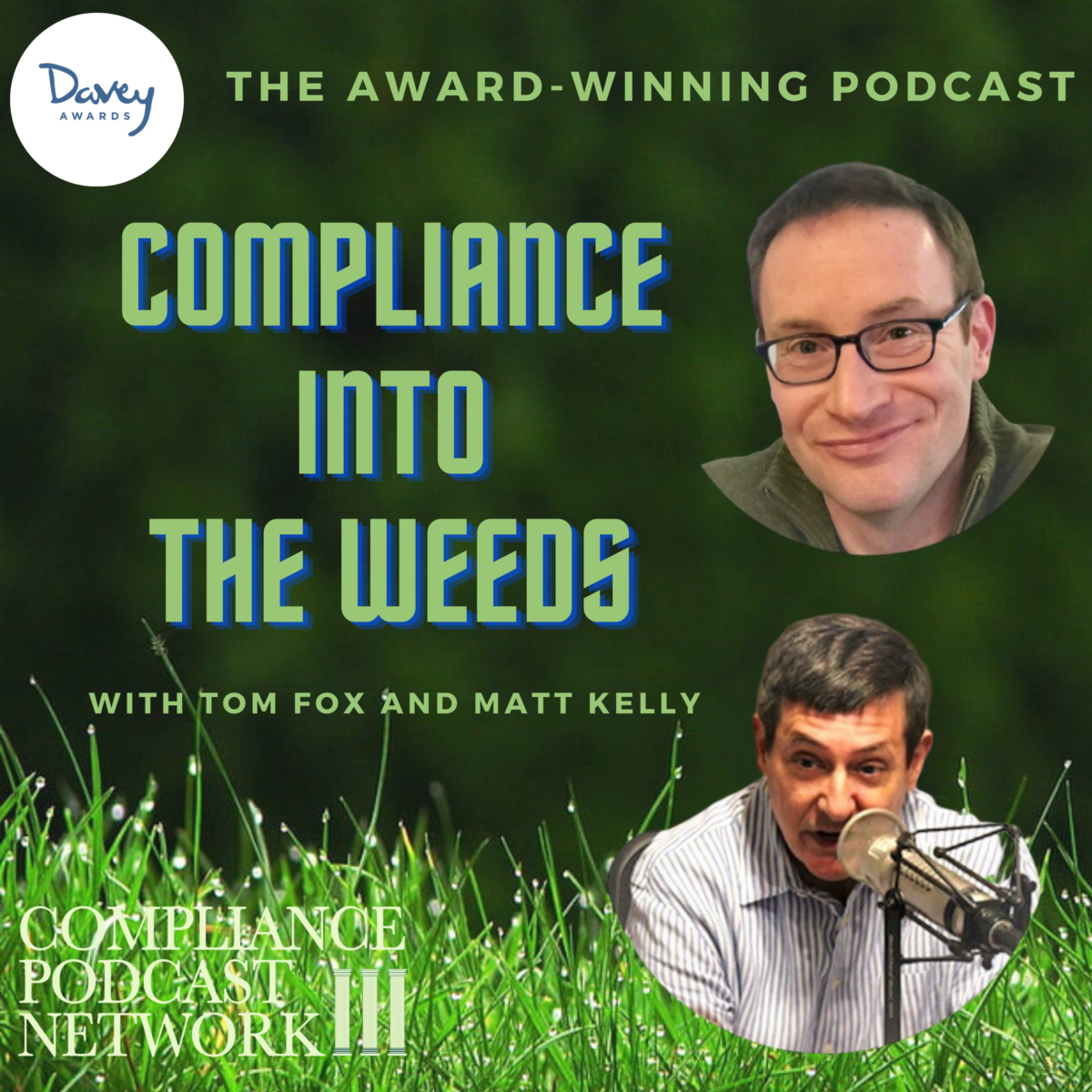
The award-winning, Compliance into the Weeds is the only weekly podcast that takes a deep dive into a compliance related topic, literally going into the weeds to more fully explore a subject. Looking for some hard-hitting insights on compliance? Look no further than Compliance into the Weeds!

In this episode, Tom Fox and Matt Kelly take a deep dive into the speech by Principal Deputy Assistant Attorney General Nicole M. Argentieri at the Society of Corporate Compliance and Ethics 23rd Annual Compliance & Ethics Institute.

Argentieri, revealed substantial updates to the department’s Evaluation guidelines for effective compliance programs, focusing on whistleblower protections and the effectiveness of reporting mechanisms. Matt, reporting live from Dallas, discussed the implications of these updates, especially regarding the DOJ’s increased scrutiny on companies speak-up cultures and the protection of whistleblowers.

Tom and Matt explored the practical steps compliance officers need to take to meet these new DOJ expectations, including ensuring anonymous reporting mechanisms are well-publicized and effectively utilized, fostering a culture that encourages reporting without fear of retaliation, and aligning company policies with the latest external whistleblower protection laws. They also touched on the potential challenges of balancing AI risks with these new guidelines and the broader impact on compliance programs.

Key Highlights:

  • Key focus on enhancing whistleblower protections.
  • Compliance officers must ensure that reporting mechanisms are well-publicized.
  • Importance of aligning internal policies with external whistleblower protection laws to ensure comprehensive employee training.
  • Balancing the challenges of AI risks with the need to adhere to new DOJ guidelines.
  • The practical steps for compliance professionals to align their programs with DOJ’s evolving expectations.

Resources:

Matt in Radical Compliance

Tom in the FCPA Compliance and Ethics Blog

Tom

Instagram

Facebook

YouTube

Twitter

LinkedIn

Categories
Blog

Argentieri Speech and 2024 ECCP: Whistleblowers and Anti-Retaliation

Deputy Assistant Attorney General Nicole M. Argentieri’s speech highlighted a critical shift in the Department of Justice’s (DOJ) approach to evaluating corporate compliance programs. As outlined in the updated 2024 Evaluation of Corporate Compliance Programs (2024 ECCP), the emphasis on data access signals a new era where compliance professionals are expected to wield data with the same rigor and sophistication as their business counterparts.

In her remarks, Argentieri said, “Second, following the recent announcement of our whistleblower awards program, the ECCP now includes questions designed to evaluate whether companies encourage employees to speak up and report misconduct or employ practices that chill reporting. Our prosecutors will closely consider the company’s commitment to whistleblower protection and anti-retaliation by assessing policies and training, as well as the treatment of employees who report misconduct. We will evaluate whether companies ensure that individuals who suspect misconduct know how to report it and feel comfortable doing so by showing that there is no tolerance for retaliation.”

Her remarks were paired with new language in the 2024 ECCP, which stated:

Effectiveness of the Reporting Mechanism – Does the company have an anonymous reporting mechanism, and why not? How is the reporting mechanism publicized to the company’s employees and other third parties? Has it been used? Does the company test whether employees know the hotline and feel comfortable using it? Does the company encourage and incentivize reporting of potential misconduct or violation of company policy? Conversely, does the company use practices that tend to chill such reporting? How does the company assess employees’ willingness to report? How has the company assessed the seriousness of the allegations it received? Has the compliance function had full access to reporting and investigative information? 

Commitment to Whistleblower Protection and Anti-Retaliation. Does the company have an anti-retaliation policy? Does the company train employees on internal and external anti-retaliation policies and whistleblower protection laws? To the extent that the company disciplines employees involved in misconduct, are employees who reported internally treated differently than others involved in misconduct who did not? Does the company train employees on internal reporting systems, external whistleblower programs, and regulatory regimes?

The speech and the 2024 ECCP impose new and additional requirements on a corporate compliance program in internal reporting, whistleblower protection, and anti-retaliation. But how exactly should compliance teams navigate these heightened expectations? Here’s what you must do to ensure your compliance program meets these new standards.

The DOJ has made it abundantly clear that companies must have effective, accessible, and well-publicized reporting mechanisms coupled with ironclad whistleblower protections. For compliance professionals, this mandate represents a critical component of a company’s overall compliance program that cannot be overlooked or underestimated. Here is what you need to do to implement these DOJ requirements effectively.

Establish and Maintain an Anonymous Reporting Mechanism

First and foremost, your company must have an anonymous reporting mechanism—commonly known as a hotline. If your company lacks this, it’s time to address this gap immediately.

  • Set Up a Hotline. Implement a reliable, user-friendly, anonymous reporting mechanism. This could be a dedicated phone line, an online portal, or both. The key is to ensure that employees and third parties can report misconduct without fear of exposure.
  • Publicize the Mechanism Effectively. Once in place, make sure everyone knows about it. Publicize the hotline through multiple channels—email announcements, posters in common areas, mentions in training sessions, and inclusion in employee handbooks. The goal is to ensure that no one in the organization can claim ignorance of its existence.
  • Test Awareness and Comfort Levels. Regularly survey employees to gauge their awareness of the hotline and their comfort in using it. This can be done through anonymous questionnaires or during training sessions. The DOJ expects companies to have a hotline that employees know and trust.

Encourage and Incentivize Reporting

A reporting mechanism is only as effective as the culture that surrounds it. Compliance professionals must work to foster an environment where reporting is encouraged and valued.

  • Positive Reinforcement. Encourage reporting by framing it as a positive, company-supportive action. Highlight success stories where reports led to meaningful change or helped the company avoid greater risks. Consider incentivizing reporting through recognition programs or other rewards that align with your company’s culture.
  • Avoid Chilling Practices. Be mindful of practices or policies that might discourage reporting. For example, employees will quickly learn to stay silent if your company has a history of disregarding reports or retaliating against reporters. Review your policies to ensure they don’t inadvertently dissuade reporting and correct any past practices that might have had this effect.
  • Leadership Commitment. The tone from the top is critical. Senior leaders must openly support and advocate for whistleblower protections. This includes publicly acknowledging the importance of reporting misconduct and demonstrating zero tolerance for retaliation. Leaders should actively participate in training sessions and speak about the value of transparency and accountability.
  • Anonymous Reporting Channels. While encouraging open dialogue is important, some employees may feel more comfortable reporting anonymously. Ensure that your organization has robust, confidential reporting channels in place. These might include hotlines, online portals, or third-party reporting services. Make sure these channels are well-publicized and easy to use.

Assess and Act on Internal Reports Thoroughly

The DOJ wants to know that companies take reports seriously. This means evaluating the seriousness of allegations promptly and thoroughly.

  • Rigorous Investigation Process. Ensure that all reports are promptly reviewed and assessed for seriousness. Develop a standardized process for triaging reports based on their nature and potential impact. This should involve clear guidelines for escalating significant issues to senior management or the board.
  • Full Access for Compliance. Your compliance function must have unrestricted access to all reporting and investigative information. This ensures that investigations are conducted independently and without interference and that the compliance team can assess trends, identify systemic issues, and recommend corrective actions.
  • 120 Days. Remember, the new Corporate Whistleblower Awards Pilot Program has a 120-day deadline from when a reporter speaks up in any manner internally. Companies must fully investigate and disclose to the DOJ within that timeline to be eligible for a Declination under the Corporate Enforcement Policy.

Reinforce Whistleblower Policies and Training

The foundation of any effective whistleblower program is a clear, robust policy communicated effectively across the organization.

  • Review and Update Whistleblower Policies. Start by revisiting your existing whistleblower policies. Ensure they clearly outline the process for reporting misconduct, the protections afforded to whistleblowers, and the consequences for retaliatory actions. Update your policies to reflect the latest regulatory guidance and industry best practices.
  • Comprehensive Training Programs. Policies are only effective if employees understand them. Develop and deliver training programs that educate employees on the importance of whistleblowing, the protections they are entitled to, and how to report concerns. This training should be mandatory, regularly updated, and tailored to different levels of the organization, ensuring everyone—from frontline employees to senior executives—understands their role in maintaining a speak-up culture.
  • Regular Communication. Keep whistleblowing at the forefront of your mind by regularly communicating the importance of speaking up. This can be through internal newsletters, town hall meetings, or dedicated campaigns reinforcing the company’s commitment to ethical conduct and employee protection.

Demonstrate Zero Tolerance for Retaliation

An effective compliance program must go beyond just having a hotline—it must actively protect those who use it. A key element of the DOJ’s evaluation will be how companies treat employees who report misconduct. It is critical to ensure there is no tolerance for retaliation.

  • Develop a Strong Anti-Retaliation Policy. Ensure your company has a comprehensive anti-retaliation policy that is clear, enforceable, and well-publicized. This policy should unequivocally state that retaliation against anyone who reports misconduct in good faith will not be tolerated.
  • Swift Action Against Retaliation. Establish clear, enforceable consequences for retaliatory behavior. If an employee experiences retaliation, act quickly to investigate the claim and, if necessary, take disciplinary action against those responsible. Publicize these actions (while maintaining confidentiality) to reinforce the message that retaliation will not be tolerated.
  • Training on Anti-Retaliation Laws. Train employees on your internal anti-retaliation policies and relevant external whistleblower protection laws. This training should be frequent and tailored to different levels of the organization, from entry-level employees to executives.
  • Monitor and Measure. Implement systems to track whistleblower reports and any subsequent actions. Regularly review this data to identify patterns or areas of concern, such as departments with higher rates of reported retaliation. Use this information to refine your policies and training, ensuring continuous improvement in your approach to whistleblower protection.

Build Trust Through Transparency

Trust is the cornerstone of any effective whistleblower program. Employees must know their concerns will be taken seriously and handled with integrity.

  • Transparency in Investigations. When a report is made, ensure the investigation process is transparent, thorough, and impartial. Keep the whistleblower informed (within the bounds of confidentiality) about the investigation’s progress and any resulting outcomes.
  • Fair Treatment of Whistleblowers. Scrutinize how whistleblowers are treated within your organization, especially if they are involved in the misconduct they reported. The DOJ will examine whether whistleblowers are treated fairly and without bias compared to others involved in the same incidents.
  • Celebrate Whistleblowers. Consider recognizing and celebrating employees who come forward with important information. While this can be a sensitive area, public acknowledgment (where appropriate) can reinforce the organization’s value of ethical behavior and speak up.

Evaluate and Improve Continuously

Finally, the DOJ will look for evidence that companies are committed to whistleblower protection and continuously improving their programs.

  • Regular Program Assessments. Conduct periodic assessments of your whistleblower program to ensure it remains effective and aligned with the latest regulatory expectations. This could involve employee surveys, focus groups, or third-party audits.
  • Act on Feedback. Use the insights gained from these assessments to make meaningful changes. Continuous improvement should be a core component of your whistleblower program, whether improving reporting channels, enhancing training, or refining policies.
  • Regular Training on Reporting Mechanisms. Incorporate training on internal reporting systems and external whistleblower programs into your regular compliance training. Employees should know how to report internally and to external regulators if necessary.
  • Assess Training Effectiveness. Regularly assess the effectiveness of this training through quizzes, feedback surveys, or audits. Ensure that employees understand the reporting systems and feel empowered to use them.

Nicole Argentieri emphasized the DOJ’s heightened focus on whistleblower protections within corporate compliance programs. This comes on the heels of the DOJ’s new whistleblower awards program and underscores the critical role of speak-up cultures in identifying and mitigating misconduct. For compliance professionals, this shift means more than just updating policies; it requires a fundamental reassessment of how your organization encourages, protects, and values whistleblowers. Here’s how you can align your compliance program with the DOJ’s expectations.

Her remarks make it clear that the DOJ is placing a renewed emphasis on whistleblower protections as a critical component of corporate compliance programs. For compliance professionals, this is both a challenge and an opportunity. By reinforcing your policies, fostering a culture of speaking up, demonstrating zero tolerance for retaliation, building trust, and committing to continuous improvement, you can meet the DOJ’s expectations and create a more ethical, transparent, and resilient organization.

The 2024 ECCP made it abundantly clear that companies must have robust, accessible reporting mechanisms and unwavering whistleblower protections. For compliance professionals, this means creating a culture that supports and actively encourages reporting. By setting up effective hotlines, fostering a positive reporting culture, ensuring thorough investigations, and protecting whistleblowers from retaliation, your compliance program will meet DOJ standards and contribute to a healthier, more ethical workplace. In today’s regulatory environment, the effectiveness of your reporting mechanism and commitment to whistleblower protection are no longer just best practices—they are imperatives.


Categories
Everything Compliance - Shout Outs and Rants

Shout Outs and Rants – Episode 141

Welcome to the only roundtable podcast in compliance as we celebrate our second century of shows. In this episode, we take up a potpourri of topics. We have the quartet of Matt Kelly Jonathan Armstrong, Jonathan Marks, and Karen Moore; all hosted by Tom Fox.

  1. Matt Kelly shouts out to Michaela DePrince for a life well lived.
  2. Karen Moore shouts out to Nick Gallo and asks all to keep him in their thoughts and prayers for a speedy recovery.
  3. Karen Woody shouts out to pop culture and the great show on Apple TV Slow Horses.
  4. Jonathan Marks shouts out to eBay for providing authenticator services and briefs us on the Keeper Test.
  5. Tom Fox shouts out to Los Angeles Dodger Shohei Ohtani for having one of the greatest single seasons in MLB by a hitter.

The members of the Everything Compliance are:

The host and producer, rantor (and sometime panelist) of Everything Compliance is Tom Fox the Voice of Compliance. He can be reached at tfox@tfoxlaw.com. Everything Compliance is a part of the award-winning Compliance Podcast Network.

Categories
Daily Compliance News

Daily Compliance News: September 24, 2024 – The Revised ECCP Released Edition

Welcome to the Daily Compliance News. Each day, Tom Fox, the Voice of Compliance, brings you compliance-related stories to start your day. Sit back, enjoy a cup of morning coffee, and listen to the Daily Compliance News. All from the Compliance Podcast Network.

Each day, we consider four stories from the business world: compliance, ethics, risk management, leadership, or general interest for the compliance professional.

In today’s edition of Daily Compliance News:

  • DOJ releases a 2024 update to the Evaluation of Corporate Compliance Programs. (FCPA Compliance & Ethics Blog)
  • Jackson Walker referred for disciplinary proceedings. (Reuters)
  • Singapore gears up for huge corruption trial. (Al Jazeera)
  • The UK government says flexible work is better for companies. (BBC)

Categories
Compliance Tip of the Day

Compliance Tip of the Day: Lesson from The John Deere FCPA Enforcement Action – Gifts, Travel and Entertainment

Welcome to “Compliance Tip of the Day,” the podcast where we bring you daily insights and practical advice on navigating the ever-evolving landscape of compliance and regulatory requirements.

Whether you’re a seasoned compliance professional or just starting your journey, our aim is to provide you with bite-sized, actionable tips to help you stay on top of your compliance game.

Join us as we explore the latest industry trends, share best practices, and demystify complex compliance issues to keep your organization on the right side of the law.

Tune in daily for your dose of compliance wisdom, and let’s make compliance a little less daunting, one tip at a time.

The basics of GTE have been in place since 2007, in opinion Release 07-01. Pressure tests your GTE policies and procedures to make sure your compliance program still meets them.

Categories
Blog

Argentieri Speech: 6 Key Takeaways for Compliance Programs

On Monday, Principal Deputy Assistant Attorney General Nicole M. Argentieri spoke at the Society of Corporate Compliance and Ethics 23rd Annual Compliance & Ethics Institute. ( A copy of her remarks can be found here.) She reiterated the long-stated policy that compliance professionals play a critical role in ensuring companies comply with the law and foster a culture of ethics and integrity. She noted that the Department of Justice (DOJ) has made it clear that companies are the first line of defense against corporate crime, and compliance officers are on the front lines of this defense. The 2024 update to the DOJ’s Evaluation of Corporate Compliance Programs (ECCP) and the introduction of new pilot programs in 2024 underscore the increasing importance of the roles of compliance professionals. This blog post will review the highlights from her speech, the key lessons from this 2024 update to the ECCP, and how they should shape our approach to compliance programs in our organizations.

Lesson 1: Embrace Continuous Improvement in Compliance Programs

The DOJ’s emphasis on continuous improvement in compliance programs is a call to action for all of us. The updated ECCP highlights the need for companies to regularly review and update their compliance programs to account for emerging risks, such as those posed by disruptive technologies like artificial intelligence (AI). As the pace of technological advancement is rapid, and with it come new risks. AI, for example, can be a double-edged sword—while it offers efficiency and insights, it can also be exploited for fraudulent purposes, such as generating false documentation or approvals. The DOJ now explicitly expects companies to assess and manage these risks, which means we must stay ahead of the curve in understanding and mitigating the potential pitfalls of new technologies.

Action Steps for the Compliance Professional:

  • Conduct regular risk assessments that include emerging technologies.
  • Implement controls that address the risks associated with AI and other disruptive technologies.
  • Ensure your compliance program evolves alongside technological advancements with continuous testing and monitoring.

Lesson 2: Foster a “Speak Up” Culture

The DOJ’s updates to the ECCP also emphasize encouraging a culture where employees feel comfortable reporting misconduct. The newly integrated questions into the ECCP regarding whistleblower protection reflect the DOJ’s serious stance on this issue. A “speak up” culture is foundational to a strong compliance program. Employees on the ground are often the first to spot potential issues, and creating an environment where they feel safe to report without fear of retaliation is crucial. The DOJ will scrutinize how well companies protect whistleblowers, so we must ensure our organizations have robust policies and training.

Action Steps for the Compliance Professional:

  • Review and strengthen whistleblower protection policies.
  • Regularly train employees on reporting misconduct and reassuring them about the protections in place.
  • Monitor the effectiveness of your whistleblower program and make necessary adjustments to enhance reporting mechanisms.

Lesson 3: Data Access is Key to Compliance Effectiveness

Another critical area highlighted in the DOJ’s ECCP updates is the importance of data access for compliance personnel. The DOJ will now evaluate whether compliance teams have adequate access to the necessary data to assess the effectiveness of their programs.

Over the past 18 months, the DOJ has made it clear that accessing and analyzing relevant data is crucial for identifying risks and monitoring compliance. If compliance teams are siloed or cut off from important data sources, it hampers their ability to do their jobs effectively, and the DOJ will take notice.

Action Steps for the Compliance Professional:

  • Ensure that compliance personnel have access to all relevant data sources.
  • Invest in the necessary technology and resources for effective data analysis and monitoring.
  • Work closely with IT and other departments to break down silos and facilitate seamless data access.

Lesson 4: Leverage Compensation to Drive Compliance

The DOJ’s Compensation Incentives and Clawbacks Pilot Program introduced a new dimension to compliance—aligning compensation with ethical behavior. This initiative requires companies to include compliance-related criteria in their compensation and bonus systems. While it is certainly not new to align compensation with compliance goals, it sends a powerful message to employees and management that ethical behavior is non-negotiable, and the new emphasis on consequences in the form of clawbacks and holdbacks must be considered. The DOJ views this leveraging of positive incentives and negative outcomes as a tangible link between individual performance and the company’s commitment to integrity.

Action Steps for the Compliance Professional:

  • Integrate compliance metrics into performance evaluations and compensation structures.
  • Regularly assess the effectiveness of these incentives and make adjustments as needed.
  • Make sure you have the contractual right to clawback incentive awards or holdback bonuses for executives who are culpable or have buried their collective heads in the sand while corruption surrounds them.

Lesson 5: The Importance of Cooperation and Remediation

The DOJ’s approach to corporate resolutions underscores the importance of timely and effective cooperation and remediation. Companies that act quickly to cooperate with the DOJ and take meaningful steps to remediate misconduct are rewarded with significant penalty reductions. How a company responds can significantly affect the outcome in the unfortunate event of misconduct. The DOJ’s recent resolutions show that companies that move swiftly and decisively to address issues are viewed more favorably.

Action Steps for the Compliance Professional:

  • Develop a clear protocol for responding to potential misconduct, including timely self-disclosure to the DOJ.
  • Ensure that your company is prepared to cooperate fully with any investigation.
  • Focus on meaningful remediation efforts that address the root causes of misconduct and prevent future occurrences.

Lesson 6: Whistleblower Programs as a Strategic Tool

Launching the DOJ’s Corporate Whistleblower Awards Pilot Program (CWA) is a significant development for compliance professionals. This program incentivizes internal reporting and substantially rewards companies that self-disclose misconduct. Given the number of reports the DOJ received in its first month (100), the CWA adds a new layer of urgency for companies to establish strong internal reporting mechanisms. Companies that encourage and protect whistleblowers can benefit from the CWA, while those that fail to do so may face harsher penalties.

Action Steps for the Compliance Professional:

  • Strengthen your internal reporting systems and ensure they are well-publicized within the company.
  • Make sure that your whistleblower policies are aligned with the DOJ’s expectations.
  • Actively monitor and protect whistleblowers, ensuring there is no retaliation against those who report misconduct.

Now is the Time to Act

The DOJ’s updated policies and programs signal that corporate compliance expectations are higher than ever. Compliance professionals must take these developments seriously and use them as a roadmap to strengthen our programs. Do not wait. Whether embracing new technologies, fostering a “speak up” culture, or aligning compensation with ethical behavior, now is the time to make the necessary investments in compliance.

Remember, when misconduct does occur, it’s better to be proactive and call the DOJ before they call you. By taking these lessons to heart and implementing them in our organizations, we can meet the DOJ’s expectations and contribute to building a culture of integrity and accountability that will serve our companies well in the long run.

Categories
All Things Investigations

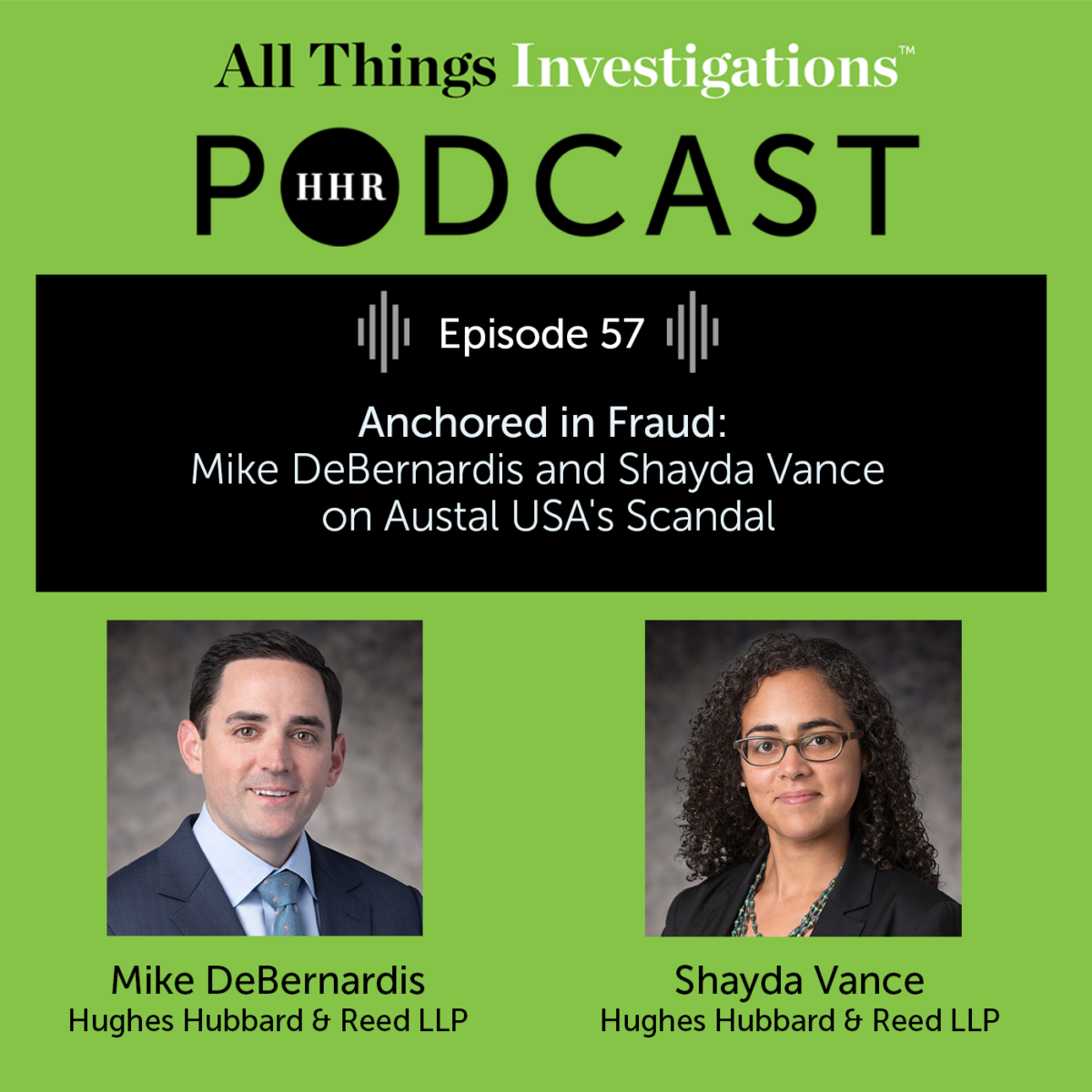
All Things Investigations: Anchored in Fraud: Mike DeBernardis and Shayda Vance on Austal USA’s Scandal

Welcome to the Hughes Hubbard Anti-Corruption & Internal Investigations Practice Group’s podcast, All Things Investigation. In this podcast, host Tom Fox is joined by guests Mike DeBernardis and Shayda Vance to discuss the significant case involving Austal USA, a shipbuilding company facing charges of securities fraud and obstruction of a federal audit due to the misreporting of costs for U.S. Navy ships.

The episode delves into the actions taken by the DOJ and SEC and underscores the complexities involved when senior executives are implicated in fraud and the challenges companies face in maintaining compliance and cooperation with government investigations. The conversation highlights the importance of having a robust compliance program and the critical role of the board of directors in overseeing investigations. The guests also explore the specific ramifications for government contractors and defense contractors and the significant impact of U.S. jurisdiction on foreign companies listed on American Deposit Registries. Through the lens of the Austal case, the discussion provides vital insights and lessons for compliance professionals, corporate executives, and board members.

Key Highlights

  • Details of the Fraud and Legal Actions
  • Lessons Learned and Analysis
  • Government Contractors and Compliance Programs
  • Challenges in Replacing Senior Executives
  • Significance of ‘Not Presently Responsible’ in Government Contracting
  • Implications of Listing on the American Deposit Registry

Resources:

Hughes Hubbard & Reed website

Categories
Riskology

Riskology by Infortal™: Episode 33 – Corporate Intelligence: Myth Vs. Reality

Join hosts Christopher Mason and Dr. Ian Oxnevad as they discuss how companies can harness the power of intelligence to avoid crises and seek out new opportunities.

How can Companies Use Intelligence?

While intelligence is critical for crisis management, its benefits extend far beyond that.

Companies increasingly recognize the long-term advantages of integrating intelligence into their strategic planning. This involves not just avoiding immediate risks but also identifying long-term opportunities.

Business intelligence isn’t just about collecting data; it’s about leveraging the correct information to make informed decisions.

Breaking Down the Misconceptions

Many executives instantly think of spy movies or corporate espionage when they hear “intelligence.” This misconception can prevent companies from enjoying the benefits of a developed intelligence collection and analysis program.   

For example, a company might use intelligence to identify potential supply chain disruptions, allowing them to take corrective actions in advance. Similarly, understanding the political landscape can help businesses anticipate changes that might affect their operations or investments.

Trust but Verify Approach

The principle of “trust but verify” becomes paramount when making substantial strategic decisions. Business intelligence is the verifying mechanism, ensuring trust is well-placed and minimizing risks.

Deploying intelligence investigations and integrating insights into decision-making allows companies to navigate complex market conditions with greater confidence and security. This practice helps avoid immediate pitfalls to establish long-term, resilient business strategies.

Assess Your Risk Profile and Decision-making Processes

Before integrating intelligence functions, companies need to understand their risk profile and decision-making processes. This involves conducting a risk assessment of your firm to establish a baseline to improve on.

Then, you must examine your company’s decision-making processes to determine how best to integrate valuable intelligence into your operations. You can navigate risk more effectively by embedding intelligence functions within your operations, providing a competitive advantage.

Establishing Intelligence Capabilities

Integrating an intelligence function within an organization requires careful consideration. Here are some key steps to consider.

  1. Appointing a Senior Intelligence Officer:
    • Having a dedicated person at the executive level ensures that intelligence activities are coordinated efficiently.
    • This officer would review the collection and analysis of intelligence and ensure that insights are disseminated to relevant stakeholders.
  2. Establishing Clear Communication Channels:
    • Effective communication between the intelligence team and decision-makers is crucial.
    • Regular reports and briefings can help keep the executive board informed and ready to act on intelligence-based insights.
  3. Leveraging Cross-functional Collaboration:
    • Intelligence can enhance ongoing operations across functional departments, including compliance, marketing, and R&D, among others.
    • Intelligence initially considered for one purpose may provide valuable insights to other departments.

Importantly, an effective intelligence management plan ensures that insights are efficiently communicated to the executive team, legal counsel, and relevant department heads.

Importance for Small and Mid-sized Companies

Smaller companies can also gain a competitive advantage by leveraging targeted business intelligence.

While smaller firms may not have the same resources as larger corporations, they can partner with external service providers to gain added insights without taking on the overhead of hiring a full intelligence team.

Gathering critical intelligence before making vital strategic decisions can be the difference between exponential growth and failure.    

We hope you join us for another insightful episode of Riskology by Infortal.™

Resources:

Infortal Worldwide

Email

Chris Mason on LinkedIn

Dr. Ian Oxnevad on LinkedIn

Categories
Corruption, Crime and Compliance

Nicolas Garcia, GC at Orica, on Compliance Trends and Challenges in Latin America

How can companies build trust and drive growth in a region as politically and economically volatile as Latin America?

In this episode, Nicolas Garcia – Vice President, Legal, Regional and Compliance Manager for LATAM and Orica – joins Michael Volkov to discuss the complexities of navigating compliance and leadership in LATAM. The conversation highlights how regional dynamics, such as the crisis in Venezuela, influence business operations and how cultural shifts are changing the role of compliance officers. Nicolas provides valuable insights on the evolving compliance landscape, emphasizing the importance of trust, leadership, and a strong compliance culture in driving business success in challenging environments.

Listen in as Nicolas and Mike discuss:

  • The ongoing political and economic crisis in Venezuela has led to massive immigration into neighboring countries like Colombia, Chile, and Brazil, creating both economic challenges and opportunities in the region.
  • Guyana is experiencing rapid growth due to foreign investment, particularly in the oil and gas sectors, standing in stark contrast to Venezuela’s decline.
  • Nicholas emphasizes the shift from compliance officers being seen as enforcers to becoming strategic business partners. This transition helps companies not only meet regulatory requirements but also drive success.
  • Establishing a trust-based relationship between compliance officers and leadership is essential. When compliance is integrated into the business strategy, it becomes a tool for enabling growth rather than a barrier.
  • Trust in reporting systems is growing in Latin America, though fear of retaliation remains a concern. Anonymous reporting is on the rise, and substantiation rates are increasing as employees gain confidence in the system’s integrity.
  • Ensuring that investigations follow due process is critical to maintaining credibility in compliance programs. It also helps improve trust and the success rate in legal outcomes.

Resources:

Nicolas Garcia on LinkedIn

Nicolas Garcia on Email: Nicolas.Garcia@Orica.com

Michael Volkov on LinkedIn | Twitter

The Volkov Law Group

Categories
Compliance Tip of the Day

Compliance Tip of the Day: Everything Old is New Again: The John Deere FCPA Enforcement Action

Welcome to “Compliance Tip of the Day,” the podcast where we bring you daily insights and practical advice on navigating the ever-evolving landscape of compliance and regulatory requirements.

Whether you’re a seasoned compliance professional or just starting your journey, our aim is to provide you with bite-sized, actionable tips to help you stay on top of your compliance game.

Join us as we explore the latest industry trends, share best practices, and demystify complex compliance issues to keep your organization on the right side of the law.

Tune in daily for your dose of compliance wisdom, and let’s make compliance a little less daunting, one tip at a time.

Today we review the basics of the John Deere enforcement action and why it is so instructive for compliance professionals.