Categories
Career Can D0

Energize Your Career with Fitness with Mel Arenas

What if the secret to succeeding at work isn’t just about what you do but how you feel? In today’s episode of Career Can Do, Mary Ann Faremouth sits down with Mel Arenas, co-founder of Breathe Fit, a functional health and fitness training studio, to discuss the powerful connection between physical fitness and workplace productivity. With the demands of modern work, especially in remote environments, Mel shares how simple yet effective exercise and nutrition habits can boost your energy, reduce stress, and keep you sharp. Whether you’re doing a desk job or juggling multiple tasks, staying active is essential—not just for your body but for your mind, too.

Mel emphasizes that even small movements throughout the day, like stretching or walking, can combat the negative effects of prolonged sitting, improving circulation and mental clarity. He also talks about the importance of fueling your body with balanced meals and staying hydrated to maintain energy levels throughout the day. For those battling stress, exercise is a powerful tool to release endorphins, improve mood, and enhance sleep quality—all of which contribute to better performance at work.

Employers also have a role to play in fostering a culture of wellness, and Mel offers tips on how companies can encourage employees to prioritize fitness. Employers can reduce burnout and increase overall productivity by incentivizing movement and offering opportunities for breaks or quick workouts. Tune in for an insightful conversation on how integrating health and fitness into your daily routine can transform your workday and your entire career.

Resources:

Mel Arenas on the BreatheFit Web I LinkedIn I Phone: 713-487-9811

Mary Ann Faremouth on the Web I X (Twitter)

Categories
Reel Creators of the Texas Hill Country

Reel Creators of the Texas Hill Country: Season 1: Les Best – The Collaborative Bond Between Actor and Director

Welcome to Reel Creators of the Texas Hill Country, where we dive deep into the heart of filmmaking in one of America’s most unique and captivating landscapes. From rolling hills and rustic towns to thriving cities and hidden gems, the Texas Hill Country offers endless inspiration for filmmakers, and we’re here to uncover every aspect. In this podcast, we’ll meet the passionate directors, cinematographers, screenwriters, and crews who bring their creative visions to life in this storied region. Join us as we explore the challenges, rewards, and unique stories that make filmmaking here an art. Whether you’re a seasoned pro or simply curious about the world behind the camera, Reel Creators of the Texas Hill Country promises to be your all-access pass to the vibrant filmmaking community of the Hill Country and beyond.

In this Season One, we will feature the production of the film Sherlock Holmes – Mare of the Night, a TriGoodwyn production headed by filmmaker CJ Goodwyn. We will visit with Goodwyn, members of his crew, the cast, and the production team. In episode 7, I visit with Les Best, the lead actor and portrayer of Sherlock Holmes in the movie Sherlock Holmes-Mare of the Night.

Initially drawn to the allure of stage acting in New York City, Les Best discovered his true passion for filmmaking while working on Hollywood sets in Austin over a decade ago. Embracing the vibrant filmmaking scene of the Texas Hill Country, he now takes center stage as Sherlock Holmes. Best champions that authentic storytelling, driven by passion and talent rather than hefty budgets, resonates profoundly with audiences, urging cinephiles to support and appreciate independent projects like his own. Through his collaboration with director CJ Goodwyn, Best highlights the meticulous attention to detail in costuming and set design and the enriching experience of a collaborative, dedicated team, ensuring that their film will capture and surprise viewers with its quality and depth.


Key highlights:

  • Creative Filmmaking Stories from Texas Hill Country
  • Collaborative Bond Between Actor and Director
  • Collaborative Actor-Led Rehearsal Process in Film
  • Authentic Period Environment Enhances Actor Performances

Resources:

Sherlock Holmes-Mare of the Night

On Facebook

TriGoodwyn Productions

Texas Hill Country Podcast Network

Categories
Daily Compliance News

Daily Compliance News: February 28, 2025, The Extradited to China Edition

Welcome to the Daily Compliance News. Each day, Tom Fox, the Voice of Compliance, brings you compliance-related stories to start your day. Sit back, enjoy a cup of morning coffee, and listen in to the Daily Compliance News—all from the Compliance Podcast Network. Each day, we consider four stories from the business world: compliance, ethics, risk management, leadership, or general interest for the compliance professional.

Top stories include:

  • Thailand Deports Uyghurs to China. (WSJ)
  • Trump revoked Chevron’s license to do business in Venezuela. (WSJ)
  • The cryptocurrency firm founder extradited to the US. (Reuters)
  • NJ men plead guilty to bribing at EWR. (InsiderNJ)

For more information on the Ethico Toolkit for Middle Managers, available at no charge, click here.

Check out the FCPA Survival Guide on Amazon.com.

Categories
Blog

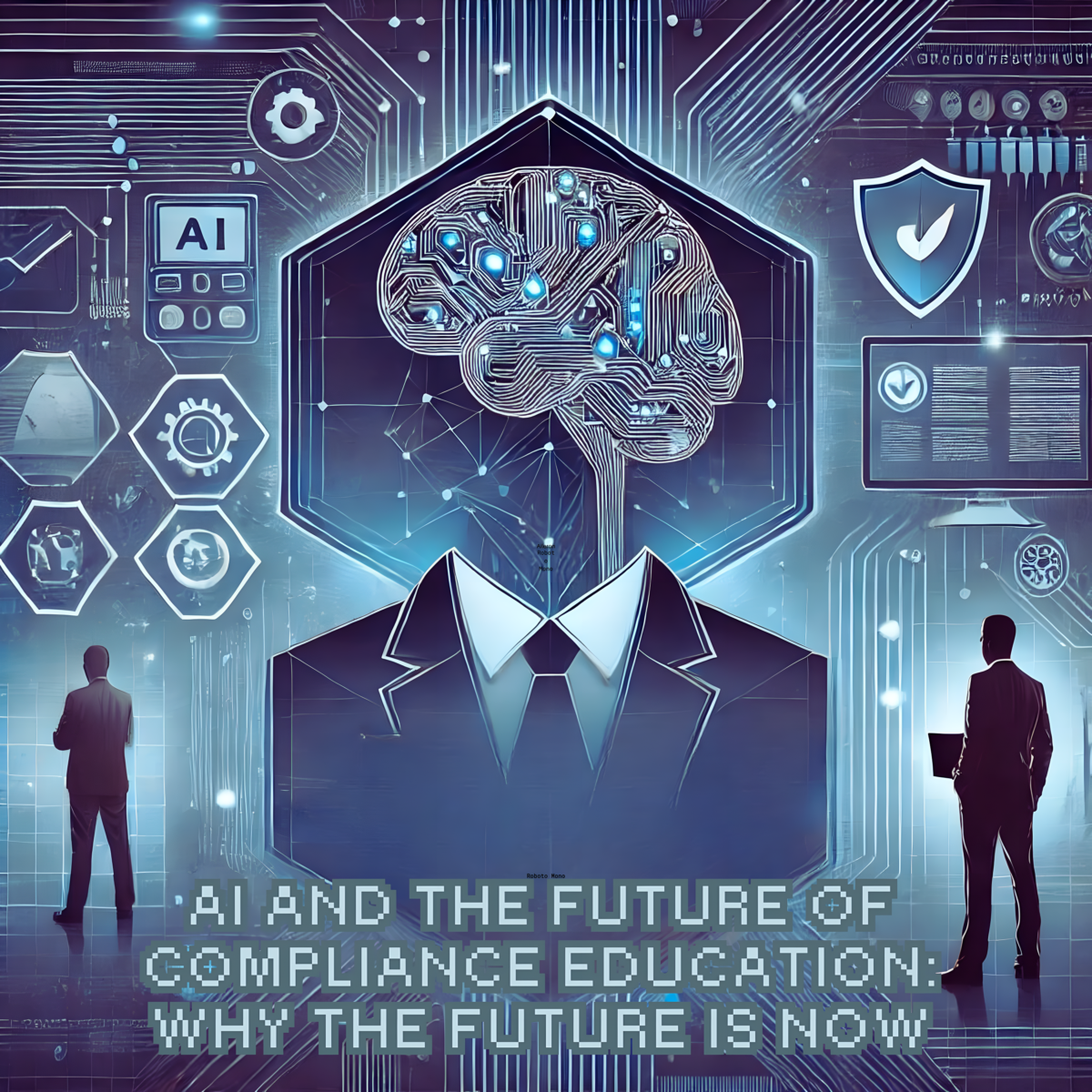
AI Game-Changing Compliance: Part 5, The Future of Compliance Education

Compliance training has traditionally been a one-size-fits-all, check-the-box exercise; from a yearly seminar and a PowerPoint presentation to an e-learning module employees rush through to meet requirements, it is dead. In 2025, compliance training is undergoing a radical transformation. Organizations are embedding compliance learning into daily workflows, leveraging microlearning, gamification, and AI-driven personalized training to make ethics and regulatory education more engaging, relevant, and effective.

The future of compliance training is no longer about forcing employees to sit through lengthy, irrelevant courses. Instead, it is about delivering the right compliance knowledge at the right time, when employees need it, to prevent violations before they occur. In Part 5 of our series on how AI is changing the game in compliance, we look at how companies use AI-powered embedded compliance training and gamification to revolutionize learning, improve retention, and strengthen corporate ethics.

Lessons for Compliance Professionals

1. Traditional Training is Outdated—AI and Gamification Are the Future  

As compliance professionals, we must acknowledge that yesterday’s models are ill-equipped to meet the challenges of a fast-evolving regulatory environment. Employees expect engaging, interactive, and immediately relevant training in their roles. AI-powered platforms offer a transformative solution by tailoring content to individual learning patterns and real-time challenges. Instead of passively absorbing information, employees can now take part in scenario-based simulations and interactive modules that mimic real-life compliance dilemmas.

This level of immersion reinforces critical policies and procedures and builds muscle memory for ethical decision-making under pressure. Integrating gamification into the learning process adds an element of friendly competition and reward, encouraging consistent engagement and deeper retention of complex regulatory frameworks. Advanced analytics further allows compliance teams to monitor engagement levels and adjust content on the fly, ensuring that every training session is as effective as it is innovative. Organizations can create a proactive culture of compliance by abandoning outdated methods in favor of AI-driven, gamified learning experiences.

2. One-Size-Fits Doesn’t Work—Customization is Key  

In the diverse landscape of modern organizations, a generic approach to compliance training will not suffice. Employees across various departments and job functions encounter unique compliance risks that demand tailored learning experiences. AI-driven personalized training platforms address this challenge head-on by analyzing individual roles, past performance, and learning styles to deliver customized content that hits home. Rather than sifting through lengthy, irrelevant training sessions, employees receive targeted lessons that directly relate to the specific scenarios they face on the job. This customization not only boosts engagement by reducing training fatigue but also empowers employees to understand better and manage the distinct regulatory risks associated with their functions.

A personalized approach creates a more efficient learning environment where employees can progress at their own pace, reinforcing best practices that directly apply to their daily tasks. Customized training ensures that resources are allocated wisely, strengthening areas of high risk and providing additional support where needed. As compliance professionals, embracing a tailored training approach means we can more effectively safeguard our organizations against potential violations and foster an environment where continuous improvement in regulatory adherence is the norm.

3. Real-Time Compliance Training Is Proactive  

Proactive, real-time compliance training is emerging as the most effective way to mitigate risk before it escalates into a full-blown problem. With advancements in AI, compliance platforms can now provide instant, context-sensitive alerts to employees as they encounter decision points in their daily work. Imagine an employee receiving an immediate prompt that clarifies a regulatory nuance or warns against a potential conflict of interest while processing a transaction. This just-in-time training approach not only reinforces the correct behaviors but also minimizes the window of exposure to non-compliant practices.

The predictive capabilities of AI enable these systems to learn from past incidents, fine-tuning alerts to ensure that they are both timely and relevant. This preemptive measure is far more effective than post-violation training, which often comes too late to prevent reputational and financial damage. Real-time guidance helps create an environment where compliance becomes integral to every decision, embedding ethical considerations into the workflow. For compliance professionals, this means having the tools to continuously monitor and support employees, reducing the incidence of violations, and fostering a culture of accountability. By shifting our focus to preventive measures, we can create a safer, more responsive workplace prioritizing ethical conduct over-reactive corrections.

4. Gamification and Microlearning Increase Knowledge Retention  

The traditional classroom-style approach to compliance training, characterized by lengthy sessions and dense material, often falls short in capturing and keeping employee attention. In contrast, gamification and microlearning techniques offer an engaging alternative that transforms the learning process into an interactive experience. By breaking down complex compliance concepts into bite-sized, digestible modules, microlearning allows employees to absorb information at a manageable pace without feeling overwhelmed. When these modules incorporate gamified elements—such as point systems, leaderboards, and interactive challenges—learning becomes a dynamic process that stimulates healthy competition and reinforces knowledge through repetition.

This method makes the training more enjoyable and significantly boosts retention rates, as employees are more likely to remember lessons that are presented in a fun and engaging format. Gamification creates a narrative around compliance, turning what was once seen as a chore into a stimulating journey of discovery and mastery. Frequent, short bursts of training to ensure that the material stays fresh in employees’ minds, helping them recall essential information when needed. For compliance professionals, these innovative training methods provide a dual benefit: they ensure that the workforce is well-versed in compliance matters and foster a proactive attitude towards ongoing learning. The result is a culture where compliance is not just a set of rules to follow but a series of continuous learning opportunities that build a foundation of ethical behavior and risk awareness. Embracing gamification and microlearning ultimately leads to more effective training outcomes, a more engaged workforce, and a lower likelihood of compliance breaches.

5. What AI Brings to Training Effectiveness  

Integrating AI and advanced data analytics into compliance training programs is a game changer. Modern compliance platforms now harness the power of artificial intelligence to meticulously track employee progress, pinpoint knowledge gaps, and even predict potential high-risk areas before they materialize into violations. This technology enables compliance professionals to move beyond a reactive stance and adopt a proactive strategy, where training is continuously refined based on real-time performance data.

If analytics reveal that certain departments consistently struggle with understanding new regulatory changes, targeted remedial training can be deployed immediately. The insights gained from AI analytics allow compliance teams to measure the effectiveness of their training initiatives with unprecedented precision, enabling continuous improvement. The feedback loop created by these insights is invaluable. It informs the development of new training modules, ensures content remains relevant to emerging risks, and supports a culture of accountability and excellence. For the corporate compliance audience, this means a significant leap forward in mitigating risks, reducing the incidence of costly breaches, and ultimately protecting the organization’s reputation.

The Future is Now: Gamification and Compliance Training 

Imagine an employee stepping into a fully interactive digital world where ethical challenges, ranging from workplace harassment to safety violations and fraud, are simulated with remarkable accuracy. In this setting, every decision the employee makes is tracked by AI, which adapts the simulation to reflect the potential consequences of their choices. This dynamic feedback loop creates a compelling training scenario where the risks of non-compliance are not merely explained in a classroom but are experienced firsthand. As a result, employees gain practical insights into the ramifications of unethical behavior without ever facing real-world penalties, thereby reducing the likelihood of future violations.

Walmart’s VR Ethics and Compliance Training program is a prime example of this innovative training method. Walmart has harnessed the power of VR to create training modules that place employees in various challenging scenarios, such as encountering workplace harassment or facing safety violations. In these simulated environments, employees must make split-second ethical decisions, mirroring the pressure and uncertainty of real-life situations. The immersive nature of VR means that participants are not passive recipients of information but active problem solvers who must engage critically with the content. This method has proven remarkably effective, as evidenced by Walmart’s reported 30% decrease in policy violations following implementing their VR-based training program.

For compliance professionals, the implications of such technology are profound. First, it represents a shift from traditional, lecture-based training to an interactive, experiential learning model that drives engagement and retention. Employees are more likely to remember and apply what they learn when they have “lived” the experience instead of merely reading about it. The adaptability of AI ensures that training content can be continuously updated and customized to reflect the latest regulatory changes and emerging risks. This agility is crucial in today’s fast-paced regulatory environment, where compliance standards strengthen rapidly, and companies must be prepared to adapt.

AI-driven simulations provide valuable data analytics that allow compliance teams to measure training effectiveness with unprecedented precision. Organizations can identify knowledge gaps by analyzing how employees interact with simulated scenarios and adjust their training strategies accordingly. This enhances the overall effectiveness of compliance programs and reinforces a proactive approach to risk management.

Integrating AI-powered compliance simulations and VR technology significantly evolves compliance training. It offers a realistic, engaging, and data-informed approach to preparing employees for ethical decision-making, ultimately reducing policy violations and fostering a culture of proactive compliance. As the corporate world continues to navigate an increasingly complex regulatory landscape, embracing these innovative training methods is essential for any organization committed to maintaining the highest standards of integrity and accountability.

Conclusion

The future of compliance training is undeniably interactive, embedded, and powered by AI. By harnessing the potential of AI-driven personalization, gamification, real-time guidance, micro-learning, and immersive simulations, organizations can elevate compliance education from a mundane obligation to a dynamic, engaging experience. This transformation makes training more enjoyable and aligns it with today’s fast-paced, risk-aware corporate landscape. Such innovative methods ensure that learning is directly tied to real-world challenges, fostering a culture of continuous improvement and ethical decision-making that resonates with every employee.

For compliance professionals, the message is unmistakable. Embracing AI and gamification in compliance training is no longer optional but essential. Organizations that modernize their compliance education strategies can significantly mitigate policy violations, boost employee engagement, and reduce the likelihood of regulatory scrutiny. By investing in cutting-edge training methodologies, companies build a resilient framework that supports ethical conduct and proactive risk management. In doing so, they safeguard their operations against potential breaches and reinforce their reputation as forward-thinking leaders in a complex regulatory environment.

Categories
Compliance Tip of the Day

Compliance Tip of the Day – Improving Whistleblower Responses Using AI

Welcome to “Compliance Tip of the Day,” the podcast where we bring you daily insights and practical advice on navigating the ever-evolving landscape of compliance and regulatory requirements. Whether you’re a seasoned compliance professional or just starting your journey, we aim to provide bite-sized, actionable tips to help you stay on top of your compliance game. Join us as we explore the latest industry trends, share best practices, and demystify complex compliance issues to keep your organization on the right side of the law. Tune in daily for your dose of compliance wisdom, and let’s make compliance a little less daunting, one tip at a time.

Today, we look at how AI can improve whistleblower management; organizations can now triage reports faster, prioritize high-risk cases, and provide timely feedback, all to enhance your current whistleblower experience.

For more information on the Ethico Toolkit for Middle Managers, available at no charge, click here.

Categories
Culture Crafters

Culture Crafters – The Increased Importance of Corporate Culture During FCPA Suspension

It is always interesting when the regulators catch up to the business world. That is what has happened around corporate culture. The Department of Justice is now assessing corporate culture for any company under investigation. Yet, more than simply complying with this mandate, companies should strive to foster the best culture that they can achieve. The reason is deceptively simple- the better the culture, the better the company. However, many business executives and even compliance professionals do not know how to craft a culture that allows your employees and your organization to implement such strategies. How can you unlock the power of a thriving workplace culture?

In this podcast series, Sam Silverstein, the most trusted voice in America on accountability, and Tom Fox, the Voice of Compliance, look at how companies can elevate their culture to new heights. In this episode, Tom and Sam begin a three-part series on the increased importance of compliance after Trump’s Executive Order suspending FCPA enforcement.

Key insights:

  • Impact of Trump’s FCPA Suspension
  • Importance of Corporate Culture
  • Culture Audit and Employee Attraction
  • Workplace Culture and Innovation
  • Speak Up vs. Listen Up Culture

Resources:

Sam Silverstein

Sam Silverstein on LinkedIn

Sam Silverstein

The Culture Audit™

Tom Fox

Instagram

Facebook

YouTube

Twitter

Categories
Daily Compliance News

Daily Compliance News: February 27, 2025, The Enemy of the West Edition

Welcome to the Daily Compliance News. Each day, Tom Fox, the Voice of Compliance, brings you compliance-related stories to start your day. Sit back, enjoy a cup of morning coffee, and listen in to the Daily Compliance News—all from the Compliance Podcast Network. Each day, we consider four stories from the business world: compliance, ethics, risk management, leadership, or general interest for the compliance professional.

Top stories include:

  • CFTC to give credit for self-disclosure. (WSJ)
  • The US is now the enemy of the West. (FT)
  • GenAI in the legal industry. (Reuters)
  • AI-powered RegTech. (PYMNTS)

For more information on the Ethico Toolkit for Middle Managers, available at no charge, click here.

Check out the FCPA Survival Guide on Amazon.com.

Categories
Hill Country Artists Podcast

Texas Hill Country Artists Podcast: Exploring the Artistic Journey of Pauley Tamez

Delve into the heart of the Texas Hill Country with the award-winning “Hill Country Artists Podcast,” which illustrates and illuminates the vibrant tapestry of art rooted in this iconic region. From the sun-drenched limestone cliffs to the serene Guadalupe River, the Hill Country has been a muse for countless artists, providing a unique backdrop for creativity to flourish. In each episode, we uncover the stories behind the area’s most captivating artworks, converse with local artists about their inspirations, and explore the fusion of Texan traditions with contemporary artistic expressions.

In this episode, Tom sits down with artist Pauley Tamez to discuss his lifelong journey with art. Pauley shares his origin story, from receiving her first watercolor set at age seven to painting landscapes inspired by his travels across France, Germany, and the United States. After a career in financial planning, Pauley turned to art full-time, finding solace in painting after losing his father. He talks about her mentorship under renowned painter Bill Zaner and his experiences painting in various locations, including the Texas Hill Country, Big Bend, and West Texas. Pauley also describes the vibrant colors and techniques he uses to capture different seasons and landscapes on his canvas.

Key highlights:

  • Life in the Air Force and Artistic Inspirations
  • Settling in Texas and Pursuing Art
  • Artistic Development and Mentorship
  • Painting Techniques and Inspirations

Resources:

Pauley Tamez Fine Art

Texas Hill Country Podcast Network

The Hill Country Artists Facebook Page

Kerrville Arts and Culture Center

Cover art courtesy Deanna Eixman Fine Art

Categories
Blog

AI Game-Changing Compliance: Part 4, AI Can Improve Whistleblower Response

Whistleblower programs have long been a cornerstone of corporate compliance, providing employees and stakeholders with a crucial mechanism to report misconduct, fraud, and ethical violations. However, whistleblower response programs in many organizations remain burdened by slow triage processes, an overwhelming volume of reports, and inconsistent follow-ups. The result? Potentially high-risk cases get lost in the shuffle, and employees lose confidence in the system, sometimes opting to go straight to regulators instead of utilizing internal reporting channels. AI-powered tools allow compliance teams to cut through the noise, identify patterns of misconduct, and proactively address risks before they escalate into regulatory or reputational disasters.

Lessons Learned for Compliance Professionals

Integrating cutting-edge technology with traditional investigative methods has ushered in a new era of efficiency and precision in addressing internal concerns. By harnessing advanced analytics, organizations can speed up case prioritization while maintaining essential human oversight. The following five lessons provide strategic insights into how AI can be optimally deployed to enhance whistleblower response times and streamline investigations.

1. Leveraging AI to Augment Strategic Decision-Making Capabilities

When discussing AI in whistleblower response and investigations, it’s imperative to understand that these advanced tools are a force multiplier for human expertise. AI systems can rapidly sift through vast volumes of data and flag anomalies and surface patterns that might otherwise go unnoticed. However, as any seasoned compliance professional will attest, context is king. While highly valuable, AI-generated alerts must be interpreted within the nuances of organizational culture, legal frameworks, and human behavior. This is where human judgment becomes indispensable.

Consider a scenario in which an AI system identifies a cluster of complaints that could suggest systemic misconduct. The tool might rank these cases by urgency, yet the final decision on how to proceed rests on experienced eyes that can assess subtle cues and contextual factors. This hybrid approach ensures that the investigative process is both swift and accurate. Human oversight can identify when an AI might be overzealous or missing context-specific insights, thus better calibrating the technology to suit the organization’s compliance needs.

2. Expedited, Transparent, and Data-Driven Whistleblower Response Frameworks

Various laws and regulatory requirements mandate that organizations react swiftly to whistleblower reports. With AI-driven systems, compliance teams can dramatically reduce the lag between submitting a report and initiating an investigation. Traditional manual processes might delay the evaluation, leading to enhanced regulatory scrutiny, fines, or significant reputational harm. AI-powered platforms can immediately triage the report, cross-reference it with existing data, and prioritize cases based on risk and historical patterns. This level of responsiveness not only meets the high expectations of regulators but also reinforces internal trust in the organization’s commitment to ethical conduct.

Transparency is another key facet. AI systems can log every step of the investigative process, creating an audit trail that is accessible for internal reviews and regulatory inspections alike. Such transparency is invaluable, demonstrating that the organization is serious about addressing compliance concerns in real-time. When employees see that their reports are acted upon swiftly and openly, it cultivates an environment of trust and accountability.

3. Leveraging Diverse Data Sets  

One of the most critical lessons for compliance professionals leveraging AI in whistleblower investigations is the need for diversity in the data used to train these systems. AI is only as unbiased as the information it learns from. When processing sensitive whistleblower reports, any embedded bias can lead to unfair prioritization, potentially skewing investigations and undermining trust in the system.

Your AI tool should be continuously refined with diverse datasets representing various employee backgrounds, complaint types, and contextual factors. This practice ensures that the algorithms can handle the varied nature of whistleblower reports without favoring or penalizing any group or type of complaint. Compliance professionals should work closely with data scientists to conduct regular audits of AI outputs, ensuring the system’s decisions remain equitable and legally sound.

4. Fortifying Employee Confidence Within the Whistleblower Ecosystem

Building a robust and responsive whistleblower system is not about the technology. Rather, it is about fostering trust among employees. AI-driven systems can significantly enhance transparency and timeliness, but without employee buy-in, even the most sophisticated platform will fall short. When employees trust their concerns will be addressed promptly and fairly, they’re more likely to report issues internally rather than taking their concerns to external regulators, which can be more damaging to the organization’s reputation and finances.

AI’s role in this equation is pivotal. By automating the initial stages of case triage and providing real-time updates on the status of investigations, AI ensures that whistleblower reports are not lost in bureaucratic limbo. This immediacy reinforces the message that the organization is committed to addressing issues as they arise. The transparency AI systems offer—through comprehensive audit trails and clear reporting metrics—provides employees with tangible evidence that their voices are heard.

5. Elevating Stakeholder Confidence 

While the initial investment in AI-driven whistleblower systems may seem steep, the long-term benefits, especially cost savings, are substantial. One of the key lessons for compliance professionals is that the deployment of AI is not merely a technological upgrade; it is a strategic decision that can transform the financial landscape of compliance operations. AI streamlines the investigative process by reducing the time to sift through and prioritize whistleblower reports, cutting down on labor-intensive tasks that often drive up costs.

By automating routine processes, organizations can reallocate human resources to more complex issues that require nuanced judgment. This speeds up the response time and minimizes the risk of costly errors or oversights that could lead to regulatory fines and legal liabilities. The efficiency gains from AI-driven investigations often translate into fewer disruptions and lower operational costs. For example, when a potential compliance issue is flagged and resolved promptly, the organization avoids the cascading expenses associated with prolonged investigations, legal battles, and reputational damage.

In addition, the transparency and accuracy provided by AI systems can serve as a form of risk mitigation. Detailed audit trails and systematic data analysis ensure that every step of the investigative process is documented, providing a solid defense in the event of regulatory scrutiny. This comprehensive documentation can be a lifesaver during audits, saving time and legal fees. Ultimately, while the upfront costs of AI implementation should be weighed, the return on investment is clear: faster, more efficient investigations lead to lower compliance costs, a stronger legal standing, and a healthier corporate reputation. In today’s high-stakes regulatory environment, AI is not just a tool—it’s a long-term financial strategy that benefits the organization’s bottom line and integrity.

The Future is Here: How AI Enhances Whistleblower Response and Investigations

In “Artificial Intelligence and Whistleblowing: Can A.I. be Useful for Whistleblowing Processes?” Kalliopi Zouvia detailed the evolving relationship between whistleblower protection and artificial intelligence. She reviews the emerging role of AI in strengthening mechanisms for detecting, reporting, and investigating unethical practices, making it a vital read for corporate compliance professionals seeking to harness technology in upholding ethical standards.

She reviews key milestones, including Council of Europe recommendations and, more recently, the EU’s Whistleblower Directive (Directive 2019/1937), which sets a standardized baseline for protecting individuals across the EU. For corporate compliance officers, understanding these regulatory benchmarks is essential for designing internal policies that comply with legal mandates and foster a culture of transparency and accountability. Central to the discussion is the three-tier reporting model outlined by the Directive, which offers multiple channels for whistleblowers to report concerns—internally, externally, to competent authorities, or, ultimately, publicly via the media. Confidentiality and, where possible, anonymity remain crucial elements, ensuring that the identity of the reporting individual is safeguarded against unnecessary disclosure. While providing flexibility, this model also imposes significant operational challenges on organizations tasked with responding swiftly and effectively to such reports.

A major focus of the article is the potential of artificial intelligence to enhance each stage of the whistleblowing process. AI-driven reporting systems, such as chatbots, are highlighted as powerful tools that can guide individuals through the reporting process, reducing the likelihood of incomplete submissions and providing simple instructions about reporting requirements. Real-time translation services powered by AI can break down language barriers, broadening access to reporting channels across diverse cultural and ethnic groups, a critical factor for multinational corporations committed to global ethical standards.

Beyond the initial report submission, AI shows promise in streamlining the vetting and investigative processes. Automated data extraction and advanced analytics can sift through vast amounts of information to isolate relevant details, significantly reducing the manual burden on compliance teams. This technology speeds up the preliminary review of allegations and helps identify patterns or red flags that may show deeper systemic issues. Such efficiencies are valuable considering increasing report volumes, as evidenced by European and American whistleblowing statistics trends.

AI-driven whistleblower response programs are no longer futuristic concepts but essential tools for modern compliance teams. By integrating AI into whistleblower programs, companies can prioritize high-risk cases, accelerate investigations, enhance transparency, and protect whistleblowers from retaliation. As regulatory bodies continue emphasizing whistleblower protections, organizations that fail to modernize their response programs risk falling behind in compliance maturity and exposing themselves to legal and reputational risks.

The call to action for compliance professionals is clear: Embrace AI-driven whistleblower programs now or risk facing regulatory scrutiny later. The technology is available, the benefits are measurable, and the time to act is now.

Categories
Compliance Tip of the Day

Compliance Tip of the Day – Decentralized Compliance with Blockchain Technology

Welcome to “Compliance Tip of the Day,” the podcast where we bring you daily insights and practical advice on navigating the ever-evolving landscape of compliance and regulatory requirements. Whether you’re a seasoned compliance professional or just starting your journey, we aim to provide bite-sized, actionable tips to help you stay on top of your compliance game. Join us as we explore the latest industry trends, share best practices, and demystify complex compliance issues to keep your organization on the right side of the law. Tune in daily for your dose of compliance wisdom, and let’s make compliance a little less daunting, one tip at a time.

Today, we look at how blockchain can be a game-changer for compliance.

For more information on the Ethico Toolkit for Middle Managers, available at no charge, click here.