Categories
Daily Compliance News

Daily Compliance News: December 19, 2024 – The Prison Labor Edition

Welcome to the Daily Compliance News. Each day, Tom Fox, the Voice of Compliance, brings you compliance-related stories to start your day. Sit back, enjoy a cup of morning coffee, and listen in to the Daily Compliance News—all from the Compliance Podcast Network. Each day, we consider four stories from the business world: compliance, ethics, risk management, leadership, or general interest for the compliance professional.

  • Macy’s $151MM accounting error—does it even matter? (WSJ)
  • The power of praise at work. (FT)
  • Hyundai supplier ends prison labor contract. (NYT)
  • Corruption in China’s military threatens readiness. (WSJ)

For more information on the Ethico Toolkit for Middle Managers, available at no charge, click here.

Check out the full 3-book series, The Compliance Kids, on Amazon.com.

Categories
Rotary Voices of Kerrville

Rotary Voices of Kerrville – Judy Eychner’s Rotary Journey: Community Contributions

Welcome to Rotary Voices of Kerrville, the podcast series that shines a spotlight on the Rotary Club of Kerrville, Texas—a club with a rich community service, leadership, and dedication history. For nearly 100 years, the Rotary Club of Kerrville has been at the heart of initiatives that make a real difference locally and globally. Through this podcast, we’ll explore the club’s incredible projects, hear from its inspiring members, and learn about the values driving their commitment to “Service Above Self.” In this episode, host Tom Fox speaks with Judy Eychner, who shares her experiences and journey with the Rotary Club. This is the first of a two-part husband and wife series, as Judy’s husband, George Eychner, will join us for our next episode.

Judy’s Rotary journey started with her invitation to join by Sherry Cunningham in the early 2000s. Judy reflects on her professional background in real estate and her initial attraction to Rotary due to its inclusivity and the values it stands for. She elaborates on her involvement in various Rotary initiatives, such as the ”Josh the Otter’ water safety program, highway cleanup, and fundraising events like ”Pints for Polio.” Judy highlights key aspects like friendships, community work, and the role of women in Rotary, which have significantly enriched her professional and personal life.

We discuss Rotary’s impact on fostering community bonds and providing networking opportunities. Judy discusses her public service in Kerrville, emphasizing how civic life and Rotary involvement complement each other. This episode provides valuable insights for young professional women considering joining Rotary, emphasizing the dual benefits of community service and personal growth.

Highlights include:

  • Judy’s Rotary Journey Begins
  • Highlights of Judy’s Rotary Experience
  • Josh, the Otter Program
  • Swimming Lessons and Community Impact
  • Advice for Young Professionals

Resources:

Rotary Club of Kerrville

Rotary District 5840

Rotary International

Categories
Everything Compliance

Everything Compliance: Episode 146, The Holiday Season Edition

Welcome to this Special Edition of Everything Compliance. In this episode, Matt Kelly, Jonathan Marks, Karen Woody, and Karen Moore examine various issues for compliance professionals under the incoming administration.

  1. Jonathan Marks discusses how deepfake videos facilitate fraud and how companies can combat this scourge. He shouts out to Miriam Chamani and her Voodoo Spiritual Temple.
  2. Karen Moore takes a deep dive into sustainability requirements in the EU and what these obligations mean for US companies under the second Trump administration. She shouts out to all the delivery folks this holiday season.
  3. Matt Kelly examines the DOGE initiative and its potential impact on compliance. He rants about the Pete Hegseth nomination and praises the South Korean people who opposed the presidential coup.
  4. Karen Woody examines what the new Trump administration may mean for the SEC in the future and rants about Time Magazine naming Donald Trump its Man of the Year.
  5. Tom Fox shouts out to the Shuffle Mamas.

The members of the Everything Compliance are:

The host and producer, rantor (and sometime panelist) of Everything Compliance is Tom Fox, the Voice of Compliance. He can be reached at tfox@tfoxlaw.com. Everything Compliance is a part of the award-winning Compliance Podcast Network.

For more information on the Ethico Toolkit for Middle Managers, available at no charge by clicking here.

Check out the full 3-book series, The Compliance Kids on Amazon.com.

Categories
Blog

Lessons in Corporate Governance from the NRA

Corporate governance often shines brightest in times of crisis, and few organizational crises have unfolded as publicly or contentiously as the litigation involving the National Rifle Association (NRA). In a recent Order from the years of ongoing litigation in New York state, the Court mandated sweeping governance reforms, providing a treasure trove of lessons for compliance professionals seeking to strengthen Transparency, accountability, and oversight in their organizations. Regardless of your personal or political views on the NRA, this case underscores universal principles of good governance. Let’s unpack these lessons and explore how they can be applied across organizations of all types and sizes. Matt Kelly wrote about this topic in a blog post, and we explored its implications for compliance professionals in a recent episode of the Compliance into the Weeds podcast.

What Happened at the NRA?

The NRA’s troubles began with allegations of rampant mismanagement under long-time CEO Wayne LaPierre. The New York Attorney General’s lawsuit in 2020 detailed years of financial abuses, including excessive salaries and lavish spending billed to the organization, conflicts of interest, and questionable vendor relationships, held together by a structurally weak board that served as a rubber stamp for LaPierre’s decisions. The fallout included four years of litigation, a jury finding LaPierre liable for abuses, and, ultimately, a court-mandated series of governance reforms designed to ensure the NRA could never again fall victim to such mismanagement.

Key Governance Failures

The NRA’s dysfunction stemmed from several structural weaknesses common to organizations suffering from poor governance. An overpowering CEO, LaPierre, exerted an outsized influence enabled by a lack of checks and balances. There needed to be stronger board oversight, with 76 members. The board needed to be bigger and more cohesive to provide effective governance. A small faction, aligned with the CEO, controlled key decisions. There needed to be more financial controls. This absence of robust controls allowed the CEO to withhold critical information from the board. These issues, while prominent in the NRA, are not unique. Theranos, Wynn Resorts, and countless other organizations have fallen prey to similar patterns.

The Reforms: A Blueprint for Good Governance

Judge Cohen’s final ruling laid out a series of governance reforms that every compliance professional should study and consider incorporating into their organization. The Court strengthened the NRA Audit Committee in various ways. First, the entire board now elects Audit Committee members, ensuring independence. Equally importantly, former audit committee members from 2014 to 2022 are barred from future service to eliminate cronyism.

Board refreshment was given importance. The Nominating and Governance Committee must propose 20 new director candidates annually for five years, injecting fresh perspectives and reducing entrenchment. The Court created a committee on board effectiveness, recommending measures to make the large board more functional, possibly through a smaller, empowered executive committee.

There were significant areas for the compliance function and the Chief Compliance Officer (CCO). The first was a mandate that the CCO deliver an annual report detailing travel expenses, related-party transactions, and whistleblower hotline activity.  This report ensures that the board has visibility into high-risk areas. There was a section on CCO empowerment and protection. The CCO now has employment protections, including a three-year contract and two years’ severance pay if terminated without cause. These measures give the CCO the independence to address risks without fear of retaliation. Finally, there is a mandate for independent oversight, with an external consultant assisting the CCO in developing and implementing governance improvements.

Universal Lessons for Compliance Professionals

The reforms imposed on the NRA are not merely punitive; they are a masterclass in building robust governance frameworks. There are several important points for every compliance officer.

1. Empower Your Compliance Function. An independent compliance officer is a figurehead. Employment protections, direct reporting lines to the board, and clear mandates are essential to ensure the CCO can act as an effective watchdog.

2. Prioritize Transparency. Transparency must be embedded in governance structures. Mechanisms like annual compliance reports provide critical insights into organizational risks and ensure the board has the information needed to fulfill its oversight role.

3. Strengthen the Board. Boards should be diverse, independent, and active in their oversight responsibilities. Critical steps include refreshing board membership and ensuring committees are free from undue influence.

4. Focus on Financial Controls. Weak financial controls are a common thread in governance failures. Organizations should implement robust policies to monitor executive spending, conflicts of interest, and other high-risk areas.

5. Learn (and Use) from Templates The Court Order includes detailed templates for compliance reports, employment contracts, and governance policies. While tailored to the NRA’s specific issues, these documents can serve as starting points for any organization seeking to strengthen its governance practices.

Good Governance Is Universal

Good governance transcends an organization’s specific mission or values. Whether your entity is a nonprofit like the NRA, a public company, or a private enterprise, strong governance principles, an empowered board, Transparency, and accountability remain constant. Judge Cohen’s reforms highlight the importance of building durable structures that withstand the pressures of powerful personalities and shifting priorities. These reforms serve as a reminder that governance is not just about preventing crises but ensuring the organization stays true to its mission.

The NRA’s governance overhaul is a cautionary tale and an opportunity for all compliance professionals. By studying the Court’s findings and implementing similar reforms, organizations can build stronger foundations for accountability and ethical leadership.

In the words of Matt Kelly, “Good governance is a universal principle dependent on building durable structures for transparency and vigorous oversight.” Let this case inspire your efforts to create governance frameworks that protect your organization’s integrity, irrespective of its mission or values.

Categories
TechLaw10

TechLaw10: Online Fraud & How to Stop It

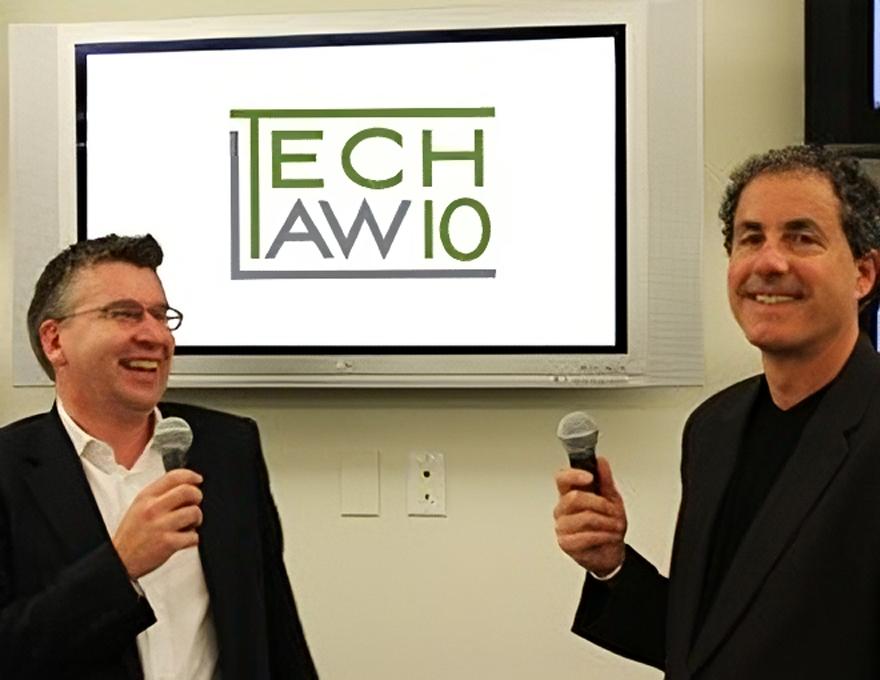
In this film, Punter Southall Law’s Jonathan Armstrong discusses social media with Professor Eric Sinrod from his home in California. This is episode 290 in the popular TechLaw10 series. You can listen to earlier podcasts here: https://www.duanemorris.com/site/techlaw10.html. The podcast includes top tips to help prevent and respond to online fraud.

Jonathan & Eric discuss various aspects of online fraud, including:

  • phishing
  • vishing
  • deepfakes
  • advanced fee scams
  • CEO scams
  • job scams
  • debt-related scams
  • tech support scams
  • romance scams
  • charity scams
  • strategies for organizations to guard against online fraud

Jonathan talked about the Matrix Freedom litigation. You can find out more about that here: https://taxpolicy.org.uk/2024/06/08/matrix_freedom_scamming_vulnerable_people/. Mr. Stamp’s nonsensical response to the proceedings against him is here: https://taxpolicy.org.uk/wp-content/assets… Jonathan also talks about professional advice for accounting professionals on preventing invoice fraud. There is an example here: https://www.icaew.com/insights/viewpoints-on-the-news.

You can learn more about Eric at Duane Morris LLP: https://www.duanemorris.com/attorneys/ericjsinrod.html and Jonathan here at Punter Southall Law: https://puntersouthall.law/about-us/jonathan-armstrong/

Connect with the Compliance Podcast Network at:

LinkedIn: https://www.linkedin.com/company/compliance-podcast-network/

Facebook: https://www.facebook.com/compliancepodcastnetwork/

YouTube: https://www.youtube.com/@CompliancePodcastNetwork

Twitter: https://twitter.com/tfoxlaw

Instagram: https://www.instagram.com/voiceofcompliance/

Website: https://compliancepodcastnetwork.net/


Categories
The Hill Country Podcast

The Hill Country Podcast – Behind the Scenes at Kerrville Daily Times with John Wells

Welcome to the award-winning The Hill Country Podcast. The Texas Hill Country is one of the most beautiful places on earth. In this podcast, Hill Country resident Tom Fox visits with the people and organizations that make this the most unique area of Texas. This week, Tom welcomes John Wells, the new publisher of the Kerrville Daily Times.

They discuss John’s background, from his start in digital advertising post-University of Alabama to his ventures in the newspaper industry. John reveals his motivations for moving to Kerrville and his vision for enhancing local journalism, focusing on community engagement and digital advancements. Key topics include the importance of local government reporting, expanding coverage of local sports and education, and innovative plans like a new website layout and potential app development. John also discusses reader feedback mechanisms and introduces new segments to increase community involvement.

Key highlights:

  • John Wells’ Journey to Kerrville
  • Differences Between Local and Major Newspapers
  • Focus on Community Reporting
  • Challenges in Local Journalism
  • Local Sports and Community Involvement

Resources:

John Wells on LinkedIn

Kerrville Daily Times

Other Hill Country Focused Podcasts

Hill Country Authors Podcast

Hill Country Artists Podcast

Texas Hill Country Podcast Network

Categories
Daily Compliance News

Daily Compliance News: December 18, 2024 – The Turn Your Knife on Yourself Edition

Welcome to the Daily Compliance News. Each day, Tom Fox, the Voice of Compliance, brings you compliance-related stories to start your day. Sit back, enjoy a cup of morning coffee, and listen in to the Daily Compliance News—all from the Compliance Podcast Network. Each day, we consider four stories from the business world: compliance, ethics, risk management, leadership, or general interest for the compliance professional.

  • Judicial misconduct for judges to criticize Supreme Court Justice over ethics. (WSJ)
  • Xi wants an even more robust crackdown on corruption. (Reuters)
  • Nick Leeson on compliance. (Bloomberg)
  • Executives not fully trusting AI and compliance. (WSJ)

For more information on the Ethico Toolkit for Middle Managers, available at no charge, click here.

Check out the entire 3-book series, The Compliance Kids, on Amazon.com.

Categories
Compliance Into the Weeds

Compliance into the Weeds: NRA Governance Reforms: A Compliance Case Study

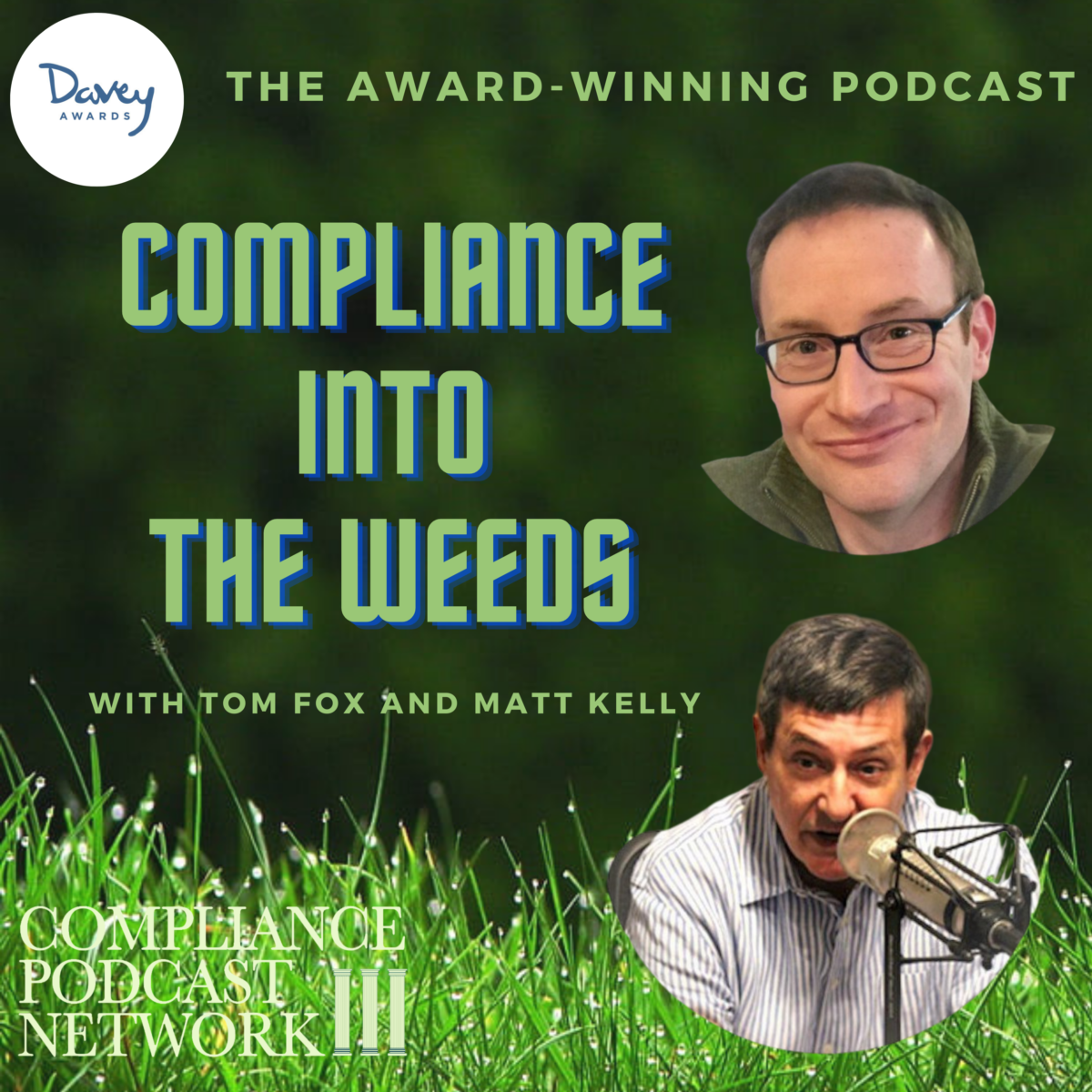
The award-winning Compliance into the Weeds is the only weekly podcast that takes a deep dive into a compliance-related topic, literally going into the weeds to explore a subject more fully. Are you looking for some hard-hitting insights on compliance? Look no further than Compliance into the Weeds! In this episode, Tom Fox and Matt Kelly dive into the intricate and unusual story of the National Rifle Association (NRA) and its recent corporate governance overhaul.

Matt and Tom explore Judge Joel Cohen’s final ruling, which mandates extensive corporate governance reforms for the NRA. These reforms address significant issues, such as a structurally weak board, poor financial controls, and an overpowering CEO in Wayne LaPierre, who misused the organization’s resources. Necessary measures discussed include revamping the board’s audit committee and introducing annual compliance reports, along with significant protections for the role of the Chief Compliance Officer.

The episode highlights the universal principles of good governance, asserting that the NRA’s reforms can serve as a valuable lesson for other organizations. Regardless of the political or ethical stance on the NRA’s activities, the implemented governance structures underscore the necessity of transparency, an empowered compliance function, and robust oversight mechanisms to prevent misuse of organizational resources. These insights are illustrated through sample agreements and templates in the court ruling, which can guide other organizations in strengthening their governance and compliance programs.

Key highlights:

  • Corporate Governance Reforms Ordered by the Court
  • Specifics of the Court-Ordered Reforms
  • Audit Committee and Board Reforms
  • Compliance and Governance Templates
  • Universal Principles of Good Governance

Resources

Matt in Radical Compliance

Tom

Instagram

Facebook

YouTube

Twitter

LinkedIn

Categories
Great Women in Compliance

Great Women in Compliance – Holiday GWIC – tacular

Happy Holidays from the Great Women in Compliance podcast.  For the last episode of 2024, we wanted to share insights and some holiday cheer.  We all share some of our thoughts about the trends and developments in 2024, and of course, there is a focus on AI.  Sarah brings some news about CCI and their next phase, and Ellen reiterates her ongoing commitment to organizational justice.  We also shared some thoughts about 2025, and Lisa raised the challenges that global organizations will face with the various – and sometimes contradictory – regulations and laws from different countries.  The group shares some of our favorite GWIC moments of the year.

We also answered some pressing questions for the holiday season, including when to start playing holiday music and decorating; spoiler alert, there needed to be more consistency.  We share some of our favorite family holiday traditions, which include everything from listening to the Beach Boys Christmas album and updating a holiday Spotify playlist (Lisa), bringing British traditions for the family (Hemma), opening presents on Christmas Eve, and a chill day (Ellen and Sarah).  There were many laughs, and we offer a huge thank you to all of you, the #GWIC community.  We are so grateful for you all.

See you in 2025.

Thanks, as always, to our sponsor, Corporate Compliance Insights, and our wonderful #GWIC community.  You can join the Great Women in Compliance community on LinkedIn here.

Categories
Blog

Mentoring in Compliance

When done well, mentoring is a proven tool for engagement and retention, yet it’s often underutilized, overlooked, or poorly communicated. In our compliance profession, many folks hold themselves out as mentors. The ladies of Great Women in Compliance, the founders Lisa Fine and Mary Shirley, and the current crew, including Hemma Lomax, Sarah Hadden, and Ellen Hunt, all are compliant mentors. Nick and Gio Gallo are two who immediately come to find each other.

But what about inside the corporate world? What can compliance professionals and business leaders do to transform them into impactful retention strategies? Although 98% of Fortune 500 companies have mentoring programs, only 37% of professionals benefit from them. Why are mentoring programs failing to deliver on their promise? In a recent HBR article entitled, Why Mentoring Programs Fail — and How to Make Them Worthwhile, authors Andy Lopata, Ben Afia, and Ruth Gotian examined this question.

They found that the issue lies not with mentoring but in the underutilization and ineffective reach of many mentoring programs. Programs are frequently confined to a small group of employees or need more communication and visibility to attract participation. Many potential mentors might need more time to be able to commit to meaningful mentorship, leading to a cycle of under-engagement. The authors have developed strategies for corporations, and I have adapted their work for mentoring in the compliance profession.

The Underutilization Problem: A Disconnect in Awareness and Access

The issue is outside mentoring itself. Studies consistently show its ability to boost productivity, engagement, and employee satisfaction. The real problem lies in underutilization and visibility. Many mentoring programs are confined to select groups, poorly communicated, or lack structure. The problems include employees needing to be aware of these programs or learning to access them. Potential mentors are often overwhelmed with their workloads and hesitate to commit. Finally, the benefits of mentorship could be better communicated, leading to disinterest.

Yet, as the authors report, there is good news. “These are solvable problems.”

Tailoring Communication: Meet Employees Where They Are 

The manner in which mentoring programs are communicated makes all the difference. A generic, top-down announcement will not resonate in today’s workplace. Employees, particularly Millennials and GenZers, want personalization. They see themselves as consumers of workplace experiences, choosing opportunities that align with their needs and goals.

To engage employees, communication about mentoring programs must reflect these preferences. Think of it as marketing an opportunity to your internal audience. Here’s how you can reframe communication to connect with different employee motivations:

  1. Highlight Practical Benefits. This means to focus on what is in it for them. Spell out how mentoring will advance their careers, help them gain new skills, or open doors to leadership opportunities. Employees need to see tangible outcomes in order to care.
  2. Align with Organizational Values. This is a great opportunity to connect mentoring to your company’s broader culture and mission. If mentorship ties into your long-term organizational goals, employees seeking alignment with corporate values will feel inspired to participate.
  3. Promote Personal and Professional Growth. Many employees want opportunities to grow, not just professionally but personally. Position mentoring as a tool for achieving long-term career aspirations and self-improvement. The bottom line is that by tailoring your communication to individual preferences, you create a more interesting invitation to participate.

The Power of Storytelling: Making Mentorship Tangible

Most compliance professionals need to connect storytelling and mentorship. Yet, for most people, data and directives rarely inspire action. Storytelling can move people. Companies can make mentoring programs more engaging by spotlighting genuine success stories of employees whose careers were transformed through mentoring.

Storytelling works for several reasons. First, it humanizes the benefits of mentoring. Employees see themselves in others’ experiences. Next, it creates aspiration. Hearing how someone else achieved success makes the program feel attainable.  Finally, it provides proof of impact. Employees are more likely to believe in a program if they see results.

There are multiple approaches to storytelling in mentoring. They include the sharing of video testimonials from mentors and mentees. You can feature mentoring success stories in newsletters and town halls. Overall, company culture will move forward by celebrating mentorship milestones, such as promotions or achievements in your organization. Most importantly, instead of a vague announcement about the “importance of mentoring,” show what mentoring achieves for real people. That is certainly a way you inspire participation.

Senior Leadership: Champions of Mentoring 

As with almost everything else in an organization, from the good to the bad to the ugly, it is all about Tone at the Top. Senior management elevates mentoring programs from “nice to have” to “essential.” Leadership advocacy does not stop at approving a program; it requires active, ongoing engagement.  How can senior management walk the walk of mentorship? Senior management can amplify mentoring initiatives by sharing their experiences as mentees or mentors. They can speak regularly about the benefits of mentoring in meetings or company-wide addresses.  They can work to recognize publicly the successes that emerge from publicly mentoring partnerships. Finally, they can serve as mentors themselves to show their commitment. When senior management champions mentoring, they send a clear message: mentoring is integral to organizational success, not a box to check. This visibility encourages participation at every level of the company.

Expanding Access: Inclusion Drives Engagement 

Traditionally, mentoring programs have been reserved for “high potential” employees or leadership tracks, leaving large portions of the workforce underserved. Limiting access undermines both employee engagement and retention. A truly impactful mentoring program must be inclusive and accessible to all employees. Broaden your access by making mentoring part of your performance management. Ensure you address the burden on senior mentors while expanding access to guidance. When access is equitable, mentoring becomes a tool for company-wide development, fostering a culture of growth and support.

Employee Acquisition and Retention: Mentoring as a Cornerstone

In a job market where talent is constantly moving, attracting top talent is a competitive advantage. When thoughtfully implemented, mentoring delivers measurable outcomes:  higher productivity, increased loyalty, and a more engaged workforce. For compliance professionals, the lesson is clear: mentorship programs are not just another box to check. They are a strategic tool for building a resilient, motivated, loyal workforce. By addressing common barriers and rethinking your approach to mentoring, you can transform these programs into powerful retention engines. Your employees are not simply a 9 to 5 job; they seek opportunities to grow, succeed, and thrive. By harnessing the full potential of mentoring, you meet that need and, in doing so, secure your organization’s future.


Transforming your mentoring program into a true retention driver requires a mindset shift. Mentoring cannot be treated as an HR initiative;  it must become a fundamental part of your organizational culture. Use strategic communication with targeted, employee-centric messaging. Share inspiring narratives that highlight mentoring’s tangible impact.

Engage senior leaders as champions and active participants. Expand mentoring to include everyone, not just select groups. When mentoring is integrated into your culture, its benefits compound higher employee satisfaction, greater engagement, and stronger retention.

In a job market where talent is constantly moving, attracting top talent is a competitive advantage. When thoughtfully implemented, mentoring delivers measurable outcomes: higher productivity, increased loyalty, and a more engaged workforce. For compliance professionals, the lesson is clear: mentorship programs are not just another box to check. They are a strategic tool for building a resilient, motivated, loyal workforce. By addressing common barriers and rethinking your approach to mentoring, you can transform these programs into powerful retention engines. Your employees are not simply a 9 to 5 job; they seek opportunities to grow, succeed, and thrive. By harnessing the full potential of mentoring, you meet that need and, in doing so, secure your organization’s future.