Categories
Blog

From Data Poisoning to Hallucinations – Navigating AI in Corporate Compliance

Recently, I had the opportunity to visit with John Byrne, the CEO at Corlytics. You can listen to the podcast here. One of our topics was how artificial intelligence (AI) has swiftly transitioned from a cutting-edge curiosity into an indispensable cornerstone of corporate operations. From simple text generation applications on our smartphones to sophisticated enterprise solutions hosted in the cloud, AI permeates nearly every aspect of modern business infrastructure. This ubiquity highlights AI’s substantial potential to improve organizational efficiency, competitive positioning, and decision-making processes.

Yet, the swift evolution and pervasive integration of AI technology have not come without substantial risks, prompting compliance professionals to carefully reconsider their roles and responsibilities. The core concern remains security, particularly as more firms migrate critical applications and sensitive data to cloud environments. Over the past decade, organizations have significantly matured their security protocols and best practices for cloud-hosted software, establishing clear guidelines that mitigate traditional cyber vulnerabilities.

However, AI introduces unique and heightened threats beyond conventional cybersecurity, including sophisticated tactics like data poisoning, intentional misinformation, and “hallucinations,” where AI systems convincingly generate inaccurate or misleading outputs. As AI becomes mission-critical to business operations, these vulnerabilities can have severe, far-reaching consequences, posing significant challenges to compliance officers tasked with protecting their organizations. Navigating these emerging risks requires compliance teams to adopt rigorous, proactive measures. This involves implementing robust security protocols designed explicitly for AI-driven environments, continually updating risk assessment strategies, and incorporating comprehensive oversight frameworks that effectively monitor and manage AI’s evolving threats.

In this context, compliance professionals must fully embrace their expanding roles, safeguarding organizations against evolving risks, ensuring regulatory adherence, and fostering ethical practices around AI deployment. By understanding these challenges and proactively addressing them, compliance teams can ensure their organizations reap the substantial benefits AI offers without compromising security, trust, or compliance standards.

Lesson 1: Robust Security Practices Are Non-Negotiable

The foundational concern with AI integration, particularly cloud-hosted AI applications, is security. A decade of deploying software to the cloud has taught us valuable lessons that compliance professionals must rigorously apply. Robust security frameworks, stringent testing protocols, continuous monitoring, and rapid response strategies form the core pillars of effective security. Compliance officers must enforce strict dos and don’ts, ensuring not only compliance with regulatory expectations but also fortifying the company’s resilience against breaches.

The key takeaway is that rigorous cloud security standards, developed over the years, must now explicitly encompass AI applications. Firms must extend established compliance checklists, adding layers specific to AI security challenges, to ensure the integrity, availability, and confidentiality of AI-driven data remain uncompromised.

Lesson 2: Proactively Address Risks from Malicious Actors

History teaches that groundbreaking technologies, while primarily beneficial, inevitably attract malicious actors. AI is no exception. Cyber threats leveraging AI can escalate rapidly into sophisticated attacks, such as data poisoning, where attackers intentionally feed misleading information into algorithms, thereby corrupting their output. This subversion poses profound implications for the accuracy of decision-making and organizational trust.

Compliance professionals must educate themselves and their teams about evolving threats and strengthen internal controls accordingly. By embedding risk identification processes into standard compliance workflows, organizations can proactively anticipate and mitigate threats. Regularly updated training programs, AI-aware cyber defense strategies, and robust audits are crucial in preventing and managing these risks.

Lesson 3: Guard Against AI-Specific Vulnerabilities

AI technologies, while transformative, are inherently susceptible to certain unique vulnerabilities, such as “hallucinations,” where generative AI outputs erroneous or fabricated information that is convincingly presented. These errors can lead to significant operational and reputational damage. Compliance officers must recognize these vulnerabilities and mandate rigorous validation protocols.

Implementing stringent AI testing regimes, cross-verification procedures, and continuous model validation helps mitigate these risks. Maturity in AI compliance necessitates adopting specialized disciplines, notably Machine Learning Operations (ML Ops). ML Ops offers a systematic and disciplined approach for operationalizing AI models, tracking performance, and addressing vulnerabilities promptly and effectively.

Lesson 4: ML Ops—Operationalizing AI Compliance

One notable best practice is embracing MLOps, a structured discipline focused on the operations of machine learning engineering. ML Ops mirrors established IT operational practices explicitly tailored to AI applications. Compliance professionals must understand and advocate for MLOps to systematically embed governance and controls, ensuring the effective implementation of these practices.

ML Ops operationalizes model deployment through rigorous validation, structured versioning, continuous monitoring, and disciplined updates —core activities that compliance teams must oversee. Compliance leaders should champion this discipline, advocating for dedicated AI governance roles, well-defined processes, and accountability frameworks to ensure that AI operations consistently align with compliance requirements and risk management strategies.

Lesson 5: Continuous Monitoring and Validation are Essential

Continuous monitoring, validation, and improvement are critical to sustainable AI governance. Unlike traditional software, AI models evolve continuously, adapting to new data, patterns, and feedback loops. This dynamic nature mandates perpetual oversight from compliance functions. It is insufficient merely to test AI models upon deployment; organizations must maintain ongoing validation processes that adapt to emerging data and evolving threats.

Compliance teams must collaborate closely with technical and business units to ensure the integration of compliance checkpoints within the AI lifecycle. Regular performance audits, comprehensive incident response strategies, and adaptive risk assessment frameworks must be institutionalized. By proactively identifying and correcting deviations, compliance professionals will significantly mitigate operational and compliance risks associated with AI.

Conclusion

AI presents unparalleled opportunities for enhanced business performance, predictive insights, and competitive advantages. Yet, its integration demands vigilant compliance oversight, rigorous governance practices, and continuous monitoring. By applying the lessons learned from cloud security experiences, anticipating malicious misuse, mitigating AI-specific vulnerabilities, operationalizing AI through ML Ops, and maintaining rigorous, ongoing validation practices, compliance professionals can effectively manage AI-driven risks.

Corporate compliance teams must embrace their critical role as stewards of responsible AI governance. It is an opportunity to reinforce the value proposition of compliance within organizations as strategic advisors, proactive risk mitigators, and champions of ethical innovation. Ultimately, a robust compliance framework ensures that the transformative power of AI drives sustainable growth without compromising security, integrity, or regulatory compliance.

Categories
Blog

The AI Revolution in Regulatory Change Management

Recently, I had the opportunity to visit with John Byrne, the CEO at Corlytics. You can listen to the podcast here. Every compliance professional understands that regulatory change management is one of the most complex, labor-intensive, and time-consuming tasks within any organization. Regulations emerge continuously, each bringing extensive new obligations that ripple across multiple business units, policies, and control frameworks. Compliance teams historically faced daunting timelines, sometimes taking an entire year to fully analyze, interpret, and implement changes in business operations. However, innovations in technology are dramatically reshaping this landscape. Imagine compressing twelve months of arduous regulatory adjustments into mere moments. This is no longer just aspirational thinking; it is reality.

In today’s post, we’ll examine the traditional complexities around regulatory change management, how cutting-edge technology is radically streamlining this process, and highlight five critical lessons compliance professionals can leverage to optimize their organization’s responsiveness to regulatory developments.

Lesson 1: Understand the Traditional Challenges of Regulatory Change

Before appreciating modern solutions, it’s crucial to acknowledge historical complexities. Significant regulatory initiatives, such as MiFID II and Dodd-Frank, have dramatically reshaped the compliance landscape, demanding extensive recalibration. For example, MiFID II significantly impacted the Financial Conduct Authority’s (FCA) handbook, altering roughly 40% of its content. Such sweeping regulatory changes ripple throughout an organization, affecting various business functions, including operations, risk management, and compliance.

Traditionally, each of these changes required meticulous manual analysis, dissemination across multiple departments, and comprehensive impact assessments. Compliance teams had to painstakingly map how regulatory shifts affected their business model, risk frameworks, internal controls, and policies, typically involving months of collaboration, interpretation, and documentation.

Lesson 2: The Importance of Cross-Functional Collaboration

Managing significant regulatory changes is not a solitary compliance exercise. It demands deep cross-functional collaboration between compliance, risk, legal, operations, and business leaders. Historically, compliance teams coordinated painstakingly with each business unit to understand regulatory impacts and necessary adjustments.

This cross-functional coordination ensured a comprehensive understanding of the business and a successful implementation. Yet, manually driven communication meant the process was slow and prone to misunderstandings. A robust, streamlined mechanism to align diverse departments swiftly is now not only beneficial but essential. Compliance professionals must embrace strategies and technologies that facilitate rapid, precise, and accurate cross-departmental collaboration.

Lesson 3: Assessing Risk—Beyond Just Understanding Changes

It is not sufficient merely to understand regulatory changes; one must also apply them effectively. Compliance teams must rigorously assess how these changes influence organizational risk profiles. Each regulatory adjustment brings new risks or modifies existing ones. Historically, comprehensive risk assessments involved extensive discussions and manual reviews, taking months to identify, classify, and appropriately mitigate emerging threats.

Advanced technology can dramatically accelerate and automate this critical phase. Modern systems enable compliance professionals to model potential regulatory impacts instantaneously, revealing dynamic insights into evolving risk landscapes. Adopting such real-time analytical capabilities significantly enhances compliance teams’ ability to manage emerging threats proactively.

Lesson 4: Implementing and Updating Controls and Policies Efficiently

Once compliance professionals understand the regulatory implications and associated risks, the next challenge is to adjust internal controls and policy frameworks accordingly. Typically, senior executives across risk, compliance, and legal functions painstakingly review, adjust, and approve these critical documents. Implementation, followed by extensive training and communication, added significantly to the process time.

The transition from manual to automated processes is transformative here. Imagine a scenario where changes to policies, procedures, and controls are instantly drafted, reviewed, and documented, allowing senior compliance and risk leaders to validate adjustments swiftly. Such automation dramatically reduces operational disruption, enhances accuracy, and enables compliance professionals to focus strategically rather than getting bogged down in administrative minutiae.

Lesson 5: Leveraging Technology for Real-Time Regulatory Compliance

Perhaps the most groundbreaking shift in regulatory change management is transitioning from manual, slow-moving processes to leveraging AI and automation tools capable of real-time responses. The technology described, for instance, compresses extensive manual processes, such as marking up regulatory documents and determining future obligations, into seconds, thereby enabling rapid adjustments to controls and procedures.

Imagine: within moments of identifying a new regulatory requirement, compliance teams instantly understand the implications across obligations, policies, and internal controls. The immediate efficiency, traceability, and accuracy this provides are profound. It represents a paradigm shift in compliance effectiveness and agility, transforming compliance from a reactive, slow-moving department into a nimble, strategic powerhouse capable of proactively safeguarding organizational integrity and regulatory adherence.

Conclusion: Embracing the Future of Compliance

For compliance professionals, the transformative potential of real-time regulatory change management is immense. The era of manual, drawn-out compliance adjustments is rapidly fading, replaced by swift, technology-driven processes offering unprecedented accuracy, responsiveness, and strategic value.

To remain competitive and compelling, compliance teams must proactively adopt and leverage these technological advancements to stay ahead of the curve. Real-time analytics, dynamic traceability, and instantaneous updates to controls and policies allow compliance professionals to move from reactive gatekeepers to proactive business enablers. Ultimately, organizations adopting these innovative approaches will experience significantly reduced compliance risks, greater operational efficiencies, and enhanced strategic decision-making capabilities.

Compliance leaders must act now by exploring, testing, and deploying technologies that enable rapid and accurate responses to regulatory shifts. Those who succeed will not only dramatically enhance their compliance effectiveness but will solidify their role as indispensable strategic partners within their organizations, capable of guiding businesses confidently through the ever-changing regulatory landscape.

Categories
Blog

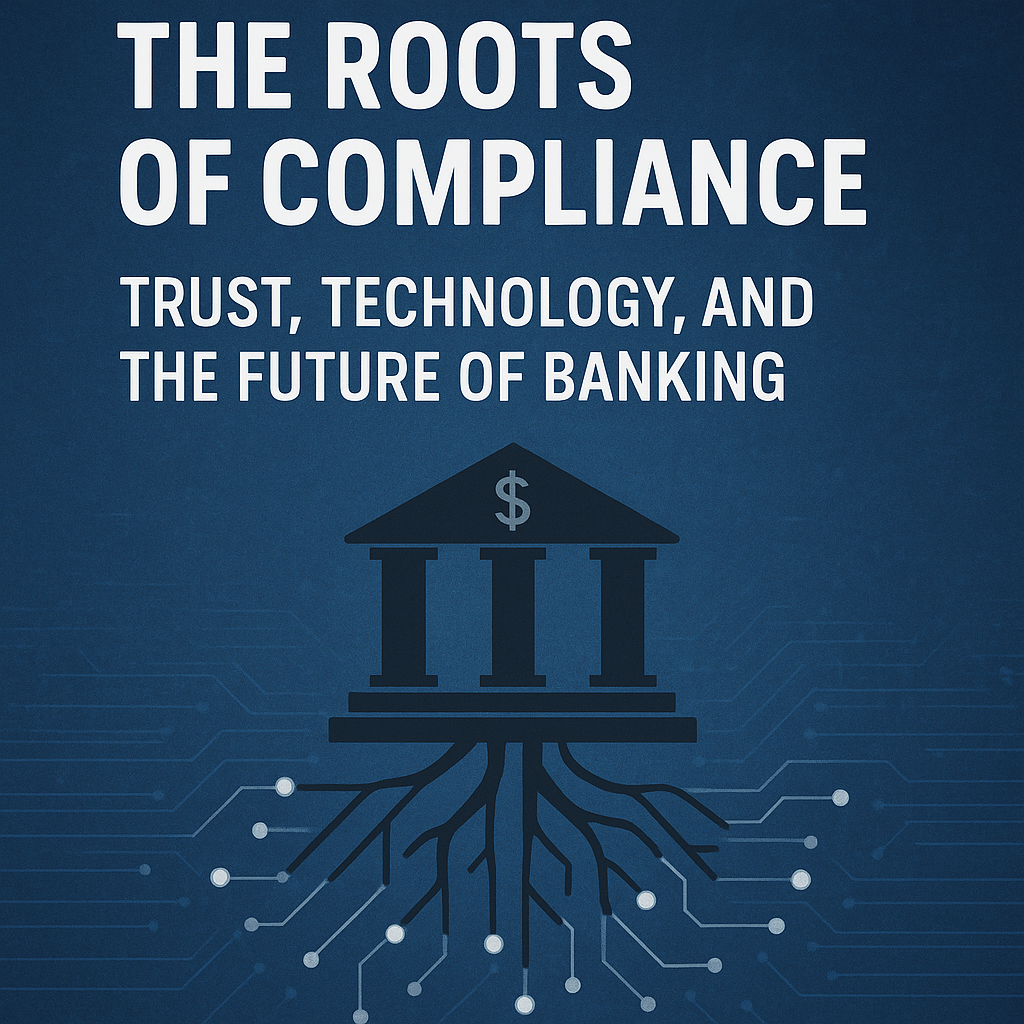
The Roots of Compliance: Trust, Technology, and the Future of Banking

Recently, I had the opportunity to visit with John Byrne, the CEO at Corlytics. You can listen to the podcast here. One of the more interesting topics we discussed is that compliance professionals find themselves at the intriguing crossroads between groundbreaking technological innovation and the timeless, foundational principles of compliance, notably trust and integrity. Nowhere is this more evident than in the banking sector, where the stakes around trust are extraordinarily high. Now, with the Trump Administration actively promoting cryptocurrency to both the US banking industry and the American public, that foundational principle is even more critical.

Historically, banking, with over two and a half centuries of operational legacy, has always relied fundamentally on customer trust. Indeed, long before modern regulatory structures emerged, banks implemented internal policies and compliance-like practices designed explicitly to instill and maintain confidence. Yet despite advancements in regulation and technology, the principle remains unchanged: trust is the lifeblood of banking, and when it falters, the consequences can be catastrophic.

Nothing illustrates this more starkly than the old-fashioned bank run, perhaps the ultimate demonstration of breached trust. In a bank run, customers simultaneously lose faith in the institution’s ability to safeguard their assets, rushing en masse to withdraw funds. This panic-driven action rapidly transforms initial doubt into widespread fear, creating an accelerating cascade effect that can swiftly collapse even seemingly robust institutions.

The recent 2023 examples of Silicon Valley Bank, Signature Bank, and First Republic Bank, all headquartered in California, underscore this timeless truth. Despite occurring in a digitally connected world with instantaneous communication, the root cause was identical to that of traditional bank runs, famously depicted in classic movies like Mary Poppins and It’s a Wonderful Life: a fundamental failure of trust. For today’s compliance professionals, the lesson remains clear and resonant. Even as they harness modern tools like artificial intelligence to enhance compliance processes, they must remain ever-vigilant custodians of trust, recognizing that without it, all technological advances and regulatory structures are ultimately insufficient to protect a bank, and indeed any business, from the devastating impact of lost confidence.

Lesson 1: Trust is the Foundation of Compliance

The essence of compliance has always been rooted in trust. Banking, as a sector with over 250 years of history, exemplifies this principle vividly. Long before the regulatory frameworks we recognize today, banks operated with internal policies designed to cultivate and maintain trust with their customers. Compliance, in its earliest incarnation, was about establishing clear standards and rules internally, ensuring customer confidence and institutional stability.

Today, despite the extensive web of external regulations, trust remains a central concern. The collapse of trust can trigger catastrophic outcomes, vividly illustrated by historical bank runs such as those portrayed in classic films like Mary Poppins and It’s a Wonderful Life. Even as recently as 2023, the failure of Silicon Valley Bank in California, a modern-day bank run accelerated by technology, reminds us starkly how fragile trust can be and how critical it remains for compliance professionals to safeguard it diligently.

Lesson 2: Compliance is Good Business

The notion of compliance as a hindrance to business, often unfairly labeled as the “business prevention unit,” is shifting dramatically. A sound compliance program aligns closely with strong business outcomes —a principle that has been repeatedly emphasized in recent years. Banks and businesses are increasingly recognizing compliance not as an obstacle but as an integral part of strategic business operations.

Good compliance facilitates a trustworthy reputation, ensures customer satisfaction, and establishes long-term business stability. Firms that embody compliance as a core business strategy consistently demonstrate resilience and sustainability. Compliance isn’t merely a regulatory necessity; it is fundamentally good business.

Lesson 3: Regulation Should Complement, Not Replace, Internal Standards

Historically, banks created their internal compliance measures to protect their institutions long before external regulation mandated such frameworks. Over time, regulatory developments have supplemented and formalized these practices, creating a structured external governance model. However, prudent banks continue to adhere to high internal standards irrespective of regulatory mandates.

Effective compliance frameworks seamlessly integrate internal ethical guidelines and external regulatory requirements, ensuring a unified approach to governance. Organizations shouldn’t solely rely on external regulations to dictate their ethical and operational standards. Instead, compliance professionals should encourage internal benchmarks of ethical behavior and trustworthiness, aligning company culture closely with compliance objectives to achieve sustainable business excellence.

Lesson 4: Technology as an Enabler of Efficient Compliance

One common complaint about compliance is its perceived inefficiency, which businesses argue slows down operations. Here, advanced technology, especially AI, presents transformative possibilities. AI-driven tools can significantly streamline compliance processes, enhancing speed, efficiency, and accuracy.

AI technologies allow compliance teams to swiftly identify risks, maintain comprehensive documentation, provide clear audit trails, and escalate issues rapidly and accurately. Rather than viewing technology as complicating compliance, companies should embrace it as an essential tool enabling compliance professionals to focus on strategic, high-value tasks rather than routine manual processes. This technological enablement does not replace skilled compliance professionals. It enhances their capabilities, ensuring more effective outcomes for the business as a whole.

Lesson 5: Compliance Should Be Proactive, Not Reactive

Compliance practices should always be forward-looking and proactive, anticipating potential issues and acting accordingly. Banks and businesses that are successful in managing risk and maintaining trust have learned not to wait for regulators to dictate ethical standards. They proactively implement robust compliance and governance frameworks because they recognize that doing the right thing is inherently good for business.

Proactive compliance fosters customer trust, internal coherence, and institutional resilience. It positions companies to avoid reputational and financial harm, reducing the likelihood of regulatory actions or scandals. Compliance professionals must champion a proactive approach, integrating ethics and integrity at every organizational level, ensuring firms remain compliant and trustworthy, irrespective of whether regulatory bodies explicitly require it.

Conclusion: A Sustainable Business Model Through Good Compliance

The future of compliance in banking, and indeed all industries, rests at the intersection of timeless principles and modern technology. Trust, always the cornerstone of compliance, remains a foundational element. Technology, particularly artificial intelligence (AI), offers powerful new tools to reinforce and streamline compliance functions, enabling more efficient, accurate, and effective oversight.

Compliance professionals stand at the threshold of an exciting era where they can leverage advanced technologies to reinforce and extend the timeless principle of trust. By returning to the roots of compliance, embedding trust deeply into corporate culture, and embracing technology as a powerful enabler, businesses will not only fulfill regulatory requirements but also establish a resilient, customer-centric, and sustainably profitable business model. Compliance, done right, transcends its role as merely regulatory adherence. It becomes a fundamental pillar of sound business practice.

Categories
Blog

The Future of Compliance: From Risk Management to Strategic Business Partner

Recently, I had the opportunity to visit with John Byrne, the CEO at Corlytics. You can listen to the podcast here. One of the areas we discussed is that the compliance landscape is experiencing a fundamental shift, moving compliance professionals from traditional gatekeeping roles to strategic leadership positions within their organizations. Historically viewed as mere regulatory enforcers, compliance teams are increasingly recognized as essential partners in managing strategic risks. Recent global disruptions, such as unexpected tariffs and political upheavals that impact anti-corruption enforcement, as well as unprecedented events like the COVID-19 pandemic, underscore the inadequacies of traditional, static compliance frameworks.

These events emphasize a crucial truth: compliance must become agile, proactive, and deeply integrated into core business strategies to effectively anticipate and respond to rapidly evolving risks. The compliance function of tomorrow is not simply reactive; it actively shapes organizational resilience and strategic decision-making. By harnessing advanced technologies like artificial intelligence, compliance professionals can significantly enhance their capacity to identify and manage emerging risks rapidly.

In this transformed role, compliance becomes not just a defensive measure but a strategic asset positioned to enable innovation, accelerate growth, and protect organizational integrity. Embracing this vision is essential if compliance teams are to fully realize their potential as indispensable strategic leaders, securing their organizations against unforeseen challenges and positioning them for sustained success.

Lesson 1: Recognizing Compliance as Strategic Risk Management

Compliance is evolving from a purely regulatory-driven necessity into a dynamic strategic asset. At its core, compliance is a risk management process that involves identifying, assessing, managing, and mitigating risks to ensure organizational stability and effectiveness. Traditionally, this process has been laborious, reactive, and often separated from core business functions. Now, aided by technology such as artificial intelligence (AI), compliance professionals can leverage dynamic traceability and advanced analytics to accelerate risk identification and assessment dramatically.

In this rapidly evolving environment, compliance must take an active leadership role. Rather than passively reacting to regulatory requirements, compliance professionals need to proactively anticipate and manage emerging threats, positioning themselves as forward-thinking strategic advisors who protect and enable business growth.

Lesson 2: No More Black Swans—Every Risk Must Be Anticipated

Historically, compliance teams spent significant resources preparing for rare, highly impactful “black swan” events. However, recent history teaches that events previously considered extraordinary, such as pandemics, economic disruptions, or sudden political shifts, are becoming increasingly commonplace. There are no actual black swan events anymore; instead, there are just unexpected events.

Compliance professionals must recalibrate their mindset and methods, accordingly building agile systems capable of rapid adaptation. Compliance frameworks must be resilient, flexible, and proactive enough to manage uncertainties and unexpected scenarios effectively, even those we have not imagined yet. Rather than planning for specific black swans, compliance teams need adaptive frameworks and advanced scenario-planning capabilities to navigate an uncertain future.

Lesson 3: Embedding Compliance Directly into Core Business Operations

One of the most promising evolutions in compliance is its integration directly into the heart of business operations. Traditionally, compliance and operational functions operated in isolation, often misunderstanding or miscommunicating with one another. Compliance would issue requirements, leaving operational teams struggling to interpret and effectively implement directives.

Future-oriented compliance departments must break down these walls. The ideal structure aligns compliance closely with operational teams, creating shared understanding and cooperation. For instance, onboarding a large corporate client at a tier-one bank typically takes 40 days. Embedding compliance directly into the onboarding process and leveraging real-time compliance monitoring and collaboration could dramatically shorten this timeframe, delivering tangible value to customers and the firm.

Lesson 4: Creating a Learning Compliance Organization

A strategic compliance function doesn’t merely enforce rules; it continuously learns and adapts. It asks key questions: How can we improve outcomes? How can compliance processes create greater value for the business and its clients?

To become genuinely strategic, compliance departments must embrace a culture of continuous improvement. They should leverage advanced technologies, foster cross-functional teamwork, and cultivate an open and collaborative learning culture that continually seeks improvement in processes and outcomes. By shifting towards this learning organization model, compliance can better support business growth, enhance customer satisfaction, and foster a competitive advantage.

Lesson 5: Leveraging ‘What If’ Scenario Planning to Enable Business Innovation

A dynamic compliance function can actively support and accelerate business innovation through sophisticated “what if” scenario analysis. Instead of merely assessing past risks, compliance teams equipped with advanced analytical tools can proactively evaluate risks associated with potential future business decisions.

This capability enables compliance professionals to quickly analyze the implications of entering new markets, launching innovative products, or changing business strategies. Imagine compliance contributing proactively during product development, swiftly identifying regulatory or operational roadblocks. This proactive, strategic role not only prevents future compliance issues but also dramatically accelerates innovation, reduces client pain points, and fosters faster, more confident business decisions.

Compliance as a Critical Strategic Partner

The compliance profession stands at a crossroads, with immense potential to redefine itself as a strategic asset essential to organizations. Compliance professionals possess a unique skill set that enables them to lead dynamic risk management efforts—identifying risks, rapidly deploying mitigation strategies, and facilitating proactive decision-making. By leveraging technologies like AI and cultivating deep integration with operational functions, compliance departments can reposition themselves from gatekeepers to strategic business enablers.

The future of compliance lies in proactive leadership, continuous learning, and deep integration within the organization’s strategic fabric. This evolution not only enhances compliance outcomes but also transforms compliance into a mighty, positive contributor to organizational growth, innovation, and success.

Categories
Blog

From Compliance to Strategic Risk Management: A Conversation with John Byrne

I recently had an opportunity to sit down with John Byrne, CEO of Corlytics, for a podcast recording. The episode is posted here in my Compliance and AI podcast. Corlytics sponsored the podcast. We had a fascinating conversation about the next steps forward for compliance professionals, exploring tools, insights, and strategies that help us not just react to regulatory changes but proactively embed compliance into the heart of business operations.

Corlytics has recently achieved ISO 42001 certification, a milestone that marks it as a true pioneer in the RegTech space. For those unfamiliar, ISO 42001 establishes rigorous standards for AI model testing, validation, and robust processes that protect against misuse and data vulnerabilities. Byrne emphasized that this certification demonstrates the company’s dedication to applying meticulous, methodical processes typically reserved for cloud computing security to the burgeoning field of AI. Given the increasing centrality of AI to operational infrastructure, John argued convincingly that managing AI risks should be as rigorous and robust as managing any critical business software.

We dove deeper into AI’s role in compliance, highlighting a shift from reactive detective strategies to proactive, predictive capabilities. Compliance, historically viewed as the “business prevention unit,” has undergone significant evolution. AI-driven solutions enable the considerable acceleration of compliance operations, leading to improved outcomes and enhanced traceability. This means compliance professionals can now focus their expertise on strategic issues rather than mundane, repetitive tasks.

Byrne also linked compliance with fundamental banking principles, reminding us that compliance is not a new concept, but rather, it is rooted in maintaining trust. Banking, at its core, is about trust, and the robustness of compliance directly affects this trust. This echoes the historical narrative that compliance is not merely about following rules but also about ensuring long-term business viability and customer satisfaction. Compliance, at its best, is good business.

One of the critical compliance risks in AI highlighted during our conversation was data poisoning, a growing and increasingly significant threat. Bad actors deliberately corrupt AI training data to manipulate model outputs, creating misleading results. John pointed out that managing this risk involves rigorous data provenance checks and cleansing techniques. The objective is not only to secure data but also to validate its accuracy and integrity continuously.

We also explored the distinction between large language models (LLMs) and small language models (SLMs). While LLMs like ChatGPT excel with vast datasets, SLMs are invaluable when privacy, specificity, and accuracy are paramount, such as in proprietary compliance controls within financial institutions. John’s insights into this nuanced approach are particularly critical for compliance professionals managing highly confidential or regulated information.

Moreover, our discussion touched on traceability and auditability, key concerns for compliance practitioners. AI solutions now facilitate real-time audit trails, enabling the immediate tracing of every compliance decision, control update, and policy shift back to their origins. The emphasis is clear that automation and digitization are not optional; they should be viewed as necessary to meet current regulatory expectations effectively.

Byrne provided a powerful case study example regarding dynamic traceability, from risk identification to response, highlighting how AI can dramatically compress timeframes. Traditionally, significant regulatory changes, such as those stemming from MiFID II, would take organizations months or even years to fully operationalize. Today, AI-driven systems can manage this lifecycle in seconds. Such rapid responsiveness not only ensures compliance but also provides strategic flexibility, which is crucial in our ever-changing regulatory landscape.

Recent geopolitical developments underscored the strategic potential of compliance as a proactive risk management function. The Trump Administration’s suspension of FCPA investigation and enforcement raises questions about the role of compliance in the absence of strict regulatory frameworks. A key compliance response is embedding compliance within core business operations, as this integration is a powerful enabler rather than a mere defensive posture. Once again, we see that effective compliance drives more efficient business operations, leading to greater profitability.

Finally, we discussed the future of RegTech, which Byrne believes will democratize compliance technology. Historically restricted to larger financial institutions, advanced compliance tech is now becoming accessible to smaller entities, leveling the competitive field. This democratization ensures that sophisticated compliance is no longer the privilege of only the largest, most resource-rich banks.

In wrapping up our conversation, it became clear that AI and compliance together represent not just a shift but a leap forward, transforming compliance from a cost center into a strategic business partner capable of driving significant organizational value. It’s an exciting time to be a compliance professional as we witness firsthand how AI innovation is reshaping our roles and the very nature of compliance itself.

Stay smart, stay ethical, and, as always, stay compliant. The future is here, and AI is powering it.

Categories
Compliance and AI

Compliance and AI: Revolutionizing Risk Management with John Byrne

What is the role of Artificial Intelligence in compliance? What about Machine Learning? Are you using ChatGPT? These are but three questions we will explore in this cutting-edge podcast series, Compliance and AI, hosted by Tom Fox, the award-winning Voice of Compliance. In this episode, Tom welcomes John Byrne, founder and CEO at Corlytics, to discuss the company’s groundbreaking ISO 42001 certification and its significance for RegTech.

They delve into the evolving role of compliance, emphasizing the transition from reactive to proactive problem-solving. John highlights the shift towards AI-centric operations at Corlytics, aiming for enhanced accuracy, consistency, and traceability in compliance processes. The conversation explores the benefits and risks of AI, including data poisoning and the practical differences between large and small language models. They also touch upon integrating compliance into core business operations, aiming for better client outcomes and speeding up processes like account opening. John envisions RegTech becoming widely accessible, benefiting even the smallest regulated players by enabling proactive business solutions and reducing bottlenecks.

Key highlights:

  • ISO 42001 Certification and Its Importance
  • AI in Compliance and Security
  • AI as an Everyday Tool in Banking
  • Large Language Models vs. Small Language Models
  • Data Poisoning and Its Risks
  • Dynamic Traceability and Policy Lifecycle
  • Compliance as a Strategic Risk Management Tool

Resources:

John Byrne on LinkedIn

Corlytics

Tom Fox

Instagram

Facebook

YouTube

Twitter

LinkedIn

Check out my latest book, Upping Your Game: How Compliance and Risk Management Move to 2030 and Beyond, available from Amazon.com.

Categories
Innovation in Compliance

Innovation in Compliance: John Byrne and Corlytics – Innovations in Regulatory Compliance

Innovation comes in many areas, and compliance professionals need to be ready for it and embrace it. Join Tom Fox, the Voice of Compliance, as he visits with top innovative minds, thinkers, and creators in the award-winning Innovation in Compliance podcast.

In this episode, Tom speaks with John Byrne, founder and CEO of Corlytics.

John shares his background as a serial entrepreneur focusing on technology and finance and discusses the inception and mission of Corlytics. The conversation delves into the complexities of regulatory compliance, the need for real-time risk assessments, and the integration of AI and machine learning in regulatory monitoring.

John also explores how Corlytics helps financial institutions navigate evolving regulations, including ESG metrics, and forecasts the future regulatory landscape. This episode offers valuable insights for professionals interested in compliance, risk management, and the role of technology in these fields.

Key Highlights:

  • Founding Corlytics and Its Mission
  • Real-Time Risk Assessment
  • Policy Management and Global Compliance
  • Impact of Current Events on Financial Institutions
  • The Rise of ESG in Financial Institutions
  • Future of Regulation and AI

Resources:

John Byrne on LinkedIn.

Corlytics

Tom Fox

Instagram

Facebook

YouTube

Twitter

LinkedIn