Categories
Blog

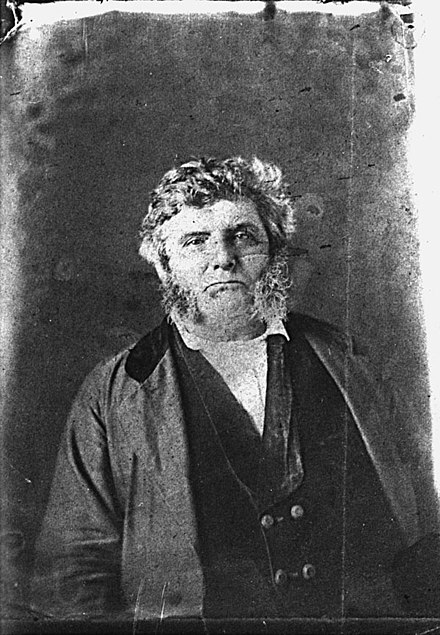
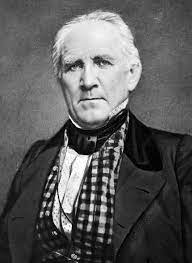
Leadership Lessons from the President of the Republic of Texas-Sam Houston, 2nd Term: The Road to Annexation

The Republic of Texas holds a unique place in American history as a short-lived independent nation. In this special four-part blog post series, I will be diving into the intriguing world of the presidents of the Republic of Texas, shedding light on their leadership styles, political tensions, and the challenges they faced. This blog post focuses on the second term of Sam Houston as the Republic of Texas moved towards annexation by the United States.

During his second term as president of the Republic of Texas, Sam Houston faced numerous challenges and made strategic decisions to stabilize the financial situation and address conflicts with Mexico. Despite his efforts, Houston was unable to achieve his goal of annexing Texas during his administration. This article will provide a comprehensive analysis of the key factors that impacted Sam Houston’s presidency and the annexation of Texas, exploring the tradeoffs involved and the challenges associated with different approaches.

One of the significant factors that influenced Houston’s presidency was the dire financial situation of the Republic of Texas. The country was on the brink of economic collapse, and Houston took decisive actions to stabilize the situation. He disbanded and sold the navy, considered furloughing the army, and appointed Alexander Somerville to lead a punitive expedition against Mexico. These measures aimed to reduce expenses and address conflicts with Mexico, which posed a threat to the stability of the Republic.

Another crucial aspect of Houston’s presidency was the issue of immigration and the abundance of land in Texas. The Republic of Texas had a welcoming attitude towards immigrants, particularly from Germany, and land was plentiful and affordable. Those who fought during the Texas Revolution were given the opportunity to survey anywhere they wanted, and the Texas General Land Office ensured that individuals could secure their land rights. This policy attracted foreign immigration and contributed to the growth of the Republic.

The annexation of Texas to the United States was a topic of great interest for President Tyler and previous presidents. However, there were significant concerns and challenges associated with the annexation. One of the main concerns was the potential conflict with Mexico, which made it uncertain and risky for the United States to pursue annexation. Additionally, there were fears that annexing Texas would energize the issue of slavery, as Texas was a large territory with unclear boundaries. Abolitionists argued that annexation would lead to the expansion of slavery and the inability to contain its spread.

Despite these challenges, Texas overwhelmingly voted in favor of annexation, while the United States was more divided on the issue. The annexation of Texas marked the end of its existence as a republic and had implications for national politics in the years to come. The United States assumed the Texas public debt as part of the annexation deal, and Texas retained its public lands. This decision proved to be of immense importance as these public lands later became a source of great wealth for Texas, especially with the discovery of petroleum.

Sam Houston’s second term as the President of the Republic of Texas, which took place from 1841 to 1844, presented a different set of leadership challenges and lessons compared to his first term. Here are some leadership lessons that can be drawn from his second term.

  1. Prudent Financial Management: During his second term, Houston faced significant financial difficulties as the Texas government was burdened with debt. He demonstrated the importance of prudent financial management and the need for compliance and business leaders to make tough decisions to address fiscal challenges. Resources and head count are always an issue for every CCO.
  2. Crisis Management: Houston’s presidency during his second term coincided with the Texan Santa Fe Expedition, which ended in failure and a political crisis. Compliance leaders should be prepared to handle crises effectively, including taking responsibility when necessary and working to resolve the aftermath.
  3. Courage: Houston displayed political courage by advocating for peace with Native American tribes and addressing the aftermath of the failed Santa Fe Expedition, even when his decisions were not universally popular. Leaders should be willing to make difficult decisions that align with their principles and the best interests of their constituents. CCOs may one day have to speak truth to power and real courage may well be needed.
  4. Statesmanship: Houston’s second term was marked by efforts to stabilize the government and seek solutions to Texas’s problems. He demonstrated statesmanship by working to mend relationships with Mexico and the United States, emphasizing the importance of diplomacy and peaceful solutions. The DOJ has said the compliance function is the holder of institutional justice and institutional fairness in a corporation and there dual requirements may well require compliance statesmanship.
  5. Strategic Communication: Effective communication is essential during times of crisis. Houston employed strategic communication to explain his actions and decisions to the Texan population, helping to maintain public support during challenging times. Communications remains a key concept in the Hallmarks of an Effective Compliance and an important tool in every CCO toolkit.
  6. Long-Term Vision: Despite the immediate challenges, Houston maintained a long-term vision of Texas’s future as part of the United States. Leaders should keep their ultimate goals in sight, even when dealing with short-term difficulties. Every CCO should have a one-, three- and five-year vision for your compliance program.
  7. Learning from Mistakes: Houston’s second term included significant setbacks, such as the Santa Fe Expedition failure. He recognized the importance of learning from mistakes and adjusting his approach, demonstrating resilience and adaptability as a leader. Every misstep is an opportunity for growth in a compliance regime, see it as such.
  8. Building Consensus: Houston sought to build consensus and work with various factions in the Texas government to achieve his goals. Leaders should be adept at building alliances and finding common ground to move forward. CCOs can only be effective through consensus and this skill must be refined every day.
  9. Legacy and Reflection: Houston’s leadership legacy was shaped not only by his successes but also by how he handled adversity. Leaders should reflect on their actions and decisions, considering how they will be remembered in the long run. What will your legacy be as a compliance professional. Think about giving back or as Lisa Fine and Mary Shirley say ‘send the elevator back down.’
  10. Commitment to Public Service: Throughout his second term, Houston remained committed to serving the best interests of the people of Texas, even when faced with significant challenges. Compliance leaders should prioritize public service and the well-being of their employees.

Sam Houston’s second term as the President of the Republic of Texas illustrates the importance of financial prudence, crisis management, political courage, statesmanship, and strategic communication. It also underscores the value of learning from mistakes and maintaining a long-term vision as a leader.

In conclusion, Sam Houston’s second term as president and the annexation of Texas were influenced by various factors. Houston’s strategic decisions aimed to stabilize the financial situation and address conflicts with Mexico. The welcoming attitude towards immigrants and the abundance of land in Texas played a significant role in the growth of the Republic. The annexation of Texas faced challenges due to concerns about conflict with Mexico and the expansion of slavery. However, the decision to retain Texas’ public lands proved to be crucial for the future prosperity of the state. The episode of Presidential Leadership provides valuable insights into the complexities and tradeoffs involved in Sam Houston’s second presidential term and the annexation of Texas.
Categories
Blog

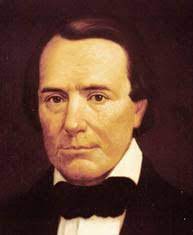
Leadership Lessons from the Presidents of the Republic of Texas-Mirabeau B. Lamar: Impact and Controversies

The Republic of Texas holds a unique place in American history as a short-lived independent nation. In this special four-part blog post series, I will be diving into the intriguing world of the presidents of the Republic of Texas, shedding light on their leadership styles, political tensions, and the challenges they faced. This blog post focuses on Mirabeau B. Lamar, the third president of the Republic of Texas.

Lamar left a lasting impact on the state’s history. Known for his bravery in battle and his poetic nature, Lamar made significant contributions to education and played a key role in establishing the city of Austin as the capital. However, his presidency was not without controversy, particularly regarding his Indian Removal Policy and his failed expedition to Santa Fe.

Lamar’s military prowess was evident during the Battle of San Jacinto, where he earned a battlefield promotion from private to colonel. His fearlessness and tender heart were on display as he fought alongside his comrades. After the battle, Lamar transitioned into the civilian realm and was appointed Secretary of War by provisional president Burnett. This appointment showcased Lamar’s diverse interests and his belief in his own abilities as a polymath.

One of Lamar’s most significant contributions was his dedication to education. He is often referred to as the father of education in Texas, as he implemented policies to establish a primary and secondary educational system. Recognizing the importance of education in building a nation, Lamar set aside acreage from every survey to support a public education fund. However, the implementation of these policies varied across different communities and counties, with some embracing the idea while others ignored it. It would take several decades for Lamar’s vision to fully materialize.

Lamar’s vision for Texas extended beyond education. He played a pivotal role in the establishment of Austin as the capital, strategically positioning it as the crossroads of empire. By moving the capital from Houston to Austin, Lamar was playing the long game, anticipating the eventual annexation of Texas by the United States. His foresight and belief in the potential of Austin as a hub of commerce and influence laid the foundation for the city’s growth and development.

Despite his accomplishments, Lamar’s presidency was not without controversy. His Indian Removal Policy led to the forced removal of indigenous tribes from Texas. This policy, driven by Lamar’s belief in the superiority of Anglo-American civilization, resulted in the displacement and suffering of Native American communities. Additionally, Lamar’s ambitious expedition to Santa Fe proved to be a financial disaster, significantly increasing the national debt of the Republic of Texas.

As we have noted, Lamar’s presidency was marked by controversy and division, there are still some leadership lessons that can be gleaned from his time in office. While there are leadership lessons that can be derived from his time in office, there are also important lessons about the consequences of certain leadership decisions and the need to balance ambition with ethical considerations.

  1. Vision and Ambition: Lamar had a grand vision for the Republic of Texas, which included expanding its territory and building a strong, independent nation. His ambition and willingness to think big can be seen as a positive leadership trait, as it inspired others to work towards a common goal. CCOs can help lead an organization through vision for a compliance program and ambition to see it through.
  2. Determination: Lamar was determined to achieve his vision for Texas, even in the face of challenges and criticism. This determination can be seen as a key leadership quality, as compliance leaders often need to persevere through difficult times to achieve their objectives.
  3. Strong Communication: Lamar was an eloquent speaker and writer, and he used these skills to communicate his vision and ideas to the people of Texas. Effective communication is a crucial leadership skill, as it helps to inspire and motivate others. It still is today.
  4. Decision-Making: Lamar made some controversial decisions during his presidency, including his policy towards Native American populations. While not all of his decisions were popular, he demonstrated a willingness to make tough choices and take responsibility for them. Compliance leaders often need to make difficult decisions, and the ability to do so is an important leadership trait.
  5. Nationalism: Lamar was a strong advocate for Texas independence and nationalism. He believed in the importance of a distinct Texan identity and worked to promote it. This shows that effective compliance leaders can inspire a sense of identity and pride in their followers, which can be a powerful motivator.
  6. Long-Term Planning: Lamar’s vision for Texas extended beyond his presidency, as he worked to lay the groundwork for future growth and development. Effective compliance leaders often think beyond their immediate term in office and plan for the long-term success of their organizations or nations.
  7. Handling Criticism: Lamar faced criticism and opposition during his presidency, but he remained steadfast in his convictions. Compliance leaders should be prepared to face criticism and push back. The key is to learn how to respond to it constructively while staying true to their principles.

The political landscape during Lamar’s presidency was marked by personal animosity and rivalries. His predecessor, Sam Houston, and Lamar were on opposite sides of the political spectrum and had a contentious relationship. Lamar undid many of Houston’s policies, further highlighting the divide between the two leaders. However, despite their differences, both Houston and Lamar left lasting impacts on Texas, navigating their presidencies with resilience and determination.

It is important to consider the tradeoffs and challenges associated with Lamar’s impact and controversies as Texas president. While his contributions to education and the establishment of Austin as the capital were significant, his Indian Removal Policy and failed expedition to Santa Fe highlight the complexities of leadership and decision-making. Balancing different factors and considering the impact on various communities is crucial when evaluating the legacy of leaders like Mirabeau B. Lamar.

In conclusion, Mirabeau B. Lamar’s presidency had a profound impact on Texas. His bravery in battle, dedication to education, and strategic vision for the state left a lasting legacy. However, his controversial policies and ambitious endeavors also sparked debate and criticism. Lamar’s presidency serves as a reminder of the complexities and challenges faced by leaders in shaping the course of a nation’s history.

Categories
Blog

Leadership Lessons from the Presidents of the Republic of Texas – Sam Houston, 1st Term: Strategic Vision

The Republic of Texas holds a unique place in American history as a short-lived independent nation. In this special four-part blog post series, I will be diving into the intriguing world of the presidents of the Republic of Texas, shedding light on their leadership styles, political tensions, and the challenges they faced. This blog post focuses on the first Presidential term of Sam Houston.

Despite facing numerous challenges, including dire public finances and domestic issues, Houston made bold decisions that aimed to make the Republic of Texas an attractive annexation target. One of his key moves was abolishing the navy and army, which helped to reduce expenses and signal to potential backers that Texas was a safe bet. Houston also pursued peace treaties with indigenous peoples, such as the Cherokees, to maintain stability and foster positive relations.

One of the most intriguing aspects of Houston’s strategic efforts was his exploration of alliances with foreign powers, particularly Great Britain. He recognized that the expansion of slavery was a critical issue in American politics at the time. Abolitionists wanted to contain slavery, while proponents of slavery sought to ensure a market for enslaved people. Houston saw an opportunity to curry favor with the British by suggesting the cessation of slave importation to Texas. This move aimed to appeal to the leading abolitionist nation and make Texas more attractive for annexation.

Houston’s strategic approach, however, was not without its tradeoffs and challenges. While he may have gained the support of southerners who favored annexation, he faced opposition from abolitionists who wanted Texas to be a free state. Balancing these conflicting interests was no easy task. Houston’s efforts to appease the British and secure their support for annexation were met with skepticism. Nevertheless, he did everything humanly possible to set the Republic of Texas up as an attractive annexation target.

His first term from 1836 to 1838 offers several valuable leadership lessons:

  1. Strategic Leadership: Houston was a strategic thinker who recognized the long-term implications of his decisions. He understood the importance of gaining international recognition for Texas, and he worked diligently to secure it. Effective business and compliance should have a strategic mindset, thinking beyond short-term gains to achieve long-term goals.
  2. Diplomacy and Negotiation: Houston’s ability to negotiate with Native American tribes and secure peace treaties helped stabilize the region. His diplomatic skills highlight the importance of negotiation and conflict resolution in compliance leadership.
  3. Vision and Persistence: Houston was a visionary leader who advocated for Texas to become a part of the United States eventually. He pursued this vision despite initial setbacks, demonstrating that leaders often need to persevere in facing challenges to achieve their goals.
  4. Adaptability: Houston’s leadership spanned both military and political roles, and he adapted to the changing circumstances of Texas. CCOs and compliance leaders should be flexible and able to adjust their approach as circumstances evolve.
  5. Charisma and Influence: Houston possessed charm and the ability to inspire and motivate people. His ability to rally support for the Texas cause, domestically and internationally, underscores the importance of charisma and influence in compliance leadership. In many ways, influence is the key skill for CCOs to develop.
  6. Resilience and Bouncing Back: After serving as the president during his first term, Houston faced political difficulties and personal challenges. This demonstrates the importance of strength and the ability to bounce back from setbacks. Once again, resilience is a critical compliance professional skill.
  7. Empathy and Inclusiveness: Houston worked to promote inclusiveness and build bridges between different cultural and ethnic groups in Texas. His efforts to establish positive relationships with Native American tribes reflect the importance of empathy and inclusiveness in leadership.
  8. Strategic Alliances: Houston recognized the value of forming strategic alliances with individuals and nations that could support Texas. CCOs and compliance professionals must be adept at forming alliances and partnerships to help achieve their goals.

Houston’s leadership during his first term as president of the Republic of Texas offers a rich source of leadership lessons, including strategic thinking, diplomacy, adaptability, and the importance of resilience and charisma. These lessons remain relevant for leaders in various contexts today.

Despite his strategic efforts, Houston could not run for re-election because of term limits on the presidency. This limitation was a setback for the Republic of Texas, as Houston had proven himself to be a skilled leader who navigated complex political landscapes and overcame significant obstacles.

In conclusion, Sam Houston’s vision for Texas as an expansion of the United States marked his strategic efforts for Texas annexation from 1836 to 1838. He made bold decisions, such as abolishing the navy and army, pursuing peace treaties with indigenous peoples, and exploring alliances with foreign powers like Great Britain. Houston’s strategic approach aimed to make the Republic of Texas an attractive annexation target despite the challenges and tradeoffs involved. Even though term limits prevented him from serving a full term, his work laid the foundation for subsequent leaders. It ultimately aided in the United States’ annexation of Texas.

Categories
Blog

Leadership Lessons from the Presidents of the Republic of Texas – David Burnet: Building a Republic

The Republic of Texas holds a unique place in American history as a short-lived independent nation. In this special four-part blog post series, I will be diving into the intriguing world of the presidents of the Republic of Texas, shedding light on their leadership styles, political tensions, and the challenges they faced. This blog post focuses on one of the lesser-known presidents, David G. Burnett. It highlights the key factors that impacted the presidencies and politics of the early Republic of Texas.

David G. Burnett, who served as the first President of the Republic of Texas from March 1836 to October 1836, had a complex character and a fascinating background. He was an early adopter of filibustering, lending his sword to the Bolivarians in Venezuela during the Latin American wars for independence. However, he eventually returned to the United States when factions within the revolutionary forces split.

Burnett arrived in Texas in 1826 as an impresario, but his venture as a land grant holder failed. He was also known for his solid Presbyterian beliefs, adding another layer to his character. Despite his short tenure as president, Burnett played a crucial role in the survival and legitimacy of the Republic of Texas.

One of Burnett’s notable achievements was his strategic retreats during the early days of the Republic. By moving the government promptly, he managed to avoid capture and preserve the fledgling nation’s chances of success. Additionally, Burnett’s decision to spare the life of Santa Ana, the Mexican general, demonstrated his understanding of the role Santa Ana could play in negotiations and helped maintain the credibility of the Republic of Texas.

However, Burnett’s presidency was not without its challenges. Tension and intra-personal politics characterized the power transfer from Burnett to his successor, Sam Houston. Burnett was initially reluctant to turn over the government to Houston, leading to name-calling and insults between the two. Eventually, Burnett resigned, allowing Houston to start his first term early. Despite their differences, Burnett and Houston would cross paths politically multiple times in the future.

Factions and differing visions for the nation characterized the politics of the early Republic of Texas. Burnett represented one vision, while figures like Sam Houston embodied another. These divisions extended beyond the question of independence, with debates over issues such as slavery and Indian policy. Personal politics played a significant role, with politicians openly insulting each other and even threatening duels.

Burnet’s short tenure as the first President of the Republic of Texas highlights the enduring relevance of these early political dynamics. The reality is that there is absolutely nothing new under the sun when it comes to vicious politics. The Republic of Texas, if captured on camera, would have made for great reality TV. The challenges faced by early Texas politicians resonate with the political landscape of today.

David G. Burnet’s story is one of resilience and principle. Despite personal tragedies and adversities, he remained committed to his beliefs. Burnett’s inflexibility on specific issues, such as his hardline stance on Indian policy, may have rubbed some people the wrong way. However, it is undeniable that he played a significant role in shaping the early Republic of Texas.

Exploring the presidencies and politics of the early Republic of Texas provides valuable insights into the challenges and tradeoffs involved in nation-building. The podcast series offers a comprehensive analysis of the key factors that impacted the Republic of Texas and highlighted the importance of considering historical context when making decisions about leadership and politics.

Some of the vital leadership lessons from Burnet include:

  1. Adaptability and Resilience: Burnet assumed office during a tumultuous time when Texas was engaged in a struggle for independence from Mexico. He had to adapt quickly to changing circumstances and make difficult decisions to ensure the survival of the fledgling republic. Compliance professionals and business leaders can learn from his ability to remain resilient and composed in adversity.
  2. Vision and Mission Focus: Burnet strongly advocated for Texas independence and had a clear vision for the republic’s future. Influential leaders articulate a compelling vision and mission that inspire their followers and provide a sense of purpose. Chief Compliance Officers should have a vision for their compliance program and constantly strive to implement it.
  3. Pragmatism: Burnet recognized the importance of practicality and pragmatism in leadership. He worked to secure international recognition and support for the Republic of Texas, demonstrating his ability to navigate complex diplomatic challenges. Business leaders and compliance professionals should be willing to adapt their strategies to achieve their goals.
  4. Commitment: Burnet’s commitment to the cause of Texas independence was unwavering. He endured personal hardships and challenges to advance the republic’s interests. Chief Compliance Officers who demonstrate dedication to their compliance vision and mission often inspire greater loyalty and commitment from their compliance teams.
  5. Communication Skills: Effective communication is a crucial leadership skill, and Burnet was known for his ability to convey the republic’s goals and needs to foreign governments and potential allies. It may go without saying, but I will say it anyway: every CCO and compliance professional must be adept at conveying their message clearly and persuasively.
  6. Collaborative Leadership: Burnet understood the importance of collaboration and worked closely with other leaders and military figures, such as Sam Houston, to achieve common goals. CCOs and compliance professionals who can build and maintain effective partnerships with the business team will achieve more significant results than those who cannot.
  7. Adherence to Principles: Despite his challenges, Burnet remained committed to liberty and self-determination. CCOs and compliance professionals uphold their core values and principles, even in the face of adversity or temptation to compromise.
  8. Graceful Transition: Burnet voluntarily stepped down from the presidency after his term, demonstrating a commitment to the democratic process and a willingness to facilitate a smooth transition of power. Business leaders should recognize when it is time to pass the torch and do so gracefully.

It is important to note that David Burnet’s leadership lessons should be viewed in the historical context of the Republic of Texas and its struggle for independence. While some aspects of his leadership may not directly apply to modern leadership challenges, the principles of adaptability, vision, commitment, and effective communication remain relevant for leaders in any era. David G. Burnett’s presidency, though short-lived, left a lasting impact on the nation. The tensions and personal politics between Burnett and Sam Houston exemplify the challenges faced by early Texas politicians. By understanding the complexities of this period, we gain valuable insights into the tradeoffs and challenges involved in nation-building.

Categories
Popcorn and Compliance

Popcorn and Compliance: Monster Movie Month – Count Dracula – Leadership and Branding Lessons

Tom Fox is back with his Classic Monster Movie Month, where he reviews a Classic Monster Movie from Universal Pictures from its Classic Monster Movie era of 1931 to 1947. During this month, I have explored Universal Pictures inspired by stories from Edgar Allen Poe. I want to end Classic Monster Movie Month by returning, if not to the source, to the original – the first Universal Picture, Dracula.

Classic monster movies have long captivated audiences with thrilling plots, iconic characters, and spine-chilling moments. However, beyond the scares and special effects, these films often contain deeper themes that explore ethical implications and leadership. In this episode of “Popcorn and Compliance,” Tom Fox is joined by Richard Lummis as they focus on the Universal Pictures classic monster movie “Dracula” and the valuable insights it provides for the compliance professional in branding and leadership.

The intriguing concept of Dracula as a model for compliance positioning, branding, and leadership is not as far-fetched as it may initially seem. The iconic character of Dracula, with his unique attributes and successful brand relaunch, offers valuable insights into these critical business aspects. Tom Fox, a seasoned business strategist, parallels Dracula’s strategies and successful business practices. He emphasizes the importance of unique positioning, defining a compelling brand, and effective leadership, drawing from Dracula’s aristocratic personality, mystery, and unique alter ego. Fox’s perspective is shaped by his extensive experience in business strategy and his keen ability to draw insightful lessons from unconventional sources. Join Tom Fox in this fascinating exploration of Dracula’s business strategies in the latest episode of the Popcorn and Compliance podcast.

Key Highlights:

  • Standing Out Like Dracula: Creating Unique Offerings
  • The Enduring Power of Dracula’s Brand
  • Embracing Dracula’s Strategic Branding for Success
  • Leadership Lessons from Dracula

Connect with Tom Fox:

Instagram

Facebook

YouTube

Twitter

LinkedIn

Categories
Blog

Dracula as a Model for Compliance Positioning, Branding, and Leadership

Today, we consider the iconic character of Dracula as a model for compliance positioning, branding, and leadership. At the same time, Dracula may seem like an unlikely source of inspiration for these topics. Still, his unique attributes and abilities offer valuable insights into standing out from competitors and positioning oneself for success in the business world.

One of the key lessons that can be learned from Dracula is the importance of differentiation. In business, unique offerings are crucial to set you apart from your competitors. Dracula’s alter ego, the ability to morph into a bat on demand, is a prime example of a differentiation factor. This differentiates him from other classic movie monsters like Frankenstein, the Wolf Man, and the Mummy. By understanding your competition and identifying what makes you unique, you can position your business in a way that gives customers a reason to choose your offerings.

Another aspect of Dracula’s brand is his aristocratic personality, mystery, and unique alter ego. These attributes define his brand and make him intriguing to his target audience. Dracula’s ability to mix well in high society, his shrouded intrigue, and his nocturnal feeding habits contribute to his brand identity. Like Dracula, businesses need to define their brand identity and ensure it aligns with their target market.

Dracula’s successful relaunch in London is an example of revitalizing a brand and adapting to a changing market. The podcast episode mentioned that Dracula had spent years researching and planning his move to London. He hired a lawyer real estate agent and even shipped 50 cartons of soil from Transylvania to ensure he always had a place to reside. This level of meticulous planning and attention to detail is a valuable lesson for businesses looking to relaunch or rebrand themselves. It is important to thoroughly research the market, identify the most favorable opportunities, and have contingency plans.

Leadership lessons can also be learned from Dracula. One of the key takeaways is the importance of identifying strengths and weaknesses. Dracula knew his strengths, such as his ability to charm and attract victims, and he leveraged them to his advantage. Additionally, effective communication and collaboration were crucial for Dracula’s success. He hired staff, such as gypsies, to protect him during daylight hours when he was vulnerable. This highlights the importance of engaging your staff and stakeholders, embracing what your business stands for, and leveraging their skills and expertise.

While Dracula may be a fictional character, the lessons that can be learned from his strategies apply to the business world. By studying Dracula’s positioning, branding, and leadership strategies, businesses can gain valuable insights into differentiating themselves, defining their brand identity, adapting to changing markets, and effectively leading their teams.

In conclusion, Dracula is a model for business positioning, branding, and leadership. His unique attributes and abilities offer valuable lessons on differentiation, defining brand identity, and adapting to changing markets. By studying Dracula’s strategies, businesses can gain insights into how to stand out from competitors and position themselves for success. Like Dracula, businesses must identify their strengths, plan meticulously, communicate effectively, and engage their staff and stakeholders. By applying these lessons, businesses can navigate the challenges of the business world and achieve their goals.

Categories
Popcorn and Compliance

Popcorn and Compliance: Monster Movie Month – The Raven – Power, Manipulation, and Ethics in Leadership

Tom Fox is back with his Classic Monster Movie Month, where he reviews a Classic Monster Movie from Universal Pictures from its Classic Monster Movie era of 1931 to 1947. This year, I want to look at some of the lesser-known movies and mine them for leadership and ethical lessons. We continue our journey of Edgar Allen Poe-themed movies with the 1934 Bela Lugosi and Boris Karloff class The Raven.

Classic monster movies have long captivated audiences with thrilling plots, iconic characters, and spine-chilling moments. However, beyond the scares and special effects, these films often contain deeper themes that explore ethical implications and leadership. In this episode of “Popcorn and Compliance,” Tom Fox focuses on the Universal Pictures classic monster movie “The Black Cat” and the valuable insights it provides into ethical decision-making and leadership.

“The Raven” is a film that delves into the dark side of power and manipulation, particularly in positions of authority. The main character, Dr. Richard Vollen, uses his influence to manipulate others into committing unethical acts, demonstrating the corrupting influence of power. The film is a cautionary tale emphasizing the importance of ethical conduct, empathy, and compassion in leadership. It also highlights the value of effective team dynamics in achieving common goals and fostering a positive work environment, including collaboration, open communication, and mutual respect.

One of the key factors explored in “The Raven” is the consequences of obsession. Dr. Vollen’s obsession with a particular surgical technique and his infatuation with Jean Thatcher lead to dire consequences. This highlights the need for leaders to be mindful of the potential destructive effects of their work and personal obsessions and ensure a broader ethical framework guides their actions.

Accountability is another important aspect of leadership that is highlighted in the film. There needs to be more accountability for Dr. Vollen’s actions until it’s too late. Effective leadership includes being accountable for one’s decisions and actions, and leaders should be responsible for the consequences of their choices.

Empathy and compassion are also explored in “The Raven.” Leaders who demonstrate empathy and compassion for others tend to foster healthier, more positive environments and relationships. This highlights the importance of considering the impact on others when making decisions about power, manipulation, and ethics in leadership.

Ethics in the pursuit of excellence is another theme in the film. Dr. Vollen’s pursuit of surgical excellence is admirable but becomes ethically problematic when it leads to harm. Leaders should uphold ethical standards even when striving for excellence in their fields.

While not a central theme in the film, the interactions among the characters demonstrate the importance of effective team dynamics. In any leadership setting, leaders should promote collaboration, open communication, and mutual respect within their teams.

It’s important to note that “The Raven” is a horror film, and the ethical and leadership examples presented are largely negative and cautionary. However, they remind leaders of challenges, such as the temptation of power, the consequences of obsession, and the continuing need for ethical decision-making, even in dire direst consequences.

In conclusion, “The Raven” provides a thought-provoking analysis of power, manipulation, and ethics in leadership. It highlights the importance of ethical conduct, empathy, and compassion in positions of authority. The film serves as a cautionary tale, reminding leaders of the tradeoffs in balancing different factors and the challenges associated with different approaches. By considering the impact on others and upholding ethical standards, leaders can navigate the complexities of power and manipulation while fostering a positive and ethical work environment.

Categories
Popcorn and Compliance

Popcorn and Compliance: The Mandalorian, Season 3 – Episode 5, The Pirate

Tom Fox and Jay Rosen are back with a special summer season of Popcorn and Compliance. In this special series, Tom and Jay will review The Mandalorian, Season 3. The Mandalorian, a popular series in the Star Wars universe, has captivated audiences with its unique blend of action, adventure, and lore. Get ready for a ton of fun, insights, and all things Grogu and Mandalorian. So buckle up and get ready for an exhilarating journey!

Welcome back to our podcast series, where we dive into the latest episode of The Mandalorian, Season 3, Episode 5, entitled “The Pirate. One of the key elements that have caught the attention of viewers and critics alike is the use of jetpacks and beskar alloy, both of which hold significant cultural and strategic value for the Mandalorians. Tom emphasizes the deeper meaning and significance of these elements, highlighting how they are not just cool gadgets but integral parts of the Mandalorian culture and storyline. On the other hand, Jay Rosen appreciates the visual appeal and narrative impact of these elements, praising the show’s attention to detail and the way it weaves these elements into the larger Star Wars universe.

Both Fox and Rosen gained these insights through their extensive experience analyzing and reviewing films and TV shows. If you’re interested in hearing more about their unique perspectives, join Tom Fox and Jay Rosen on this episode of the Popcorn and Compliance podcast.

The episode also introduced the concept of beskar alloy, a material of great importance in the Mandalorian universe. In “Breadcrumbs for Future Episodes,” the discovery of beskar alloy in Moff Gideon’s transport sets the stage for future plot developments. Beskar alloy is a highly durable and valuable material that holds great significance for the Mandalorians. It is not only used to create their iconic armor but also represents their cultural heritage and identity.

Beskar alloy is not just a material; it is a symbol of resilience and unity for the Mandalorians. The Mandalorian armor, forged from beskar, serves as a physical representation of their strength and commitment to their way of life. The importance of beskar alloy is further emphasized by the fact that it was found in Moff Gideon’s possession, hinting at his connection to Mandalorian culture and the potential conflicts that may arise in future episodes.

The episode also touches upon the indifference of the New Republic towards protecting planets on the Outer Rim. This highlights the challenges faced by those living on the fringes of the galaxy and the importance of self-reliance for survival. The Mandalorians, with their strong sense of community and willingness to protect others, step in to fill the void left by the New Republic.

The use of jetpacks and the significance of beskar alloy in The Mandalorian demonstrate the careful balance between practicality and symbolism. The jetpacks provide the Mandalorians with a tactical advantage in combat, while the beskar alloy represents their cultural heritage and resilience. These elements not only enhance the action and storytelling in the series but also add depth to the Mandalorian culture and its characters.

The episode showcases the importance of unity and resilience in the face of adversity. The Mandalorians’ use of jetpacks and their connection to Beskar alloy highlight their resourcefulness and commitment to their way of life. As the series progresses, it will be fascinating to see how these elements continue to shape the narrative and the characters’ journeys.

Both Fox and Rosen gained these insights through their extensive experience analyzing and reviewing films and TV shows. If you’re interested in hearing more about their unique perspectives, join Tom Fox and Jay Rosen on this episode of the Popcorn and Compliance podcast.

This is The Way!

Categories
The Circle of Gumption

The Circle of Gumption – A Leadership Mindset

Zig Ziglar Said  “I Believe Man was designed for accomplishment, engineered for success, and endowed with the seeds of greatness.” Kenneth O’Neal carries this tradition forward in his work and in this podcast, The Circle of Gumption, as he shows how maximizing your God-given talents and abilities leads to a successful, well-balanced existence in all areas of life. Join co-hosts Tom Fox and Kenneth O’Neal as they explore The Circle of Gumption to help change your life mentally, spiritually, physically, financially, and professionally by improving the health of your relationships with others and yourself.

The COVID-19 pandemic has undoubtedly brought about unprecedented disruption across industries, but amidst the chaos lies a unique opportunity for businesses in the United States. In a recent podcast conversation between Tom Fox and Kenneth O’Neal, they shed light on the importance of adopting the right mindset to approach this opportunity. By prioritizing employees and embracing a leadership mindset, businesses can navigate through these challenging times and emerge stronger than ever. We will delve into the key insights shared in the podcast and explore practical ways to seize the opportunities presented by this disruption.

The conversation between Fox and O’Neal revolves around the notion that disruption, such as that caused by the COVID-19 pandemic, can be a catalyst for growth and innovation. Rather than viewing it as a setback, businesses should embrace disruption as an opportunity to reimagine their strategies, products, and services. By reframing our mindset, we can start to see the silver linings and leverage them to our advantage.

O’Neal emphasizes that now is an outstanding time for great opportunities. He encourages business owners, managers, and entrepreneurs to adopt a growth mindset, which involves embracing challenges, persisting in the face of setbacks, and seeing failures as learning opportunities. By cultivating a growth mindset, leaders can inspire their teams to think creatively, adapt to change, and seize new opportunities that arise during times of disruption.

One crucial aspect emphasized in the conversation is the significance of prioritizing employees and treating them as valuable assets. O’Neal suggests that businesses should shift their focus from micromanaging tasks to empowering and coaching their employees. By doing so, leaders can create an environment that fosters innovation, collaboration, and employee growth. This approach not only boosts employee morale and productivity but also cultivates a sense of ownership and loyalty within the organization.

Rather than trying to do all the work themselves, managers, owners, and entrepreneurs should embrace the role of a leader and coach. This involves providing guidance, support, and mentorship to their teams, enabling them to thrive and reach their full potential. By adopting a coaching mindset, leaders can unlock their employees’ hidden talents, encourage autonomy, and foster a culture of continuous learning. This approach not only empowers employees but also allows leaders to focus on strategic decision-making and driving the business forward.

The COVID-19 pandemic has undeniably caused disruption, but it has also presented businesses with a unique opportunity for growth and innovation. By adopting the right mindset, prioritizing employees, and embracing a leadership and coaching role, businesses can navigate through these uncertain times successfully. Now is the time to seize the opportunities that arise from disruption, reimagine strategies, and empower our teams to thrive. Let us embrace this challenge as a chance to excel and emerge stronger, together.

Highlights Include

·      Disruption as an Opportunity

·      Power as a Grow Mindset

·      Prioritizing Employees

·      A Coaching Mindset

Resources

Kenneth O’Neal

The Circle of Gumption

Tom Fox

Instagram

Facebook

YouTube

Twitter

LinkedIn

Categories
Daily Compliance News

Daily Compliance News: August 15, 2023 – The All FT Edition

Welcome to the Daily Compliance News. Each day, Tom Fox, the Voice of Compliance brings to you compliance-related stories to start your day. Sit back, enjoy a cup of morning coffee, and listen in to the Daily Compliance News. All, from the Compliance Podcast Network. Each day we consider four stories from the business world, compliance, ethics, risk management, leadership, or general interest for the compliance professional.

  • African Development Bank not using ABC funds. (FT)
  • Aide to Madagascar leader arrested for corruption. (FT)
  • Bosses must take the time to learn from mistakes. (FT)
  • China de-coupling? (FT)