Categories
Fox on Podcasting

Fox on Podcasting – Arielle Nissenblatt on Podcasting Trends and Strategies for Business Success

Join Tom Fox as he explores the world of podcasting and gets ready to be inspired to start your own podcast. In this episode, Tom visits Arielle Nissenblatt, a podcasting expert with a rich career journey that includes Squadcast, Castbox, Descript, and Audily roles.

Arielle shares her love for podcasts, which began as a listener and turned her passion into a career through relentless networking, starting a podcast studio, and eventually working for various podcast companies. Arielle talks about her current role at Audily, where she heads the Pinwheel division, focusing on chat casts and B2B podcast production. She emphasizes the importance of creating high-value content and the flexible use of various formats to engage target audiences effectively.

The conversation delves into the international podcast scene, noting differences in enthusiasm and advertising prevalence between the U.S., Europe, and Asia. Arielle also highlights her strategies for successfully navigating podcast conferences and the importance of staying active on platforms like LinkedIn. For businesses looking to leverage podcasts, she offers insights into making content that resonates with audiences and potential advertisers. The episode is a treasure trove of tips and trends for both new and seasoned podcasters.

Key highlights:

  • Arielle’s Journey into Podcasting
  • Working at Audily
  • Podcast Marketing Strategies
  • Podcast Conferences and Events
  • Future Trends in Podcasting

Resources:

Connect with Arielle on Linkedin

Audily

EarBuds Podcast Collective

Tom

Instagram

Facebook

YouTube

Twitter

LinkedIn

Categories
Daily Compliance News

Daily Compliance News: March 14, 2025, The $200 Transaction Edition

Welcome to the Daily Compliance News. Each day, Tom Fox, the Voice of Compliance, brings you compliance-related stories to start your day. Sit back, enjoy a cup of morning coffee, and listen in to the Daily Compliance News—all from the Compliance Podcast Network. Each day, we consider four stories from the business world: compliance, ethics, risk management, leadership, or general interest for the compliance professional.

Top stories include:

  • Treasury flags $200 transactions at the border. (WSJ)
  • Judge orders rehire of fired federal employees. (FT)
  • Server fraud claims in Singapore reach $390MM. (Reuters)
  • Huawei bribery scandal hits EU. (Politico)
Categories
Reel Creators of the Texas Hill Country

Reel Creators of the Texas Hill Country: Season 1: Taylor King’s Journey in Filmmaking

Welcome to Reel Creators of the Texas Hill Country, where we dive deep into the heart of filmmaking in one of America’s most unique and captivating landscapes. From rolling hills and rustic towns to thriving cities and hidden gems, the Texas Hill Country offers endless inspiration for filmmakers, and we’re here to uncover every aspect. In this podcast, we’ll meet the passionate directors, cinematographers, screenwriters, and crews who bring their creative visions to life in this storied region. Join us as we explore the challenges, rewards, and unique stories that make filmmaking here an art. Whether you’re a seasoned pro or simply curious about the world behind the camera, Reel Creators of the Texas Hill Country promises to be your all-access pass to the vibrant filmmaking community of the Hill Country and beyond.

In this Season One, we will feature the production of the film Sherlock Holmes – Mare of the Night, a TriGoodwyn production headed by filmmaker CJ Goodwyn. We will visit with Goodwyn, members of his crew, the cast, and the production team. In episode 9, Tom Fox visits with Taylor King, an actress in the movie Sherlock Holmes – Mare of the Night.

Taylor King is an emerging filmmaker and actor who has found a nurturing environment for artistic growth in the Texas Hill Country. Through her work on the “Sherlock Holmes – Mare of the Night” project, she embraced the unique challenges of a smaller-scale production, where collaboration with a tight-knit crew was key to achieving ambitious cinematic effects. Taylor’s experience on set expanded her acting capabilities and confidence and highlighted the importance of adaptability and teamwork in filmmaking. By cherishing the supportive and creative atmosphere of the Hill Country, Taylor looks forward to future projects and continues to inspire others with her passion for storytelling and performance.


Key highlights:

  • Creative Exploration: Filmmaking in the Texas Hill Country
  • Enhancing Acting Skills Through Musical Theater
  • Unified Effort: Taylor King’s Film Experience
  • Growth Through Collaborative Film Experiences

Resources:

Sherlock Holmes-Mare of the Night

On Facebook

TriGoodwyn Productions

Texas Hill Country Podcast Network

Categories
Compliance Tip of the Day

Compliance Tip of the Day – Superforecasting

Welcome to “Compliance Tip of the Day,” the podcast where we bring you daily insights and practical advice on navigating the ever-evolving landscape of compliance and regulatory requirements. Whether you’re a seasoned compliance professional or just starting your journey, we aim to provide bite-sized, actionable tips to help you stay on top of your compliance game. Join us as we explore the latest industry trends, share best practices, and demystify complex compliance issues to keep your organization on the right side of the law. Tune in daily for your dose of compliance wisdom, and let’s make compliance a little less daunting, one tip at a time.

Today, we look at how a compliance professional can use Superforecasting to improve your overall risk forecasting ability.

Categories
Blog

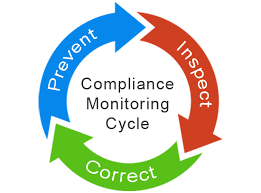
Creating a Compliance Monitoring Plan

Compliance professionals recognize that robust compliance programs do not simply happen; they require meticulous planning, thoughtful execution, and continual enhancement. Central to any thriving compliance framework is a solid compliance monitoring plan. Even seasoned compliance practitioners occasionally encounter challenges when constructing a monitoring strategy capable of effectively identifying, assessing, and mitigating compliance risks. In this guide explicitly tailored for corporate compliance professionals, we will explore key steps toward creating an effective compliance monitoring plan, drawing on the foundational principles outlined in the Hallmarks of an Effective Compliance Program from the FCPA Resource Guide, 2nd edition.

Compliance monitoring is the ongoing process of assessing and verifying a company’s adherence to applicable laws, regulations, and internal policies. Unlike reactive investigations, compliance monitoring proactively identifies potential issues before they evolve into significant problems or compliance violations.

Step 1: Define Objectives and Scope

Once you have identified your organization’s primary compliance risks through a comprehensive risk assessment, you must define clear and measurable objectives for your compliance monitoring activities. These objectives align directly with your broader compliance strategy, corporate mission, and risk appetite. Begin by establishing what success looks like for your compliance monitoring initiative. Is your primary goal to prevent regulatory breaches, detect internal misconduct promptly, or validate the effectiveness of internal controls? Articulated objectives enable your compliance function to measure progress accurately and demonstrate accountability to stakeholders.

Objectives should be SMART, specific, measurable, achievable, relevant, and time-bound to facilitate clear monitoring and reporting. Next, explicitly outline the scope of your monitoring activities. Determine whether you will monitor all compliance areas equally or strategically prioritize areas of heightened risk, such as international operations, third-party relationships, or high-risk transactions. Defining scope effectively helps allocate your finite compliance resources to the highest impact areas, thus maximizing your monitoring effectiveness. Incorporate feedback from cross-functional teams and relevant business units to ensure your defined scope aligns closely with organizational realities and practical constraints. Regularly revisiting and refining these objectives and scope based on evolving risks and business circumstances keeps your compliance monitoring plan relevant, flexible, and responsive. According to the Hallmarks, clear policies, procedures, and thorough risk assessment underpin a successful compliance program. Thus, ensure your objectives remain tightly integrated with identified risks and documented compliance standards.

Step 2: Develop Monitoring Procedures

With objectives and scope set, the next step is crafting detailed compliance monitoring procedures. Effective procedures must specify the methods, frequency, and tools you’ll use to assess compliance adherence systematically. Procedures should integrate various manual and automated methods to create comprehensive oversight. Regular audits, randomized sampling, targeted employee interviews, and comprehensive documentation reviews form the procedural baseline. It is crucial to identify precisely how each monitoring activity will be executed, who will perform these tasks, and how frequently they will occur. Additionally, incorporating continuous monitoring technologies provides proactive, real-time insights, enhancing the immediacy of your responses to potential compliance breaches.

Documenting these monitoring procedures meticulously ensures consistency, transparency, and accountability, aligning directly with the emphasis on rigorous oversight and robust internal controls. Incorporating clear documentation standards into these procedures provides evidence of compliance activity during internal and external reviews, establishing credibility and trust with stakeholders and regulators. Regularly review and update your monitoring procedures to reflect evolving regulatory requirements, emerging risks, and insights gained from previous monitoring activities. Such periodic reassessments are vital to maintaining effective monitoring practices that meet industry best practices and regulatory expectations, preparing your organization to respond confidently to regulatory scrutiny and internal audits.

Step 3: Assign Roles and Responsibilities

Clearly defining roles and responsibilities within your compliance monitoring plan is fundamental for seamless execution. Compliance team members must understand their duties, expectations, and associated deadlines. Designate who will conduct monitoring activities, evaluate monitoring results, and initiate necessary corrective actions. Assigning these roles based on individual expertise, experience, and authority helps ensure tasks are completed effectively and efficiently. Explicitly document these roles within your compliance governance framework, ensuring clarity and transparency.

The FCPA Resource Guide underscores the importance of adequate autonomy, authority, and resources allocated to compliance functions. Ensuring compliance personnel have delineated responsibilities enhances accountability, promotes clear communication, and supports rapid decision-making. Regular training and communication sessions reinforce these responsibilities, helping compliance team members remain informed and prepared to execute their roles effectively. Furthermore, clearly defined roles and responsibilities empower compliance personnel to act decisively, enhancing responsiveness and ensuring effective intervention when issues arise. Continually reassess and refine these roles as your compliance program evolves, ensuring they remain relevant, efficient, and aligned with organizational goals and regulatory requirements.

Step 4: Implement Continuous Monitoring and Reporting

Effective compliance monitoring must be continuous rather than episodic. Continuous monitoring provides regular, real-time insights into compliance performance, significantly improving your ability to identify and address issues promptly. Implementing technological tools such as data analytics software, automated alerts, and compliance dashboards can greatly enhance continuous monitoring efforts. These technologies provide real-time data, facilitating immediate recognition of compliance deviations and swift corrective action. Establish clear, comprehensive reporting frameworks to communicate monitoring results effectively across all organizational levels, from operational managers to senior executives and board members.

Reporting frameworks must include clearly defined frequency, format, and content, ensuring consistent and relevant information distribution. Transparent reporting aligns directly with the FCPA Resource Guide’s emphasis on adequate internal controls, fostering organizational transparency and accountability. Effective reporting frameworks facilitate informed decision-making, enable quick interventions, and promote organizational trust. Regularly revising reporting protocols based on feedback and evolving compliance needs ensures ongoing effectiveness and relevance.

Step 5: Follow-Up and Remediation

The final crucial step in your compliance monitoring plan involves structured processes for follow-up and remediation. When non-compliance is identified through monitoring efforts, promptly implement a clearly defined process for addressing such issues. The first action is to perform a thorough root cause analysis to comprehend the underlying factors contributing to the compliance violation fully. This analytical step is vital because addressing only superficial symptoms may allow systemic issues to persist, increasing the likelihood of recurrence. After identifying the root cause, develop targeted remediation plans to rectify these foundational weaknesses. These plans should detail precise actions, timelines, responsible parties, and required resources. Communicate these remediation actions throughout the organization, ensuring transparency and clarity among all stakeholders.

Verification processes must be robust and systematic, designed to rigorously assess the effectiveness of implemented remedial actions. Monitoring the outcomes of remediation activities is essential in demonstrating that the organization takes compliance failures seriously and is committed to continuous improvement. Regularly scheduled follow-up evaluations should be conducted, and the results communicated to compliance and senior management. Transparency during this phase is critical, as it builds credibility with regulators and stakeholders by clearly demonstrating that the organization learns from its mistakes and proactively takes corrective action.

Additionally, documenting every step of the follow-up and remediation process provides valuable evidence during external audits and reviews, showcasing organizational accountability. Adopting a disciplined approach to follow-up and remediation aligns directly with the FCPA Resource Guide’s emphasis on ensuring effective responses to compliance risks and issues. This structured approach mitigates risks and cultivates a culture of integrity, accountability, and continuous improvement within your organization, significantly enhancing the resilience and credibility of your compliance program.

Lessons for Compliance Professionals

If all of this sounds like a continuous improvement loop, there is a reason. Developing a comprehensive compliance monitoring plan is foundational in cultivating and sustaining an effective compliance program. Compliance professionals must ensure monitoring is proactive, continuous, and aligned with broader organizational objectives and compliance strategies. Documented procedures, defined roles, continuous monitoring technology, transparent reporting, and rigorous follow-up constitute essential pillars supporting ongoing compliance effectiveness. Aligning these strategies with the Hallmarks of an Effective Compliance Program from the FCPA Resource Guide further solidifies your compliance initiatives, positioning your organization for long-term success, resilience, and integrity.

Categories
Everything Compliance

Everything Compliance: Episode 151, The What is Illegal DEI Edition

Welcome to this edition of the award-winning Everything Compliance. In this episode, we have the quartet of Matt Kelly, Karen Woody, and Karen Moore, all hosted by Tom Fox, the Compliance Evangelist. They all look at various issues for compliance professionals under the current administration.

  1. Karen Moore, what is ‘illegal DEI’? She shouts out to federal employees who have been summarily terminated.
  2. Matt Kelly considers the work of DOGE at the SEC. He shouts out to James Harrison, whose plasma contains a rare antibody known as anti-D, which is used to make injections that protect unborn babies from hemolytic disease of the newborn.
  3. Karen Woody asks whether the trial of the Cognizant Technology executives will ever occur. She shouts out to Georgetown Law Dean Will Treanor, who shut down the illegal harassment of the school by the interim US Attorney for the District of Columbia.
  4. Tom Fox shouts out to the Quebecoise for embracing their Canadian-ness and all those north of the border who are responding to Trump’s bullying with ‘Elbows Up’.

The members of Everything Compliance are:

The host and producer, rantor (and sometime panelist) of Everything Compliance is Tom Fox, the Voice of Compliance. He can be reached at tfox@tfoxlaw.com. Everything Compliance is a part of the award-winning Compliance Podcast Network.

Categories
Culture Crafters

Culture Crafters – Preventing and Fixing a Cultural Disconnect

It is always interesting when the regulators catch up to the business world. That is what has happened around corporate culture. The DOJ is now assessing corporate culture for any company under investigation. Yet, more than simply complying with this mandate, companies should strive to foster the best culture that they can achieve. The reason is deceptively simple: the better the culture, the better the company. However, many business executives and even compliance professionals do not know how to craft a culture that allows your employees and your organization to implement such strategies. How can you unlock the power of a thriving workplace culture?

In this podcast series, Sam Silverstein, the most trusted voice in America on accountability, and Tom Fox, the Voice of Compliance, look at how companies can elevate their culture to new heights. In this episode, Tom and Sam conclude their 3-part series on the increased importance of compliance after Trump’s Executive Order suspending FCPA enforcement. Part 3 of the crucial aspects of corporate culture and ethics are detailed in the L.R.N. Ethics and Compliance Program Effectiveness Report. We explore why lower-level employees often perceive management as insincere about ethical values, not due to grand crimes like bribery or corruption but because of smaller, more personal issues like unfair treatment and lack of transparency. Sam emphasizes that even minor inconsistencies can erode trust, leading to a lack of safety and increased employee suspicion. They detail practical steps for middle and senior management to enhance their communication and engagement skills, with an overarching message that culture must be diligently maintained to build a high-performance organization. 

Key insights:

  • Ensuring Fairness and Consistency in the Workplace
  • Strategies for Enhancing Corporate Culture
  • The Importance of Continuous Cultural Improvement
  • Developing Middle Management Communication Skills
  • Engaging Senior Leadership in Cultural Conversations

Resources:

Sam Silverstein

Sam Silverstein on LinkedIn

Sam Silverstein

The Culture Audit™

Tom Fox

Instagram

Facebook

YouTube

Twitter

LinkedIn

Categories
Daily Compliance News

Daily Compliance News: March 13, 2025, The Uncle Jeffrey Edition

Welcome to the Daily Compliance News. Each day, Tom Fox, the Voice of Compliance, brings you compliance-related stories to start your day. Sit back, enjoy a cup of morning coffee, and listen in to the Daily Compliance News—all from the Compliance Podcast Network. Each day, we consider four stories from the business world: compliance, ethics, risk management, leadership, or general interest for the compliance professional.

Top stories include:

  • Public Integrity unit at DOJ slashed. (NBC News)
  • Epstein was ‘Uncle Jeffrey’ to Staley’s daughter. (FT)
  • Court tells DOJ to go to trial or else. (Bloomberg)
  • Trump calls Tesla protesters’ domestic terrorists.’ (BBC)
Categories
Compliance Tip of the Day

Compliance Tip of the Day – Taming Complexity

Welcome to “Compliance Tip of the Day,” the podcast where we bring you daily insights and practical advice on navigating the ever-evolving landscape of compliance and regulatory requirements. Whether you’re a seasoned compliance professional or just starting your journey, we aim to provide bite-sized, actionable tips to help you stay on top of your compliance game. Join us as we explore the latest industry trends, share best practices, and demystify complex compliance issues to keep your organization on the right side of the law. Tune in daily for your dose of compliance wisdom, and let’s make compliance a little less daunting, one tip at a time.

Today, we will examine how a compliance professional can manage complexity to create a more effective compliance program.

Categories
Blog

Next – Generation Predictive Analytics for Risk Management

In 2025, predictive analytics has moved from a niche innovation to a cornerstone of effective compliance programs. Companies are no longer waiting for compliance breaches to occur before taking action; instead, they leverage sophisticated data models to anticipate risks before escalating. By harnessing the power of machine learning, behavioral analytics, and external risk indicators, organizations can proactively detect potential compliance violations, corruption risks, and regulatory pitfalls before they materialize.

The key advantage of predictive analytics is its ability to identify patterns and trends across vast amounts of structured and unstructured data. Unlike traditional compliance monitoring, which relies on static rules and post-incident investigations, predictive analytics continuously adapts, learning from historical data, employee behaviors, and real-time external factors.

Lessons for Compliance Professionals

Proactive Compliance is More Effective (and Cheaper) than Reactive Enforcement.

Proactivity should be the holy grail of any compliance program, particularly regarding industrial safety. Rather than waiting for incidents to happen and scrambling to patch up the fallout, organizations adopting predictive analytics are better positioned to identify and address issues early on. For instance, imagine a manufacturing plant deploying sensors on critical machinery to detect unusual vibrations or temperature spikes. With real-time data continuously analyzed by sophisticated algorithms, maintenance teams can intervene before a minor defect escalates into a catastrophic safety breach. This approach reduces the risk of paying hefty regulatory fines, absorbing negative media attention, and dealing with disgruntled stakeholders, affecting an organization’s bottom line and reputation. Proactive compliance is not merely about technology, however. It also entails educating your workforce, ensuring well-understood compliance policies, and training employees to recognize and report anomalies. A data-driven compliance culture encourages everyone, from the shop floor to the C-suite, to take ownership of risk identification and mitigation. When compliance officers receive alerts or early warning signals, they can collaborate with operational leaders to nip the problem in the bud, saving time and money.

  • Data-Driven Compliance Enhances Resource Allocation

One of the most compelling reasons to adopt predictive analytics in compliance programs is the ability to make better-informed decisions about where to allocate your resources. Traditional compliance approaches might spread monitoring and oversight evenly across the organization or focus on whichever department has experienced an issue. In contrast, data-driven insights allow you to pinpoint where risks are most likely to lurk. This could mean discovering that a particular production line experiences frequent mechanical failures or that a geographic region faces heavier regulatory scrutiny. By funneling resources into areas with elevated risk profiles, compliance leaders can stretch budgets more efficiently and bolster the overall integrity of operations.

Harnessing predictive analytics for strategic resource allocation helps organizations maintain compliance maturity. It ensures that your best people, processes, and technologies are channeled where they can do the most good, minimizing the risk of regulatory blowback and maximizing the return on every compliance dollar spent.

  • External Factors are Just as Important as Internal Data

Internal data, from equipment sensors to employee feedback, forms the backbone of any predictive compliance model. However, to achieve a holistic view of risk, organizations must also pay close attention to external variables that can change the compliance landscape in the blink of an eye. Geopolitical shifts, for example, can disrupt supply chains or trigger sudden regulation changes. Natural disasters can affect production schedules and force rapid modifications to operational strategies. Even a new administration coming into power in a foreign market might impose regulations that directly impact your activities there.

When external data is integrated into your compliance analytics, you gain powerful insights to help anticipate challenges before they become crises. Suppose you have a major supplier in a region prone to political instability. By monitoring local news, government announcements, and broader market trends, you can gauge the likelihood of disruptions and craft contingency plans accordingly. This foresight fosters business continuity and protects your organization from sudden compliance pitfalls, such as failing to meet revised local safety standards or missing reporting deadlines due to unplanned shutdowns.

  • Predictive Analytics Strengthens Third-Party Risk Management

In today’s interconnected marketplace, organizations rarely operate in isolation. The average company might rely on a web of vendors, suppliers, distributors, and other intermediaries scattered across the globe. While these relationships can drive growth and innovation, they expose your organization to risks often outside your immediate control. Predictive analytics can be a powerful ally in mitigating these external vulnerabilities, allowing compliance professionals to gauge the likelihood of third-party misconduct before it happens.

By examining a mix of historical performance data, financial health indicators, audit results, and even reputational markers, such as media coverage or social media sentiment, predictive models can flag potential problem areas. For instance, if a supplier has a history of late deliveries, unresolved quality issues, or frequent employee turnover, analytics may reveal a pattern that increases the probability of compliance breaches down the line. Armed with these insights, you can decide whether to tighten contract terms, request additional audits, or discontinue the relationship altogether.

  • The Human in the Loop

While predictive analytics and artificial intelligence have transformed the compliance landscape, technology alone is not a silver bullet. It’s critical to remember that AI and human expertise must function in tandem. Think of predictive analytics as an incredibly sharp tool: powerful, yes, but still reliant on skilled hands to wield it effectively. AI might spot an anomalous data pattern suggesting a higher likelihood of equipment failure or third-party misconduct, but it takes a trained compliance professional to interpret that signal in the context of broader organizational objectives and regulatory requirements.

Effective collaboration between AI and human decision-making also drives better stakeholder engagement. Senior leadership, board members, and even frontline employees need reassurance that someone with a nuanced understanding of the business and its regulatory landscape oversees compliance activities. Transparency is vital; explaining how predictive analytics work—and how compliance officers cross-check AI-driven insights—can alleviate fears of an overly automated or impersonal system.

The Future is Now: General Electric’s Predictive Compliance for Industrial Safety

General Electric’s Predictive Compliance for Industrial Safety is a powerful solution for forward-thinking organizations. By harnessing the capabilities of advanced analytics and machine learning, GE has created a platform that helps organizations meet their compliance obligations and prevents potential incidents before they escalate into costly, reputation-tarnishing catastrophes. As any good compliance practitioner knows, prevention beats remediation, and that is precisely what GE’s approach champions.

At the heart of Predictive Compliance is collecting and analyzing real-time data from industrial operations. Sensors placed throughout industrial equipment transmit crucial metrics, temperature, pressure, vibration, and more, to a centralized data repository. From there, sophisticated algorithms sift through enormous datasets to spot anomalies that might signal an emerging safety threat. This approach allows compliance teams to move beyond mere checklists and static reporting into proactive risk management.

One of the most impressive benefits of GE’s system is its capacity to identify leading indicators of potential regulatory breaches or safety violations. Instead of relying solely on after-the-fact investigations, compliance officers can review real-time insights, take preventive steps, and document their actions to demonstrate good-faith compliance. This capability can be a game-changer for organizations grappling with rigorous safety standards, such as those in industries like oil and gas, aviation, or heavy manufacturing.

Moreover, GE’s Predictive Compliance framework fosters a cultural shift within organizations. Employees across the board become more engaged when they see data-driven evidence highlighting specific operational risks and how their actions can mitigate them. By tying individual behaviors to larger compliance objectives, companies can promote a more accountable mindset that moves the needle from mere adherence to active partnership in risk reduction.

In addition, the solution integrates with existing enterprise resource planning (ERP) and governance, risk, and compliance (GRC) systems, allowing for a seamless flow of data and reporting. This integration is especially vital for multinational corporations juggling multiple regulatory regimes. Centralizing compliance-related data within one platform reduces duplication and inconsistencies, allowing compliance officers to focus on strategic oversight rather than administrative headaches.

Furthermore, GE’s use of artificial intelligence enables predictive models to evolve. As more data is ingested into the system, the algorithms become better at recognizing patterns and generating more accurate forecasts. Consequently, compliance professionals can rely on increasingly precise alerts, reducing the prevalence of false positives and allowing teams to allocate resources more effectively.

Finally, it’s worth noting that GE’s approach is not merely about technology. The company emphasizes ongoing training and support for organizations seeking to harness the power of predictive analytics. This encompasses everything from setting up automated reporting protocols to understanding regulatory nuances that might influence how data is interpreted. The result is a holistic, future-focused compliance ecosystem.

By leveraging Predictive Compliance for Industrial Safety, businesses can protect their people, assets, and reputations while maintaining a competitive edge in a heavily regulated world. For any compliance professional aiming to stay ahead of the curve, it’s a compelling demonstration of how data, technology, and a proactive safety culture can converge to propel industrial compliance into the future.

Predictive analytics should be viewed as an extension of the compliance professional’s toolkit, not a replacement. Organizations can act with surgical precision by leveraging advanced algorithms for early detection and pairing those insights with human wisdom and experience. The result is a more resilient, ethical, and confident enterprise ready to handle the complex challenges of modern industrial compliance.

Predictive analytics is reshaping the future of corporate compliance by enabling companies to move from a reactive, audit-based approach to a real-time, proactive risk management strategy. Organizations that embrace these advanced analytics tools will stay ahead of regulatory expectations, minimize compliance risks, and drive a more ethical business environment. As enforcement agencies increasingly expect companies to anticipate and mitigate risks proactively, predictive analytics is no longer just a competitive advantage but a compliance necessity.