Categories
Blog

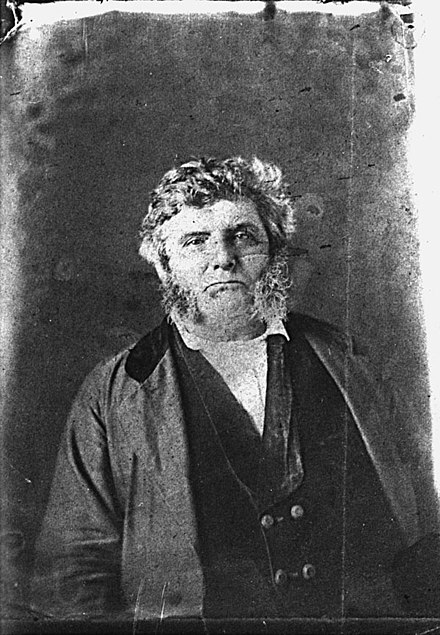
Leadership Lessons from the Presidents of the Republic of Texas – Sam Houston, 1st Term: Strategic Vision

The Republic of Texas holds a unique place in American history as a short-lived independent nation. In this special four-part blog post series, I will be diving into the intriguing world of the presidents of the Republic of Texas, shedding light on their leadership styles, political tensions, and the challenges they faced. This blog post focuses on the first Presidential term of Sam Houston.

Despite facing numerous challenges, including dire public finances and domestic issues, Houston made bold decisions that aimed to make the Republic of Texas an attractive annexation target. One of his key moves was abolishing the navy and army, which helped to reduce expenses and signal to potential backers that Texas was a safe bet. Houston also pursued peace treaties with indigenous peoples, such as the Cherokees, to maintain stability and foster positive relations.

One of the most intriguing aspects of Houston’s strategic efforts was his exploration of alliances with foreign powers, particularly Great Britain. He recognized that the expansion of slavery was a critical issue in American politics at the time. Abolitionists wanted to contain slavery, while proponents of slavery sought to ensure a market for enslaved people. Houston saw an opportunity to curry favor with the British by suggesting the cessation of slave importation to Texas. This move aimed to appeal to the leading abolitionist nation and make Texas more attractive for annexation.

Houston’s strategic approach, however, was not without its tradeoffs and challenges. While he may have gained the support of southerners who favored annexation, he faced opposition from abolitionists who wanted Texas to be a free state. Balancing these conflicting interests was no easy task. Houston’s efforts to appease the British and secure their support for annexation were met with skepticism. Nevertheless, he did everything humanly possible to set the Republic of Texas up as an attractive annexation target.

His first term from 1836 to 1838 offers several valuable leadership lessons:

  1. Strategic Leadership: Houston was a strategic thinker who recognized the long-term implications of his decisions. He understood the importance of gaining international recognition for Texas, and he worked diligently to secure it. Effective business and compliance should have a strategic mindset, thinking beyond short-term gains to achieve long-term goals.
  2. Diplomacy and Negotiation: Houston’s ability to negotiate with Native American tribes and secure peace treaties helped stabilize the region. His diplomatic skills highlight the importance of negotiation and conflict resolution in compliance leadership.
  3. Vision and Persistence: Houston was a visionary leader who advocated for Texas to become a part of the United States eventually. He pursued this vision despite initial setbacks, demonstrating that leaders often need to persevere in facing challenges to achieve their goals.
  4. Adaptability: Houston’s leadership spanned both military and political roles, and he adapted to the changing circumstances of Texas. CCOs and compliance leaders should be flexible and able to adjust their approach as circumstances evolve.
  5. Charisma and Influence: Houston possessed charm and the ability to inspire and motivate people. His ability to rally support for the Texas cause, domestically and internationally, underscores the importance of charisma and influence in compliance leadership. In many ways, influence is the key skill for CCOs to develop.
  6. Resilience and Bouncing Back: After serving as the president during his first term, Houston faced political difficulties and personal challenges. This demonstrates the importance of strength and the ability to bounce back from setbacks. Once again, resilience is a critical compliance professional skill.
  7. Empathy and Inclusiveness: Houston worked to promote inclusiveness and build bridges between different cultural and ethnic groups in Texas. His efforts to establish positive relationships with Native American tribes reflect the importance of empathy and inclusiveness in leadership.
  8. Strategic Alliances: Houston recognized the value of forming strategic alliances with individuals and nations that could support Texas. CCOs and compliance professionals must be adept at forming alliances and partnerships to help achieve their goals.

Houston’s leadership during his first term as president of the Republic of Texas offers a rich source of leadership lessons, including strategic thinking, diplomacy, adaptability, and the importance of resilience and charisma. These lessons remain relevant for leaders in various contexts today.

Despite his strategic efforts, Houston could not run for re-election because of term limits on the presidency. This limitation was a setback for the Republic of Texas, as Houston had proven himself to be a skilled leader who navigated complex political landscapes and overcame significant obstacles.

In conclusion, Sam Houston’s vision for Texas as an expansion of the United States marked his strategic efforts for Texas annexation from 1836 to 1838. He made bold decisions, such as abolishing the navy and army, pursuing peace treaties with indigenous peoples, and exploring alliances with foreign powers like Great Britain. Houston’s strategic approach aimed to make the Republic of Texas an attractive annexation target despite the challenges and tradeoffs involved. Even though term limits prevented him from serving a full term, his work laid the foundation for subsequent leaders. It ultimately aided in the United States’ annexation of Texas.

Categories
All Things Investigations

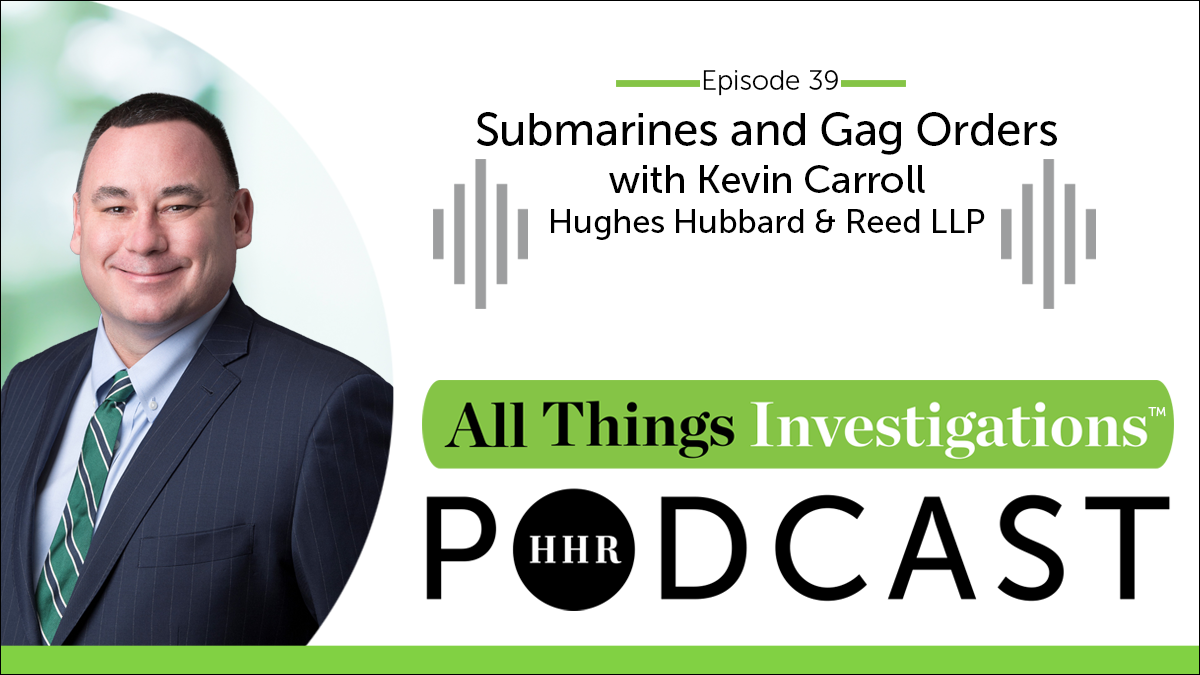
All Things Investigations: Episode 39 – Submarines and Gag Orders with Kevin Carroll

In this episode of All Things Investigations, host Tom Fox and Kevin Carroll discuss the alarming revelation that former President Trump allegedly shared sensitive information about nuclear submarines with an Australian civilian, as well as a peculiar court hearing involving a limited gag order on Trump. They explore the gravity of the information shared, its implications on national security, and the potential legal repercussions. 

Kevin is a partner in the Washington, D.C., and New York offices of Hughes Hubbard & Reed in the White Collar & Regulatory Defense and Anti-Corruption & Internal Investigations practice groups. He also helps counsel businesses on CFIUS/FIRRMA, cyber security and data privacy, EAR/ITAR, FARA, FCPA, FISA, FMS, NISPOM, and OFAC compliance. 

You’ll hear Tom and Kevin discuss:

  • President Trump allegedly discussed secrets about nuclear submarines with an Australian civilian, Anthony Pratt.
  • Kevin emphasizes the seriousness of this revelation, highlighting the crucial role submarines play in national security, including preserving Taiwan’s independence and intelligence collection.
  • Strategic missile submarines (boomers) are the ultimate nuclear guarantee, capable of retaliatory strikes against adversaries, and their secrecy is paramount.
  • Kevin is surprised that additional charges were not laid against Trump for willfully communicating classified information to an uncleared foreign national.
  • The disclosure of classified information poses a risk to national security, as adversaries may adapt their tactics and enhance technology based on shared information. 
  • There is no remedy once sensitive information is released; the damage caused may be irreversible.
  • The intelligence relationship between the United States and Australia is one of the closest, with both countries part of the Five Eyes alliance.
  • A limited gag order was imposed on President Trump after an unusual hearing related to a motion brought by Special Counsel Jack Smith.
  • Kevin criticizes the defense lawyers’ aggressive approach and disrespectful behavior toward the federal judge during the hearing.
  • The judge’s decision to impose a limited gag order is a necessary step to prevent potential harm to individuals targeted by Trump’s remarks.
  • The broader societal implications of such unchecked criticisms from a public figure like Trump, with a significant following, are emphasized.
  • Judges may consider escalating fines as a deterrent to gain Trump’s attention and prevent further damage and incitement of violence.
  • Trump’s potential strategy may be to use incarceration as a political narrative, portraying himself as a victim.
  • Kevin believes fines would be a more effective deterrent and expresses hope that financial penalties would capture Trump’s attention.
  • Repeated violations of the gag order are a strategy Trump may use to attempt to poison the jury pool. Such efforts might have more impact in Florida and Georgia.
  • Venue selection in high-profile cases is crucial to ensure a fair trial.
  • Lawyers have the responsibility to weed out jurors with preconceived notions, regardless of the case’s profile. However, in some cases, it’s impossible to find a jury unaffected by public awareness.

KEY QUOTES:

“Judges take extreme but legal measures in cases involving transnational, organized crime or terrorist organizations in order to protect people associated with the criminal justice system. And if the judge assesses, I would hope, on the basis of intelligence from the Marshal Service and others, that Trump’s threats to individuals could result in violence, I think legally it could be upheld, especially for a repeat violation of the order.” – Kevin Carroll.

“…what Trump did was outrageous. And I’m surprised that thus far Special Counsel Jack Smith hasn’t come back with an additional charge under Section 793D for willfully communicating classified information to someone untitled.” – Kevin Carroll.

“Some people think, as a political matter, that Trump wants to be incarcerated, that it’ll make him more of a victim, and so, as you say, violate the gag order and repeatedly violate the gag order and do it in such a way that the judge has no alternative but to incarcerate…” – Kevin Carroll.


Resources

Hughes Hubbard & Reed website

Kevin Carroll on LinkedIn

Categories
Corruption, Crime and Compliance

A Deep Dive Into Clear Channel’s SEC FCPA Settlement

Clear Channel, a San Antonio-based advertising company, is settling with the SEC for $26 million for bribery violations committed by its former Chinese subsidiary, Clear Media. In this episode of Corruption, Crime, and Compliance, Michael Volkov explores the details of this case, from covert cash funds to internal audit challenges, shedding light on the issues that led to this notable settlement.

You’ll hear him discuss:

  • The charges stemmed from bribery violations committed by Clear Channel’s former Chinese subsidiary, Clear Media. The bribes included expensive gifts, entertainment, and travel, given to influence contract renewal negotiations with Chinese government officials.
  • Clear Media engaged in deceptive practices, falsely documenting payments to cleaning and maintenance companies to fund illegal payments. They cautioned employees to omit gift recipients and disguised payments through oral agreements. False invoices and tax records were created to justify cash payments to shell company intermediaries providing no services.
  • Internal audits from 2012 to 2017 highlighted deficiencies, red flags, and indicators of bribery. Despite this, Clear Channel failed to pursue aggressive remedial actions. 
  • Internal auditors faced resistance from Clear Media and even reported false information provided by them. The lack of diligence and follow-up allowed the issues to persist.
  • Clear Channel, however, cooperated extensively with the investigation. They promptly shared facts, produced relevant documents, and facilitated interviews with current and former employees. 
  • Remediation efforts included disposing of Clear Media, enhancing anti-corruption compliance policies, and increasing resources for compliance.
  • The settlement serves as a cautionary tale, emphasizing the importance of robust internal audits and proactive remediation.

KEY QUOTES:

“Clear Channel received credit for its cooperation and remediation. Its cooperation included promptly sharing facts, proactively producing relevant documents, producing in real-time documentation of audits of Clear Media’s internal controls during the investigation…” – Michael Volkov.

“So from 2012 to 2017, Clear Channel auditors regularly cited Clear Media’s deficiencies, red flags, indicators of bribery, and inadequate internal controls. The auditors cited numerous remedial measures, but Clear Channel failed to ensure that appropriate remedial steps were taken.” – Michael Vokov.

“But given the level of resistance and the failure of the internal audit function to operate properly and to follow up specifically on the issues that they were uncovering, the resolution has to be viewed in a positive light and was only counterbalanced by the fact that what Clear Channel did was cooperate and provide extensive remediation and ultimately sold its Chinese subsidiary…” – Michael Volkov.

Resources

Michael Volkov on LinkedIn | Twitter

The Volkov Law Group

Categories
Adventures in Compliance

The Memoirs of Sherlock Holmes-The Adventure of the Stockbroker’s Clerk

Welcome to a review of all the Sherlock Holmes stories collected in the work “The Memoirs of Sherlock Holmes.” They appeared in the Strand Magazine from December 1892 to December 1893. Over the next 12 episodes, I will review each story and mine them for leadership, compliance, and ethical lessons. In this, we look at the story The Adventure of the Stockbroker’s Clerk. 

The Adventures of Sherlock Holmes, written by Arthur Conan Doyle, is a collection of thrilling detective stories that have captivated readers for over a century. These stories not only provide an engaging reading experience but also offer valuable insights into ethical principles, investigative strategies, and leadership qualities. In this article, we will explore the key factors that impact investigative issues in this Sherlock Holmes story.

Holmes, known for his exceptional deductive skills, often relies on his trusted friend Watson and utilizes disguises to gather information discreetly. Additionally, Holmes exhibits patience in his investigations, understanding the potential for mistakes if decisions are rushed. This timeless classic serves as a testament to the significance of teamwork and collaboration in achieving successful outcomes.

One of the key factors that impact Sherlock Holmes’ adventures and the importance of collaboration in detective work is attention to detail. Holmes’s remarkable attention to detail allows him to piece together the puzzle in each case. He notices anomalies or red flags others might overlook, which helps him uncover the truth. Understanding motivations is another crucial factor. Holmes understands that people usually have a reason for their actions, and this understanding provides crucial context to interpret facts and clues.

Connecting the dots is another skill that Holmes demonstrates. He excels at making connections between seemingly disparate pieces of information, allowing him to uncover hidden patterns and solve mysteries. Disguise and deception are also important tools in Holmes’s arsenal. He and Watson often use disguises and subterfuge to gather information without alerting the investigating individuals. This approach gives them an unexpected advantage, allowing them to observe and interact without revealing their true intentions.
Patience is a virtue that Holmes embodies in his investigations. He knows that rushing things can lead to mistakes, so he waits for the right moment to act and make decisions. This patient observation allows him to gather all the necessary information before moving. Lastly, collaboration and teamwork play a significant role in Holmes’s adventures. Despite his singular genius, Holmes often relies on the help of others, especially Watson. He values the opinions and skills of his friend, recognizing that collaboration enhances their chances of success.
In the world of Sherlock Holmes, as in the world today, trying to get something for nothing is never a good idea. This is evident in the episode where Holmes encounters individuals who believe a job offer is too good to be true but still accept it. This parallel highlights the importance of critical thinking and skepticism in detective work. It is essential to question and investigate suspicious circumstances to avoid falling into traps or scams.
Balancing different factors in detective work can be challenging. Holmes must weigh the importance of attention to detail, understanding motivations, connecting the dots, disguise and deception, patient observation, and collaboration. Each factor has its tradeoffs and challenges, and Holmes must navigate them to solve each case successfully.
In conclusion, “The Adventure of the Stockbroker’s Clerk” showcases the adventures of the famous detective and emphasizes the importance of collaboration in detective work. Holmes’s exceptional deductive skills, attention to detail, understanding of motivations, ability to connect the dots, use of disguise and deception, patient observation, and reliance on collaboration all contribute to his success. This story serves as a reminder of the value of teamwork and critical thinking in solving mysteries. Whether in the world of Sherlock Holmes or our own lives, collaboration and considering the impact of our decisions are essential for achieving successful outcomes.

Resource:

The New Annotated Sherlock Holmes

Categories
FCPA Compliance Report

FCPA Compliance Report: Marco Goldberg – Creating Trust with Comprehensive Solutions

Welcome to the award-winning FCPA Compliance Report, the longest-running podcast in compliance. In this episode, Tom Fox welcomes Marco Goldberg, Managing Director of EQS Group’s North American Business, which assists organizations in navigating the complex world of compliance and building a culture of trust.

Marco Goldberg is a seasoned professional in corporate compliance and investor relations solutions, with a rich background in international industrial management and an MBA from the Berlin School of Business and Entrepreneurship. The EQS Group is a leading provider of corporate compliance and investor relations solutions, serving about 9,000 customers globally. He emphasizes the importance of trust in international organizations and sees EQS Group’s mission as helping to create trusted companies through their solutions. His experiences in the industry and his active participation in hosting the ECEC, Europe’s largest compliance conference, have shaped his perspective. Join Tom Fox and Marco Goldberg on this episode of the FCPA Compliance Report podcast to learn more about his insights and experiences.

 Key Highlights:

  • Creating Trusted Companies with Comprehensive Solutions
  • IntegrityLine: Empowering Employees for Compliance
  • EU Whistleblower Protection Directive: Creating a Culture of Integrity
  • Centralizing Compliance Workflows with AI Technology
  • The Transformative Power of AI in Compliance

 Resources:

Marco Goldberg on LinkedIn

EQS Group

 Tom Fox

Instagram

Facebook

YouTube

Twitter

LinkedIn

Categories
Daily Compliance News

Daily Compliance News: October 30, 2023 – The From $65 to $5 Edition

Welcome to the Daily Compliance News. Each day, Tom Fox, the Voice of Compliance, brings you compliance-related stories to start your day. Sit back, enjoy morning coffee, and listen to the Daily Compliance News. All from the Compliance Podcast Network. Each day, we consider four stories from the business world: compliance, ethics, risk management, leadership, or general interest for the compliance professional.

Stories we are following in today’s edition:

  • Is crypto financing terrorism?  (NYT)
  • Suits against A&F begin. (WSJ)
  • What is the cost of a toxic culture? (WSJ)
  • Qatargate: Murky Prosecution? (DW)
Categories
Blog

Leadership Lessons from the Presidents of the Republic of Texas – David Burnet: Building a Republic

The Republic of Texas holds a unique place in American history as a short-lived independent nation. In this special four-part blog post series, I will be diving into the intriguing world of the presidents of the Republic of Texas, shedding light on their leadership styles, political tensions, and the challenges they faced. This blog post focuses on one of the lesser-known presidents, David G. Burnett. It highlights the key factors that impacted the presidencies and politics of the early Republic of Texas.

David G. Burnett, who served as the first President of the Republic of Texas from March 1836 to October 1836, had a complex character and a fascinating background. He was an early adopter of filibustering, lending his sword to the Bolivarians in Venezuela during the Latin American wars for independence. However, he eventually returned to the United States when factions within the revolutionary forces split.

Burnett arrived in Texas in 1826 as an impresario, but his venture as a land grant holder failed. He was also known for his solid Presbyterian beliefs, adding another layer to his character. Despite his short tenure as president, Burnett played a crucial role in the survival and legitimacy of the Republic of Texas.

One of Burnett’s notable achievements was his strategic retreats during the early days of the Republic. By moving the government promptly, he managed to avoid capture and preserve the fledgling nation’s chances of success. Additionally, Burnett’s decision to spare the life of Santa Ana, the Mexican general, demonstrated his understanding of the role Santa Ana could play in negotiations and helped maintain the credibility of the Republic of Texas.

However, Burnett’s presidency was not without its challenges. Tension and intra-personal politics characterized the power transfer from Burnett to his successor, Sam Houston. Burnett was initially reluctant to turn over the government to Houston, leading to name-calling and insults between the two. Eventually, Burnett resigned, allowing Houston to start his first term early. Despite their differences, Burnett and Houston would cross paths politically multiple times in the future.

Factions and differing visions for the nation characterized the politics of the early Republic of Texas. Burnett represented one vision, while figures like Sam Houston embodied another. These divisions extended beyond the question of independence, with debates over issues such as slavery and Indian policy. Personal politics played a significant role, with politicians openly insulting each other and even threatening duels.

Burnet’s short tenure as the first President of the Republic of Texas highlights the enduring relevance of these early political dynamics. The reality is that there is absolutely nothing new under the sun when it comes to vicious politics. The Republic of Texas, if captured on camera, would have made for great reality TV. The challenges faced by early Texas politicians resonate with the political landscape of today.

David G. Burnet’s story is one of resilience and principle. Despite personal tragedies and adversities, he remained committed to his beliefs. Burnett’s inflexibility on specific issues, such as his hardline stance on Indian policy, may have rubbed some people the wrong way. However, it is undeniable that he played a significant role in shaping the early Republic of Texas.

Exploring the presidencies and politics of the early Republic of Texas provides valuable insights into the challenges and tradeoffs involved in nation-building. The podcast series offers a comprehensive analysis of the key factors that impacted the Republic of Texas and highlighted the importance of considering historical context when making decisions about leadership and politics.

Some of the vital leadership lessons from Burnet include:

  1. Adaptability and Resilience: Burnet assumed office during a tumultuous time when Texas was engaged in a struggle for independence from Mexico. He had to adapt quickly to changing circumstances and make difficult decisions to ensure the survival of the fledgling republic. Compliance professionals and business leaders can learn from his ability to remain resilient and composed in adversity.
  2. Vision and Mission Focus: Burnet strongly advocated for Texas independence and had a clear vision for the republic’s future. Influential leaders articulate a compelling vision and mission that inspire their followers and provide a sense of purpose. Chief Compliance Officers should have a vision for their compliance program and constantly strive to implement it.
  3. Pragmatism: Burnet recognized the importance of practicality and pragmatism in leadership. He worked to secure international recognition and support for the Republic of Texas, demonstrating his ability to navigate complex diplomatic challenges. Business leaders and compliance professionals should be willing to adapt their strategies to achieve their goals.
  4. Commitment: Burnet’s commitment to the cause of Texas independence was unwavering. He endured personal hardships and challenges to advance the republic’s interests. Chief Compliance Officers who demonstrate dedication to their compliance vision and mission often inspire greater loyalty and commitment from their compliance teams.
  5. Communication Skills: Effective communication is a crucial leadership skill, and Burnet was known for his ability to convey the republic’s goals and needs to foreign governments and potential allies. It may go without saying, but I will say it anyway: every CCO and compliance professional must be adept at conveying their message clearly and persuasively.
  6. Collaborative Leadership: Burnet understood the importance of collaboration and worked closely with other leaders and military figures, such as Sam Houston, to achieve common goals. CCOs and compliance professionals who can build and maintain effective partnerships with the business team will achieve more significant results than those who cannot.
  7. Adherence to Principles: Despite his challenges, Burnet remained committed to liberty and self-determination. CCOs and compliance professionals uphold their core values and principles, even in the face of adversity or temptation to compromise.
  8. Graceful Transition: Burnet voluntarily stepped down from the presidency after his term, demonstrating a commitment to the democratic process and a willingness to facilitate a smooth transition of power. Business leaders should recognize when it is time to pass the torch and do so gracefully.

It is important to note that David Burnet’s leadership lessons should be viewed in the historical context of the Republic of Texas and its struggle for independence. While some aspects of his leadership may not directly apply to modern leadership challenges, the principles of adaptability, vision, commitment, and effective communication remain relevant for leaders in any era. David G. Burnett’s presidency, though short-lived, left a lasting impact on the nation. The tensions and personal politics between Burnett and Sam Houston exemplify the challenges faced by early Texas politicians. By understanding the complexities of this period, we gain valuable insights into the tradeoffs and challenges involved in nation-building.


Categories
Riskology

Riskology by Infortal Episode 12: Israel and The Hamas War

The rapidly changing landscape of the Middle East has profound implications for businesses in the region. In this episode of Riskology by Infortal, Chris Mason and Dr. Ian Oxnevad explore the geopolitical shifts and emerging power dynamics that are creating a new Eurasian battleground. They emphasize the need to understand this broader context, moving beyond the traditional Israeli-Palestinian lens to explore the multifaceted relationships shaping the region. The ongoing conflict unravels as a manifestation of this complex geopolitical puzzle.

Infortal Worldwide is a global risk management and investigations firm that specializes in helping businesses navigate complex risk landscapes. The company focuses on various areas, including economics, politics, and geopolitical risk. By delving into these interconnected realms, Infortal Worldwide aims to provide clients with comprehensive insights that empower them to make informed decisions, especially in critical areas such as mergers and acquisitions, private equity investments, and other strategic moves.

You’ll hear Chris and Ian discuss:

  • The traditional view of the Middle East has evolved significantly over the past decade, moving beyond Western counterterrorism narratives. The dynamics now involve a broader struggle for control in Eurasia, with China, India, and Russia asserting their influence.
  • The significance of the Abraham Accords: there is a paradigm shift where Sunni Arab nations in the Persian Gulf view Israel not only as part of the Middle East but also as crucial for future prosperity.
  • The emergence of higher-tech Sunni Arab nations aligning with Israel poses a threat to groups like Hamas and indirectly challenges initiatives such as China’s Belt and Road.
  • Israel’s strategy in dealing with Gaza could influence the magnitude of the conflict. The potential involvement of Iran and the risk of destabilization in the region are examined.
  • Despite the focus on advanced technology, the conflict witnesses the use of low-tech tactics by groups like Hamas. 
  • Cryptocurrency may be used by groups like Hamas to finance terrorism. Its liquidity and relative untraceability make it an efficient tool for terrorists to move value quickly.
  • Ian highlights the challenge of tracking funds that can originate from legal sources like humanitarian aid or business activities.
  • Terrorist organizations have used different money laundering methods over time, including unconventional methods such as toys. Cryptocurrency is the modern iteration of money laundering, offering unique advantages like holding value and quick, untraceable transactions.
  • Chris highlights the importance of robust compliance programs for financial institutions facilitating fund transfers.
  • Ian outlines various business risks resulting from the conflict, including:
    • Expanded counterterrorism financing regulations are anticipated.
    • Civil suits may arise under counterterrorism financing laws, making financial institutions liable.
    • Consumer boycotts and sanctions on actors like Hamas and Hezbollah are expected.
    • Humanitarian sides of organizations may face sanctions.
    • Heightened insurance and security costs.
  • Potential global economic impacts may include:
    • Inflationary pressures are expected due to conflict demands, humanitarian assistance, and rebuilding costs.
    • Supply chain disruptions are likely, especially if key infrastructures like the Suez Canal or Straits of Hormuz are affected.
    • Oil production disruptions in the Middle East could lead to a global rise in oil prices, impacting businesses globally.
  • As such, businesses must plan strategically by ramping up security costs and intelligence spending.

KEY QUOTES

“I think the first thing everybody needs to understand is that the Middle East from ten years ago no longer exists.” – Dr. Ian Oxnevad.

“Terrorists are very good at this, moving value from place to place. In the past, they used toys, of all things, to get the money to build weapons. What they did was they had trade-based money laundering. …. It’s about laundering the value. And unfortunately, that can consist of anything… Crypto is nice because crypto can hold value, especially if you’re talking about Bitcoin, and it can be relatively untraceable. And at the same time, it’s very liquid. You can send it like cash, unlike trade-based money laundering. So in that sense, you can move a lot of value very quickly…” – Dr. Ian Oxnevad.

“Energy is going to become a big deal, especially if the conflict widens, because if conflict emerges with Iran, it’s going to affect the Gulf states as well, which produce oil, and that’s going to potentially disrupt all production in the Middle East. And what you’re going to see there is you’re going to see oil potentially skyrocket, especially if Russian oil and energy is already cut off, and that’s going to have a massive inflationary pressure.” – Dr. Ian Oxnevad.

Resources

Infortal Worldwide 

Email

Dr. Ian Oxnevad on LinkedIn

Chris Mason on LinkedIn

Categories
Sunday Book Review

Sunday Book Review: October 29, 2023 The Great Movie Monsters Edition

In the Sunday Book Review, I consider books that would interest the compliance professional, the business executive, or anyone who might be curious. It could be books about business, compliance, history, leadership, current events, or anything else that might interest me. In today’s edition of the Sunday Book Review, Tom considers upcoming Fall 2023 non-fiction books to take a look at reading.

  • “Monsters in the Movies” by John Landis.
  • “Lost in the Dark: A World History of the Horror Film” by Brad Wiesmann.
  • “Universal Studio Monsters: A Legacy of Horror” by Michael Mallory.
  • “The Kaiju Film: A Critical Study of Films Biggest Monsters by Jason Barr.
Categories
Because That's What Heroes Do

Loki, Season 2, Episode 3 – 1893

Get ready for an exciting new season of Because That’s What Heroes Do. In it, Tom and Megan review Loki, Season 2. In this episode, we discuss Episode 3-1893, deeply diving into the romping caper episode.
In this intriguing episode of the Because That’s What Heroes Do podcast, hosts Tom Fox and Megan Dougherty delve into a fascinating analysis of the 1893 World’s Fair, energy innovations, and characters from the popular series Loki. Tom Fox, with his keen interest in historical events and energy demonstrations, brings a unique perspective to the discussion, expressing his fascination with the World’s Fair and the contributions of figures like Edison and Tesla. Megan Dougherty, on the other hand, shares her excitement about the idea of time-traveling back to the 1893 Chicago World’s Fair and her appreciation for the intricate details of the Loki series, including the charm of Victor Timely and the jarring presence of Miss Minutes in a different period. Join Tom and Megan on this episode as they unravel the connections between history, energy, and popular culture in a way that is both engaging and entertaining.

Highlights:

  • Viktor Timely and Partnerships (or not) Both Business and Romantic
  • The Evolution of Miss Minutes
  • The Electrifying Marvels of the Chicago World’s Fair
  • Robber Baron Chase
  • The Engaging Chemistry Between Loki and Mobius

Resources

Megan Dougherty

LinkedIn

One Stone Creative

Twitter

Tom

Instagram

Facebook

YouTube

Twitter

LinkedIn