Categories
Diabetes: The Metabolic Bully

Diabetes: The Metabolic Bully – Episode 6 – Monitoring and Managing Diabetes Risks

Welcome to “Diabetes: The Metabolic Bully,” where we delve deep into the world of one of the most prevalent chronic conditions that lurks in our society. Diabetes doesn’t just knock on our doors; it bullies its way into our lives, altering our metabolism and dictating our daily routines. In each episode, we aim to unpack the science and myths surrounding diabetes. From understanding how our bodies succumb to this metabolic bully to the latest research and treatments, our podcast aims to provide listeners with comprehensive insights.

Dr. Byron Black is a seasoned clinical exercise physiologist who manages type 2 diabetes through exercise, nutrition, and reputable information. His perspective on managing this condition is rooted in the belief that misconceptions often hinder individuals with diabetes from improving their health. Dr. Black emphasizes that type two diabetes is not solely a genetic condition and that exercise and proper nutrition can significantly manage the disease. He advocates starting with simple activities like walking and gradually increasing intensity and duration while stressing the importance of seeking reputable information from trusted sources. His experiences have led him to envision a future where clinical exercise physiologists are employed in educational institutions to incorporate preventive strategies. Join Tom Fox and Dr. Byron Black as they delve deeper into this topic on this episode of the Diabetes – The Metabolic Bully podcast.

 Key Highlights:

  • Managing Type Two Diabetes through Exercise and Nutrition
  • Monitoring and Managing Diabetes Risks
  • Finding Research-Backed Information on Diabetes

 Resources:

Medical Fitness Clinic of Kerrville

Categories
Blog

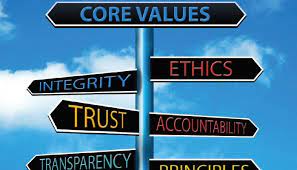
The Importance of Trust, Accountability, and Ethics in the Workplace

Trust, accountability, and ethics are fundamental pillars of a healthy and successful workplace. They form the foundation upon which organizations build strong relationships with their employees, customers, and stakeholders. In the most recent episode of the podcast “Compliance into the Weeds,” Tom Fox and Matt Kelly discussed the importance of these factors in light of a wrongful termination lawsuit filed against Citibank by a former employee.

The importance of trust, accountability, and ethics in the workplace cannot be overstated. These elements are the bedrock of a healthy corporate culture and are crucial for maintaining a positive and productive work environment. I believe that a broader conversation about these topics is necessary within corporations, with a need for employees to understand the importance of trust, accountability, and adherence to policies and procedures. While there is great cynicism that exists among the public and the workforce regarding ethical enforcement particularly when banks which have paid literally billions of dollars in fines are involved, it is up to each employee to commit to doing the right thing, even when it is difficult.

As Matt noted in a Radical Compliance blog post, “Our tale, first reported by the Financial Times, involves one Szabolcs Fekete, who had been an analyst with Citibank’s London offices since 2015. In July 2022 Fekete had to take a three-day business trip to Amsterdam. He took along his romantic partner for the trip, and while there he billed a coffee and sandwich for his partner to his corporate expense account. Except, Fekete tried to cover it up by submitting a receipt for two sandwiches and two coffees, all for him.” He was subsequently fired for dishonesty on an expense report and lying to his supervisor and investigators when questioned about his submitted expenses. While the amount in question may seem trivial, (less than €100) the case highlights the potential consequences of dishonesty, even in seemingly minor matters.

One of the key takeaways from this case is the significance of trust in the workplace. Trust is the cornerstone of any successful organization. It is the belief that individuals can rely on each other to act with integrity, honesty, and transparency. When trust is compromised, it can have far-reaching implications for the overall culture and effectiveness of the organization.

The case also underscores the importance of accountability. Accountability means taking responsibility for one’s actions and being answerable for the outcomes. In this case, Fekete’s dishonesty led to a breach of trust, and he was held accountable for his actions. Organizations must have clear corporate values, policies, and training programs in place to prevent unethical behavior and promote accountability among employees.

Ethics, too, play a crucial role in the workplace. Ethics refers to the moral principles that guide individuals’ behavior and decision-making. It is about doing the right thing, even when it may be difficult or inconvenient. The case of Fekete highlights the need for employees to have a genuine commitment to ethical conduct, even in situations where it may be tempting to cut corners or bend the rules.

Balancing these factors can be challenging. On one hand, organizations must establish a culture of trust and accountability, where employees feel empowered to act ethically and take responsibility for their actions. On the other hand, organizations must also have systems in place to detect and address unethical behavior, ensuring that trust is not misplaced.

The episode also raises the question of the impact of these factors on decision-making. When faced with ethical dilemmas, individuals and organizations must consider the potential consequences of their actions. One thing we have learned from Enron going forward, if someone is willing to break ethical rules at a minor level, it raises concerns about their integrity and the potential for more significant breaches in the future.

Yet there is another, more troubling aspect to this matter that compliance and ethics professionals must consider. Pilita Clark, also writing in the FT noted, “Except the response to this story has been anything but straightforward. Most striking of all is the level of derision directed not at Fekete but at Citi. At the time of writing, more than 500 people had digitally applauded one FT reader who wrote in response to the story: “You can’t lie in a bank, unless it’s a really big lie.”

Clearly folks are still not happy that large financial institutions paid billions in fines without seemingly missing a beat. Clark went on to write, “Some of the largest costs related to the 2007-2008 financial crisis, but big sums arose in more recent years, including $402mn in 2018 to settle the bank’s role in a conspiracy to manipulate foreign exchange markets. Citi was among 20 large banks that collectively paid more than £377bn in such costs between 2008 and 2018, as a result of mis-selling, money-laundering, market abuse and other” misdemeanors.

In conclusion, the importance of trust, accountability, and ethics in the workplace cannot be overstated. These factors form the bedrock of a healthy and ethical organizational culture. The case discussed in the podcast episode serves as a reminder of the potential consequences of dishonesty and the need for clear corporate values, policies, and training programs. It also emphasizes the importance of individual responsibility in maintaining an ethical workplace. By prioritizing trust, accountability, and ethics, organizations can create an environment where employees feel empowered to act with integrity and make ethical decisions, ultimately leading to long-term success.


Categories
Into the Chair - Tales from Chief Compliance Officers

Into the Chair, Tales from Chief Compliance Officers: Anh Lam on Navigating Compliance Challenges in a Changing Landscape

Welcome to the latest edition of the Compliance Podcast Network: Into the Chair: Tales from Chief Compliance Officers, which details the journey to and in the role of a Chief Compliance Officer. How does one come to sit in the CCO chair? What are some of the skills a CCO needs to navigate the compliance waters in any company successfully? What are some of the top challenges CCOs have faced, and how did they meet them? These questions and many others will be explored in this new podcast series. Into the Chair: Tales from Chief Compliance Officers is a Comply podcast hosted by Tom Fox and is a production of the Compliance Podcast Network. In this episode, I visit with Anh Lam, Senior Vice President and Chief Compliance Officer at Sandy Spring Bank.

Anh Lam, a seasoned professional in compliance management, brings a unique perspective shaped by her personal and professional experiences. Born and raised in Vietnam, Anh’s interest in wealth management was sparked by her father’s experience with misleading investments in a country with limited regulations. Now serving as the Chief Compliance Officer for Sandy Spring Bank’s wealth divisions, Anh believes in the enduring importance of compliance but also sees a future where technology and artificial intelligence play a significant role in making compliance more efficient and effective. She envisions a future where each firm has its internal AI system integrated with different platforms to adapt to changing regulations and anticipates a global standardization of compliance regulations, akin to the GDPR for privacy regulations. Join Tom Fox and Anh Lam as they delve deeper into these topics on the next episode of the Into the Chair podcast.

Key Highlights:

  •   Protecting Investors’ Money through Compliance Expertise
  •   Navigating Compliance Challenges in a Changing Landscape
  •   The Rise of AI in Compliance

Resources:

Anh Lam on LinkedIn

Comply

Connect with Tom Fox:

Threads

Instagram

Facebook

YouTube

Twitter

LinkedIn

Categories
Great Women in Compliance

Great Women in Compliance – A Roundtable on Leveraging Compliance Connections

Welcome back to the Great Women in Compliance podcast. In today’s episode, we kick off our new roundtable format with two special guests joining Hemma and Lisa in discussing leveraging our connections to have an impact at scale in our work. As compliance professionals, we take on more and more and are often involved in complex and novel issues that are difficult to solve alone with confidence. Tune in to hear how Fatema Merchant and Karin Johnson have navigated this during their professional journeys and how they not only send the elevator back down but also help each other ensure they support each other when they are on their way up. Tune in to hear how Karin and Fatema have prioritized connection in their compliance work both from an in-house and outside counsel perspective.

We acknowledge that we are in an incredibly challenging moment as we watch with deep sadness and emotion what is happening in Israel, Gaza, and beyond. These events were very much on our minds during the recording of this podcast.

Karin Johnson is the VP of Ethics and Compliance at VF Corporation. VF is the parent company of iconic brands such as The North Face ®, Vans®, Timberland®, and Smartwool ®. Prior to joining VF, Karin was Vice President, Deputy General Counsel, and Chief Compliance Officer for 21st Century Fox. Fatema Merchant is a partner in the law firm Sheppard Mullin, where she is co-managing partner of the Washington, D.C. office. Fatema leads the sanctions team at the firm and is a partner in the Governmental and Corporate Investigations Practice Groups. Prior to joining the firm, Fatema seconded as a Special Assistant Attorney General with the District of Columbia Office of the Attorney General.

The Great Women in Compliance Podcast is on the Compliance Podcast Network with a selection of other Compliance-related offerings. GWIC is also sponsored by Corporate Compliance Insights, where we have a page where you can hear every episode. If you are enjoying this episode, please rate it and/or provide a review.

Corporate Compliance Insights is a much-appreciated sponsor and supporter of GWIC, including affiliate organization CCI Press, publishing the related book, “Sending the Elevator Back Down, What We’ve Learned from Great Women in Compliance” (CCI Press, 2020). If you enjoyed the book, the GWIC team would be very grateful if you would consider rating it on Goodreads and Amazon and leaving a short review. Don’t forget to send the elevator back down by passing on your copy to someone who you think might enjoy reading it when you’re done, or if you can’t bear parting with your copy, consider it as a holiday or appreciation gift for someone in Compliance who deserves a treat.

If you enjoyed the book, the GWIC team would be very grateful if you would consider rating it on Goodreads and Amazon and leaving a short review. Don’t forget to send the elevator back down by passing on your copy to someone who you think might enjoy reading it when you’re done, or if you can’t bear parting with your copy, consider it as a holiday or appreciation gift for someone in Compliance who deserves a treat.

You can subscribe to the Great Women in Compliance podcast on any podcast player by searching for it, and we welcome new subscribers to our podcast.

Join the Great Women in Compliance community on LinkedIn here.

Categories
Daily Compliance News

Daily Compliance News: October 25, 2023 – The Taco Tuesday Edition

Welcome to the Daily Compliance News. Each day, Tom Fox, the Voice of Compliance, brings you compliance-related stories to start your day. Sit back, enjoy a cup of morning coffee, and listen to the Daily Compliance News. All from the Compliance Podcast Network. Each day, we consider four stories from the business world: compliance, ethics, risk management, leadership, or general interest for the compliance professional.

Stories we are following in today’s edition:

  • Meta was sued by state AGs for addicting children. (NYT)
  • Is Trump guilty of accepting bribes?  (NYT Magazine)
  • Ex Homeland Security Investigator sentenced for corruption. (Chicago Tribune)
  • Taco Tuesday freed. (Reuters)
Categories
Compliance Into the Weeds

Compliance into the Weeds: Szabolcs Fekete and the Consequences of Ethical Breaches

The award-winning Compliance into the Weeds is the only weekly podcast that takes a deep dive into a compliance-related topic, literally going into the weeds to explore a subject more thoroughly, looking for some hard-hitting insights on sanctions compliance. Look no further than Compliance into the Weeds! In this episode, Tom and Matt deeply dive into the termination of Citibank employee Szabolcs Fekete over cheating on his expense account, then lying about it and drawing out broad lessons for the compliance professional.

The importance of trust, accountability, and ethics in the workplace cannot be overstated. These elements are the bedrock of a healthy corporate culture and are crucial for maintaining a positive and productive work environment. Tom believes that a broader conversation about these topics is necessary within corporations. He emphasizes the need for employees to understand the importance of trust, accountability, and adherence to policies and procedures.

Matt echoes these sentiments. He shares a poignant story about a CEO who had to fire a cleaner for embezzlement and dishonesty, underlining the critical role of trust in upholding ethical standards. Both Fox and Kelly acknowledge the cynicism among the public and the workforce regarding ethical enforcement, and they advocate for a commitment to doing the right thing, even when it is difficult. Join Tom Fox and Matt Kelly on this episode of the Compliance into the Weeds podcast as they delve deeper into this crucial topic.

 Key Highlights:

  • Expense Report Dishonesty and Wrongful Termination
  • Citibank’s Expense Report Policy and Trust
  • The Consequences of Ethical Breaches
  • The importance of trust and ethical enforcement

 Resources

Matt in Radical Compliance

Jane Croft in the FT

Pilita Clark in the FT

Tom 

Threads

Instagram

Facebook

YouTube

Twitter

Categories
Blog

AI and Emerging Technologies Enhancing Regulatory Intelligence and Compliance

Regulatory intelligence plays a crucial role in today’s business landscape, where regulatory requirements are constantly evolving. Staying ahead of these changes is not only essential for compliance but also offers a competitive advantage. I recently had the opportunity to visit with Caroline Shliefer, founder and CEO of RegAsk, on the topic of AI and emerging technologies enhancing regulatory intelligence and compliance. RegAsk has a tagline that states, “Empowering Smarter Regulatory Decisions Curated Regulatory Intelligence Augmented by AI.” It is certainly that and much more.
Caroline Shliefer is a seasoned professional with a rich background in healthcare, law, and regulatory affairs, boasting a PharmD PhD and a health law degree. Her perspective on emerging technologies enhancing regulatory intelligence and compliance is shaped by her extensive experience in the EU, US, and Asia and her role as the founder of RegAsk, which leverages technology to address compliance challenges. She believes that technologies such as AI, machine learning, blockchain, and data analytics are revolutionizing regulatory monitoring, enabling faster and more accurate interpretation of regulatory information, and fostering a more proactive approach to compliance. Her goal with RegAsk is to digitize and streamline the regulatory intelligence process, reducing the risk of non-compliance and fostering innovation.
Regulatory intelligence involves the systematic collection, analysis, and dissemination of information about regulatory requirements, policies, and guidelines that impact product development, manufacturing, and distribution. Traditionally, this process has been manual and challenging, requiring businesses to collect information from various sources and analyze it accurately. However, emerging technologies such as artificial intelligence (AI), machine learning, blockchain, and advanced data analytics are revolutionizing regulatory monitoring and compliance.
AI and machine learning are transforming regulatory monitoring by enabling swift and accurate interpretation and analysis of regulatory information. These technologies can track regulations across different jurisdictions and provide predictive analytics, reducing manual workload and mitigating human errors. By leveraging AI, businesses can anticipate regulatory changes and define various scenarios, allowing them to be prepared and gain a competitive advantage. As Caroline Shliefer, the guest on the podcast, highlighted, being proactive and understanding the small signals that can lead to new regulations is crucial for success.
Blockchain technology ensures secure record-keeping and smooth audits. It brings a level of security and transparency, helping businesses keep records securely and conduct audits more efficiently. This technology is particularly relevant in industries where traceability and accountability are essential, such as supply chain management.
Advanced data analytics allows for anomaly detection and informed decision-making. By analyzing compliance data, businesses can gain deeper insights and intelligence, enabling them to detect anomalies and make strategic decisions faster. These insights help companies understand the impact of regulatory changes on their operations and take proactive actions to ensure compliance.
The integration and automation of these emerging technologies synchronize and streamline the compliance process, resulting in fewer errors and efficient adaptation to new regulatory changes. Compliance managers and decision-makers are empowered and augmented by these technologies, allowing them to focus on strategic aspects while routine and tedious tasks are handled by technology.
Regulatory intelligence is not limited to a single business area. It extends to various sectors, including life sciences and consumer goods. Within consumer goods, regulations related to environmental sustainability and packaging are particularly important. Monitoring and complying with these regulations is crucial for businesses operating in these sectors.
Looking ahead, the future of automated regulatory intelligence is promising. The integration of AI and machine learning will continue to enhance regulatory tracking, enabling businesses to autonomously monitor, analyze, and report compliance requirements across various jurisdictions. Predictive analytics will allow companies to forecast future regulatory shifts and trends, enabling proactive strategy adjustments. This proactive approach ensures consistent compliance and helps businesses stay ahead in the ever-evolving regulatory landscape.
Regulatory intelligence providers, like RegAsk, are true market differentiators. They not only catalog regulatory changes but also anticipate them. By leveraging emerging technologies, they can advise clients on potential regulatory changes before they occur, allowing businesses to be prepared and ready to adapt. This proactive approach to regulatory intelligence and compliance is a game-changer, offering businesses a competitive edge.
In conclusion, emerging technologies are enhancing regulatory intelligence and compliance by revolutionizing the way businesses monitor and interpret regulatory information. AI, machine learning, blockchain, and advanced data analytics empower compliance managers and decision-makers, enabling them to stay ahead of regulatory changes and make informed decisions. By embracing these technologies, businesses can foster a proactive and resilient approach to regulatory compliance, ensuring compliance and gaining a competitive advantage in the market.

Resources

Caroline Shliefer on LinkedIn

RegAsk

Categories
SBR - Authors' Podcast

SBR Authors Podcast: Adam Balfour on Ethics and Compliance for Humans

Welcome to the Sunday Book Review, the Authors Podcast! Don’t miss out on this episode of SBR-Author’s Podcast, where Tom sits down with Adam Balfour on his book Ethics & Compliance for Humans.

Adam Balfour, a Scottish-born compliance professional, has been leading the compliance program for the Americas region at Bridgestone. Balfour strongly believes in the importance of ethics, compliance, and leadership within organizations, arguing that these elements can significantly contribute to financial success. He likens the role of ethics and compliance professionals to soccer midfielders, who defend and support the team’s growth. Balfour’s perspective is shaped by his experiences and passion for ethics and compliance, leading him to write a book titled “Ethics & Compliance for Humans,” providing valuable resources for compliance professionals. Join Tom Fox and Adam Balfour on this episode of the SBR-Author’s Podcast as they delve deeper into these topics.

Key highlights include:

  • The Duality of Human Nature
  • The Importance of Guiding Employees Ethically
  • Humanizing Compliance Programs: Building Ethical Relationships
  • Engaging Compliance Training through Pop Culture
  • Navigating Ethical Dilemmas in the Workplace
  • The Role of a Unifying Purpose Leader

Resources:

Adam Balfour on Linkedin

Ethics & Compliance for Humans

Tom Fox

Threads

Instagram

Facebook

YouTube

Twitter

LinkedIn

Categories
Daily Compliance News

Daily Compliance News: October 24, 2023 – The California Standard Edition

Welcome to the Daily Compliance News. Each day, Tom Fox, the Voice of Compliance, brings you compliance-related stories to start your day. Sit back, enjoy a cup of morning coffee, and listen to the Daily Compliance News. All from the Compliance Podcast Network. Each day, we consider four stories from the business world: compliance, ethics, risk management, leadership, or general interest for the compliance professional.

Stories we are following in today’s edition:

  • Will CA climate disclosures become US standards?  (NYT)
  • Interviews and personalities (WaPo)
  • Fraud in expenses—who knew? (FT)
  • The US wants oligarch yacht forfeiture. (Reuters)
Categories
Data Driven Compliance

Data Driven Compliance: Current Trends and Innovations

Do you need help keeping up with your business’s ever-changing compliance programs? Look no further than Tom Fox’s award-winning Data-Driven Compliance podcast, which features an in-depth discussion about the uses of data and data analytics in compliance programs. Data-Driven Compliance is back with another exciting episode. Today, we take things differently by posting a webinar sponsored by KonaAI entitled “Data Driven Compliance: Current Trends and Innovations.” Vince Walden hosted Tom Fox and Rayne Towns.

Tom Fox and Rayne Towns are seasoned professionals in the field of compliance. Fox is a leading authority in the industry and the Compliance Podcast Network’s founder. Towns are Nokia’s global head of ethics and compliance, risk, and monitoring. Fox thinks that risk management and fraud prevention strategies based on data are the next steps in the compliance field. He stresses how important data analytics are for making compliance programs work better. He also acknowledges the need for human interpretation and utilization of the data.

On the other hand, Towns sees data-driven compliance strategies to strengthen and improve the compliance program’s effectiveness, using data analytics to identify and address gaps in the compliance program. She also emphasizes the importance of prioritizing and starting with solving specific problems when implementing data analytics. Join Vince Walden, Tom Fox, and Rayne Towns on this Data Driven Compliance podcast episode to learn more about their perspectives on data-driven risk management and fraud prevention compliance strategies.

Highlights Include:

  • Transforming Compliance Through Data Analytics
  • Effective Strategies in Compliance and Risk Management
  • The Role of Data Analytics in M&A Compliance
  • Leveraging diverse data sources for risk assessment
  • Managing Risks: Vendors, Customers, and Employees
  • Strengthening Compliance Programs Through Team Collaboration
  • The Power of Generative AI in Compliance
  • Enhancing Compliance Programs with Predictive Models
  • Factors Influencing Budget Approvals and Getting Budget

 Resources:

KonaAI

 Tom Fox 

Connect with me on the following sites:

Threads

Instagram

Facebook

YouTube

Twitter

LinkedIn