Categories
Blog

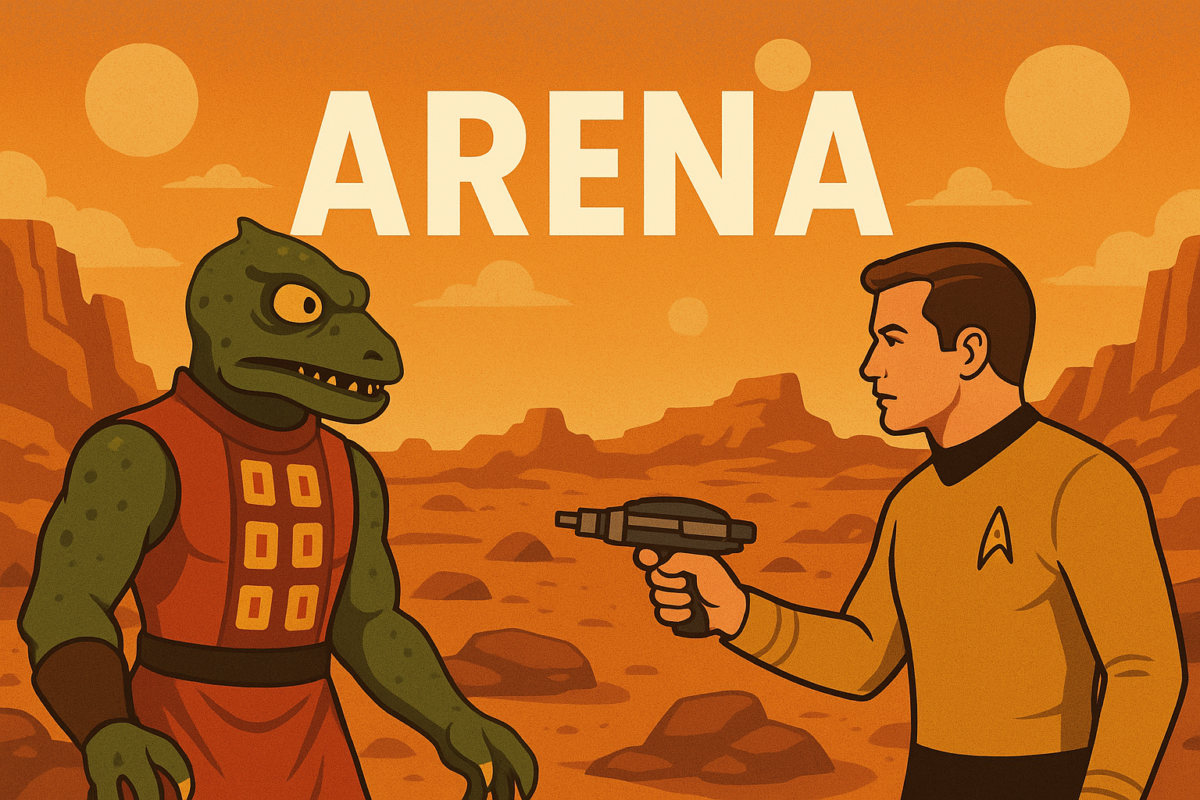
Arena and Lessons in Cross – Cultural Compliance

One of the most powerful aspects of compliance leadership is its profound connection with broader lessons drawn from seemingly unrelated sources. Few are as richly instructive as the original Star Trek series. Today, let’s boldly explore an insightful compliance case study from the iconic episode “Arena.” This episode illustrates the immense value of cross-cultural understanding and effective intercultural compliance strategies.

In “Arena,” Captain Kirk and the USS Enterprise respond to an apparent distress call at a Federation outpost. They soon discover that the base has been obliterated by an unknown attacker, the Gorn, a formidable alien species. Kirk chases the Gorn, determined to exact revenge. Yet, through a dramatic series of events orchestrated by the omnipotent entity known as the Metrons, Kirk ultimately learns powerful lessons in cultural empathy, conflict resolution, and mutual understanding. Here are the cross-cultural compliance lessons that corporate compliance professionals can derive from this gripping tale.

1. Avoiding Misinterpretation through Cultural Empathy

Illustrated By: Captain Kirk, consumed by the destruction of the Federation outpost at Cestus III, immediately assumes malevolent intent. He perceives the Gorn’s actions as unprovoked aggression, swiftly deciding retaliation is his only recourse. 

Kirk’s initial response highlights a common mistake in cross-cultural interactions: hasty assumptions based solely on one’s cultural framework. In global compliance, cultural empathy is crucial to avoid similar errors. Compliance professionals must recognize their inherent biases and strive for deeper cultural understanding, particularly when operating internationally. Rather than jumping to conclusions, compliance leaders should rigorously question their assumptions, investigate thoroughly, and engage in respectful dialogues with international counterparts. Only by sincerely seeking to understand different cultural perspectives can compliance officers effectively manage risks and avoid unnecessary conflicts or damaging misunderstandings.

2. Communication and Mutual Understanding

Illustrated By During the climactic confrontation, Kirk and the Gorn captain are forced into single combat. Initially driven by anger and mistrust, Kirk ultimately realizes, through observing and assessing the Gorn’s motivations and behavior, that the Gorn believed they were acting in legitimate self-defense, perceiving the Federation outpost as a threat to their security. 

This realization highlights the vital importance of clear and transparent communication in fostering mutual understanding. Compliance officers navigating multinational operations must ensure effective communication channels and explicit clarity in expressing company values, expectations, and regulatory requirements across cultural divides. Cultural barriers can lead to confusion or misinterpretation of compliance policies. Compliance communications prioritize clarity, cultural sensitivity, and ongoing dialogue, fostering trust and ensuring all parties correctly understand their roles and obligations.

3. Respectful Negotiation as a Foundation for Resolution

Illustrated By: In the episode’s finale, rather than taking advantage of a vulnerable and incapacitated Gorn captain, Kirk refuses to deliver a lethal blow. By choosing mercy and respect over vengeance, Kirk signals a willingness to negotiate peace rather than prolong the conflict.

Respectful negotiation rooted in empathy is vital for resolving conflicts, especially in cross-cultural compliance scenarios. Disagreements or regulatory issues arising from cultural differences require patient negotiation, respectful engagement, and a genuine willingness to find common ground. Compliance leaders should employ collaborative negotiation techniques, prioritize understanding diverse perspectives, and demonstrate respect for local customs and regulatory norms. Such respectful negotiation not only resolves immediate issues but also establishes lasting trust and collaborative relationships that strengthen global compliance initiatives.

4. Continuous Learning and Adaptability in Cultural Contexts

Illustrated throughout the battle, Kirk improvises weapons from minerals found on the planet. He learns from his environment, adapting his strategies to the unique circumstances imposed by the Metrons’ forced confrontation. His ability to adapt and learn continuously becomes his greatest asset.

Compliance professionals must also embrace continuous learning and adaptability, particularly in diverse cultural contexts. Static, inflexible compliance programs fail when imposed universally without considering local customs, business practices, and regulatory landscapes. Successful compliance officers cultivate adaptability by actively engaging with regional teams to gain nuanced insights and perspectives. They continually revise their compliance strategies to reflect the cultural intelligence gained through real-world experience, feedback loops, and active listening. This dynamic approach ensures that compliance policies remain adequate, relevant, and culturally appropriate.

5. Leveraging Cultural Differences as Opportunities

Illustrated By Although initially viewed as monstrous and hostile, the Gorn prove to be strategic, thoughtful, and capable. Kirk eventually recognizes that the differences he initially saw as threatening can also represent strengths, wisdom, and insight if approached in the right way.

In corporate compliance, cultural differences should be viewed not as threats but as opportunities for growth and innovation. Diverse cultural perspectives can enrich compliance strategies, offering fresh approaches to risk mitigation, ethical practices, and the interpretation of regulations. Compliance officers who actively solicit and integrate cultural diversity within compliance teams and leadership structures benefit from varied insights, innovative problem-solving, and enriched ethical decision-making. Leveraging these cultural differences constructively builds stronger, more resilient, and truly global compliance frameworks.

6. Cross-Cultural Leadership Drives Ethical Behavior

Illustrated by Kirk’s ultimate refusal to kill the defenseless Gorn, ethical leadership inspires respect even among the observing Metrons. His cross-cultural leadership sends a powerful message about humanity’s commitment to higher ethical standards and the pursuit of peace.

Cross-cultural ethical leadership is essential for compliance success. Compliance leaders must exemplify unwavering ethical principles across cultural boundaries, clearly communicating standards of conduct and demonstrating personal integrity. Visible ethical leadership encourages teams worldwide to consistently adopt and maintain compliance and ethical behaviors. Leaders who model integrity in cross-cultural interactions significantly strengthen their organization’s compliance culture, creating global cohesion around shared ethical values and compliance objectives.

Final ComplianceLog Reflections

The cross-cultural lessons from Star Trek’s “Arena” vividly illustrate essential compliance principles for the contemporary global organization. Compliance leaders must cultivate cultural empathy, maintain clear communication, negotiate respectfully, demonstrate adaptability, positively capitalize on cultural diversity, and exemplify ethical cross-cultural leadership. Just as Captain Kirk learned to move beyond initial assumptions toward more profound understanding, compliance professionals can greatly enhance their effectiveness by applying these timeless lessons.

By adopting these culturally intelligent compliance practices, organizations not only ensure regulatory adherence but also significantly enrich their internal culture and ethical stature. Let us commit to boldly going forward, embracing cross-cultural intelligence and empathy as the cornerstones of effective global compliance strategies.

Resources:

Excruciatingly Detailed Plot Summary by Eric W. Weisstein

MissionLogPodcast.com

Memory Alpha

Categories
Blog

The Squire of Gothos – Training and Communication Lessons

Show Summary

As compliance professionals, our roles often require us to explore diverse sources to glean valuable lessons in compliance. “Star Trek: The Original Series” consistently provides profound insights applicable to our daily challenges. The episode “The Squire of Gothos” serves as an excellent illustration of essential lessons in training and communications crucial for compliance practitioners today.

In this episode, the USS Enterprise, led by Captain Kirk, encounters the mysterious planet Gothos, governed by the whimsical and capricious character Trelane. Initially appearing as a refined and gracious host, Trelane soon reveals himself as an unpredictable entity wielding tremendous power but little accountability. His lack of understanding and misinterpretation of human behavior laid the groundwork for significant insights into compliance. Let’s examine the key lessons in training and communication that can be gleaned from this engaging narrative.

1. Clarity is Essential in Communication

Illustrated by Trelane, this work enthusiastically recreates an elegant yet bizarrely inaccurate representation of Earth’s history, misunderstanding fundamental human behaviors and values. His superficial interpretation leads to confusion and conflict with Kirk and his crew.

In compliance communications, similar pitfalls occur when employees misunderstand critical guidance due to vague or incomplete messaging. Clear, concise, and contextual communication ensures that employees understand compliance requirements, practical applications, and the consequences of missteps. Compliance professionals must consistently review their messages for clarity, using precise, accessible language to eliminate ambiguity, thereby aligning understanding across the organization.

2. Adapt Training to Your Audience’s Realities

Illustrated By: Trelane’s understanding of human culture proves drastically outdated and disconnected from the contemporary realities of Kirk’s era, referencing Earth’s distant past without comprehending current circumstances. His inability to relate properly alienates his audience rather than engages them. 

Similarly, compliance training must align closely with employees’ actual workplace realities and challenges. Generic or irrelevant training content quickly loses effectiveness. Instead, compliance officers should tailor scenarios, examples, and training methods to reflect genuine operational contexts, contemporary risks, and real-life situations employees encounter daily. Authentic relevance significantly improves learner retention and practical application.

3. Interactive Communication Engages and Educates

Illustrated By: Trelane draws Captain Kirk and his crew into an interactive scenario, complete with costumes and props, to engage them. Though misguided in execution, his effort to create engagement is evident—he understands engagement is essential to capturing attention.

Compliance training should similarly prioritize interactive methods, creating engaging, participatory experiences. Scenario-based simulations, role-playing activities, gamified e-learning, and collaborative exercises can effectively involve employees. By actively participating rather than passively listening, employees deepen their understanding, ensuring that training is more memorable, impactful, and effectively translated into compliant behaviors.

4. Feedback Loops Are Crucial

Illustrated By: Trelane repeatedly dismisses feedback from Kirk and the crew, ignoring their corrections and pleas. His refusal to acknowledge or integrate feedback escalates misunderstandings, leading to increased conflict and mistrust.

This vividly demonstrates the critical need for robust feedback loops within compliance training and communications. Soliciting, acknowledging, and acting upon feedback are essential components of effective compliance training programs. Compliance officers should continuously evaluate training effectiveness through surveys, post-session discussions, and informal feedback channels, ensuring continuous improvement and alignment with employee needs and concerns.

5. Balance Authority with Empathy and Understanding

Illustrated By: Trelane initially wields his immense power autocratically, indifferent to the crew’s concerns and fears. His lack of empathy creates resentment, anxiety, and, ultimately, defiance among the personnel of the Enterprise.

Compliance professionals also risk alienating employees when they wield compliance mandates without empathy or understanding. Successful compliance programs strike a balance between authoritative requirements and genuine compassion. Demonstrating an understanding of employee pressures, organizational realities, and practical challenges fosters greater trust and collaboration, thereby nurturing a culture of compliance where adherence is willingly embraced rather than resented.

6. Beware the Perils of Misplaced Assumptions

Illustrated By: Trelane assumes an inaccurate knowledge of human culture based solely on superficial observation from afar. His unchecked assumptions repeatedly cause confusion, mistakes, and frustration as he misunderstands core human motivations and behaviors.

Compliance professionals must avoid similar pitfalls. Unchecked assumptions about employees’ knowledge levels, behavior, or organizational culture can lead to ineffective training and costly compliance breakdowns. Training must be grounded in data-driven insights, direct employee engagement, and empirical validation, ensuring assumptions are continuously tested and adjusted accordingly.

7. Leverage Leadership as Communication Champions

Illustrated By: Captain Kirk effectively navigates the challenging interactions with Trelane, leading his crew decisively. Kirk’s clear communication, authoritative yet empathetic demeanor, and consistent leadership reassure and guide his team through uncertainty and conflict.

In the compliance realm, leadership plays a similarly critical role in amplifying the effectiveness of training and communication. Senior leaders who champion compliance messages, actively participate in training, and visibly embody compliance principles significantly enhance the credibility of the program and employee engagement. Leadership engagement reinforces training lessons, ensuring compliance is deeply embedded within organizational culture and behavior.

 Final ComplianceLog Reflections 

Star Trek’s “The Squire of Gothos” offers compelling lessons in clear communication, tailored and interactive training methods, effective feedback integration, empathetic leadership, validated assumptions, and communication-driven decision-making. Compliance professionals can learn from both Trelane’s shortcomings and Kirk’s strategic interactions to enhance the impact of their compliance training programs significantly.

By embracing these lessons, compliance professionals strengthen their communication, foster meaningful employee engagement, and ultimately build more robust compliance cultures. Like the crew of the USS Enterprise, navigating mysterious challenges effectively requires proactive, adaptive, and thoughtfully designed communication and training strategies. Let us boldly incorporate these insights, ensuring our compliance programs resonate, educate, and inspire employees across our organizations.

Resources:

Excruciatingly Detailed Plot Summary by Eric W. Weisstein

MissionLogPodcast.com

Memory Alpha

Categories
Trekking Through Compliance

Trekking Through Compliance: Episode 17 – The Squire of Gothos – Training and Communication Lessons

Show Summary

The episode “The Squire of Gothos” serves as an excellent illustration of essential lessons in training and communications crucial for compliance practitioners today.

In this episode, the USS Enterprise, led by Captain Kirk, encounters the mysterious planet Gothos, governed by the whimsical and capricious character Trelane. Initially appearing as a refined and gracious host, Trelane soon reveals himself as an unpredictable entity wielding tremendous power but little accountability. His lack of understanding and misinterpretation of human behavior laid the groundwork for significant insights into compliance. Today, we examine the valuable lessons in training and communication that can be gleaned from this engaging narrative.

Key highlights:

1. Clarity is Essential in Communication

Illustrated by Trelane, this work enthusiastically recreates an elegant yet bizarrely inaccurate representation of Earth’s history, misunderstanding fundamental human behaviors and values.

Clear, concise, and contextual communication ensures that employees understand compliance requirements, practical applications, and the consequences of missteps. Compliance professionals must consistently review their messages for clarity, using precise, accessible language to eliminate ambiguity, thereby aligning understanding across the organization.

2. Adapt Training to Your Audience’s Realities

Illustrated by Trelane’s understanding of human culture, it proves drastically outdated and disconnected from the contemporary realities of Kirk’s era, referencing Earth’s distant past without comprehending current circumstances. 

Compliance training must align closely with employees’ actual workplace realities and challenges. Generic or irrelevant training content quickly loses effectiveness. Authentic relevance significantly improves learner retention and practical application.

3. Interactive Communication Engages and Educates

Illustrated By: Trelane draws Captain Kirk and his crew into an interactive scenario, complete with costumes and props, to engage them. 

Compliance training should similarly prioritize interactive methods, creating engaging, participatory experiences. By actively participating rather than passively listening, employees deepen their understanding, ensuring that training is more memorable, impactful, and effectively translated into compliant behaviors.

4. Feedback Loops Are Crucial

Illustrated by: Trelane repeatedly dismisses feedback from Kirk and the crew, ignoring their corrections and pleas. 

This vividly demonstrates the critical need for robust feedback loops within compliance training and communications. Compliance officers should continuously evaluate training effectiveness through surveys, post-session discussions, and informal feedback channels, ensuring continuous improvement and alignment with employee needs and concerns.

5. Balance Authority with Empathy and Understanding

Illustrated By: Trelane initially wields his immense power autocratically, indifferent to the crew’s concerns and fears.

Compliance professionals also risk alienating employees when they wield compliance mandates without empathy or understanding. Demonstrating an understanding of employee pressures, organizational realities, and practical challenges fosters greater trust and collaboration, thereby nurturing a culture of compliance where adherence is willingly accepted rather than resented.

6. Beware the Perils of Misplaced Assumptions

Illustrated by Trelane, he assumes an inaccurate knowledge of human culture based solely on superficial observation from afar. 

Compliance professionals must avoid similar pitfalls. Training must be grounded in data-driven insights, direct employee engagement, and empirical validation, ensuring assumptions are continuously tested and adjusted accordingly.

7. Leverage Leadership as Communication Champions

Illustrated by Captain Kirk effectively navigating the challenging interactions with Trelane, leading his crew decisively. 

Leadership plays a critical role in amplifying the effectiveness of training and communication. Leadership engagement reinforces training lessons, ensuring compliance is deeply embedded within organizational culture and behavior.

Final ComplianceLog Reflections

Star Trek’s “The Squire of Gothos offers compelling lessons in clear communication, tailored and interactive training methods, effective feedback integration, empathetic leadership, validated assumptions, and communication-driven decision-making. Compliance professionals can learn from both Trelane’s shortcomings and Kirk’s strategic interactions to enhance the impact of their compliance training programs significantly.

Resources:

Excruciatingly Detailed Plot Summary by Eric W. Weisstein

MissionLogPodcast.com

Memory Alpha

Categories
Trekking Through Compliance

Trekking Through Compliance – Episode 16 – The Galileo Seven and a Guide to Flexible Compliance Leadership

Show Summary

In the rich tapestry of leadership parables woven by Star Trek: The Original Series, the episode “The Galileo Seven” offers an extraordinary case study in adaptive leadership for compliance professionals.

Captain Kirk dispatches the shuttlecraft Galileo, commanded by Mr. Spock, to investigate a mysterious spatial phenomenon known as the Murasaki 312 quasar-like formation. Things quickly escalate when Galileo crash-lands on Taurus II, a hostile and primitive planet. Faced with limited resources, dwindling time, and escalating internal conflicts among the shuttlecraft crew, Spock must navigate his first significant command crisis without the immediate guidance of Captain Kirk.

Drawing parallels from “The Galileo Seven,” we explore critical leadership lessons and their practical implications for compliance professionals.

1. Logic vs. Emotional Intelligence—Know When to Adjust

Illustrated by: Spock’s initial adherence strictly to logic, which causes friction among his crew.

Initially, Spock applies logic rigidly, prioritizing scientific analysis and efficiency above all else. However, his lack of emotional awareness and inability to adapt to crew concerns cause resentment and weaken morale. For compliance officers, this highlights the importance of emotional intelligence in leadership. Successful compliance leaders understand that emotions, fears, and motivations drive people. 

2. Collaborative Decision-Making—Recognize the Power of the Team

Illustrated by: Spock’s initial refusal to accept team input, followed by his eventual realization of its value.

Initially, Spock resisted input from his team, confident his logic alone would lead them to safety. However, after multiple setbacks, including the loss of crew members and mounting internal pressure, Spock recognizes the need for collaborative input. In compliance, unilateral decision-making can often lead to resistance or compliance failures. Encouraging team participation fosters diverse perspectives, enriches problem-solving, and enhances the success of implementation.

3. Adaptive Communication—Tailor Your Message

Illustrated by: Spock learning to communicate more effectively under crisis conditions.

Initially, Spock’s communication style was overly technical, direct, and unemotional. This approach alienates crew members who need reassurance, context, and encouragement. For compliance professionals, transparent, adaptable communication is paramount. Compliance officers regularly interact with diverse audiences, and each group requires a tailored approach to communication. Employees need practical, understandable instructions; senior executives seek strategic implications and bottom-line impacts; regulators require precise, factual responses.

4. Strategic Flexibility—Be Prepared to Shift Tactics

Illustrated by: Spock’s decision to jettison shuttle fuel as a distress signal.

Spock makes an unconventional decision to ignite Galileo’s remaining fuel to create a distress signal. This act is a decisive departure from his logic-based strategy, demonstrating Spock’s ability to pivot rapidly under pressure. Compliance leadership requires similar strategic flexibility. Regulations evolve, new risks emerge, and organizational dynamics shift quickly. Compliance officers must be agile, ready to abandon approaches that are not working and pivot to new strategies that address changing landscapes.

5. Crisis Leadership—Maintain Composure and Provide Clarity

Illustrated by: Spock’s calm demeanor under extreme pressure.

Throughout the escalating crisis, Spock maintains remarkable composure, never allowing panic or emotional strain to overtly influence his behavior. Employees and executives alike look to compliance professionals for clear-headed leadership during turmoil.

6. Continuous Learning—Grow Through Experience

Illustrated by: Spock’s reflection on the mission’s challenges and outcomes.

By the end of the episode, Spock demonstrates meaningful growth as a leader, reflecting on the lessons learned from the crisis and acknowledging his initial shortcomings. Compliance officers should adopt this same mindset of continuous learning. Rather than viewing mistakes as purely negative, compliance professionals can treat them as opportunities to refine their approach, enhance their strategic perspective, and improve compliance practices.

Final ComplianceLog Reflections

The Galileo Seven” is not just a thrilling adventure; it is a masterclass in adaptive leadership that compliance professionals can emulate. Spock’s journey from rigid logic to adaptive, compassionate leadership underscores that effective compliance officers must be dynamic, empathetic, collaborative, flexible, composed, and continuously learning.

Resources:

Excruciatingly Detailed Plot Summary by Eric W. Weisstein

MissionLogPodcast.com

Memory Alpha

Categories
Blog

The Galileo Seven and a Guide to Flexible Compliance Leadership

Show Summary

In the rich tapestry of leadership parables woven by Star Trek: The Original Series, the episode “The Galileo Seven” offers an extraordinary case study in adaptive leadership for compliance professionals. Set against a backdrop of crisis and uncertainty, this iconic episode offers invaluable insights into how compliance officers can adapt their leadership styles and strategic approaches to effectively meet diverse challenges.

Captain Kirk dispatches the shuttlecraft Galileo, commanded by Mr. Spock, to investigate a mysterious spatial phenomenon known as the Murasaki 312 quasar-like formation. Things quickly escalate when Galileo crash-lands on Taurus II, a hostile and primitive planet. Faced with limited resources, dwindling time, and escalating internal conflicts among the shuttlecraft crew, Spock must navigate his first significant command crisis without the immediate guidance of Captain Kirk.

As compliance professionals, we often encounter scenarios that require swift adaptation, nuanced leadership, and strategic flexibility. Drawing parallels from “The Galileo Seven,” we next explore critical leadership lessons and their practical implications for compliance professionals.

1. Logic vs. Emotional Intelligence—Know When to Adjust

Illustrated by: Spock’s initial adherence strictly to logic, which causes friction among his crew.

Initially, Spock applies logic rigidly, prioritizing scientific analysis and efficiency above all else. However, his lack of emotional awareness and inability to adapt to crew concerns cause resentment and weaken morale. As tensions rise, Spock learns that logic alone isn’t sufficient; understanding human emotions and addressing them effectively is equally critical.

For compliance officers, this highlights the importance of emotional intelligence in leadership. While compliance processes and risk assessments depend heavily on structured logic and rigorous analysis, successful compliance leaders understand that emotions, fears, and motivations drive people. Balancing logical policy enforcement with emotional intelligence ensures your team remains engaged, cooperative, and responsive.

In practical terms, adapting your style may involve taking extra time to explain why certain compliance measures are important, demonstrating empathy when implementing changes, and offering reassurance during stressful regulatory situations. Compliance professionals should cultivate active listening skills, emotional awareness, and compassion to foster trust and collaboration within their teams.

2. Collaborative Decision-Making—Recognize the Power of the Team

Illustrated by: Spock’s initial refusal to accept team input, followed by his eventual realization of its value.

Initially, Spock resisted input from his team, confident his logic alone would lead them to safety. However, after multiple setbacks, including the loss of crew members and mounting internal pressure, Spock recognizes the need for collaborative input. By listening to the experiences, ideas, and even fears of his crew, Spock refines his strategy and ultimately makes better decisions.

In compliance, unilateral decision-making can often lead to resistance or compliance failures. Encouraging team participation fosters diverse perspectives, enriches problem-solving, and enhances the success of implementation. Whether facing a regulatory inquiry, adjusting internal policies, or conducting investigations, actively soliciting and integrating feedback from stakeholders, legal, HR, audit, and operations can lead to stronger, more sustainable compliance solutions. A compliance officer skilled in collaborative leadership builds cross-functional coalitions and leverages collective insights to refine strategies, fostering a sense of shared responsibility and buy-in. 

3. Adaptive Communication—Tailor Your Message

Illustrated by: Spock learning to communicate more effectively under crisis conditions.

Initially, Spock’s communication style was overly technical, direct, and unemotional. This approach alienates crew members who need reassurance, context, and encouragement. Only when Spock learns to adjust his communication, becoming more direct yet compassionate, does he rally his team to cooperate effectively in their pursuit of survival.

For compliance professionals, transparent, adaptable communication is paramount. Compliance officers frequently interact with diverse audiences, including frontline employees, senior executives, regulatory authorities, and external stakeholders. Each group requires a tailored approach—employees need practical, understandable instructions, senior executives seek strategic implications and bottom-line impacts, and regulators require precise, factual responses.

Effective compliance communication demands flexibility: the ability to modulate tone, simplify complex concepts, and inspire confidence. Building skills in adaptive communication can turn a compliance officer from an overseer into an influential leader who can motivate compliance ownership across an organization.

4. Strategic Flexibility—Be Prepared to Shift Tactics

Illustrated by: Spock’s decision to jettison shuttle fuel as a distress signal.

Facing imminent disaster and running out of conventional options, Spock makes an unconventional decision to ignite Galileo’s remaining fuel to create a distress signal. This act is a decisive departure from his logic-based strategy, demonstrating Spock’s ability to pivot rapidly under pressure.

Compliance leadership requires similar strategic flexibility. Regulations evolve, new risks emerge, and organizational dynamics shift rapidly. Compliance officers must be agile, ready to abandon approaches that are not working, and pivot to new strategies that address changing landscapes. This may involve revising compliance programs, innovating training methods, or rapidly adapting investigation techniques in response to emerging risks.

The willingness to adopt novel solutions, even at the last minute, exemplifies adaptive leadership in compliance. Embracing this flexibility enables compliance officers to navigate crises effectively, ensuring organizational resilience and integrity. 

5. Crisis Leadership—Maintain Composure and Provide Clarity

Illustrated by: Spock’s calm demeanor under extreme pressure.

Throughout the escalating crisis, Spock maintains remarkable composure, never allowing panic or emotional strain to overtly influence his behavior. Despite his initial rigid approach, Spock’s consistent composure eventually provides a steadying influence on the crew, reassuring them even in the face of uncertainty.

Compliance officers, frequently on the front lines of organizational crises, fraud allegations, ethical breaches, and regulatory actions, must similarly project steadiness and clarity. Employees and executives alike look to compliance professionals for clear-headed leadership during turmoil. Maintaining calm under pressure, communicating transparently, and methodically addressing problems are hallmarks of effective leadership in crisis management, particularly in compliance-related situations.

Training in crisis management, practicing scenario planning, and developing robust crisis communication strategies enable compliance officers to remain poised under pressure, ensuring they can provide clear direction and maintain organizational stability during challenging times.

6. Continuous Learning—Grow Through Experience

Illustrated by: Spock’s reflection on the mission’s challenges and outcomes.

By the end of the episode, Spock demonstrates meaningful growth as a leader, reflecting on the lessons learned from the crisis and acknowledging his initial shortcomings. His willingness to learn from experience positions him as a stronger, more effective leader moving forward.

Compliance officers should adopt this same mindset of continuous learning. Every compliance incident, audit finding, or policy failure offers valuable lessons. Rather than viewing mistakes as purely negative, compliance professionals can treat them as opportunities to refine their approach, enhance their strategic perspective, and improve compliance practices. A reflective practice—regularly reviewing compliance outcomes, conducting “lessons learned” sessions, and integrating feedback into training and policies—helps compliance officers grow into wiser, more effective leaders.

Final ComplianceLog Reflections

The Galileo Seven” is not just a thrilling adventure; it is a masterclass in adaptive leadership that compliance professionals can emulate. Spock’s journey from rigid logic to adaptive, compassionate leadership underscores that effective compliance officers must be dynamic, empathetic, collaborative, flexible, composed, and continuously learning.

By embracing the leadership lessons from the crew of Galileo, compliance professionals can cultivate resilient and adaptable compliance programs capable of navigating any regulatory, ethical, or organizational challenge. Compliance officers who master these adaptive leadership principles will not only ensure regulatory compliance but also foster cultures of integrity, resilience, and lasting organizational success.

Resources:

Excruciatingly Detailed Plot Summary by Eric W. Weisstein

MissionLogPodcast.com

Memory Alpha

Categories
Blog

Shore Leave – Why Compliance Should be Fun (At Times)

Show Summary

What does the episode “Shore Leave” have to do with compliance? Quite a bit, it turns out. Intended as a respite for the fatigued crew of the Enterprise, the planet soon becomes a living playground of the imagination where thoughts turn instantly into reality. Fantasies (and nightmares) from the subconscious materialize: White Rabbits, medieval knights, lost lovers, and even Kirk’s old academy rival, Finnegan.

At first glance, “Shore Leave” may not seem like fertile ground for compliance lessons. But in fact, it offers a powerful metaphor for an often-overlooked truth in corporate ethics and compliance programs: compliance does not always have to be serious to be effective. Sometimes, as Carsten Tams reminds us, it should be playful. In today’s episode, we explore how compliance professionals can make training, communications, and culture-building engaginginteractive, and even fun without ever compromising on rigor or integrity. So join me as we unpack six key lessons from “Shore Leave” that illustrate how playfulness can be a surprisingly powerful tool in your compliance toolkit.

1. People Learn More When They’re Not Stressed

Illustrated by: The Enterprise crew’s need for R&R after exhausting missions.

Captain Kirk initially resists the idea of shore leave, arguing that there’s too much work to be done. But Dr. McCoy, supported by Spock’s logical assessment, insists the crew is showing signs of physical and mental exhaustion. Rest is not a luxury, and it is a necessity for operational effectiveness. When the crew beams down, they begin to laugh, explore, and decompress. For a moment, morale is restored.

Compliance Lesson:

Think of your employees the same way you’d think of the Enterprise crew: trained professionals under pressure. If you deliver compliance training in a joyless, legalistic tone, monotone webinars, lengthy policy PDFs, and punishment-driven messaging, instead of creating cognitive overload, you are hindering learning. Neuroscience confirms what “Shore Leave” dramatizes: people learn best when they’re relaxed, open, and stimulated by novelty.

So inject levity. Use storytelling. Create gamified challenges. Host “compliance scavenger hunts” or “ethics escape rooms.” A light touch does not dilute the message. It makes the message stick.

2. Make It Personal, Make It Stick

Illustrated by: The planet’s ability to tailor experiences to each crew member’s thoughts.

The so-called “amusement park planet” adapts its landscape in real-time to reflect each visitor’s thoughts. McCoy sees characters from fairy tales. Sulu finds himself with a samurai. Kirk confronts Finnegan, his mischievous nemesis from the Academy. The planet’s strength lies in its personalization, and each experience is unique, vivid, and relevant to the individual.

Compliance Lesson:

This is precisely what compliance communications should strive to be. People engage with content when it reflects their context, whether that is their role, region, risk exposure, or personal values. A generic, one-size-fits-all compliance email about anti-bribery laws won’t have nearly the impact of a short, animated video showing a sales manager navigating a tricky interaction with a government official in Brazil.

Use personas in your training. Build case studies based on real-life departmental challenges. Include localized content for global audiences. When people see themselves in the message, they remember the lesson.

3. Surprise Can Be a Teaching Tool

Illustrated by: The sudden appearance of surreal figures, from tigers to Alice in Wonderland.

“Shore Leave” keeps the crew and viewers on their toes. When things feel calm, something unexpected occurs. A knight skewers McCoy. A WW2 fighter plane swoops overhead. And Kirk is ambushed by his old nemesis in a fistfight. These surprises grab attention, trigger curiosity, and break the monotony. The episode feels whimsical, but it delivers deeper insights about stress, psychology, and perception.

Compliance Lesson:

In your compliance training program, don’t underestimate the value of surprise. Unexpected storytelling, clever twists, and humorous “wrong way” examples can all disarm your audience and make learning more memorable. Consider starting a training session with a scene from a movie, a meme, or even a parody of a compliance mistake. Then, pivot into serious learning.

Surprise doesn’t mean gimmickry. It means creating moments that catch attention, challenge assumptions, and open up space for meaningful engagement. Your goal is not simply to inform; rather, as Hui Chin told us many years ago, it is to make people think.

4. Let People Engage on Their Terms

Illustrated by: Different crew members experience the planet in different ways.

While the planet remains the same physical space, everyone interacts with it differently. McCoy goes on a fantasy adventure. Sulu finds joy in weapons. Yeoman Barrows imagines herself in a medieval gown. No one is forced into a particular experience; instead, each crew member chooses their path through the environment, making the experience more personal and fulfilling.

Compliance Lesson:

Apply this principle to your compliance communications strategy. Offer multiple modalities. Some people prefer videos; others prefer articles or podcasts. Some individuals may enjoy scenario-based learning games, while others may prefer simulations or role-playing exercises. Design your training architecture like a multi-lane road: different entry points, same destination.

Consider offering voluntary “bonus” compliance events, lunch-and-learns with guest speakers, ethical film screenings, or cross-functional “spot the risk” challenges. When people have choices, they feel a sense of ownership. And ownership increases buy-in.

5. Even Fantasy Has Rules—Define the Boundaries

Illustrated by: The discovery that the planet’s illusions, while playful, can cause real harm.

Initially, the planet seems harmless. But soon, McCoy is seriously injured, and other experiences become increasingly intense. Kirk and his crew learn that while the Earth is designed for recreation, it can become dangerous if participants do not understand the boundaries or rules. The solution is not to avoid play but to clarify the framework.

Compliance Lesson:

This is one of the most important parallels to corporate compliance. Creating engaging, playful content doesn’t mean abandoning standards or structure; it means embracing them freshly and innovatively. The opposite is true. Clear guardrails, defined objectives, code alignment, and measurable outcomes underpin the best compliance engagement programs.

If you host a gamified compliance tournament, ensure that the scoring mechanisms reinforce ethical behavior, not just speed. If you allow user-generated content, ensure review protocols are in place. Structured play can be just as effective and far safer than unsupervised learning. Fun is not the enemy of accountability.

6. Debriefing Deepens Learning

Illustrated by Kirk’s reflection with McCoy and Spock at the end of the episode.

At the end of “Shore Leave,” Kirk pauses to process what happened. He discusses the nature of the planet, its risks, and its benefits. He reflects on his emotional response to Finnegan, his sense of guilt and nostalgia, and what he learned about himself. This moment transforms the experience from play into one of growth and development.

Compliance Lesson:

Never end a training without a debrief. Whether your program was fun, serious, or somewhere in between, reflection is what turns experience into understanding. After a game-based simulation, send out discussion questions. After a role-play session, ask participants to share lessons learned or “What would you do differently?”

Even something as simple as a brief email summary, a leaderboard shoutout, or a team wrap-up call can reinforce key takeaways and prompt their practical application. The brain needs repetition and connection to consolidate learning. Give your audience the chance to process.

Final ComplianceLog Reflections:

Compliance Doesn’t Have to Be a “No-Fun Zone”

Sometimes, you need to channel your inner Ronnie Feldman, for if there is one thing Shore Leave teaches us, it is that even the most disciplined teams need room for release, exploration, and imagination. The same is true in compliance. You’re not just teaching policies; you’re influencing behavior, shaping culture, and earning trust. And if playfulness, humor, and surprise can help you do that more effectively, then beam those strategies aboard.

Compliance has its profound moments, no doubt. But if your entire program is built on fear, formality, and fatigue, you are missing out on one of the most powerful motivators we have: joy.

Resources:

Excruciatingly Detailed Plot Summary by Eric W. Weisstein

MissionLogPodcast.com

Memory Alpha

Categories
Trekking Through Compliance

Trekking Through Compliance: Episode 15 – Shore Leave – Why Compliance Should be Fun (At Times)

Show Summary

In this episode of Trekking Through Compliance, we beam down to the lush, surreal planet featured in the original Star Trek series episode, “Shore Leave.” Intended as a respite for the fatigued crew of the Enterprise, the planet soon becomes a living playground of the imagination where thoughts turn instantly into reality. Fantasies (and nightmares) from the subconscious materialize: White Rabbits, medieval knights, lost lovers, and even Kirk’s old academy rival, Finnegan.

At first glance, “Shore Leave” may not seem like fertile ground for compliance lessons. But in fact, it offers a powerful metaphor for an often-overlooked truth in corporate ethics and compliance programs: compliance does not always have to be serious to be effective. Sometimes, as Carsten Tams reminds us, it should be playful. In today’s episode, we explore how compliance professionals can make training, communications, and culture-building engaginginteractive, and even fun without ever compromising on rigor or integrity. So join me as we unpack six key lessons from “Shore Leave” that illustrate how playfulness can be a surprisingly powerful tool in your compliance toolkit.

Key highlights:

1. People Learn More When They’re Not Stressed

 Illustrated by: The Enterprise crew’s need for R&R after exhausting missions.

Dr. McCoy, supported by Spock’s logical assessment, insists the crew is showing signs of physical and mental exhaustion. Rest is not a luxury; it is a necessity for operational effectiveness. For compliance professionals, the message is that if you deliver compliance training in a joyless, legalistic tone, you are creating cognitive overload rather than facilitating learning. Neuroscience confirms what “Shore Leave” dramatizes: people learn best when they’re relaxed, open, and stimulated by novelty.

2. Make It Personal, Make It Stick

 Illustrated by: The planet’s ability to tailor experiences to each crew member’s thoughts.

No doubt, anticipating GenAI in compliance training, the planet’s strength lies in its personalization; each experience is unique, vivid, and relevant to the individual. This is precisely what compliance communications should strive to be. People engage with content when it reflects their context, whether that is their role, region, risk exposure, or personal values.

3. Surprise Can Be a Teaching Tool

 Illustrated by: The sudden appearance of surreal figures, from tigers to Alice in Wonderland.

When things feel calm, something unexpected occurs. A knight skewers McCoy. A WW2 fighter plane swoops overhead. These surprises grab attention, trigger curiosity, and break the monotony. The episode feels whimsical, but it delivers deeper insights about stress, psychology, and perception. In your compliance training program, do not underestimate the value of surprise. Unexpected storytelling, clever twists, and humorous “wrong way” examples can all disarm your audience and make learning more memorable. Consider starting a training session with a scene from a movie, a meme, or even a parody of a compliance mistake. Then, pivot into serious learning.

4. Let People Engage on Their Terms

Illustrated by: Different crew members experience the planet in different ways.

While the planet remains the same physical space, everyone interacts with it differently. McCoy goes on a fantasy adventure. Sulu finds joy in weapons. Yeoman Barrows imagines herself in a medieval gown. No one is forced into a particular experience; instead, each crew member chooses their path through the environment, making the experience more personal and fulfilling. Now, apply this principle to your compliance communications strategy. Offer multiple modalities. Some people prefer videos; others prefer articles or podcasts. Some individuals may enjoy scenario-based learning games, while others may prefer simulations or role-playing exercises. Design your training architecture like a multi-lane road: different entry points, same destination.

5. Even Fantasy Has Rules—Define the Boundaries

Illustrated by: The discovery that the planet’s illusions, while playful, can cause real harm.

Initially, the planet seems harmless. However, soon, Kirk and his crew discover that while the Earth is designed for recreation, it can become hazardous if participants fail to understand the boundaries or rules. The solution is not to avoid play but to clarify the framework. This is one of the most important parallels to corporate compliance. Creating engaging, playful content doesn’t mean abandoning standards or structure; it means embracing them freshly and innovatively. The opposite is true. Clear guardrails, defined objectives, code alignment, and measurable outcomes underpin the best compliance engagement programs.

6. Debriefing Deepens Learning

 Illustrated by: Kirk’s reflection with McCoy and Spock at the end of the episode.

At the end of “Shore Leave,” Kirk pauses to reflect on what has happened. He discusses the nature of the planet, its risks, and its benefits. He reflects on his emotional response to Finnegan, his sense of guilt and nostalgia, and what he learned about himself. This moment transforms the experience from play into one of growth. Never end a training without a debrief. Whether your program was fun, serious, or somewhere in between, reflection is what turns experience into understanding. After a game-based simulation, send out discussion questions. After a role-play session, ask participants to share lessons learned or “What would you do differently?”

Final ComplianceLog Reflections:

Compliance Doesn’t Have to Be a “No-Fun Zone”

Sometimes, you need to channel your inner Ronnie Feldman, for if there is one thing Shore Leave teaches us, it is that even the most disciplined teams need room for release, exploration, and imagination. The same is true in compliance. You’re not just teaching policies; you’re also influencing behavior, shaping culture, and earning trust. And if playfulness, humor, and surprise can help you do that more effectively, then beam those strategies aboard.

Compliance has its serious moments, no doubt. But if your entire program is built on fear, formality, and fatigue, you are missing out on one of the most powerful motivators we have: joy.

Resources:

Excruciatingly Detailed Plot Summary by Eric W. Weisstein

MissionLogPodcast.com

Memory Alpha

Categories
Trekking Through Compliance

Trekking Through Compliance – Episode 14 – Investigative Lessons from Balance of Terror

In this episode of Trekking Through Compliance, we consider the episode Balance of Terror, which aired on December 15, 1966, Star Date 1709.1.

In this episode of Trekking Through Compliance, we analyze “Balance of Terror,” the tense, submarine-style showdown between the Enterprise and a Romulan Bird-of-Prey, which introduces one of Star Trek’s most enduring adversaries. The story unfolds as a mystery: Who attacked the Earth outposts? What is this new weapon? Who are the Romulans? And what do their sudden appearances mean for the Federation?

We review the critical investigative lessons this episode offers for compliance professionals: the importance of situational analysis, managing internal bias, respecting operational security, and knowing when to act and when to wait. In this cat-and-mouse episode, we find the foundations of modern investigative best practices.

Key highlights:

1. Situational Awareness and Evidence Gathering—Don’t Jump to Conclusions

🖖Illustrated by: The destruction of Outposts 2 and 3 and the cryptic communication from Outpost 4.

Captain Kirk begins his investigation without clear evidence, gathering fragmented data from the surviving outpost’s transmissions and assessing the damage patterns. For compliance professionals, this illustrates the importance of establishing a clear fact pattern before concluding. Investigations must be driven by objective evidence, not assumptions.

2. Managing Internal Bias—Appearance Is Not Proof

🖖Illustrated by: Lieutenant Stiles’ suspicion of Mr. Spock based on the physical resemblance between Romulans and Vulcans.

Stiles immediately targets Spock as a potential traitor, despite a complete lack of evidence, simply because Romulans and Vulcans share a similar appearance. This moment serves as a cautionary tale in terms of compliance: biases, whether conscious or unconscious, can derail investigations and damage team morale.

3. Strategic Surveillance—Investigate Without Provoking Retaliation

🖖Illustrated by: Kirk shadowing the Romulan ship to determine intent and capabilities before engaging.

Rather than charging into conflict, Kirk chooses to observe the Romulan ship’s behavior. In compliance investigations, particularly those involving fraud or misconduct, covert observation and the secure handling of information are crucial to preventing tip-offs or escalation.

4. Chain of Custody and Documentation—Recording and Communicating the Facts

🖖Illustrated by: The tactical logs Kirk reviews and Spock’s technical input during the confrontation.

Throughout the engagement, Kirk relies on detailed sensor data, eyewitness accounts, and Spock’s analysis to make decisions. Compliance professionals must ensure the proper documentation of interviews, timelines, and data sources for both internal review and external audit.

5. Ethical Leadership During Investigations—Calm in the Face of Conflict

🖖Illustrated by: Kirk’s balance between decisiveness and restraint, even when provoked by Romulan attacks.

Kirk refuses to act out of fear or anger—even as tensions rise. He models ethical leadership: protecting lives, preserving treaty obligations, and maintaining moral clarity. In high-stakes compliance investigations, emotional discipline and ethical consistency are vital.

Final Starlog Reflections

Balance of Terror is a masterclass in investigative poise, procedural discipline, and ethical clarity under pressure. As the Enterprise crew faces a new adversary cloaked in invisibility, we see what real leadership looks like when facts are scarce and risks are high.

For compliance professionals, this episode is a reminder that investigations require patience, vigilance, and integrity. Bias must be checked, facts must be verified, and trust must be earned. The threat may be hidden, but your investigative principles must always remain visible.

Resources:

Excruciatingly Detailed Plot Summary by Eric W. Weisstein

MissionLogPodcast.com

Memory Alpha

Categories
Blog

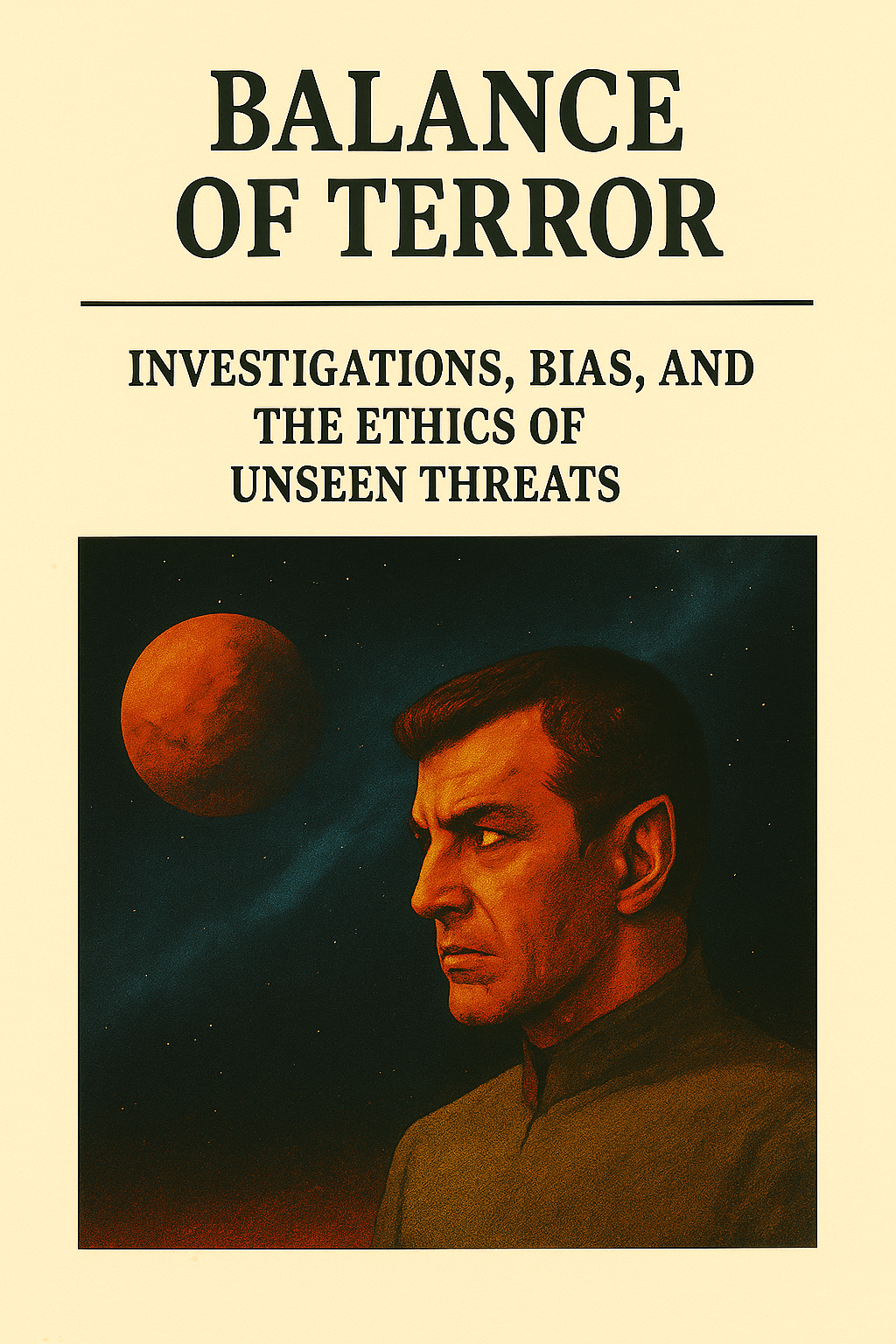
Balance of Terror: Investigations, Bias, and the Ethics of Unseen Threats

Show Summary

Today, we analyze Balance of Terror, the tense, submarine-style showdown between the Enterprise and a Romulan Bird-of-Prey that introduces one of Star Trek’s most enduring adversaries. The story unfolds as a mystery: Who attacked the Earth outposts? What is this new weapon? Who are the Romulans? And what do their sudden appearances mean for the Federation?

We consider the critical investigative lessons this episode offers for compliance professionals: the importance of situational analysis, managing internal bias, respecting operational security, and knowing when to act and when to wait. In this cat-and-mouse episode, we find the foundations of modern investigative best practices.

1. Situational Awareness and Evidence Gathering—Don’t Jump to Conclusions

Illustrated by: The destruction of Outposts 2 and 3 and the cryptic communication from Outpost 4.

When Captain Kirk is alerted to the destruction of Outposts 2 and 3, followed by a garbled and desperate message from Outpost 4, he does not leap to conclusions. Instead, he begins assembling a coherent picture from incomplete data. It is an approach every compliance professional should emulate. Kirk listens carefully to the fading transmissions, asks questions, and refrains from concluding until the evidence is strong enough to warrant a course of action. In the compliance context, this underscores the importance of establishing a clear and objective fact pattern before initiating formal charges or drawing public conclusions. Whether it is a whistleblower tip, financial irregularity, or cyber breach, investigators must resist the urge to confirm pre-existing assumptions and instead allow the data to guide the inquiry. Rushed investigations lead to false positives, reputational damage, and a loss of credibility. Thorough evidence gathering is not a luxury, and it is the cornerstone of practical and ethical investigations.

2. Managing Internal Bias—Appearance Is Not Proof

Illustrated by: Lieutenant Stiles’ suspicion of Mr. Spock based on the physical resemblance between Romulans and Vulcans.

Lieutenant Stiles immediately casts suspicion on Spock when it is revealed that Romulans resemble Vulcans despite Spock’s long and honorable service aboard the Enterprise. This reflexive distrust, based solely on appearance and ancestry, is a prime example of how bias can derail an investigation and a team. For compliance professionals, this moment serves as a powerful reminder of the damage unconscious bias can cause in investigative settings. Bias leads to tunnel vision, selective interpretation of evidence, and the marginalization of innocent individuals. Investigators must be trained to recognize and eliminate personal biases from their assessments, ensuring that findings are based on behavior and facts rather than on factors such as ethnicity, appearance, age, or background.

Additionally, leaders must protect team dynamics and morale by correcting discriminatory behavior when it arises. Stiles’s conduct not only risked undermining the investigation, but it also threatened the cohesion of the entire bridge crew. In compliance work, fairness is not only a good idea but also a foundational principle.

3. Strategic Surveillance—Investigate Without Provoking Retaliation

Illustrated by: Kirk shadowing the Romulan ship to determine intent and capabilities before engaging.

Captain Kirk chooses patience over aggression. Faced with a technologically advanced Romulan vessel capable of cloaking itself, Kirk adopts a strategy of stealth and surveillance, carefully observing enemy behavior before taking action. This restraint allows him to gather intelligence on the Romulans’ capabilities, decision-making process, and command philosophy. For compliance professionals, this offers a tactical lesson: not every investigation requires immediate confrontation. Especially in matters of internal fraud, harassment, or collusion, premature escalation can trigger retaliation, cover-ups, or destruction of evidence. Surveillance, whether through data audits, transaction monitoring, or employee behavior analytics, can provide valuable insights into patterns of misconduct while maintaining the element of surprise. However, it must be done ethically and lawfully, with careful control over access to sensitive information. Kirk’s calm, measured approach reflects the same principle: watch closely, document thoroughly, and only engage once you fully understand the scope and severity of the issue.

4. Chain of Custody and Documentation—Recording and Communicating the Facts

Illustrated by: The tactical logs Kirk reviews and Spock’s technical input during the confrontation.

Throughout the high-stakes engagement with the Romulans, Captain Kirk and his crew rely not on instinct but on a steady stream of data: tactical logs, sensor readouts, and crew input, particularly from Spock, who filters and interprets technical signals. These layers of documentation provide a clear, defensible foundation for Kirk’s strategic decisions. The lesson for compliance professionals is crystal clear: thorough, contemporaneous documentation is the bedrock of a defensible investigation. Every interview, transaction, policy exception, and timeline must be accurately recorded and stored securely to preserve integrity and facilitate external review. Furthermore, clear communication, especially among multidisciplinary stakeholders, is vital. Just as Kirk integrates science, operations, and command insights to build a complete picture, compliance teams must synthesize data across HR, IT, legal, and finance. Without this coordinated recordkeeping, investigations become vulnerable to challenge or dismissal. Proper documentation not only protects your findings but also protects your credibility.

5. Ethical Leadership During Investigations—Calm in the Face of Conflict

 Illustrated by: Kirk’s balance between decisiveness and restraint, even when provoked by Romulan attacks.

Despite being under extreme pressure and facing an adversary with unknown technology and intentions, Kirk maintains emotional control. He neither rushes to attack nor lets fear override strategic thinking. This poise under fire reflects the ideal ethical leadership model during an investigation. Compliance professionals frequently face high-stakes scenarios involving reputational risk, scrutiny from senior executives, or regulatory exposure. The temptation to react emotionally, whether defensively, aggressively, or politically, can compromise both the integrity and objectivity of the investigation. Like Kirk, compliance leaders must demonstrate restraint, transparency, and ethical consistency, even in moments of heightened tension. Your tone will shape how the team responds, how witnesses perceive the process, and how leadership views the investigation’s validity. Emotional discipline is not detachment, and it is the deliberate choice to anchor every step in principle rather than pressure. In times of uncertainty, ethical leadership is not loud but steady. And that steadiness defines whether your investigation is respected or rejected.

Final ComplianceLog Reflections

Balance of Terror is a masterclass in investigative poise, procedural discipline, and ethical clarity under pressure. As the Enterprise crew faces a new adversary cloaked in invisibility, we see what authentic leadership looks like when facts are scarce and risks are high.

For compliance professionals, this episode is a reminder that investigations require patience, vigilance, and integrity. Bias must be checked, facts must be verified, and trust must be earned. The threat may be hidden, but your investigative principles must always remain visible.

Categories
Trekking Through Compliance

Trekking Through Compliance – Episode 13 – The Conscience of the King

In this episode of Trekking Through Compliance, we consider the episode The Conscience of the King, which aired on December 8, 1966, with a Star Date of 2817.6.

In this episode of Trekking Through Compliance, we turn our attention to The Conscience of the King, a Shakespeare-infused Star Trek story that challenges Captain Kirk—and us—to grapple with the ethics of justice, mercy, and leadership responsibility. When Kirk suspects that the famed actor Anton Karidian is Kodos the Executioner—a governor responsible for ordering the deaths of 4,000 colonists years earlier—he must weigh vengeance, truth, and the costs of reopening old wounds.

As we unpack this episode, we connect Kirk’s internal struggle and ethical decision-making to the real-world challenges compliance professionals face when confronting legacy misconduct, institutional cover-ups, and questions of redemption in corporate culture.

Story Synopsis

Dr. Thomas Leighton calls the Enterprise Planet Q. Leighton suspects Anton Karidian, the leader of a Shakespearean acting troupe currently on the planet, is Kodos the Executioner, the former governor of the Earth colony of Tarsus IV. Kodos ordered that half the population of 8,000 be put to death during a food shortage. Both Leighton and Kirk were eyewitnesses.

Kirk arranges to ferry the acting troupe to its next destination. Spock learns the history of the massacre, Kirk’s connection to it, and that seven of the nine witnesses had died in each case when Karidian’s troupe was nearby. Kirk confronts Karidian with his suspicions. Karidian does not admit to being Kodos.

Karidian, overhearing, is disturbed, and Lenore tries to reassure him by revealing that she has been killing the witnesses to his crimes. Kirk moves to arrest them both. Lenore snatches a phaser and accidentally kills Karidian.

Key highlights:

1. The Weight of Past Decisions—Leadership Never Forgets

🖖Illustrated by: Kirk’s memory of witnessing the atrocities of Tarsus IV as a young man.

Great leaders never leave their past behind—they carry it forward as context and compass. When legacy issues, such as old FCPA violations or dormant discrimination claims, resurface, leaders must face them directly rather than bury them under corporate amnesia.

2. Silent Complicity and Ethical Courage—Speak Up, Even Years Later

🖖Illustrated by: Dr. Leighton’s insistence that Karidian is Kodos, despite the passage of time.

Leighton models the whistleblower’s dilemma: does the pursuit of truth justify disrupting someone’s life decades later? The answer, in compliance, is yes; when lives are harmed or injustice is committed, silence is complicity.

3. Leadership and Doubt—Action Without Certainty

🖖Illustrated by: Kirk’s internal struggle over whether Karidian is truly Kodos and whether justice still matters.

Kirk wrestles with doubt, a hallmark of responsible leadership. Unlike the rigid commander stereotype, Kirk shows us that great leaders pause, reflect, and sometimes hesitate before acting.

4. When the Next Generation Fails—Managing Succession and Oversight

🖖Illustrated by: Lenore Karidian’s vigilante campaign to eliminate witnesses to her father’s past.

Lenore’s misguided sense of loyalty and justice highlights the risks of leadership failure in succession. In a corporate setting, this highlights the importance of mentoring future leaders, integrating ethics into the culture, and establishing oversight during transitions.

5. Justice vs. Mercy—Leadership Must Balance the Two

🖖Illustrated by: Kirk’s decision not to kill Karidian but to hold him accountable through due process.

Ultimately, Kirk refuses to exact revenge. He chooses lawful action over vigilante justice. This restraint is perhaps the greatest leadership lesson of the episode: compliance is not about punishment; it is about principled action.

Final Starlog Reflections

The Conscience of the King is more than a mystery; it is a meditation on the responsibilities of leadership and the ethics of remembrance. Compliance professionals often find themselves at the intersection of institutional memory and moral action. Whether addressing legacy misconduct, evaluating redemptive narratives, or confronting cover-ups, we must carry the same conscience Kirk bears: one rooted in justice, tempered by mercy, and guided by truth.

As we say in the world of compliance, investigate when others ignore the issue. Act when others hesitate. Lead when others bury the past.

Resources:

Excruciatingly Detailed Plot Summary by Eric W. Weisstein

MissionLogPodcast.com

Memory Alpha