Categories
Blog

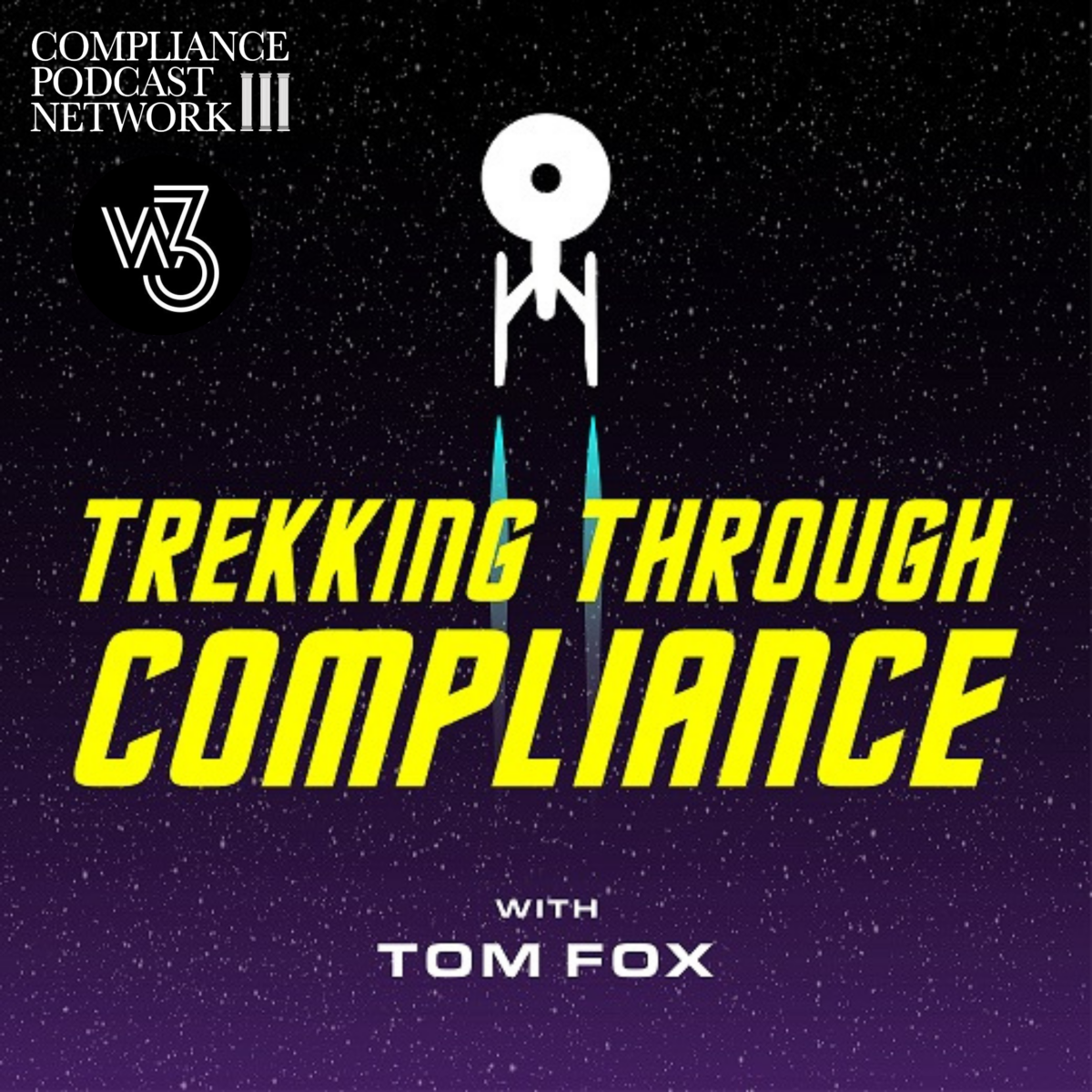
Breaking Free from Landru: Compliance Training Lessons from Return of the Archons

Show Summary

As a corporate compliance professional, I often say that sometimes the most profound lessons in ethics, culture, and communication don’t come from law books or boardroom memos—they come from Star Trek. One of the most underrated and allegorically rich episodes from The Original Series is “Return of the Archons.” On its face, it’s a tale about a mind-controlling computer and a seemingly idyllic society. But dig deeper, and you’ll find rich insights about what happens when training fails, communication becomes dogma, and critical thinking is suppressed. In short, it’s a compliance case study in a sci-fi wrapper.

In “Return of the Archons,” the crew of the Enterprise visits Beta III, a planet where the population is under the control of a mysterious figure named Landru. Society there values “peace, tranquility, and the good of the body,” but at the cost of individuality, freedom, and inquiry. The result? A dangerously complacent culture where questioning authority is considered a crime and blind obedience is rewarded. Sound familiar? For compliance professionals, this episode offers a cautionary tale about the dangers of compliance in form but not in spirit. Let’s unpack the key lessons, each grounded in a scene from the show, followed by a compliance communication or training takeaway.

Lesson 1: Beware of a Culture of Blind Obedience

Illustrated By: As Captain Kirk and Mr. Spock observe the citizens of Beta III, they are struck by the eerie passivity of the people. Everyone is polite, deferential, and expressionless. When asked about Landru, they recite phrases like “It is the will of Landru” or “You are not of the body.” No one can explain what these phrases mean—they repeat them unthinkingly.

Compliance Lesson:

This is what happens when employees are trained to follow the rules but are never taught why the rules matter. Compliance training that relies on rote memorization or check-the-box methodologies may ensure short-term adherence, but it builds a culture of passive compliance. Employees may be able to recite the Code of Conduct, but they often fail to recognize a genuine ethical dilemma when it arises.

Effective compliance training must go beyond slogans. It must teach critical thinking, situational awareness, and ethical reasoning. Employees should be empowered to ask questions, raise concerns, and challenge improper behavior, rather than simply following procedures blindly.

Lesson 2: Suppressing Dissent Undermines a Speak-Up Culture

Illustrated By: When Kirk and his team attempt to discuss their concerns with the townspeople, they are met with horror. One man panics and calls the lawgivers, who arrive to silence and “absorb” those who question Landru. Dissent is not only discouraged—it’s physically erased from society.

Compliance Lesson:

This is a culture of compliance where whistleblowing is viewed as heresy. If employees believe that speaking up will result in retaliation, social ostracization, or career harm, they will stay silent. And when that happens, misconduct festers.

Compliance training must make clear that the company values openness and will protect those who raise concerns. That message should be communicated consistently, reinforced in tone from the top, and modeled by leadership. Reporting mechanisms must be well publicized, easily accessible, and regularly tested for usability and effectiveness. Moreover, training must frame speaking up as not just permissible but essential to ethical corporate citizenship.

Lesson 3: Over-Automation Can Lead to Ethical Stagnation

Illustrated By: It’s eventually revealed that Landru is not a man but a computer programmed centuries earlier to maintain peace and harmony. Over time, the machine’s rigid logic has smothered innovation, growth, and individuality, enforcing compliance through force and fear rather than moral reasoning.

Compliance Lesson:

Automated compliance tools, such as monitoring software, AI risk scoring, and e-learning modules, are powerful and necessary. But they must not replace human judgment. When compliance becomes entirely algorithmic, it loses context, nuance, and moral intent. Worse, it risks becoming a machine-driven bureaucracy where the letter of the law is followed, but the spirit of the law is forgotten.

To avoid this, compliance communication must emphasize the rationale behind certain rules and procedures. Training should include real-world scenarios and dilemmas, encouraging discussion about the gray areas. Compliance professionals should foster spaces where ethics are debated, not dictated. Technology should be a support tool, not the enforcer of unquestioning obedience.

Lesson 4: Training Must Be Periodic, Relevant, and Culturally Engaging

Illustrated By: Beta III’s citizens haven’t had new information in generations. Their understanding of Landru and the laws is based on repetitive, ritualistic reinforcement. There’s no evolution, no adaptation, just the same messages over and over.

Compliance Lesson:

If your training materials have not changed since 2017, or if your annual code-of-conduct course is a 60-minute video with the same five questions at the end, you are simply Beta III. Stale training is ineffective training.

Modern compliance training must be dynamic. Use fresh content, current case studies, and engaging delivery methods (e.g., gamification, short videos, mobile-friendly platforms). Tailor training to employee roles and geographies. Include cultural context and industry-specific risks. Training should reflect not only what the law says but also what the business does. And most importantly, revisit it periodically; compliance culture must be a living conversation, not a forgotten file.

Lesson 5: Effective Communication Is Two-Way, Not Top-Down

Illustrated By: The citizens of Beta III receive messages from Landru through lawgivers who deliver proclamations but never answer questions. There is no dialogue, no exchange of ideas—just declarations from on high.

Compliance Lesson:

This is a textbook example of failed compliance communication. A top-down, one-way communication strategy might check disclosure boxes, but it does not build understanding. Effective compliance communication is a dialogue. It includes listening as much as it includes talking.

Compliance professionals should build feedback loops, whether through employee surveys, town hall Q&As, or informal listening sessions. Allow employees to ask questions, share concerns, and help shape compliance messaging. Communicate often, transparently, and in plain language. Avoid legalese. Speak to people, not to them.

Lesson 6: Culture Is the Foundation of Ethical Behavior

Illustrated By: Kirk and Spock recognize that Beta III is not simply a society with a malfunctioning leader; it is a society built on fear and conformity. Their solution isn’t just to turn off Landru. It’s to encourage the people to reclaim their humanity, their voices, and their ability to choose.

Compliance Lesson:

This is the ultimate lesson of “Return of the Archons”: Compliance cannot be imposed from above. It must be cultivated from within. Training and communication are essential tools for building a deeper culture, one where employees genuinely embrace compliance because they believe in it, not because they’re forced to.

Culture-building requires sustained effort. It involves reinforcing values through leadership examples, recognizing ethical behavior, correcting missteps transparently, and integrating ethics into the daily workflow. Culture is the soil from which compliance grows. Without it, your program is just window dressing.

Final ComplianceLog Reflections: You Are of the Body (of Compliance)

“Return of the Archons” may seem like an abstract sci-fi tale, but it carries vital messages for compliance officers. It shows what happens when a society stops asking questions, stops thinking critically, and stops caring about why the rules exist. It warns us of a world where compliance is no longer about ethics but about fear, automation, and suppression.

As compliance professionals, we must ensure that our training and communication efforts do not replicate the world of Landru. Instead, we must foster curiosity, encourage questions, empower whistleblowers, refresh our content, and build culture from the ground up. So the next time you hear a compliance slogan repeated like a mantra, ask yourself: Are we creating engaged, ethical employees, or are we just building another Beta III? Let’s boldly go where no training program has gone before and bring our people with us.

Resources:

Excruciatingly Detailed Plot Summary by Eric W. Weisstein

MissionLogPodcast.com

Memory Alpha

Categories
Blog

Investigative Lessons from Court Martial

Star Trek: The Original Series often illustrates complex ethical and procedural dilemmas that resonate deeply within the realm of corporate compliance. The episode “Court Martial,” in particular, offers compelling insights into effective investigative techniques and the challenges they present. In this narrative, Captain James T. Kirk faces accusations of negligent homicide, leading to a rigorous and revealing investigation. The drama unfolding aboard the USS Enterprise presents significant lessons for compliance professionals tasked with conducting internal investigations.

Today, we explore several critical investigative lessons from “Court Martial,” starting with a vivid scene from the episode, followed by the practical compliance takeaway.

1. Maintain Objectivity to Ensure Credibility

Illustrated By: Captain Kirk is accused of prematurely ejecting a research pod containing crewman Ben Finney during an ion storm. Initial computer records indicate Kirk’s guilt, prompting immediate suspicion.

Compliance investigations must always maintain objectivity. When allegations surface, compliance officers must approach each situation without preconceived notions or bias. Kirk’s investigators initially rely solely on computer data, presuming its infallibility. In corporate compliance, similarly, relying exclusively on initial reports or unverified data risks compromised investigations. Objectivity requires considering all available evidence impartially, interviewing multiple witnesses, and rigorously verifying the accuracy of data before drawing a conclusion. Objectivity protects the credibility of the compliance function and ensures fair treatment for all involved.

2. Validate Data Integrity and Authenticity

Illustrated by: Lieutenant Commander Spock meticulously tests the Enterprise’s computer system, uncovering evidence of intentional data tampering. He discovers discrepancies indicating the falsification of records used against Kirk.

Spock’s rigorous testing of the Enterprise’s data integrity underscores a fundamental investigative principle: always verify the authenticity of data. Compliance professionals cannot rely solely on digital records or untested evidence. Ensuring the integrity of investigative data involves thorough audits, cybersecurity verifications, and analytical validations. Investigations should routinely include data integrity checks and forensic audits to confirm that no manipulation or corruption has occurred. Integrity validations protect the investigation’s accuracy and reinforce trust in compliance processes.

3: Thoroughly Interview Witnesses and Stakeholders

Illustrated By: During Kirk’s trial, multiple crew members testify about Kirk’s character and actions. The varying perspectives initially add complexity but ultimately provide clarity about the underlying truth.

Effective compliance investigations require comprehensive witness interviews to build a complete understanding. Witnesses provide invaluable context, nuances, and insights beyond documentary evidence alone. Interviewing diverse stakeholders allows compliance professionals to develop a multidimensional perspective of events. Interviews should be carefully planned, meticulously documented, and designed to uncover not just factual information but also cultural dynamics, underlying motivations, and potential inconsistencies. Robust witness interviews help paint a complete investigative picture, greatly enhancing accuracy and reliability.

4. Beware of Confirmation Bias

Illustrated By: Initially, Starfleet Command investigators quickly embrace apparent computer evidence against Kirk, displaying confirmation bias driven by the expectation that the computer system’s reliability is absolute.

Compliance officers must guard against confirmation bias, the human tendency to seek or interpret evidence in a way that confirms preexisting beliefs or assumptions. Confirmation bias compromises investigative accuracy, potentially leading to unjust outcomes. To mitigate this, compliance investigators must consciously seek information that challenges initial assumptions, consider alternative explanations, and remain vigilant for indicators that contradict their preliminary conclusions. Compliance programs should incorporate systematic safeguards—such as peer reviews or independent validation—to reduce bias, thereby fostering robust and impartial investigations.

5. Documentation and Transparency Enhance Investigation Integrity

Illustrated By: Throughout Kirk’s trial, Starfleet meticulously documents each proceeding, transparently demonstrating adherence to investigative protocols and ensuring accountability.

Thorough documentation and transparency are critical in corporate investigations. Complete, accurate, and contemporaneous documentation enhances the credibility of investigations, protects against allegations of unfairness or misconduct, and strengthens the defensibility of compliance. Investigative processes should be transparently documented, recording every significant step, the rationale behind decisions, and the evidence gathered. Such meticulous transparency ensures that compliance teams can confidently explain their methods and conclusions, reinforcing trust among employees, regulators, and other stakeholders.

6. Ethical Leadership Reinforces Compliance Integrity

Illustrated By: Despite significant personal and professional risk, Captain Kirk consistently demonstrates ethical integrity, willingly submitting to the investigative and judicial processes without interference or evasion.

Ethical leadership profoundly influences compliance investigations. Leaders who openly embrace investigative processes, even when personally inconvenient or challenging, set powerful examples that foster organizational trust and ethical standards. Compliance officers must similarly lead investigations transparently and ethically, demonstrating an unwavering commitment to integrity. When leadership visibly upholds investigative processes without attempting to undermine or influence outcomes, organizations cultivate a deeper culture of compliance, emphasizing that ethical adherence takes precedence over personal convenience or hierarchical influence.

7. Accountability Builds Trust and Organizational Integrity

Illustrated By: The resolution of the investigation leads to accountability, restoring Kirk’s reputation and revealing the true culprit, Ben Finney, who had staged his apparent death and manipulated evidence out of personal grievance.

Compliance investigations must result in clear accountability to maintain organizational trust and integrity. Investigations lacking follow-through on identified misconduct undermine the credibility of compliance efforts. Conversely, holding responsible parties genuinely accountable, regardless of their position or seniority, significantly enhances an organization’s commitment to ethical standards. Compliance teams must ensure the consistent and impartial enforcement of corrective actions, sanctions, or procedural adjustments arising from investigations. Genuine accountability reinforces compliance programs, fortifies organizational trust, and deters future misconduct.

Final ComplianceLog Reflections

“Court Martial” compellingly illustrates key principles of critical compliance investigations: maintaining objectivity, validating data integrity, conducting thorough witness interviews, avoiding confirmation bias, ensuring transparent documentation, exemplifying ethical leadership, and reinforcing accountability. Each investigative lesson from Captain Kirk’s dramatic ordeal directly translates into best practices for compliance professionals navigating complex corporate scenarios.

Ultimately, effective compliance investigations hinge upon fairness, rigor, and transparency. Compliance professionals can profoundly strengthen investigative integrity by applying these timeless Star Trek lessons, creating robust frameworks that earn stakeholder confidence, protect the organization’s reputation, and affirm a commitment to uncompromising ethical standards.

Let us integrate these investigative lessons boldly into our compliance programs, ensuring that we consistently uphold and exemplify the highest investigative standards. By doing so, compliance professionals truly become organizational champions and guardians of integrity, transparency, and trust.

Resources:

Excruciatingly Detailed Plot Summary by Eric W. Weisstein

MissionLogPodcast.com

Memory Alpha

Categories
Trekking Through Compliance

Trekking Through Compliance: Investigative Lessons from Court Martial

Show Summary

The episode “Court Martial,” in particular, offers compelling insights into effective investigative techniques and the challenges they present. In this narrative, Captain James T. Kirk faces accusations of negligent homicide, leading to a rigorous and revealing investigation. Today, we explore several critical investigative lessons from “Court Martial,” starting with a vivid scene from the episode, followed by the practical compliance takeaway.

Lesson 1: Maintain Objectivity to Ensure Credibility

Illustrated By: Captain Kirk is accused of prematurely ejecting a research pod containing crewman Ben Finney during an ion storm. Initial computer records indicate Kirk’s guilt, prompting immediate suspicion.

Compliance investigations must always maintain objectivity, which requires considering all available evidence impartially, interviewing multiple witnesses, and rigorously verifying the accuracy of data before concluding.

Lesson 2: Validate Data Integrity and Authenticity

Illustrated by: Lieutenant Commander Spock meticulously tests the Enterprise’s computer system, uncovering evidence of intentional data tampering. He discovers discrepancies indicating the falsification of records used against Kirk.

Spock’s rigorous testing of the Enterprise’s data integrity underscores a fundamental investigative principle: always verify the authenticity of data.

Lesson 3: Thoroughly Interview Witnesses and Stakeholders

Illustrated By: During Kirk’s trial, multiple crew members testify about Kirk’s character and actions.

Effective compliance investigations require comprehensive witness interviews to build a complete understanding.

Lesson 4: Beware of Confirmation Bias

Illustrated By: Initially, Starfleet Command investigators quickly embrace apparent computer evidence against Kirk, displaying confirmation bias driven by the expectation that the computer system’s reliability is absolute.

Compliance officers must guard against confirmation bias, the human tendency to seek or interpret evidence in a way that confirms preexisting beliefs or assumptions.

Lesson 5: Documentation and Transparency Enhance Investigation Integrity

Illustrated By: Throughout Kirk’s trial, Starfleet meticulously documents each proceeding, transparently demonstrating adherence to investigative protocols and ensuring accountability.

Meticulous transparency ensures compliance teams can confidently explain their methods and conclusions, reinforcing trust among employees, regulators, and other stakeholders.

Lesson 6: Ethical Leadership Reinforces Compliance Integrity

Illustrated By: Despite significant personal and professional risk, Captain Kirk consistently demonstrates ethical integrity, willingly submitting to the investigative and judicial processes without interference or evasion.

Compliance officers must lead investigations transparently and ethically, demonstrating an unwavering commitment to integrity and transparency.

Lesson 7: Accountability Builds Trust and Organizational Integrity

Illustrated By: The resolution of the investigation leads to accountability, restoring Kirk’s reputation and revealing the true culprit, Ben Finney, who had staged his apparent death and manipulated evidence out of personal grievance.

Compliance teams must ensure the consistent and impartial enforcement of corrective actions, sanctions, or procedural adjustments arising from investigations.

Final ComplianceLog Reflections

Ultimately, effective compliance investigations hinge upon fairness, rigor, and transparency. Compliance professionals can profoundly strengthen investigative integrity by applying these timeless Star Trek lessons, creating robust frameworks that earn stakeholder confidence, protect the organization’s reputation, and affirm a commitment to uncompromising ethical standards.

Let us integrate these investigative lessons boldly into our compliance programs, ensuring that we consistently uphold and exemplify the highest investigative standards. By doing so, compliance professionals truly become organizational champions and guardians of integrity, transparency, and trust.

Resources:

Excruciatingly Detailed Plot Summary by Eric W. Weisstein

MissionLogPodcast.com

Memory Alpha

Categories
Trekking Through Compliance

Trekking Through Compliance: Arena and Lessons in Cross-Cultural Compliance

Show Summary

One of the most potent aspects of compliance leadership is its profound connection with broader lessons drawn from seemingly unrelated sources. Few are as richly instructive as the original Star Trek series. Today, let’s boldly explore an insightful compliance case study from the iconic episode “Arena.” This episode illustrates the immense value of cross-cultural understanding and effective intercultural compliance strategies. Here are the cross-cultural compliance lessons that corporate compliance professionals can derive from this gripping tale.

Key highlights:

1. Avoiding Misinterpretation through Cultural Empathy Scene from “Arena”

Illustrated by Captain Kirk, consumed by the destruction of the Federation outpost at Cestus III, immediately assumes malevolent intent.

Compliance professionals must recognize their inherent biases and strive for deeper cultural understanding, particularly when operating internationally. Rather than jumping to conclusions, compliance leaders should rigorously question their assumptions, investigate thoroughly, and engage in respectful dialogues with international counterparts.

2. Communication and Mutual Understanding

Illustrated By: Initially driven by anger and mistrust, Kirk ultimately realizes—through observing and assessing the Gorn’s motivations and behavior—that the Gorn believed they were acting in legitimate self-defense, perceiving the Federation outpost as a threat.

This realization highlights the vital importance of clear and transparent communication in fostering mutual understanding. Compliance officers navigating multinational operations must ensure effective communication channels and explicit clarity in expressing company values, expectations, and regulatory requirements across cultural divides.

3. Respectful Negotiation as a Foundation for Resolution

Illustrated By: In the episode’s finale, rather than taking advantage of a vulnerable and incapacitated Gorn captain, Kirk refuses to deliver a lethal blow.

Compliance leaders should employ collaborative negotiation techniques, prioritize understanding diverse perspectives, and demonstrate respect for local customs and regulatory norms. Such respectful negotiation not only resolves immediate issues but also establishes lasting trust and collaborative relationships that strengthen global compliance initiatives.

4. Continuous Learning and Adaptability in Cultural Contexts

Illustrated By: Throughout the battle, Kirk learns from his environment, adapting his strategies to the unique circumstances imposed by the Metrons’ forced confrontation. His ability to adapt and learn continuously becomes his greatest asset.

Compliance professionals must also embrace continuous learning and adaptability, particularly in diverse cultural contexts. Successful compliance officers cultivate adaptability by actively engaging with local teams to gain nuanced insights.

5. Leveraging Cultural Differences as Opportunities

Illustrated by the fact that, although initially viewed as monstrous and hostile, the Gorn prove to be strategic, thoughtful, and capable.

Compliance officers who leverage cultural differences constructively build stronger, more resilient, and truly global compliance frameworks.

6. Cross-Cultural Leadership Drives Ethical Behavior

Illustrated by Kirk’s ultimate refusal to kill the defenseless Gorn, ethical leadership inspires respect even among the observing Metrons.

Visible ethical leadership encourages teams worldwide to adopt and maintain compliance and moral behaviors consistently.

Final ComplianceLog Reflections

The cross-cultural lessons from Star Trek’s “Arena” vividly illustrate essential compliance principles for the contemporary global organization. Compliance leaders must cultivate cultural empathy, maintain clear communication, negotiate respectfully, demonstrate adaptability, positively capitalize on cultural diversity, and exemplify ethical cross-cultural leadership. Just as Captain Kirk learned to move beyond initial assumptions toward a more profound understanding, compliance professionals can significantly enhance their effectiveness by applying these timeless lessons.

By adopting these culturally intelligent compliance practices, organizations not only ensure regulatory adherence but also significantly enrich their internal culture and ethical stature. Let us commit to boldly going forward, embracing cross-cultural intelligence and empathy as the cornerstones of effective global compliance strategies.

Resources:

Excruciatingly Detailed Plot Summary by Eric W. Weisstein

MissionLogPodcast.com

Memory Alpha
Categories
Blog

Arena and Lessons in Cross – Cultural Compliance

One of the most powerful aspects of compliance leadership is its profound connection with broader lessons drawn from seemingly unrelated sources. Few are as richly instructive as the original Star Trek series. Today, let’s boldly explore an insightful compliance case study from the iconic episode “Arena.” This episode illustrates the immense value of cross-cultural understanding and effective intercultural compliance strategies.

In “Arena,” Captain Kirk and the USS Enterprise respond to an apparent distress call at a Federation outpost. They soon discover that the base has been obliterated by an unknown attacker, the Gorn, a formidable alien species. Kirk chases the Gorn, determined to exact revenge. Yet, through a dramatic series of events orchestrated by the omnipotent entity known as the Metrons, Kirk ultimately learns powerful lessons in cultural empathy, conflict resolution, and mutual understanding. Here are the cross-cultural compliance lessons that corporate compliance professionals can derive from this gripping tale.

1. Avoiding Misinterpretation through Cultural Empathy

Illustrated By: Captain Kirk, consumed by the destruction of the Federation outpost at Cestus III, immediately assumes malevolent intent. He perceives the Gorn’s actions as unprovoked aggression, swiftly deciding retaliation is his only recourse. 

Kirk’s initial response highlights a common mistake in cross-cultural interactions: hasty assumptions based solely on one’s cultural framework. In global compliance, cultural empathy is crucial to avoid similar errors. Compliance professionals must recognize their inherent biases and strive for deeper cultural understanding, particularly when operating internationally. Rather than jumping to conclusions, compliance leaders should rigorously question their assumptions, investigate thoroughly, and engage in respectful dialogues with international counterparts. Only by sincerely seeking to understand different cultural perspectives can compliance officers effectively manage risks and avoid unnecessary conflicts or damaging misunderstandings.

2. Communication and Mutual Understanding

Illustrated By During the climactic confrontation, Kirk and the Gorn captain are forced into single combat. Initially driven by anger and mistrust, Kirk ultimately realizes, through observing and assessing the Gorn’s motivations and behavior, that the Gorn believed they were acting in legitimate self-defense, perceiving the Federation outpost as a threat to their security. 

This realization highlights the vital importance of clear and transparent communication in fostering mutual understanding. Compliance officers navigating multinational operations must ensure effective communication channels and explicit clarity in expressing company values, expectations, and regulatory requirements across cultural divides. Cultural barriers can lead to confusion or misinterpretation of compliance policies. Compliance communications prioritize clarity, cultural sensitivity, and ongoing dialogue, fostering trust and ensuring all parties correctly understand their roles and obligations.

3. Respectful Negotiation as a Foundation for Resolution

Illustrated By: In the episode’s finale, rather than taking advantage of a vulnerable and incapacitated Gorn captain, Kirk refuses to deliver a lethal blow. By choosing mercy and respect over vengeance, Kirk signals a willingness to negotiate peace rather than prolong the conflict.

Respectful negotiation rooted in empathy is vital for resolving conflicts, especially in cross-cultural compliance scenarios. Disagreements or regulatory issues arising from cultural differences require patient negotiation, respectful engagement, and a genuine willingness to find common ground. Compliance leaders should employ collaborative negotiation techniques, prioritize understanding diverse perspectives, and demonstrate respect for local customs and regulatory norms. Such respectful negotiation not only resolves immediate issues but also establishes lasting trust and collaborative relationships that strengthen global compliance initiatives.

4. Continuous Learning and Adaptability in Cultural Contexts

Illustrated throughout the battle, Kirk improvises weapons from minerals found on the planet. He learns from his environment, adapting his strategies to the unique circumstances imposed by the Metrons’ forced confrontation. His ability to adapt and learn continuously becomes his greatest asset.

Compliance professionals must also embrace continuous learning and adaptability, particularly in diverse cultural contexts. Static, inflexible compliance programs fail when imposed universally without considering local customs, business practices, and regulatory landscapes. Successful compliance officers cultivate adaptability by actively engaging with regional teams to gain nuanced insights and perspectives. They continually revise their compliance strategies to reflect the cultural intelligence gained through real-world experience, feedback loops, and active listening. This dynamic approach ensures that compliance policies remain adequate, relevant, and culturally appropriate.

5. Leveraging Cultural Differences as Opportunities

Illustrated By Although initially viewed as monstrous and hostile, the Gorn prove to be strategic, thoughtful, and capable. Kirk eventually recognizes that the differences he initially saw as threatening can also represent strengths, wisdom, and insight if approached in the right way.

In corporate compliance, cultural differences should be viewed not as threats but as opportunities for growth and innovation. Diverse cultural perspectives can enrich compliance strategies, offering fresh approaches to risk mitigation, ethical practices, and the interpretation of regulations. Compliance officers who actively solicit and integrate cultural diversity within compliance teams and leadership structures benefit from varied insights, innovative problem-solving, and enriched ethical decision-making. Leveraging these cultural differences constructively builds stronger, more resilient, and truly global compliance frameworks.

6. Cross-Cultural Leadership Drives Ethical Behavior

Illustrated by Kirk’s ultimate refusal to kill the defenseless Gorn, ethical leadership inspires respect even among the observing Metrons. His cross-cultural leadership sends a powerful message about humanity’s commitment to higher ethical standards and the pursuit of peace.

Cross-cultural ethical leadership is essential for compliance success. Compliance leaders must exemplify unwavering ethical principles across cultural boundaries, clearly communicating standards of conduct and demonstrating personal integrity. Visible ethical leadership encourages teams worldwide to consistently adopt and maintain compliance and ethical behaviors. Leaders who model integrity in cross-cultural interactions significantly strengthen their organization’s compliance culture, creating global cohesion around shared ethical values and compliance objectives.

Final ComplianceLog Reflections

The cross-cultural lessons from Star Trek’s “Arena” vividly illustrate essential compliance principles for the contemporary global organization. Compliance leaders must cultivate cultural empathy, maintain clear communication, negotiate respectfully, demonstrate adaptability, positively capitalize on cultural diversity, and exemplify ethical cross-cultural leadership. Just as Captain Kirk learned to move beyond initial assumptions toward more profound understanding, compliance professionals can greatly enhance their effectiveness by applying these timeless lessons.

By adopting these culturally intelligent compliance practices, organizations not only ensure regulatory adherence but also significantly enrich their internal culture and ethical stature. Let us commit to boldly going forward, embracing cross-cultural intelligence and empathy as the cornerstones of effective global compliance strategies.

Resources:

Excruciatingly Detailed Plot Summary by Eric W. Weisstein

MissionLogPodcast.com

Memory Alpha
Categories
Blog

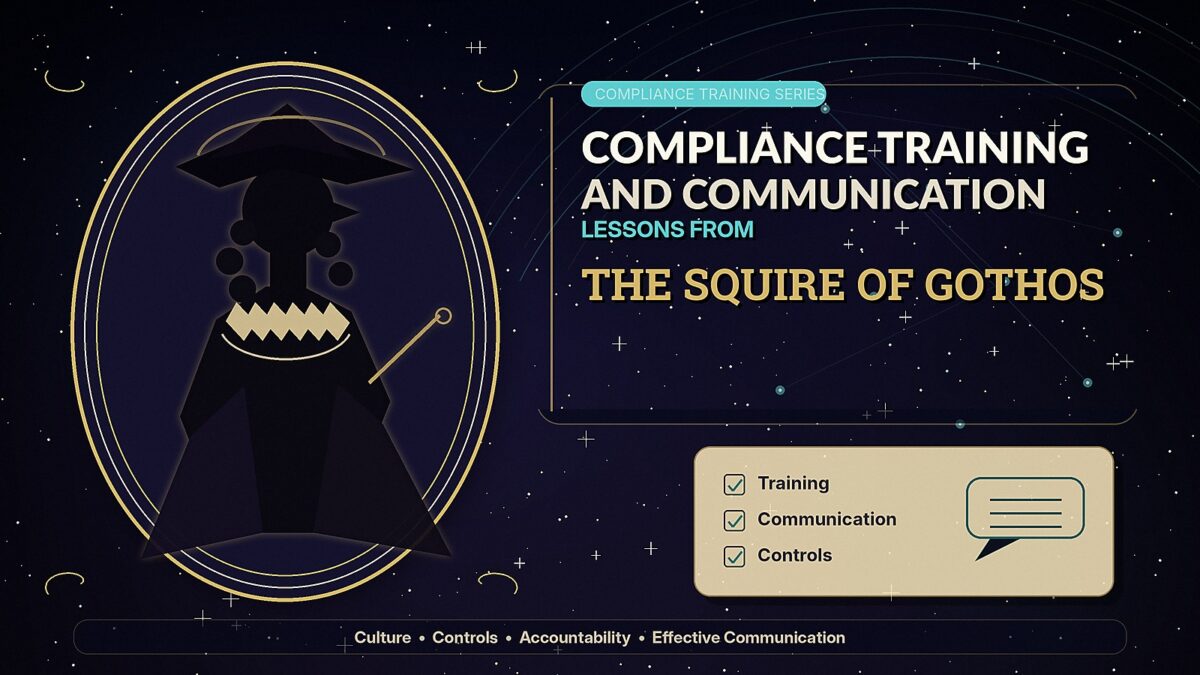
The Squire of Gothos – Training and Communication Lessons

Show Summary

As compliance professionals, our roles often require us to explore diverse sources to glean valuable lessons in compliance. “Star Trek: The Original Series” consistently provides profound insights applicable to our daily challenges. The episode “The Squire of Gothos” serves as an excellent illustration of essential lessons in training and communications crucial for compliance practitioners today.

In this episode, the USS Enterprise, led by Captain Kirk, encounters the mysterious planet Gothos, governed by the whimsical and capricious character Trelane. Initially appearing as a refined and gracious host, Trelane soon reveals himself as an unpredictable entity wielding tremendous power but little accountability. His lack of understanding and misinterpretation of human behavior laid the groundwork for significant insights into compliance. Let’s examine the key lessons in training and communication that can be gleaned from this engaging narrative.

1. Clarity is Essential in Communication

Illustrated by Trelane, this work enthusiastically recreates an elegant yet bizarrely inaccurate representation of Earth’s history, misunderstanding fundamental human behaviors and values. His superficial interpretation leads to confusion and conflict with Kirk and his crew.

In compliance communications, similar pitfalls occur when employees misunderstand critical guidance due to vague or incomplete messaging. Clear, concise, and contextual communication ensures that employees understand compliance requirements, practical applications, and the consequences of missteps. Compliance professionals must consistently review their messages for clarity, using precise, accessible language to eliminate ambiguity, thereby aligning understanding across the organization.

2. Adapt Training to Your Audience’s Realities

Illustrated By: Trelane’s understanding of human culture proves drastically outdated and disconnected from the contemporary realities of Kirk’s era, referencing Earth’s distant past without comprehending current circumstances. His inability to relate properly alienates his audience rather than engages them. 

Similarly, compliance training must align closely with employees’ actual workplace realities and challenges. Generic or irrelevant training content quickly loses effectiveness. Instead, compliance officers should tailor scenarios, examples, and training methods to reflect genuine operational contexts, contemporary risks, and real-life situations employees encounter daily. Authentic relevance significantly improves learner retention and practical application.

3. Interactive Communication Engages and Educates

Illustrated By: Trelane draws Captain Kirk and his crew into an interactive scenario, complete with costumes and props, to engage them. Though misguided in execution, his effort to create engagement is evident—he understands engagement is essential to capturing attention.

Compliance training should similarly prioritize interactive methods, creating engaging, participatory experiences. Scenario-based simulations, role-playing activities, gamified e-learning, and collaborative exercises can effectively involve employees. By actively participating rather than passively listening, employees deepen their understanding, ensuring that training is more memorable, impactful, and effectively translated into compliant behaviors.

4. Feedback Loops Are Crucial

Illustrated By: Trelane repeatedly dismisses feedback from Kirk and the crew, ignoring their corrections and pleas. His refusal to acknowledge or integrate feedback escalates misunderstandings, leading to increased conflict and mistrust.

This vividly demonstrates the critical need for robust feedback loops within compliance training and communications. Soliciting, acknowledging, and acting upon feedback are essential components of effective compliance training programs. Compliance officers should continuously evaluate training effectiveness through surveys, post-session discussions, and informal feedback channels, ensuring continuous improvement and alignment with employee needs and concerns.

5. Balance Authority with Empathy and Understanding

Illustrated By: Trelane initially wields his immense power autocratically, indifferent to the crew’s concerns and fears. His lack of empathy creates resentment, anxiety, and, ultimately, defiance among the personnel of the Enterprise.

Compliance professionals also risk alienating employees when they wield compliance mandates without empathy or understanding. Successful compliance programs strike a balance between authoritative requirements and genuine compassion. Demonstrating an understanding of employee pressures, organizational realities, and practical challenges fosters greater trust and collaboration, thereby nurturing a culture of compliance where adherence is willingly embraced rather than resented.

6. Beware the Perils of Misplaced Assumptions

Illustrated By: Trelane assumes an inaccurate knowledge of human culture based solely on superficial observation from afar. His unchecked assumptions repeatedly cause confusion, mistakes, and frustration as he misunderstands core human motivations and behaviors.

Compliance professionals must avoid similar pitfalls. Unchecked assumptions about employees’ knowledge levels, behavior, or organizational culture can lead to ineffective training and costly compliance breakdowns. Training must be grounded in data-driven insights, direct employee engagement, and empirical validation, ensuring assumptions are continuously tested and adjusted accordingly.

7. Leverage Leadership as Communication Champions

Illustrated By: Captain Kirk effectively navigates the challenging interactions with Trelane, leading his crew decisively. Kirk’s clear communication, authoritative yet empathetic demeanor, and consistent leadership reassure and guide his team through uncertainty and conflict.

In the compliance realm, leadership plays a similarly critical role in amplifying the effectiveness of training and communication. Senior leaders who champion compliance messages, actively participate in training, and visibly embody compliance principles significantly enhance the credibility of the program and employee engagement. Leadership engagement reinforces training lessons, ensuring compliance is deeply embedded within organizational culture and behavior.

 Final ComplianceLog Reflections 

Star Trek’s “The Squire of Gothos” offers compelling lessons in clear communication, tailored and interactive training methods, effective feedback integration, empathetic leadership, validated assumptions, and communication-driven decision-making. Compliance professionals can learn from both Trelane’s shortcomings and Kirk’s strategic interactions to enhance the impact of their compliance training programs significantly.

By embracing these lessons, compliance professionals strengthen their communication, foster meaningful employee engagement, and ultimately build more robust compliance cultures. Like the crew of the USS Enterprise, navigating mysterious challenges effectively requires proactive, adaptive, and thoughtfully designed communication and training strategies. Let us boldly incorporate these insights, ensuring our compliance programs resonate, educate, and inspire employees across our organizations.

Resources:

Excruciatingly Detailed Plot Summary by Eric W. Weisstein

MissionLogPodcast.com

Memory Alpha
Categories
Trekking Through Compliance

Trekking Through Compliance: Episode 17 – The Squire of Gothos – Training and Communication Lessons

Show Summary

The episode “The Squire of Gothos” serves as an excellent illustration of essential lessons in training and communications crucial for compliance practitioners today.

In this episode, the USS Enterprise, led by Captain Kirk, encounters the mysterious planet Gothos, governed by the whimsical and capricious character Trelane. Initially appearing as a refined and gracious host, Trelane soon reveals himself as an unpredictable entity wielding tremendous power but little accountability. His lack of understanding and misinterpretation of human behavior laid the groundwork for significant insights into compliance. Today, we examine the valuable lessons in training and communication that can be gleaned from this engaging narrative.

Key highlights:

1. Clarity is Essential in Communication

Illustrated by Trelane, this work enthusiastically recreates an elegant yet bizarrely inaccurate representation of Earth’s history, misunderstanding fundamental human behaviors and values.

Clear, concise, and contextual communication ensures that employees understand compliance requirements, practical applications, and the consequences of missteps. Compliance professionals must consistently review their messages for clarity, using precise, accessible language to eliminate ambiguity, thereby aligning understanding across the organization.

2. Adapt Training to Your Audience’s Realities

Illustrated by Trelane’s understanding of human culture, it proves drastically outdated and disconnected from the contemporary realities of Kirk’s era, referencing Earth’s distant past without comprehending current circumstances. 

Compliance training must align closely with employees’ actual workplace realities and challenges. Generic or irrelevant training content quickly loses effectiveness. Authentic relevance significantly improves learner retention and practical application.

3. Interactive Communication Engages and Educates

Illustrated By: Trelane draws Captain Kirk and his crew into an interactive scenario, complete with costumes and props, to engage them. 

Compliance training should similarly prioritize interactive methods, creating engaging, participatory experiences. By actively participating rather than passively listening, employees deepen their understanding, ensuring that training is more memorable, impactful, and effectively translated into compliant behaviors.

4. Feedback Loops Are Crucial

Illustrated by: Trelane repeatedly dismisses feedback from Kirk and the crew, ignoring their corrections and pleas. 

This vividly demonstrates the critical need for robust feedback loops within compliance training and communications. Compliance officers should continuously evaluate training effectiveness through surveys, post-session discussions, and informal feedback channels, ensuring continuous improvement and alignment with employee needs and concerns.

5. Balance Authority with Empathy and Understanding

Illustrated By: Trelane initially wields his immense power autocratically, indifferent to the crew’s concerns and fears.

Compliance professionals also risk alienating employees when they wield compliance mandates without empathy or understanding. Demonstrating an understanding of employee pressures, organizational realities, and practical challenges fosters greater trust and collaboration, thereby nurturing a culture of compliance where adherence is willingly accepted rather than resented.

6. Beware the Perils of Misplaced Assumptions

Illustrated by Trelane, he assumes an inaccurate knowledge of human culture based solely on superficial observation from afar. 

Compliance professionals must avoid similar pitfalls. Training must be grounded in data-driven insights, direct employee engagement, and empirical validation, ensuring assumptions are continuously tested and adjusted accordingly.

7. Leverage Leadership as Communication Champions

Illustrated by Captain Kirk effectively navigating the challenging interactions with Trelane, leading his crew decisively. 

Leadership plays a critical role in amplifying the effectiveness of training and communication. Leadership engagement reinforces training lessons, ensuring compliance is deeply embedded within organizational culture and behavior.

Final ComplianceLog Reflections

Star Trek’s “The Squire of Gothos offers compelling lessons in clear communication, tailored and interactive training methods, effective feedback integration, empathetic leadership, validated assumptions, and communication-driven decision-making. Compliance professionals can learn from both Trelane’s shortcomings and Kirk’s strategic interactions to enhance the impact of their compliance training programs significantly.

Resources:

Excruciatingly Detailed Plot Summary by Eric W. Weisstein

MissionLogPodcast.com

Memory Alpha
Categories
Trekking Through Compliance

Trekking Through Compliance – Episode 16 – The Galileo Seven and a Guide to Flexible Compliance Leadership

Show Summary

In the rich tapestry of leadership parables woven by Star Trek: The Original Series, the episode “The Galileo Seven” offers an extraordinary case study in adaptive leadership for compliance professionals.

Captain Kirk dispatches the shuttlecraft Galileo, commanded by Mr. Spock, to investigate a mysterious spatial phenomenon known as the Murasaki 312 quasar-like formation. Things quickly escalate when Galileo crash-lands on Taurus II, a hostile and primitive planet. Faced with limited resources, dwindling time, and escalating internal conflicts among the shuttlecraft crew, Spock must navigate his first significant command crisis without the immediate guidance of Captain Kirk.

Drawing parallels from “The Galileo Seven,” we explore critical leadership lessons and their practical implications for compliance professionals.

1. Logic vs. Emotional Intelligence—Know When to Adjust

Illustrated by: Spock’s initial adherence strictly to logic, which causes friction among his crew.

Initially, Spock applies logic rigidly, prioritizing scientific analysis and efficiency above all else. However, his lack of emotional awareness and inability to adapt to crew concerns cause resentment and weaken morale. For compliance officers, this highlights the importance of emotional intelligence in leadership. Successful compliance leaders understand that emotions, fears, and motivations drive people. 

2. Collaborative Decision-Making—Recognize the Power of the Team

Illustrated by: Spock’s initial refusal to accept team input, followed by his eventual realization of its value.

Initially, Spock resisted input from his team, confident his logic alone would lead them to safety. However, after multiple setbacks, including the loss of crew members and mounting internal pressure, Spock recognizes the need for collaborative input. In compliance, unilateral decision-making can often lead to resistance or compliance failures. Encouraging team participation fosters diverse perspectives, enriches problem-solving, and enhances the success of implementation.

3. Adaptive Communication—Tailor Your Message

Illustrated by: Spock learning to communicate more effectively under crisis conditions.

Initially, Spock’s communication style was overly technical, direct, and unemotional. This approach alienates crew members who need reassurance, context, and encouragement. For compliance professionals, transparent, adaptable communication is paramount. Compliance officers regularly interact with diverse audiences, and each group requires a tailored approach to communication. Employees need practical, understandable instructions; senior executives seek strategic implications and bottom-line impacts; regulators require precise, factual responses.

4. Strategic Flexibility—Be Prepared to Shift Tactics

Illustrated by: Spock’s decision to jettison shuttle fuel as a distress signal.

Spock makes an unconventional decision to ignite Galileo’s remaining fuel to create a distress signal. This act is a decisive departure from his logic-based strategy, demonstrating Spock’s ability to pivot rapidly under pressure. Compliance leadership requires similar strategic flexibility. Regulations evolve, new risks emerge, and organizational dynamics shift quickly. Compliance officers must be agile, ready to abandon approaches that are not working and pivot to new strategies that address changing landscapes.

5. Crisis Leadership—Maintain Composure and Provide Clarity

Illustrated by: Spock’s calm demeanor under extreme pressure.

Throughout the escalating crisis, Spock maintains remarkable composure, never allowing panic or emotional strain to overtly influence his behavior. Employees and executives alike look to compliance professionals for clear-headed leadership during turmoil.

6. Continuous Learning—Grow Through Experience

Illustrated by: Spock’s reflection on the mission’s challenges and outcomes.

By the end of the episode, Spock demonstrates meaningful growth as a leader, reflecting on the lessons learned from the crisis and acknowledging his initial shortcomings. Compliance officers should adopt this same mindset of continuous learning. Rather than viewing mistakes as purely negative, compliance professionals can treat them as opportunities to refine their approach, enhance their strategic perspective, and improve compliance practices.

Final ComplianceLog Reflections

The Galileo Seven” is not just a thrilling adventure; it is a masterclass in adaptive leadership that compliance professionals can emulate. Spock’s journey from rigid logic to adaptive, compassionate leadership underscores that effective compliance officers must be dynamic, empathetic, collaborative, flexible, composed, and continuously learning.

Resources:

Excruciatingly Detailed Plot Summary by Eric W. Weisstein

MissionLogPodcast.com

Memory Alpha
Categories
Blog

The Galileo Seven and a Guide to Flexible Compliance Leadership

Show Summary

In the rich tapestry of leadership parables woven by Star Trek: The Original Series, the episode “The Galileo Seven” offers an extraordinary case study in adaptive leadership for compliance professionals. Set against a backdrop of crisis and uncertainty, this iconic episode offers invaluable insights into how compliance officers can adapt their leadership styles and strategic approaches to effectively meet diverse challenges.

Captain Kirk dispatches the shuttlecraft Galileo, commanded by Mr. Spock, to investigate a mysterious spatial phenomenon known as the Murasaki 312 quasar-like formation. Things quickly escalate when Galileo crash-lands on Taurus II, a hostile and primitive planet. Faced with limited resources, dwindling time, and escalating internal conflicts among the shuttlecraft crew, Spock must navigate his first significant command crisis without the immediate guidance of Captain Kirk.

As compliance professionals, we often encounter scenarios that require swift adaptation, nuanced leadership, and strategic flexibility. Drawing parallels from “The Galileo Seven,” we next explore critical leadership lessons and their practical implications for compliance professionals.

1. Logic vs. Emotional Intelligence—Know When to Adjust

Illustrated by: Spock’s initial adherence strictly to logic, which causes friction among his crew.

Initially, Spock applies logic rigidly, prioritizing scientific analysis and efficiency above all else. However, his lack of emotional awareness and inability to adapt to crew concerns cause resentment and weaken morale. As tensions rise, Spock learns that logic alone isn’t sufficient; understanding human emotions and addressing them effectively is equally critical.

For compliance officers, this highlights the importance of emotional intelligence in leadership. While compliance processes and risk assessments depend heavily on structured logic and rigorous analysis, successful compliance leaders understand that emotions, fears, and motivations drive people. Balancing logical policy enforcement with emotional intelligence ensures your team remains engaged, cooperative, and responsive.

In practical terms, adapting your style may involve taking extra time to explain why certain compliance measures are important, demonstrating empathy when implementing changes, and offering reassurance during stressful regulatory situations. Compliance professionals should cultivate active listening skills, emotional awareness, and compassion to foster trust and collaboration within their teams.

2. Collaborative Decision-Making—Recognize the Power of the Team

Illustrated by: Spock’s initial refusal to accept team input, followed by his eventual realization of its value.

Initially, Spock resisted input from his team, confident his logic alone would lead them to safety. However, after multiple setbacks, including the loss of crew members and mounting internal pressure, Spock recognizes the need for collaborative input. By listening to the experiences, ideas, and even fears of his crew, Spock refines his strategy and ultimately makes better decisions.

In compliance, unilateral decision-making can often lead to resistance or compliance failures. Encouraging team participation fosters diverse perspectives, enriches problem-solving, and enhances the success of implementation. Whether facing a regulatory inquiry, adjusting internal policies, or conducting investigations, actively soliciting and integrating feedback from stakeholders, legal, HR, audit, and operations can lead to stronger, more sustainable compliance solutions. A compliance officer skilled in collaborative leadership builds cross-functional coalitions and leverages collective insights to refine strategies, fostering a sense of shared responsibility and buy-in. 

3. Adaptive Communication—Tailor Your Message

Illustrated by: Spock learning to communicate more effectively under crisis conditions.

Initially, Spock’s communication style was overly technical, direct, and unemotional. This approach alienates crew members who need reassurance, context, and encouragement. Only when Spock learns to adjust his communication, becoming more direct yet compassionate, does he rally his team to cooperate effectively in their pursuit of survival.

For compliance professionals, transparent, adaptable communication is paramount. Compliance officers frequently interact with diverse audiences, including frontline employees, senior executives, regulatory authorities, and external stakeholders. Each group requires a tailored approach—employees need practical, understandable instructions, senior executives seek strategic implications and bottom-line impacts, and regulators require precise, factual responses.

Effective compliance communication demands flexibility: the ability to modulate tone, simplify complex concepts, and inspire confidence. Building skills in adaptive communication can turn a compliance officer from an overseer into an influential leader who can motivate compliance ownership across an organization.

4. Strategic Flexibility—Be Prepared to Shift Tactics

Illustrated by: Spock’s decision to jettison shuttle fuel as a distress signal.

Facing imminent disaster and running out of conventional options, Spock makes an unconventional decision to ignite Galileo’s remaining fuel to create a distress signal. This act is a decisive departure from his logic-based strategy, demonstrating Spock’s ability to pivot rapidly under pressure.

Compliance leadership requires similar strategic flexibility. Regulations evolve, new risks emerge, and organizational dynamics shift rapidly. Compliance officers must be agile, ready to abandon approaches that are not working, and pivot to new strategies that address changing landscapes. This may involve revising compliance programs, innovating training methods, or rapidly adapting investigation techniques in response to emerging risks.

The willingness to adopt novel solutions, even at the last minute, exemplifies adaptive leadership in compliance. Embracing this flexibility enables compliance officers to navigate crises effectively, ensuring organizational resilience and integrity. 

5. Crisis Leadership—Maintain Composure and Provide Clarity

Illustrated by: Spock’s calm demeanor under extreme pressure.

Throughout the escalating crisis, Spock maintains remarkable composure, never allowing panic or emotional strain to overtly influence his behavior. Despite his initial rigid approach, Spock’s consistent composure eventually provides a steadying influence on the crew, reassuring them even in the face of uncertainty.

Compliance officers, frequently on the front lines of organizational crises, fraud allegations, ethical breaches, and regulatory actions, must similarly project steadiness and clarity. Employees and executives alike look to compliance professionals for clear-headed leadership during turmoil. Maintaining calm under pressure, communicating transparently, and methodically addressing problems are hallmarks of effective leadership in crisis management, particularly in compliance-related situations.

Training in crisis management, practicing scenario planning, and developing robust crisis communication strategies enable compliance officers to remain poised under pressure, ensuring they can provide clear direction and maintain organizational stability during challenging times.

6. Continuous Learning—Grow Through Experience

Illustrated by: Spock’s reflection on the mission’s challenges and outcomes.

By the end of the episode, Spock demonstrates meaningful growth as a leader, reflecting on the lessons learned from the crisis and acknowledging his initial shortcomings. His willingness to learn from experience positions him as a stronger, more effective leader moving forward.

Compliance officers should adopt this same mindset of continuous learning. Every compliance incident, audit finding, or policy failure offers valuable lessons. Rather than viewing mistakes as purely negative, compliance professionals can treat them as opportunities to refine their approach, enhance their strategic perspective, and improve compliance practices. A reflective practice—regularly reviewing compliance outcomes, conducting “lessons learned” sessions, and integrating feedback into training and policies—helps compliance officers grow into wiser, more effective leaders.

Final ComplianceLog Reflections

The Galileo Seven” is not just a thrilling adventure; it is a masterclass in adaptive leadership that compliance professionals can emulate. Spock’s journey from rigid logic to adaptive, compassionate leadership underscores that effective compliance officers must be dynamic, empathetic, collaborative, flexible, composed, and continuously learning.

By embracing the leadership lessons from the crew of Galileo, compliance professionals can cultivate resilient and adaptable compliance programs capable of navigating any regulatory, ethical, or organizational challenge. Compliance officers who master these adaptive leadership principles will not only ensure regulatory compliance but also foster cultures of integrity, resilience, and lasting organizational success.

Resources:

Excruciatingly Detailed Plot Summary by Eric W. Weisstein

MissionLogPodcast.com

Memory Alpha
Categories
Blog

Shore Leave – Why Compliance Should be Fun (At Times)

Show Summary

What does the episode “Shore Leave” have to do with compliance? Quite a bit, it turns out. Intended as a respite for the fatigued crew of the Enterprise, the planet soon becomes a living playground of the imagination where thoughts turn instantly into reality. Fantasies (and nightmares) from the subconscious materialize: White Rabbits, medieval knights, lost lovers, and even Kirk’s old academy rival, Finnegan.

At first glance, “Shore Leave” may not seem like fertile ground for compliance lessons. But in fact, it offers a powerful metaphor for an often-overlooked truth in corporate ethics and compliance programs: compliance does not always have to be serious to be effective. Sometimes, as Carsten Tams reminds us, it should be playful. In today’s episode, we explore how compliance professionals can make training, communications, and culture-building engaginginteractive, and even fun without ever compromising on rigor or integrity. So join me as we unpack six key lessons from “Shore Leave” that illustrate how playfulness can be a surprisingly powerful tool in your compliance toolkit.

1. People Learn More When They’re Not Stressed

Illustrated by: The Enterprise crew’s need for R&R after exhausting missions.

Captain Kirk initially resists the idea of shore leave, arguing that there’s too much work to be done. But Dr. McCoy, supported by Spock’s logical assessment, insists the crew is showing signs of physical and mental exhaustion. Rest is not a luxury, and it is a necessity for operational effectiveness. When the crew beams down, they begin to laugh, explore, and decompress. For a moment, morale is restored.

Compliance Lesson:

Think of your employees the same way you’d think of the Enterprise crew: trained professionals under pressure. If you deliver compliance training in a joyless, legalistic tone, monotone webinars, lengthy policy PDFs, and punishment-driven messaging, instead of creating cognitive overload, you are hindering learning. Neuroscience confirms what “Shore Leave” dramatizes: people learn best when they’re relaxed, open, and stimulated by novelty.

So inject levity. Use storytelling. Create gamified challenges. Host “compliance scavenger hunts” or “ethics escape rooms.” A light touch does not dilute the message. It makes the message stick.

2. Make It Personal, Make It Stick

Illustrated by: The planet’s ability to tailor experiences to each crew member’s thoughts.

The so-called “amusement park planet” adapts its landscape in real-time to reflect each visitor’s thoughts. McCoy sees characters from fairy tales. Sulu finds himself with a samurai. Kirk confronts Finnegan, his mischievous nemesis from the Academy. The planet’s strength lies in its personalization, and each experience is unique, vivid, and relevant to the individual.

Compliance Lesson:

This is precisely what compliance communications should strive to be. People engage with content when it reflects their context, whether that is their role, region, risk exposure, or personal values. A generic, one-size-fits-all compliance email about anti-bribery laws won’t have nearly the impact of a short, animated video showing a sales manager navigating a tricky interaction with a government official in Brazil.

Use personas in your training. Build case studies based on real-life departmental challenges. Include localized content for global audiences. When people see themselves in the message, they remember the lesson.

3. Surprise Can Be a Teaching Tool

Illustrated by: The sudden appearance of surreal figures, from tigers to Alice in Wonderland.

“Shore Leave” keeps the crew and viewers on their toes. When things feel calm, something unexpected occurs. A knight skewers McCoy. A WW2 fighter plane swoops overhead. And Kirk is ambushed by his old nemesis in a fistfight. These surprises grab attention, trigger curiosity, and break the monotony. The episode feels whimsical, but it delivers deeper insights about stress, psychology, and perception.

Compliance Lesson:

In your compliance training program, don’t underestimate the value of surprise. Unexpected storytelling, clever twists, and humorous “wrong way” examples can all disarm your audience and make learning more memorable. Consider starting a training session with a scene from a movie, a meme, or even a parody of a compliance mistake. Then, pivot into serious learning.

Surprise doesn’t mean gimmickry. It means creating moments that catch attention, challenge assumptions, and open up space for meaningful engagement. Your goal is not simply to inform; rather, as Hui Chin told us many years ago, it is to make people think.

4. Let People Engage on Their Terms

Illustrated by: Different crew members experience the planet in different ways.

While the planet remains the same physical space, everyone interacts with it differently. McCoy goes on a fantasy adventure. Sulu finds joy in weapons. Yeoman Barrows imagines herself in a medieval gown. No one is forced into a particular experience; instead, each crew member chooses their path through the environment, making the experience more personal and fulfilling.

Compliance Lesson:

Apply this principle to your compliance communications strategy. Offer multiple modalities. Some people prefer videos; others prefer articles or podcasts. Some individuals may enjoy scenario-based learning games, while others may prefer simulations or role-playing exercises. Design your training architecture like a multi-lane road: different entry points, same destination.

Consider offering voluntary “bonus” compliance events, lunch-and-learns with guest speakers, ethical film screenings, or cross-functional “spot the risk” challenges. When people have choices, they feel a sense of ownership. And ownership increases buy-in.

5. Even Fantasy Has Rules—Define the Boundaries

Illustrated by: The discovery that the planet’s illusions, while playful, can cause real harm.

Initially, the planet seems harmless. But soon, McCoy is seriously injured, and other experiences become increasingly intense. Kirk and his crew learn that while the Earth is designed for recreation, it can become dangerous if participants do not understand the boundaries or rules. The solution is not to avoid play but to clarify the framework.

Compliance Lesson:

This is one of the most important parallels to corporate compliance. Creating engaging, playful content doesn’t mean abandoning standards or structure; it means embracing them freshly and innovatively. The opposite is true. Clear guardrails, defined objectives, code alignment, and measurable outcomes underpin the best compliance engagement programs.

If you host a gamified compliance tournament, ensure that the scoring mechanisms reinforce ethical behavior, not just speed. If you allow user-generated content, ensure review protocols are in place. Structured play can be just as effective and far safer than unsupervised learning. Fun is not the enemy of accountability.

6. Debriefing Deepens Learning

Illustrated by Kirk’s reflection with McCoy and Spock at the end of the episode.

At the end of “Shore Leave,” Kirk pauses to process what happened. He discusses the nature of the planet, its risks, and its benefits. He reflects on his emotional response to Finnegan, his sense of guilt and nostalgia, and what he learned about himself. This moment transforms the experience from play into one of growth and development.

Compliance Lesson:

Never end a training without a debrief. Whether your program was fun, serious, or somewhere in between, reflection is what turns experience into understanding. After a game-based simulation, send out discussion questions. After a role-play session, ask participants to share lessons learned or “What would you do differently?”

Even something as simple as a brief email summary, a leaderboard shoutout, or a team wrap-up call can reinforce key takeaways and prompt their practical application. The brain needs repetition and connection to consolidate learning. Give your audience the chance to process.

Final ComplianceLog Reflections:

Compliance Doesn’t Have to Be a “No-Fun Zone”

Sometimes, you need to channel your inner Ronnie Feldman, for if there is one thing Shore Leave teaches us, it is that even the most disciplined teams need room for release, exploration, and imagination. The same is true in compliance. You’re not just teaching policies; you’re influencing behavior, shaping culture, and earning trust. And if playfulness, humor, and surprise can help you do that more effectively, then beam those strategies aboard.

Compliance has its profound moments, no doubt. But if your entire program is built on fear, formality, and fatigue, you are missing out on one of the most powerful motivators we have: joy.

Resources:

Excruciatingly Detailed Plot Summary by Eric W. Weisstein

MissionLogPodcast.com

Memory Alpha