Categories
12 O’Clock High-a podcast on business leadership

12 O’Clock High, A Podcast on Business Leadership – Building Trust and Relationships: The Power of Compliance and Ethics with Jacqui Pruet

12 O’Clock High, an award-winning podcast on business leadership, brings together stories from history, the arts, sports, movies, research, and current events to consider leadership lessons. In this episode, Tom Fox interviews Jacqui Pruet, founder of A. C. E. Austin Compliance & Ethics Professional.

Pruet shares her journey of creating ACE to address the lack of local networking opportunities for compliance professionals in Austin, Texas. She discusses her passion for ethics and compliance, stemming from her background as a state regulator and strategist, as well as her innovative approach to building high-trust leadership communities. Pruet emphasizes the importance of relationships and trust in compliance, sharing insights on how effective compliance can drive business efficiency and profitability. She also explores the evolving alignment between innovation, governance, and compliance, and discusses how her regulatory background gives her a unique perspective in the compliance field.

Key highlights:

  • Jacqui Pruet’s Journey to Founding ACE
  • The Importance of Compliance and Ethics
  • Executing the Vision of ACE
  • High-Trust Leadership Communities
  • Confidentiality and Trust in Leadership
  • Building Relationships and Trust
  • Revenue and Ethics: A Strategic Advantage
  • Regulatory Background and Compliance Strategy

Resources:

Jacqui Pruet on LinkedIn

Tom Fox

Instagram

Facebook

YouTube

Twitter

LinkedIn

Categories
Blog

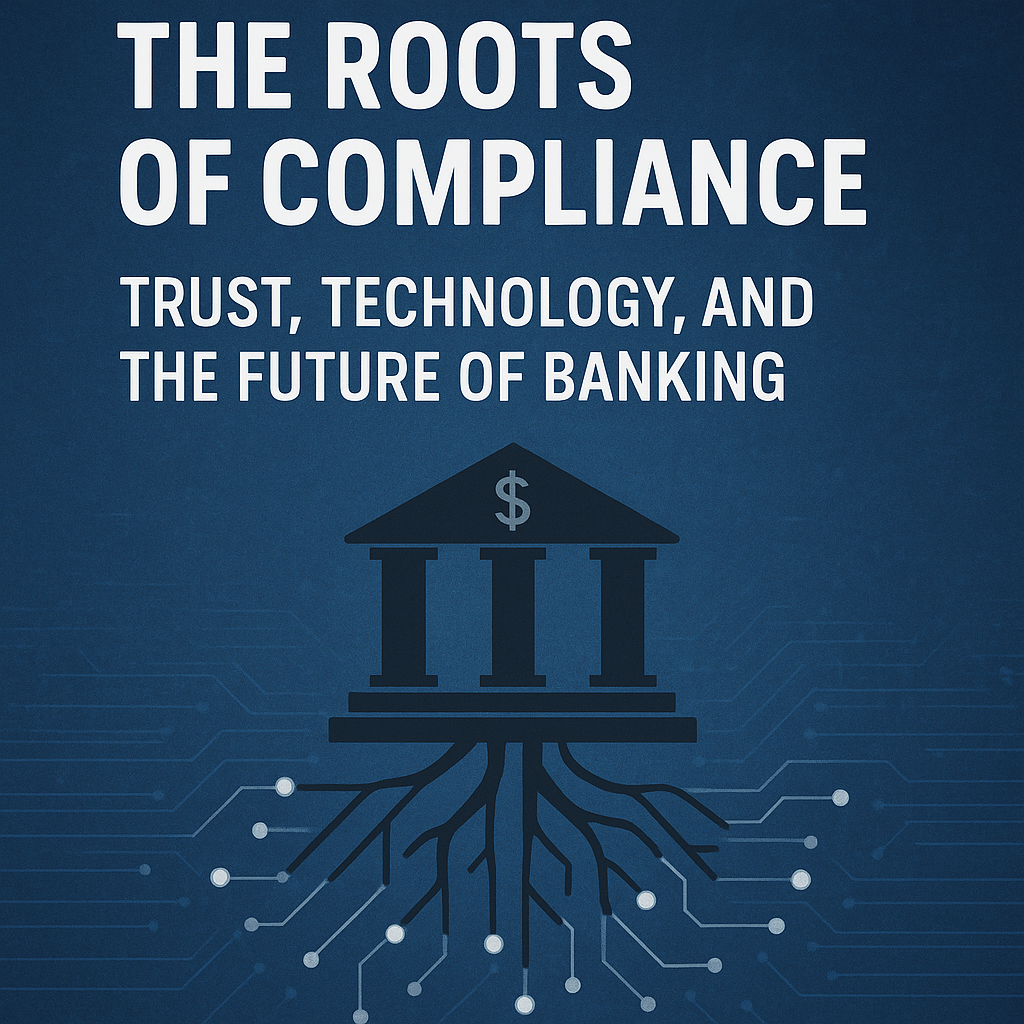
The Roots of Compliance: Trust, Technology, and the Future of Banking

Recently, I had the opportunity to visit with John Byrne, the CEO at Corlytics. You can listen to the podcast here. One of the more interesting topics we discussed is that compliance professionals find themselves at the intriguing crossroads between groundbreaking technological innovation and the timeless, foundational principles of compliance, notably trust and integrity. Nowhere is this more evident than in the banking sector, where the stakes around trust are extraordinarily high. Now, with the Trump Administration actively promoting cryptocurrency to both the US banking industry and the American public, that foundational principle is even more critical.

Historically, banking, with over two and a half centuries of operational legacy, has always relied fundamentally on customer trust. Indeed, long before modern regulatory structures emerged, banks implemented internal policies and compliance-like practices designed explicitly to instill and maintain confidence. Yet despite advancements in regulation and technology, the principle remains unchanged: trust is the lifeblood of banking, and when it falters, the consequences can be catastrophic.

Nothing illustrates this more starkly than the old-fashioned bank run, perhaps the ultimate demonstration of breached trust. In a bank run, customers simultaneously lose faith in the institution’s ability to safeguard their assets, rushing en masse to withdraw funds. This panic-driven action rapidly transforms initial doubt into widespread fear, creating an accelerating cascade effect that can swiftly collapse even seemingly robust institutions.

The recent 2023 examples of Silicon Valley Bank, Signature Bank, and First Republic Bank, all headquartered in California, underscore this timeless truth. Despite occurring in a digitally connected world with instantaneous communication, the root cause was identical to that of traditional bank runs, famously depicted in classic movies like Mary Poppins and It’s a Wonderful Life: a fundamental failure of trust. For today’s compliance professionals, the lesson remains clear and resonant. Even as they harness modern tools like artificial intelligence to enhance compliance processes, they must remain ever-vigilant custodians of trust, recognizing that without it, all technological advances and regulatory structures are ultimately insufficient to protect a bank, and indeed any business, from the devastating impact of lost confidence.

Lesson 1: Trust is the Foundation of Compliance

The essence of compliance has always been rooted in trust. Banking, as a sector with over 250 years of history, exemplifies this principle vividly. Long before the regulatory frameworks we recognize today, banks operated with internal policies designed to cultivate and maintain trust with their customers. Compliance, in its earliest incarnation, was about establishing clear standards and rules internally, ensuring customer confidence and institutional stability.

Today, despite the extensive web of external regulations, trust remains a central concern. The collapse of trust can trigger catastrophic outcomes, vividly illustrated by historical bank runs such as those portrayed in classic films like Mary Poppins and It’s a Wonderful Life. Even as recently as 2023, the failure of Silicon Valley Bank in California, a modern-day bank run accelerated by technology, reminds us starkly how fragile trust can be and how critical it remains for compliance professionals to safeguard it diligently.

Lesson 2: Compliance is Good Business

The notion of compliance as a hindrance to business, often unfairly labeled as the “business prevention unit,” is shifting dramatically. A sound compliance program aligns closely with strong business outcomes —a principle that has been repeatedly emphasized in recent years. Banks and businesses are increasingly recognizing compliance not as an obstacle but as an integral part of strategic business operations.

Good compliance facilitates a trustworthy reputation, ensures customer satisfaction, and establishes long-term business stability. Firms that embody compliance as a core business strategy consistently demonstrate resilience and sustainability. Compliance isn’t merely a regulatory necessity; it is fundamentally good business.

Lesson 3: Regulation Should Complement, Not Replace, Internal Standards

Historically, banks created their internal compliance measures to protect their institutions long before external regulation mandated such frameworks. Over time, regulatory developments have supplemented and formalized these practices, creating a structured external governance model. However, prudent banks continue to adhere to high internal standards irrespective of regulatory mandates.

Effective compliance frameworks seamlessly integrate internal ethical guidelines and external regulatory requirements, ensuring a unified approach to governance. Organizations shouldn’t solely rely on external regulations to dictate their ethical and operational standards. Instead, compliance professionals should encourage internal benchmarks of ethical behavior and trustworthiness, aligning company culture closely with compliance objectives to achieve sustainable business excellence.

Lesson 4: Technology as an Enabler of Efficient Compliance

One common complaint about compliance is its perceived inefficiency, which businesses argue slows down operations. Here, advanced technology, especially AI, presents transformative possibilities. AI-driven tools can significantly streamline compliance processes, enhancing speed, efficiency, and accuracy.

AI technologies allow compliance teams to swiftly identify risks, maintain comprehensive documentation, provide clear audit trails, and escalate issues rapidly and accurately. Rather than viewing technology as complicating compliance, companies should embrace it as an essential tool enabling compliance professionals to focus on strategic, high-value tasks rather than routine manual processes. This technological enablement does not replace skilled compliance professionals. It enhances their capabilities, ensuring more effective outcomes for the business as a whole.

Lesson 5: Compliance Should Be Proactive, Not Reactive

Compliance practices should always be forward-looking and proactive, anticipating potential issues and acting accordingly. Banks and businesses that are successful in managing risk and maintaining trust have learned not to wait for regulators to dictate ethical standards. They proactively implement robust compliance and governance frameworks because they recognize that doing the right thing is inherently good for business.

Proactive compliance fosters customer trust, internal coherence, and institutional resilience. It positions companies to avoid reputational and financial harm, reducing the likelihood of regulatory actions or scandals. Compliance professionals must champion a proactive approach, integrating ethics and integrity at every organizational level, ensuring firms remain compliant and trustworthy, irrespective of whether regulatory bodies explicitly require it.

Conclusion: A Sustainable Business Model Through Good Compliance

The future of compliance in banking, and indeed all industries, rests at the intersection of timeless principles and modern technology. Trust, always the cornerstone of compliance, remains a foundational element. Technology, particularly artificial intelligence (AI), offers powerful new tools to reinforce and streamline compliance functions, enabling more efficient, accurate, and effective oversight.

Compliance professionals stand at the threshold of an exciting era where they can leverage advanced technologies to reinforce and extend the timeless principle of trust. By returning to the roots of compliance, embedding trust deeply into corporate culture, and embracing technology as a powerful enabler, businesses will not only fulfill regulatory requirements but also establish a resilient, customer-centric, and sustainably profitable business model. Compliance, done right, transcends its role as merely regulatory adherence. It becomes a fundamental pillar of sound business practice.


Categories
Blog

The 2024 ECCP – Using Data Analytics to Determine Employee Engagement, Trust, and Corporate Culture

In her recent speech at the Society of Corporate Compliance and Ethics 23rd Annual Compliance & Ethics Institute. Principal Deputy Assistant Attorney General Nicole M. Argentieri spoke about the CWA and reviewed its early developments. (A copy of her remarks can be found here.) There was also updated information on the DOJ approach to whistleblowers and anti-retaliation found in the 2024 Update to the Evaluation of Corporate Compliance Programs (2024 ECCP). She addressed the growing importance of using data analytics to evaluate key aspects of a company’s corporate culture, particularly employee engagement, trust, and overall corporate ethics.

Assessing corporate culture is essential for compliance professionals. Culture is a powerful determinant of whether employees will adhere to company policies, report misconduct, and act ethically. The DOJ has made it clear through the 2024 ECCP that an organization’s culture of compliance is as critical as the controls themselves. Compliance programs must go beyond preventing misconduct and cultivate a culture where ethics and transparency are prioritized.

Employee engagement and trust are at the heart of this culture. Engaged employees are more likely to comply with rules and report issues. However, if there is a lack of trust—whether in the company’s leadership, policies, or reporting mechanisms—the risk of ethical lapses and misconduct increases. Data analytics can offer compliance professionals actionable insights into these hard-to-measure elements of corporate culture.

Leveraging Data Analytics for Cultural Insights

Traditionally, companies have relied on surveys, focus groups, and audits to assess employee engagement and trust. Despite their value, these methods frequently have limitations due to low response rates, biases, and a point-in-time perspective. On the other hand, data analytics offers ongoing, real-time insights across various indicators. Let’s explore how data analytics can help evaluate employee engagement, trust, and corporate culture:

Employee Engagement Data

Employee engagement can be a key indicator of whether a compliance program is likely to succeed. High levels of engagement suggest that employees are motivated, aligned with corporate values, and likely to act in the company’s best interest.

Metrics to Consider

  • Employee Feedback Platforms. Tracking data from feedback platforms (such as pulse surveys or anonymous feedback tools) can provide insights into employee sentiment about their work environment and leadership.
  • Participation in Training Programs. Data on employee participation in compliance training—especially voluntary programs—can offer insights into employees’ engagement with the company’s compliance initiatives.
  • Use of Corporate Tools. Monitoring internal systems such as compliance hotlines, whistleblower portals, and internal messaging boards can help assess whether employees feel empowered to engage with compliance resources.

By monitoring engagement trends over time, compliance officers can detect shifts in employee engagement and intervene if levels drop. For instance, increasing non-compliance with mandatory training could be a red flag for broader cultural issues.

Trust in Leadership and Compliance Programs

Trust is a critical component of a successful corporate compliance culture. If employees do not trust leadership or the compliance function, they are less likely to report misconduct and more likely to turn a blind eye to ethical violations.

Metrics to Consider

  • Whistleblower Reporting. Data on the number of whistleblower reports can be telling. A lack of reports may not necessarily indicate a lack of issues—it could signal a fear of retaliation or distrust in the reporting process.
  • Retention Rates in High-Risk Areas. Monitoring employee turnover in areas that are considered high-risk (e.g., finance, procurement, or overseas offices) can help determine whether ethical concerns are driving departures.
  • Survey Data on Trust Levels. Regular employee surveys on perceptions of leadership and the compliance program can offer a pulse on trust. The key is to go beyond traditional engagement surveys and ask questions about ethical concerns and trust in compliance leadership.

Combining survey data with data from whistleblower systems and employee retention analytics can offer a more nuanced view of whether employees trust leadership. A low reporting rate and high turnover in high-risk areas may indicate deeper cultural problems requiring intervention.

Monitoring Employee Behavior and Risk Indicators

One of the most significant ways data analytics can support compliance efforts is by detecting behavioral patterns that may indicate a lapse in corporate culture or potential compliance risks.

Metrics to Consider

  • Expense and Travel Data. Analyzing expense reports and travel data patterns can reveal inconsistencies or potential misconduct, such as fraudulent claims or unauthorized spending.
  • Email and Communication Analysis. Some companies use natural language processing (NLP) tools to analyze internal communications for warning signs of ethical issues. This can include detecting language that suggests rule-breaking, covering up misconduct, or expressing discontent with corporate policies.
  • Business Unit Performance vs. Compliance Reporting. Comparing performance data across business units with the frequency of compliance-related issues can provide insights into whether high-performing units are cutting corners to achieve their results.

Behavioral analytics can help compliance professionals detect patterns before they escalate into larger issues. For example, if a particular business unit shows exceptional financial performance but is under-reporting compliance concerns, this could signal a risky culture of non-compliance.

Driving a Data-Driven Culture of Compliance

Implementing data analytics in your compliance program requires the right technology, processes, and, most importantly, corporate buy-in. As the DOJ highlighted in its recent updates to the 2024 ECCP, compliance personnel must have adequate access to relevant data sources and the resources to interpret and act on that data. Companies should invest in the same level of technology for their compliance functions as they do for their business operations.

Some of the keys every compliance program should consider to help implement a data-driven culture of compliance include the following strategies:.

  • Build Cross-Functional Partnerships. Compliance teams should collaborate with human resources, IT, and business operations to gain access to the data they need. A cross-functional approach ensures compliance data is integrated into the company’s broader performance metrics.
  • Foster Transparency in Data Use. Be clear with employees about how their data will be used, particularly in sensitive areas such as monitoring communication. Emphasizing the ethical use of data can help build trust.
  • Regularly Reassess Your Metrics. As with any compliance program, the metrics used to evaluate corporate culture should evolve. New risks, technologies, and business challenges should inform your data strategy.

Strengthening Compliance through Analytics

The DOJ made clear in the Argentieri speech and the 2024 Update to the Evaluation of Corporate Compliance Programs that a data-driven approach to understanding employee engagement, trust, and corporate culture is essential for compliance success. Data analytics offers compliance professionals powerful tools to assess whether employees are following the rules and truly engaged in creating an ethical and compliant corporate environment.

As we look toward the future, companies prioritizing data analytics in their compliance programs will be better equipped to prevent misconduct, identify cultural risks, and foster a workplace that values ethics and transparency. For compliance officers, the time is now to embrace data analytics and use it to reinforce the foundation of a strong corporate compliance program.

Categories
Compliance Tip of the Day

Compliance Tip of the Day: Employee Trust

Welcome to “Compliance Tip of the Day,” the podcast where we bring you daily insights and practical advice on navigating the ever-evolving landscape of compliance and regulatory requirements.

Whether you’re a seasoned compliance professional or just starting your journey, our aim is to provide you with bite-sized, actionable tips to help you stay on top of your compliance game.

Join us as we explore the latest industry trends, share best practices, and demystify complex compliance issues to keep your organization on the right side of the law.

Tune in daily for your dose of compliance wisdom, and let’s make compliance a little less daunting, one tip at a time.

In this episode, we consider how you can work to regain employee trust in the era of remote work and RTO.

For more information on the Ethico ROI Calculator and a free White Paper on the ROI of Compliance, click here.

To check out The Compliance Handbook, 5th edition, click here.

Categories
2 Gurus Talk Compliance

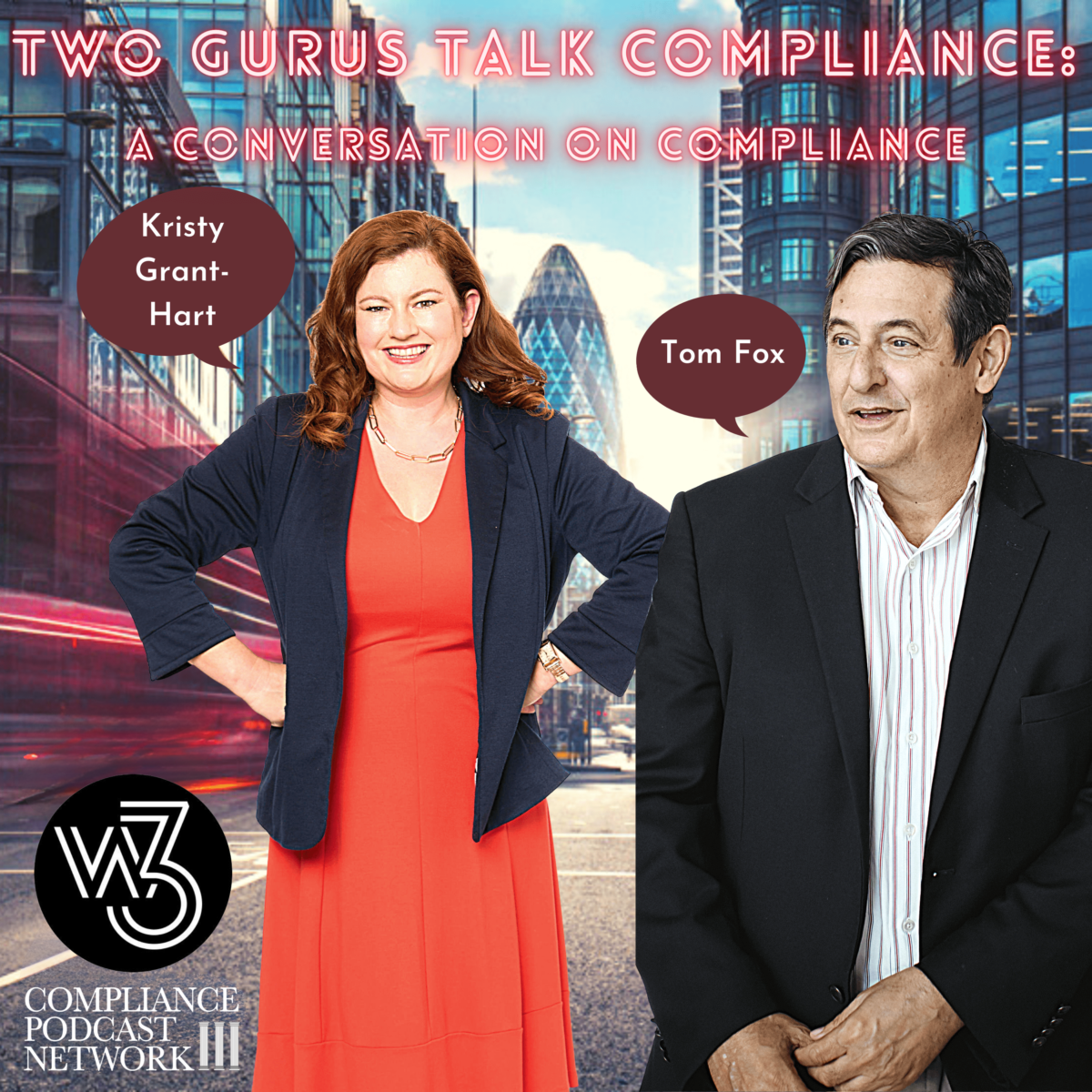
2 Gurus Talk Compliance: Episode 30 — Make a Plan

What happens when two top compliance commentators get together? They talk about compliance, of course. Join Tom Fox and Kristy Grant-Hart in 2 Gurus Talk Compliance as they discuss the latest compliance issues in this week’s episode!

In this episode, Kristy and Tom discuss various pressing issues and developments in compliance. Topics include the introduction of a new regulator in Europe, concerns of AI employees about retaliation for raising alarms on potential threats, California’s new workplace violence compliance requirements, and unusual attempts to use live animals as payment in Florida.

The episode also highlights the significance of the Women in Compliance conference, the importance of crisis communication strategies, and the recent extension of the sanctions statute of limitations by the U.S. government. The conversation also covers networking for job seekers and the implications of the newly formed European Financial Crime Agency. The episode concludes with a bizarre payment method by our good friend, Florida Man.

Highlights Include:

 Resources:

Kristy Grant-Hart on LinkedIn

Spark Consulting

Tom

Instagram

Facebook

YouTube

Twitter

LinkedIn

Categories
Sunday Book Review

Sunday Book Review: April 28, 2024 Books on Trust Edition

In the Sunday Book Review, Tom Fox considers books that would interest the compliance professional, the business executive, or anyone who might be curious.

It could be books about business, compliance, history, leadership, current events, or anything else that might interest me.

In today’s edition of the Sunday Book Review, we look at some of the top books on compliance you should read in 2024.

  • The Book of Trust by Yoram Solomon
  • Building Trust by Josh McQueen
  • Digital Body Language by Erica Dhawan
  • The Four Factors of Trust by Ashley Reichheld & Amelia Dunlop

Resource:

18 Must-Read Books on Building Trust for Your Business and Brand

For more information on Ethico and a free White Paper on ROI for your compliance program, click here.

Categories
FCPA Compliance Report

FCPA Compliance Report – Ron Karr on Influence, Trust and Persuasion

Welcome to the award-winning FCPA Compliance Report, the longest running podcast in compliance. In this special edition of the FCPA Compliance Report, Tom welcomes Ron Karr, long time thought leader in the art of leadership, persuasion and influence. They take a deep dive into the science of influence and persuasion and help the compliance professional understand how they can use this science to move the compliance ball forward in an organization.

Ron Karr is a speaker, and author with over three decades of experience in the sales and consulting industry. His career saw its inception in retail, later transitioning to the computer industry, and eventually culminating in the establishment of his own consulting business. Karr’s perspective on the “Velocity Mindset”, as detailed in his book, revolves around the concept of speed with direction, where goals and aspirations are the key drivers of actions.

His belief that self-imposed limitations can hinder our progress is deeply rooted in his experiences, leading him to emphasize the importance of self-evaluation, proactive approach adjustments, and reshaping our narratives to facilitate our goals. Karr underscores the value of networking and learning from others, seeing it as a vehicle to expedite success and achieve professional velocity.


Topics Covered in this Episode

  • Purposeful Reflection for Effective Decision-Making
  • Neurochemical Impact on Influencing Others Successfully
  • Propelling Success through Adaptive Strategies
  • Empowering Personal Growth Through Story Rewriting
  • Enhancing Professional Success Through Peer Engagement
  • The Velocity Mindset: Achieving Success Through Networking

Resources:

Ron Karr on LinkedIn

Company

Blog

The Velocity Mindset

Tom Fox

Instagram

Facebook

YouTube

Twitter

LinkedIn

For more information on the Ethico ROI Calculator and a free White Paper on the ROI of Compliance, click here.

Categories
FCPA Compliance Report

FCPA Compliance Report: Marco Goldberg – Creating Trust with Comprehensive Solutions

Welcome to the award-winning FCPA Compliance Report, the longest-running podcast in compliance. In this episode, Tom Fox welcomes Marco Goldberg, Managing Director of EQS Group’s North American Business, which assists organizations in navigating the complex world of compliance and building a culture of trust.

Marco Goldberg is a seasoned professional in corporate compliance and investor relations solutions, with a rich background in international industrial management and an MBA from the Berlin School of Business and Entrepreneurship. The EQS Group is a leading provider of corporate compliance and investor relations solutions, serving about 9,000 customers globally. He emphasizes the importance of trust in international organizations and sees EQS Group’s mission as helping to create trusted companies through their solutions. His experiences in the industry and his active participation in hosting the ECEC, Europe’s largest compliance conference, have shaped his perspective. Join Tom Fox and Marco Goldberg on this episode of the FCPA Compliance Report podcast to learn more about his insights and experiences.

 Key Highlights:

  • Creating Trusted Companies with Comprehensive Solutions
  • IntegrityLine: Empowering Employees for Compliance
  • EU Whistleblower Protection Directive: Creating a Culture of Integrity
  • Centralizing Compliance Workflows with AI Technology
  • The Transformative Power of AI in Compliance

 Resources:

Marco Goldberg on LinkedIn

EQS Group

 Tom Fox

Instagram

Facebook

YouTube

Twitter

LinkedIn

Categories
Daily Compliance News

Daily Compliance News: June 14, 2023 – The Digital Nomad Edition

Welcome to the Daily Compliance News. Each day, Tom Fox, the Voice of Compliance, brings you compliance-related stories to start your day. Sit back, enjoy a cup of morning coffee, and listen to the Daily Compliance News. All from the Compliance Podcast Network. Each day we consider four stories from the business world, compliance, ethics, risk management, leadership, or general interest for the compliance professional.

  • Why we go into the office now. (Bloomberg)
  • JPMorgan settles with Epstein victims for $290M. (Reuters)
  • Corruption and wildfires. (Eurasianet)
  • The digital nomad goes corporate. (FT)
Categories
The Circle of Gumption

The Circle of Gumption – Reviving Trust in Society

Zig Ziglar Said,  “I Believe Man was designed for accomplishment, engineered for success, and endowed with the seeds of greatness.” Kenneth O’Neal carries this tradition forward in his work and podcast, The Circle of Gumption, showing how maximizing your God-given talents and abilities leads to a successful, well-balanced existence in all areas of life. Join co-hosts Tom Fox and Kenneth O’Neal as they explore The Circle of Gumption to help change your life mentally, spiritually, physically, financially, and professionally by improving the health of your relationships with others and yourself.

Are you struggling to build trust in your relationships or business? Join hosts Tom Fox and Kenneth O’Neal on The Circle of Gumption podcast as they delve into the importance of trust and integrity in today’s society. In this episode, Kenneth explains how trust is built through care, communication, and consistency, despite the prevalent skepticism in our culture. They also discuss the importance of personal congruence and doing the right thing to rebuild societal trust. He shares a powerful story of a fireman who exemplified integrity and selflessness in his duty, emphasizing how serving others is essential for the betterment of our community. Don’t miss this inspiring conversation on the power of trust and integrity. Tune in now to The Circle of Gumption!

In today’s culture, skepticism is widespread, and people don’t trust easily. However, skepticism is healthy to an extent, especially in the business context, where it’s crucial to have a healthy level of due diligence. But, in building business relationships, trust is essential. One should balance skepticism and trust-building to develop positive, professional relationships.

Three Tips:

1. Show genuine interest in others’ goals and achievements to build trust.

2. Effective communication is crucial in establishing trust.

3. Look for character, competence, and consistency in people to build trust with them.

So, if you want to learn more about the importance of relationships in your life and how to improve your relationships, tune in to this week’s episode of Circle of Gumption. Remember to write down the week’s words and reflect on how you can improve your life through your relationships.

Resources

Kenneth O’Neal

The Circle of Gumption

Tom Fox

Instagram

Facebook

YouTube