The Caremark Doctrine remains one of the foundational pillars of corporate compliance, a pivotal standard that every compliance professional must understand and apply. Originating from the landmark Delaware Chancery Court decision in In re Caremark International Inc. Derivative Litigation (1996), this doctrine revolutionized the way corporate boards are viewed in terms of their oversight duties. As compliance professionals, it’s essential to grasp not only the legal intricacies but also the profound practical implications this doctrine carries for board responsibilities and organizational oversight.
At its core, the Caremark Doctrine addresses the fiduciary duty of corporate directors to actively oversee a company’s compliance and risk management practices. Before this case, oversight obligations were seen primarily as passive, reactionary, or even discretionary. Caremark fundamentally shifted this perception, articulating an affirmative duty on directors to establish, maintain, and adequately monitor compliance systems to detect and prevent corporate misconduct.
The significance of the Caremark decision lies in its delineation of two clear pathways where director liability can be triggered: first, when the board utterly fails to implement any reporting or information systems, and second, when, having implemented such systems, the board consciously disregards red flags signaling compliance failures or operational risks. Citing negligence or ignorance as a defense for oversight responsibilities is no longer sufficient. Directors became accountable not only for what they knew but also for what they should have known, emphasizing the importance of proactivity, diligence, and vigilance.
Today, the implications of Caremark resonate strongly within the realm of corporate compliance programs, setting the standards for board engagement expectations. Effective compliance no longer solely involves setting clear policies and robust procedures; instead, it demands ongoing active engagement from the board to ensure these measures are functioning effectively. Boards are expected to scrutinize, test regularly, and challenge management on compliance risks and controls, embedding compliance considerations firmly into the corporate governance structure.
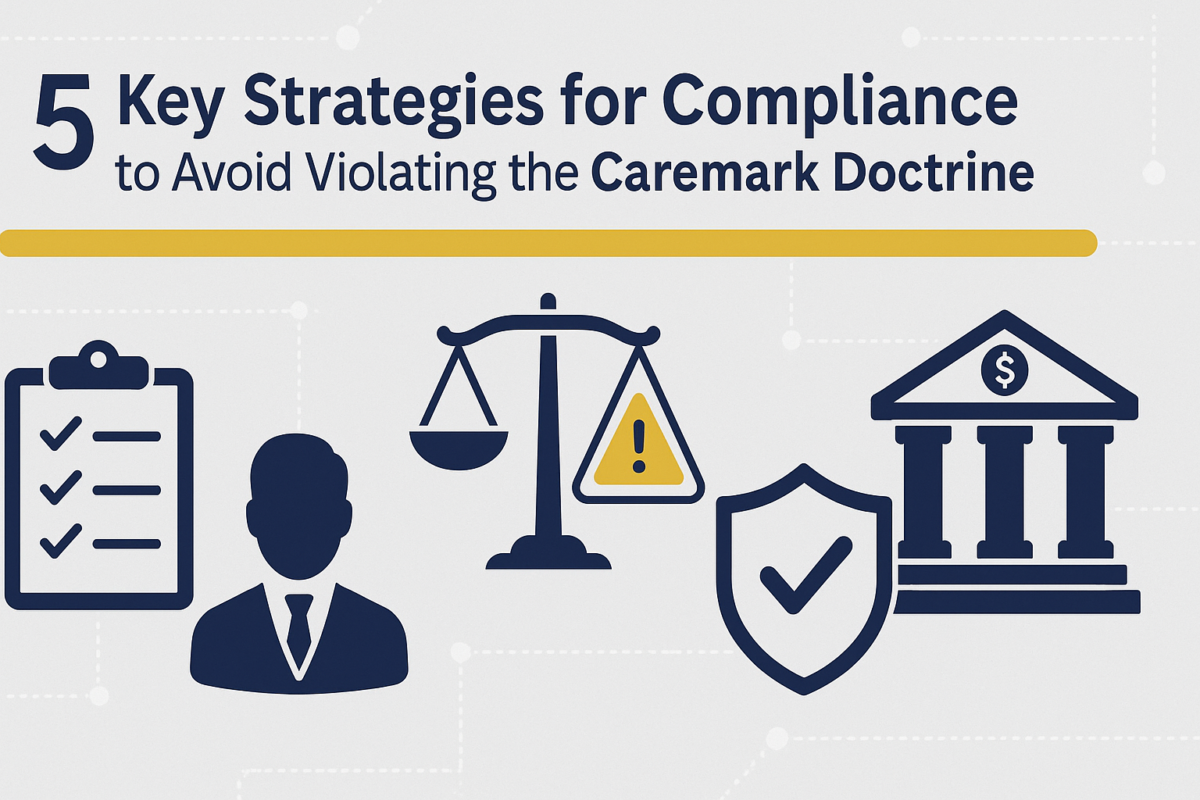
In recent years, corporate compliance officers have faced heightened scrutiny as Delaware courts have increasingly emphasized board accountability through the evolution of the Caremark Doctrine. The evolving jurisprudence surrounding this doctrine, particularly highlighted by cases such as Marchand v. Barnhill and Boeing, underscores the necessity for vigilance, attentiveness, and proactive risk management. Itai Fiegenbaum undertook a thorough examination of the Caremark Doctrine in his 2025 article, “Caremark’s Fractured State.” I use his article as a starting point to outline five essential strategies compliance officers can adopt to ensure their organizations remain firmly compliant with Caremark obligations and avoid potential liability.
1. Establish Robust Monitoring Systems
At the heart of the Caremark Doctrine is the expectation that directors not only establish but also actively oversee effective corporate monitoring systems. Compliance officers must ensure that robust, comprehensive monitoring frameworks are in place, which include clear policies, detailed procedures, and continuous oversight mechanisms. These systems must be designed to identify and escalate potential compliance issues promptly.
Implementing state-of-the-art technology, such as advanced analytics and AI-driven monitoring tools, can significantly enhance the effectiveness of these systems. Such tools enable the real-time analysis of large volumes of data, allowing for the quick identification of anomalies or red flags that indicate potential misconduct. Additionally, compliance officers should regularly review and update these systems to ensure their ongoing effectiveness in response to evolving regulatory requirements and emerging risks.
2. Prioritize Oversight of Mission-Critical Activities
Recent Delaware jurisprudence, particularly the Marchand case, has underscored the need for boards to exercise increased vigilance over “mission-critical” aspects of their operations. Compliance officers must assist directors in identifying these critical functions, which are integral to the organization’s core business operations and profitability, and ensure that enhanced monitoring and reporting practices are implemented.
Regular board-level discussions and reporting on these mission-critical functions must be documented meticulously. Compliance officers should establish routine updates that enable the board to understand the risks, controls, and compliance status related to these critical activities. Such a strategic focus not only aligns with the expectations set by Delaware courts but also significantly mitigates the risk of oversight failures.
3. Ensure Active Board Engagement and Training
Delaware courts have repeatedly emphasized that passive oversight is insufficient; board members must actively engage in compliance monitoring and demonstrate awareness of their fiduciary duties under the Caremark Doctrine. Compliance officers play a crucial role in facilitating active engagement by organizing regular and specialized training sessions for directors, ensuring they fully understand their oversight responsibilities and the specific compliance risks facing the company.
Moreover, compliance officers should encourage directors to challenge management constructively, seek additional information when needed, and demonstrate thoughtful engagement during board meetings. Documenting directors’ active involvement through detailed meeting minutes and clear records of training and discussions can substantially bolster evidence of effective oversight, which is crucial in the event of litigation.
4. Foster a Strong Compliance Culture
An organization’s compliance culture has a significant impact on its ability to effectively uphold Caremark obligations. A strong compliance culture ensures that employees at all levels recognize the importance of compliance, feel empowered to raise concerns without fear of retaliation, and understand that ethical conduct is integral to organizational success.
Compliance officers should proactively foster such a culture through comprehensive ethics training, regular communications reinforcing compliance messages, and visible support from top leadership. Mechanisms such as confidential reporting channels, whistleblower protections, and prompt investigation of reported issues further strengthen this culture, ensuring that potential misconduct is identified and addressed before it escalates into larger problems.
5. Conduct Regular and Thorough Risk Assessments
Proactive risk assessments are essential under the Caremark framework, providing boards with the necessary information to effectively oversee compliance. Compliance officers must ensure that these risk assessments are comprehensive, covering both traditional risks, such as fraud and corruption, as well as emerging threats related to cybersecurity, data privacy, and geopolitical changes.
Regular risk assessments not only inform the board’s oversight activities but also allow compliance officers to adjust monitoring and controls in response to identified vulnerabilities. Documented risk assessment processes, along with clear remediation actions, demonstrate due diligence and provide robust defenses against claims of insufficient oversight.
Conclusion
The Caremark Doctrine continues to evolve, setting increasingly stringent standards for corporate oversight. Compliance officers play a pivotal role in guiding boards to meet these expectations through robust monitoring systems, prioritized oversight, active engagement, a strong culture of compliance, and proactive risk management. By implementing these five strategies, compliance officers can significantly reduce their companies’ risk of violating the Caremark Doctrine, safeguard their organizations, and protect directors from potential liability. Now more than ever, proactive compliance is not only prudent but also imperative.