Categories
Rotary Voices of Kerrville

Rotary Voices of Kerrville – Dalton Rice on the Power of Rotary: Community Involvement and Networking

Welcome to Rotary Voices of Kerrville, the podcast series that shines a spotlight on the Rotary Club of Kerrville, Texas—a club with a rich community service, leadership, and dedication history. For nearly 100 years, the Rotary Club of Kerrville has been at the heart of initiatives that make a real difference locally and globally. Through this podcast, we’ll explore the club’s incredible projects, hear from its inspiring members, and learn about the values driving their commitment to “Service Above Self.” In this episode, host Tom Fox visits Kerrville City Manager Dalton Rice, a relatively new Rotary member.

Mayor Judy Eychner inspired Dalton Rice, Rotary Club membership. He views Rotary community involvement as a unique opportunity to engage with the community while networking with diverse leaders and influencers. Since joining just over a year ago, Dalton has immersed himself in various service opportunities, ranging from fundraising events to tree-watering efforts, which he believes reflect the values of Kerrville. He appreciates the platform Rotary provides to stay informed and connected, allowing him to address community concerns and questions effectively. Despite a busy schedule balancing commitments on local boards, Dalton finds fulfillment in these service opportunities, underscoring the importance of Rotary in fostering meaningful community engagement.

Highlights include:

  • Networking through Rotary Community Service Opportunities
  • Diverse Community Service Projects with Rotary
  • Community Involvement in Kerrville’s Rotary Events

Resources:

Rotary Club of Kerrville

Rotary District 5840

Categories
Business Integrity Innovations

Business Integrity Innovations: Championing Integrity – Samia Tnani on Driving SME Growth Through Ethical Governance

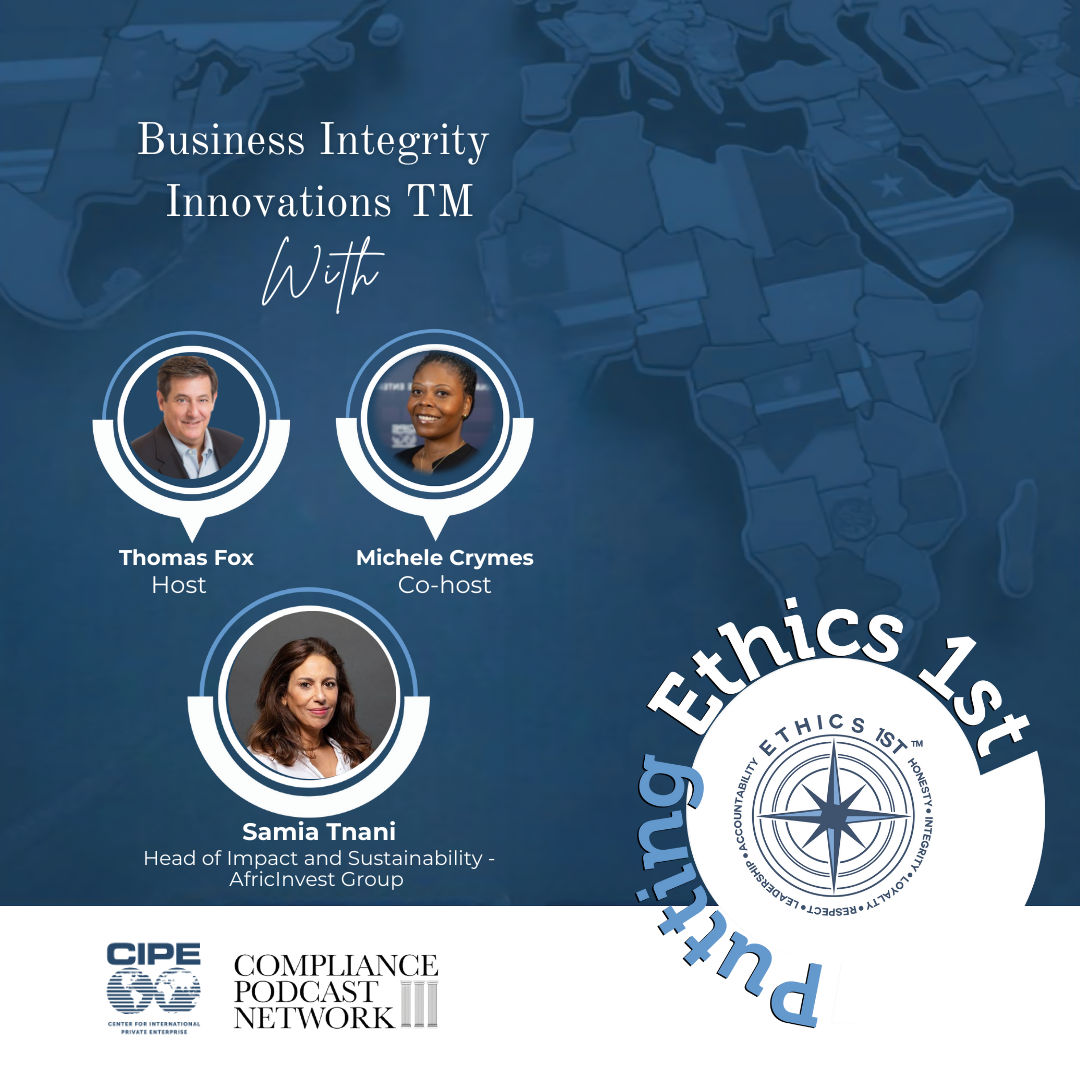
The Compliance Podcast Network (CPN) and the Center for International Private Enterprise (CIPE) are bringing you Business Integrity Innovations. This podcast is inspired by Ethics 1st, a multi-stakeholder initiative led by CIPE that creates pathways for accountable and sustainable investment in Africa. Companies can use Ethics 1st to standardize their business practices, develop sound corporate governance systems, and demonstrate their commitment to compliance and business ethics.

In this episode, Tom Fox and Michele Crymes visit with Samia Tnani. Samia is a distinguished finance professional specializing in banking and impact investing, currently at the helm of impact and sustainability initiatives for AfricInvest Private Credit. She is deeply committed to integrating ethical business practices within SMEs in Sub-Saharan Africa, employing a comprehensive theory of change to ensure these principles are upheld across all investment stages. Samia believes that educating companies about the detrimental costs of unethical practices is paramount in encouraging them to adopt ethical standards, emphasizing that a culture of integrity and mutual trust is essential for business sustainability and growth. Through her leadership, AfricInvest Private Credit has secured over $2 billion in funds, showcasing the importance of ESG factors and high ethical standards to investors worldwide.

Key highlights: 

  • Driving SME Growth Through Ethical Governance
  • Ethics First: Promoting Integrity in Business Relations
  • Benefits of Ethical Business Practices
  • Fostering Ethical Standards for Sustainable Business

Resources:

Samia Tnani on Linkedin

AfricInvest Private Credit 

CIPE

CIPE

Ethics 1st

Categories
Daily Compliance News

Daily Compliance News: November 7, 2024 – The Fat Leonard Sentenced Edition

Welcome to the Daily Compliance News. Each day, Tom Fox, the Voice of Compliance, brings you compliance-related stories to start your day. Sit back, enjoy morning coffee, and listen to the Daily Compliance News. All from the Compliance Podcast Network.

Each day, we consider four stories from the business world: compliance, ethics, risk management, leadership, or general interest for the compliance professional.

In today’s edition of Daily Compliance News:

  • Fat Leonard was sentenced. (USNI)
  • SEC needs to prepare for more regulatory challenges. (WSJ)
  • How corruption facilitates organized crime. (UN)
  • The cost of flouting corruption. (Forbes)


Categories
Reel Creators of the Texas Hill Country

Reel Creators of the Texas Hill Country: Season 1: CJ Goodwyn on the Nightmare Within: Holmes’ Struggle with Inner Demons

Welcome to Reel Creators of the Texas Hill Country, where we dive deep into the heart of filmmaking in one of America’s most unique and captivating landscapes. From rolling hills and rustic towns to thriving cities and hidden gems, the Texas Hill Country offers endless inspiration for filmmakers, and we’re here to uncover every aspect. In this podcast, we’ll meet the passionate directors, cinematographers, screenwriters, and crews who bring their creative visions to life in this storied region. Join us as we explore the challenges, rewards, and unique stories that make filmmaking here an art. Whether you’re a seasoned pro or simply curious about the world behind the camera, Reel Creators of the Texas Hill Country promises to be your all-access pass to the vibrant filmmaking community of the Hill Country and beyond.

In this Season One, we will feature the production of the film Sherlock Holmes –  Mare of the Night, a TriGoodwyn production headed by filmmaker CJ Goodwyn. We will visit with CJ, members of his crew, the cast, and the production team. In episode 2, I visit with CJ Goodwyn about his latest film, Sherlock Holmes-Mare of the Night.

CJ Goodwyn is a filmmaker who brings a fresh perspective to the iconic character of Sherlock Holmes in his film “Sherlock Holmes-Mare of the Night.” CJ set out to investigate Holmes’ darker, more human sides, concentrating on the psychological toll that decades of dealing with heinous crimes would have on him. By incorporating characters like Inspector Lestrade and Conan Doyle and tying in the hidden meaning of “The Nightmare” painting, CJ cleverly intertwines fiction with historical elements to enrich the narrative. Despite working with a limited budget, he emphasizes psychological horror and authentic storytelling, creating relatable characters that resonate with audiences through genuine human experiences and internal struggles.

Key highlights:

  • Dark and Gritty Portrayal of Sherlock Holmes
  • Nightmare Painting Inspires Mayor of the Night
  • Narrative Depth through Psychological Horror Elements
  • Utilizing Natural Lighting and Fog Effects
  • Sherlock Holmes Film Expansion Strategy in the US

Resources:

Sherlock Holmes-Mare of the Night

On Facebook

TriGoodwyn Productions

Texas Hill Country Podcast Network

Categories
Blog

5 Practical Steps for Conducting a Culture Audit that Meets DOJ Standards

The  2024 ECCP demands data-backed evidence of a genuine, embedded compliance culture. The DOJ’s stance is clear: a company’s commitment to compliance is only credible if it’s supported by data that reflects employee engagement, ethical practices, and trust. This shift in regulatory expectations makes culture audits an invaluable tool for today’s compliance professionals. A well-structured culture audit aligns your organization with DOJ standards and offers actionable insights that can create a more resilient and ethical workplace. Here are five practical steps to help compliance professionals conduct a culture audit that meets the DOJ’s standards and builds a stronger foundation of corporate integrity.

Step 1: Define Key Metrics

The first step in conducting a culture audit that meets DOJ standards is to define the key metrics you’ll measure. To satisfy the DOJ’s expectations, these metrics should extend beyond basic compliance checks and delve into the core elements that make up your organizational culture. Metrics to consider include employee engagement, trust in leadership, openness to reporting, and perceptions of ethical behavior.

Identifying Relevant Metrics. Employee engagement is a foundational metric. When employees are engaged, they’re more likely to take compliance seriously and contribute to an ethical culture. However, engagement alone isn’t enough; measuring trust in leadership and employees’ willingness to report misconduct is also critical. The DOJ explicitly examines how well compliance programs promote a “speak-up” culture and ensure employees feel safe reporting concerns.

Additional metrics include training completion rates, whistleblower hotline usage and response rates, and employee understanding of compliance policies. By measuring both attitudes and actions, compliance professionals can gain a holistic view of the culture and identify specific areas for improvement. 

Step 2: Collect Broad-Based Input

For a culture audit to be effective, gathering input from all levels of the organization is crucial. This means going beyond the C-suite and senior management to include frontline employees, middle management, and support staff. The DOJ emphasizes that an authentic culture of compliance permeates the entire organization. A one-sided perspective can result in an incomplete view of culture, as senior management’s vision of compliance may not align with the experience of frontline employees.

How to Gather Inclusive Input. A good culture audit employs a combination of anonymous surveys, focus groups, and interviews. Surveys provide quantitative data, while focus groups and interviews allow employees to share candid insights into their experiences. This layered approach captures high-level trends and individual experiences, giving you a well-rounded picture of the compliance culture.

To ensure diverse perspectives, consider creating focus groups with employees from different departments and regions. Anonymity is key to gathering honest feedback, so assure employees that their responses will remain confidential. Broad-based input provides comprehensive data and signals to employees that their opinions are valued, which is a foundational aspect of building trust.

Step 3: Benchmark and Track Progress

Once you have collected input, the next step is establishing a baseline for your compliance culture. Benchmarking involves identifying where your organization currently stands regarding key metrics and setting a reference point for future assessments. This baseline allows you to measure progress over time, which is essential for meeting DOJ standards and demonstrating an ongoing commitment to a culture of compliance.

Creating and Using Benchmarks. To benchmark effectively, analyze the initial data from your culture audit and categorize findings into strengths, areas for improvement, and potential risks. For instance, if you discover that trust in leadership is lower in one department or region, you’ll have a clear area to focus on. Similarly, if engagement metrics are strong across the board, this becomes a benchmark to maintain in future audits.

Tracking progress against your benchmark over time is vital. Establishing specific, measurable goals based on your baseline data can guide subsequent audits. The DOJ expects companies to demonstrate continuous improvement in compliance culture, so tracking and documenting progress is essential. By consistently comparing audit results to your baseline, you can show regulators that your organization is serious about cultivating an ethical culture.

Step 4: Analyze Data and Set Goals

With your benchmark in place, it’s time to analyze the data and set actionable goals to address gaps or reinforce strengths. This step is critical because it translates raw data into a roadmap for improvement. The DOJ is particularly interested in how companies respond to audit findings, expecting a robust compliance culture to evolve and improve in response to internal and external factors.

Turning Data into Actionable Goals. Data analysis should identify patterns and areas where metrics fall short of desired benchmarks. For example, if employees lack trust in compliance reporting mechanisms, consider implementing additional training, improving communication around these processes, or reinforcing the non-retaliation policy. Setting specific, achievable goals is essential for showing the DOJ that you are acting on your findings rather than conducting audits for optics.

Consider both short-term and long-term goals. For example, a short-term goal could be improving employee awareness of reporting channels, while a long-term goal could be increasing overall trust in leadership by 10% over two years. Goal setting is ongoing as you address initial findings, reassess, and set new objectives to support a continuous improvement cycle.

Step 5: Regularly Reassess

Compliance culture is dynamic, and neither should your culture audits reflect this reality. To align with DOJ standards and maintain an ethical workplace, conduct culture audits regularly, at least annually, or semi-annually. Each audit will reveal new insights, especially as external factors and internal dynamics shift. Regular reassessment ensures your compliance program remains responsive to changing risks and evolving employee needs.

Establishing a Culture of Continuous Improvement. Making culture audits a regular part of your compliance program fosters a culture of continuous improvement. Each audit serves as a check-up on your current state and an opportunity to refine your approach. The DOJ appreciates organizations that regularly update their compliance programs, demonstrating that compliance is a priority and not a one-time effort.

In practice, regular audits help you stay prepared for potential regulatory scrutiny. They enable you to document progress, track evolving cultural trends, and address emerging risks before they become significant. A culture of continuous improvement signals to employees and the DOJ that your organization is committed to building and maintaining a strong ethical foundation.

Making Culture Audits a Cornerstone of Compliance

A well-structured culture audit is an indispensable tool for modern compliance programs, providing the data-backed insights the DOJ now expects from organizations. By following these five practical steps: defining key metrics, collecting broad-based input, benchmarking and tracking progress, analyzing data and setting goals, and regularly reassessing, you can establish a culture audit process that meets DOJ standards and strengthens your organization’s ethical foundation.

Incorporating culture audits as a cornerstone of your compliance program shows that your organization is serious about maintaining an ethical and transparent workplace. It provides a structured way to measure engagement, trust, and ethical perceptions—essential to a truly robust compliance culture. More than just a regulatory requirement, a data-driven approach to culture fosters a more engaged and compliant workforce, positioning your organization for long-term success.

The DOJ’s 2024 ECCP update reinforces that compliance is about more than policies; it is about the health of an organization’s culture. For compliance professionals, the mandate is clear: prioritize culture audits and use them as powerful tools to meet regulatory standards and create a resilient, ethical workplace that stands the test of time.


Categories
Compliance Tip of the Day

Compliance Tip of the Day: Using Culture Audits to Strengthen Your Compliance Program

Welcome to “Compliance Tip of the Day,” the podcast where we bring you daily insights and practical advice on navigating the ever-evolving landscape of compliance and regulatory requirements. Whether you’re a seasoned compliance professional or just starting your journey, we aim to provide bite-sized, actionable tips to help you stay on top of your compliance game.

Join us as we explore the latest industry trends, share best practices, and demystify complex compliance issues to keep your organization on the right side of the law. Tune in daily for your dose of compliance wisdom, and let’s make compliance a little less daunting, one tip at a time.

At its core, a culture audit examines the behaviors, attitudes, and values that make up the ethical backbone of an organization.

For more information on the Ethico Toolkit for Middle Managers, available at no charge, click here.

Check out the full 3-book series, The Compliance Kids, on Amazon.com.

Categories
Daily Compliance News

Daily Compliance News: November 6, 2024 – The Post-Election Edition

Welcome to the Daily Compliance News. Each day, Tom Fox, the Voice of Compliance, brings you compliance-related stories to start your day. Sit back, enjoy morning coffee, and listen to the Daily Compliance News. All from the Compliance Podcast Network.

Each day, we consider four stories from the business world: compliance, ethics, risk management, leadership, or general interest for the compliance professional.

In today’s edition of Daily Compliance News:

  • FCA claims on campus. (National Review)
  • French soccer corruption investigations expand. (Bloomberg)
  • Lina Khan is a hot topic. (NYT)
  • Russia fines Google more than the Solar System’s net value. (BBC)

Categories
Great Women in Compliance

Great Women in Compliance – Episode 248 – GWIC x Everything Compliance

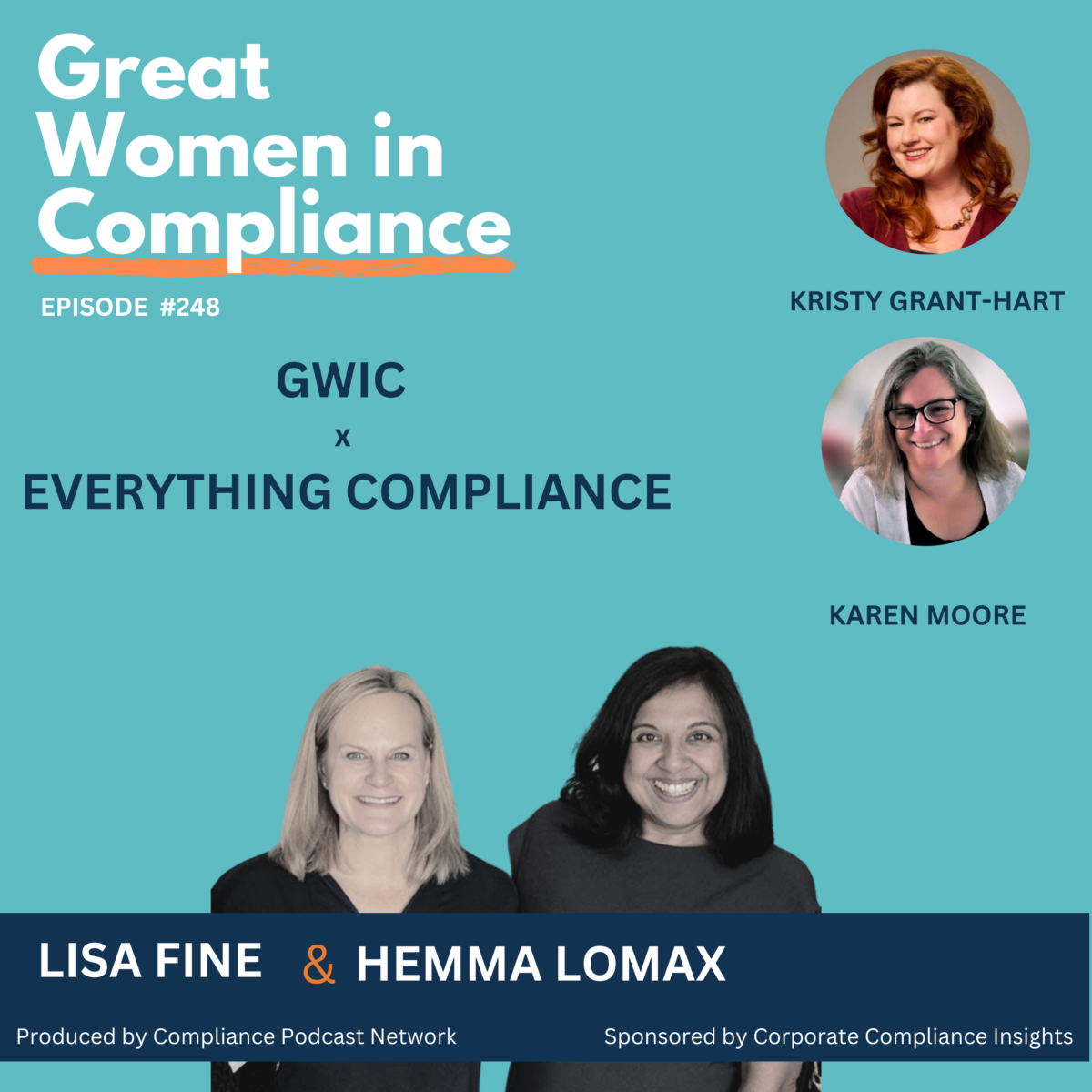
Welcome to the Great Women in Compliance podcast with Hemma Lomax and Lisa Fine, sponsored by Corporate Compliance Insights. GWIC goes in a different direction today with a cross-post with Everything Compliance. Welcome to the only roundtable podcast in compliance as we celebrate our second century of shows. Kristy Grant-Hart hosted a Special Edition episode of Everything Compliance a few months ago with some of the Great Women in Compliance. The episode was so popular (and the host and guests had so much fun) that everyone involved decided to make it a quarterly event and cross-post it on GWIC. Kristy Grant-Hart hosts today’s episode of Everything Compliance (Q4-GWIC edition), which features Karen Moore, Lisa Fine, and Hemma Lomax on a guest panel.

  1. Host Kristy Grant-Hart takes a deep dive into meeting recording and note-taking services and why you need to disable these default settings. She shouts out to her hometown LA Dodgers for winning the World Series and rants about one of her favorite stores, Williams-Sonoma, playing holiday music before Halloween.
  2. Karen Moore examines Modern Slavery. She raved about United Airlines and its unending stream of communications.
  3. Lisa Fine takes a deep dive into the RTX settlements. In her Raves and Rants segment, she has a rant and a rave. First, after noting she cannot play Christmas music more than two weeks before Thanksgiving, she rants about vendors pushing compliance officers to use the budget in Q4 and raves about her hometown, the Buffalo Bills.
  4. Hemma Lomax explores the recent termination of multiple EY personnel for taking multiple pieces of training simultaneously. She rants about employees coming to compliance to write policies for AI development and the need to take a principles-based approach.

Join the Great Women in Compliance community on LinkedIn here.

Categories
Compliance Into the Weeds

Compliance into the Weeds: Risk-Based Compliance Lessons from a Young Entrepreneur’s Ice Cream Stand

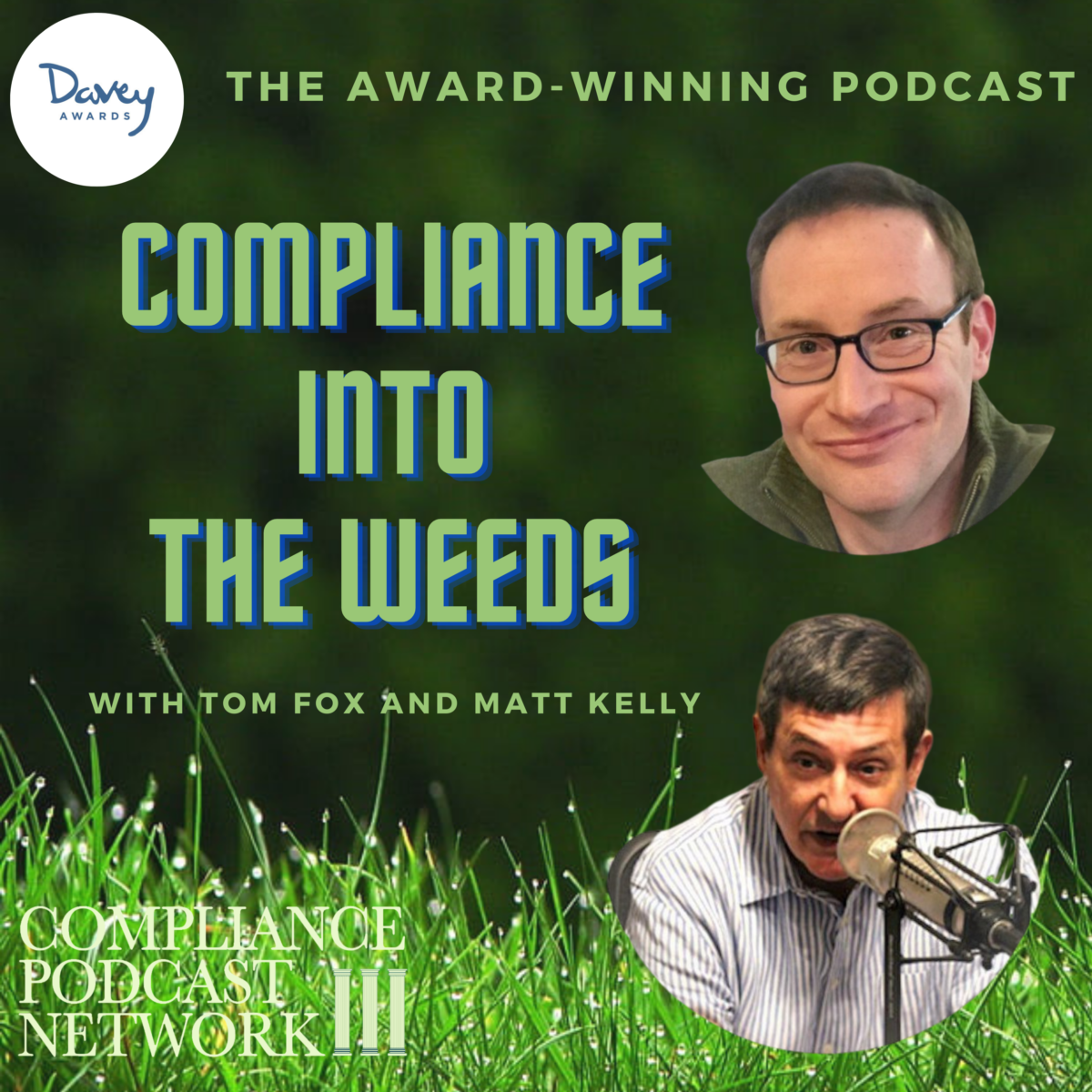
The award-winning, Compliance into the Weeds is the only weekly podcast that takes a deep dive into a compliance-related topic, literally going into the weeds to explore a subject more fully. Are you looking for some hard-hitting insights on compliance? Look no further than Compliance into the Weeds! In this special election day episode of ‘Compliance into the Weeds,’ Tom Fox and Matt Kelly dive into a lighter yet insightful compliance story involving a young boy named Danny Doherty.

At 12 years old, Danny set up a homemade ice cream stand in Massachusetts to raise money for a hockey team for children with developmental disabilities. However, the local health department shut its stand down due to risks associated with homemade dairy products, highlighting the importance of a risk-based approach in compliance activities. Tom and Matt discuss key compliance lessons from this incident, such as the necessity of addressing real risks, the potential for compliance failures despite good intentions, and the importance of effective communication by regulators.

Key highlights:

  • The Story of Danny Doherty
  • Compliance Lessons from Danny’s Story
  • Risk-Based Approach in Compliance
  • The Importance of Communication in Compliance

Resources:

Radical Compliance

Tom

Instagram

Facebook

YouTube

Twitter

LinkedIn

Categories
The Hill Country Podcast

The Hill Country Podcast – Kenneth O’Neal on the Prison Entrepreneurial Program

Welcome to the award-winning The Hill Country Podcast. The Texas Hill Country is one of the most beautiful places on earth. In this podcast, Hill Country resident Tom Fox visits with the people and organizations that make this the most unique area of Texas. Tom welcomes back Kenneth O’Neal to discuss the impactful Prison Entrepreneurial Program (PEP) this week.

Kenneth explains how the program transitions inmates into successful entrepreneurs through workshops and mentorships. The program offers tailored leadership, marketing, sales, and business administration support to inmates with 3 to 6 months left in their sentences, followed by ongoing mentorship once they are released. They explore key elements such as personal development, long-term career planning, and integrity. Kenneth elaborates on his involvement journey with PEP and emphasizes the importance of creating a legacy, fostering community, and maintaining integrity in business practices. The episode also touches on technical and personal development skills necessary for entrepreneurial success, highlighting real-life examples of transformed lives.

Key highlights:

  • Overview of the Prison Entrepreneurial Program
  • Workshop Topics: Gumption, Grit, and Guts
  • Workshop Topics: Leadership, Legacy, and Community
  • Workshop Topics: Personal Development and Career
  • Integrity and Purpose in Business

Resources:

Kenneth O’Neal Consulting

The Circle of Gumption on Amazon.com

Other Hill Country Focused Podcasts

Hill Country Authors Podcast

Hill Country Artists Podcast

Texas Hill Country Podcast Network