Categories
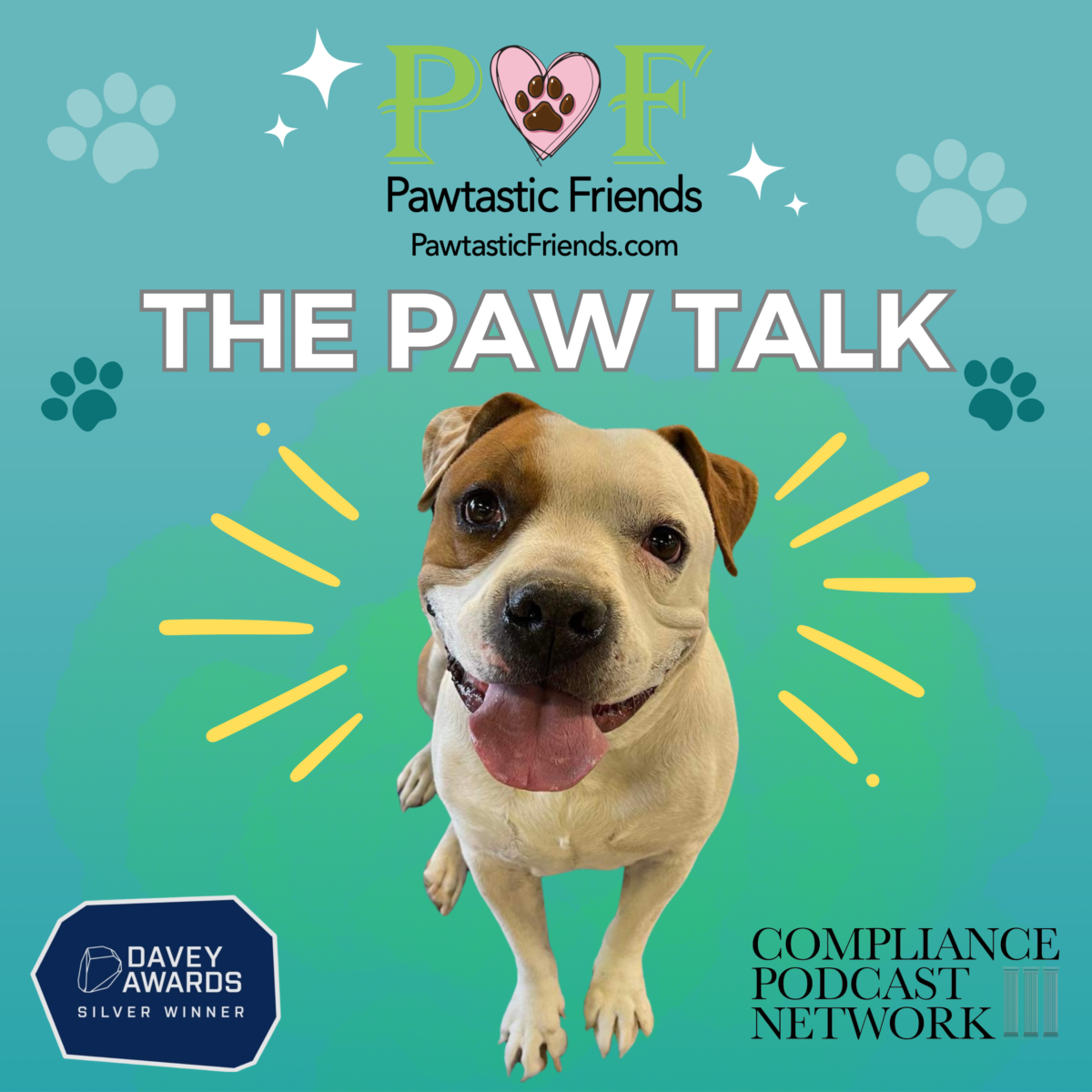
Pawtastic Friends - The Paw Talk

Pawtastic Friends: The Paw Talk – Denver, Goose and Camacho

Welcome to Pawtastic Friends: The Paw Talk. In this podcast, host Tom Fox will visit with Michael and Melissa Novelli, co-founders of Pawtastic Friends, as well as those who work with them at Pawtastic Friends. Michael and Melissa are dedicated to helping shelter and rescue dogs in the Las Vegas area become more adaptable through enrichment training and activities such as yoga and aquatics training, as well as obedience and agility. This podcast is sure to tug on your heartstrings; just listen to how sweet this one dog is! Tune in now to hear more from Michael and Melissa Novelli as they discuss their passion for helping pups in need. Get ready for an exciting episode of Pawtastic Friends: The Paw Talk!

In this episode, we feature Denver, Goose, and Camacho.

Michael Novelli and Melissa Novelli are dedicated advocates for rescue dogs, taking an active role in their selection and adoption processes.

Michael emphasizes the importance of meet and greets in selecting rescue dogs for adoption, believing it sets the dogs up for success in their new homes and encourages a strong bond with their adopters. His experiences working with rescue dogs like Camacho have highlighted the significance of positive interactions and support from the community.

Meanwhile, Melissa’s perspective centers on finding the ideal home for each rescue dog, considering their energy level, activity preferences, and compatibility with children or other animals. Her work with dogs like Denver, a family-friendly pit mix, and Goose, an energetic and playful dog, has demonstrated her commitment to improving the well-being of sheltered animals.

Together, they champion volunteering at shelters and the boarding buddy program to boost the socialization and enrichment of rescue dogs, increasing their chances of securing a loving forever home.

Quotes:

“His disposition, even though it sounds like he’s had a lot that he’s went through, his personality. He’s so loving.” – Mellissa Novelli

“Getting the dogs out gives them a chance to be a dog.” – Michael Novelli

Resources:

Pawtastic Friends

Donate to Pawtastic Friends

Vote for Pawtastic Friends at Wreaths of Hope

Pawtastic Friends on Instagram

Pawtastic Friends on Facebook

Categories
Life with GDPR

Life With GDPR: NIS2 Balancing Obligations and Challenges for Compliance

Tom Fox and Jonathan Armstrong, renowned experts in cyber security, co-host the award-winning Life with GDPR. Today we consider the NIS2 Directive, which is the EU-wide legislation on cybersecurity. It provides legal measures to boost the overall level of cybersecurity in the EU.

Cybersecurity regulations are reshaping the landscape, demanding swift action and accountability from organizations and individuals. The NIS2 Directive tightens reporting deadlines, putting pressure on organizations to comply with cybersecurity incidents. This means that organizations need to be prepared to act quickly and efficiently in the event of a cyber incident to avoid penalties and maintain trust with their stakeholders. Management faces increased personal liability under the NIS 2 Directive, highlighting the need for proactive cybersecurity measures. This emphasizes the importance of implementing strong cybersecurity protocols and staying ahead of potential threats to protect both the organization and individual leaders from legal and financial repercussions.

Regulatory bodies advocate for a shift towards prevention in cybersecurity to combat rising cyber threats. This shift in focus underscores the importance of investing in proactive cybersecurity measures rather than simply reacting to incidents after they occur, ultimately leading to a more secure and resilient digital environment. Join Tom Fox and Jonathan Armstrong as they delve deeper into this topic on this episode of the Life with GDPR podcast.

 Key Takeaways:

  • NIS Two Directive: Stricter Reporting and Jurisdiction
  • NIS Two Directive: Management’s Cybersecurity Liability
  • Operational Resilience: Proactive Cybersecurity Measures

Resources:

Connect with Tom Fox

Instagram

Facebook

YouTube

Twitter

LinkedIn

Connect with Jonathan Armstrong

Twitter

LinkedIn

Categories
It's art

It’s art, let’s talk about it – Brandon Bailey on Shaping Art Through Personal Experiences

The Museum of Western Art is dedicated to excellence in collecting, preserving, and promoting Western Heritage and our diverse audiences’ education and cultural enrichment. The Museum serves as a bridge between the past and the present, ensuring that the legacy of the American West will be preserved for the future. Western Art is as engaging and important as ever. In this podcast series, Museum Executive Director Darrell Beauchamp visits with the artists who work in this Western heritage to talk about their work, the legacy of Western Art, and why talking about it is so important today. In this episode, Darrell visits a member of the Cowboy Artists of America, Brandon Bailey.

Brandon Bailey, a Cowboy Artist of America member with over 16 years of professional artistry, is known for his focus on Russian impressionism. He has received recognition from numerous esteemed figures in the art world. Moreover, he has participated in significant exhibitions and programs and leverages his social media presence to share his artistic journey. Bailey’s perspective on his membership in the Cowboy Artist of America stems from a transformative journey that required hard work, dedication, and sacrifice. He values the opportunities provided by the organization, such as scholarships and mentorships, that have fostered his growth as an artist. Additionally, rather than concentrating solely on personal success, Bailey emphasizes adherence to the mission and vision of the Cowboy Artist of America, reflecting his profound respect for the traditions and values of the cowboy art community.

Highlights Include:

  • Preserving Western Art Tradition Through Prestigious Membership
  • Elevating Artistic Excellence Through Community Support
  • Balanced Artistic Collaborations for Business Success
  • Artist-Led Workshops Inspiring Creativity and Growth
  • Preserving Western Art Through Educational Initiatives
  • Quality Over Quantity in Artistic Legacy
  • Museum Exhibitions: Showcasing Talent and Perseverance

Resources

Museum of Western Art

Darrell Beauchamp on LinkedIn

Brandon Bailey Fine Art

Categories
Blog

Sustaining Culture: Continually Improve Company Culture

What’s measured is treasured. If it is important, you want to know what is going on and improve on it. And it’s data; it’s factual. And so right away, we know what to do, and we can see the improvements we’re making because we can measure and improve them. Sam Silverstein.

I am in the middle of premiering a new podcast series, Culture Crafters, on the Compliance Podcast Network. In this series, together with Sam Silverstein, we are taking a deep dive into corporate culture: how to measure it, assess it, monitor it, and improve it. Through this exploration, we have uncovered the surprising truth behind sustained success in company culture. We have taken a deep dive into maintaining a high-performing culture that attracts and retains top talent. We have discussed the often overlooked strategy that propels companies to celebrate every win, big or small, and compound their growth year after year. Today, we continue our journey by considering why you should continuously audit and assess your culture to improve it.

Achieving and sustaining a great culture within organizations is foundational to long-term success. It involves creating an environment where individuals feel valued and motivated to contribute meaningfully towards shared goals. This process starts with leadership setting the tone by exemplifying behaviors prioritizing people’s well-being and professional growth. Leaders can inspire employees to engage fully and commit to the organization’s vision by fostering a culture of trust, respect, and open communication. Consistently reinforcing core values and recognizing contributions are key components in nurturing a positive culture that endures challenges and fosters innovation.

Regular culture audits are essential for organizations seeking to understand and improve their cultural dynamics. These assessments provide a baseline for measuring progress and identifying areas for growth. By gathering data on employee perceptions, engagement levels, and alignment with organizational values, companies can pinpoint strengths and weaknesses within their culture. This information allows leaders to tailor interventions, policies, and initiatives that align with the organization’s desired cultural outcomes.

Moreover, ongoing assessments enable organizations to adapt to changing circumstances and ensure that the culture remains aligned with evolving goals and external influences. Sam Silverstein’s discussion on culture audits highlights the value of using data-driven insights to inform decision-making and drive cultural improvements. He stresses the importance of combining qualitative feedback with quantitative metrics to understand the organization’s culture comprehensively.

By being transparent about assessment results, leaders can foster a culture of accountability and continuous improvement. Sam’s emphasis on the iterative nature of culture assessments underscores the need for organizations to view cultural dynamics as dynamic and evolving. The conversation underscores that continual assessment is not merely a one-time exercise but a strategic tool for maintaining a healthy and adaptive culture over time. You should develop a plan to assess and regularly improve your culture.

  • Culture Audit: Develop a culture audit to assess the current state of your company’s culture. This can help identify areas for improvement and set a baseline for future assessments.
  • Documentation: Document your culture assessment findings and improvement plans. Utilize tools to create and maintain detailed records of your culture assessment and improvement initiatives.
  • Regular Assessment: Implement a schedule for culture assessments, such as quarterly or bi-annually. Use tools to gather feedback and measure progress over time.
  • Celebrate: Incorporate a culture of celebration within your organization. This can include employee recognition programs, town hall meetings, or even small gestures like personalized notes or tokens of appreciation.
  • Continuous Improvement: Based on the results of your culture assessments, develop a plan for continuous improvement. Use project management tools like Asana, Trello, or Monday.com to track and execute improvement initiatives, ensuring that progress is ongoing and continuous.

The bottom line is that authentic leadership plays a pivotal role in shaping a thriving culture. Compliance professionals and business leaders go beyond superficial gestures and genuinely prioritize the well-being of their teams. Leaders can create a culture where individuals feel respected and valued by demonstrating care and investment in employees’ development. Key traits include actively listening to employee feedback, providing growth opportunities, and demonstrating ethical decision-making. Ultimately, the conversation reveals that sustained success in company culture hinges on leaders’ commitment to prioritizing people and consistently reinforcing a positive work environment.

Categories
Daily Compliance News

Daily Compliance News: March 27, 2024 – The $135K and a Wig Edition

Welcome to the Daily Compliance News. Each day, Tom Fox, the Voice of Compliance, brings you compliance-related stories to start your day. Sit back, enjoy a cup of morning coffee and listen to the Daily Compliance News.

All from the Compliance Podcast Network. Each day, we consider four stories from the business world: compliance, ethics, risk management, leadership, or general interest for the compliance professional.

In today’s edition of Daily Compliance News:

  • Corruption drives trafficking in Southeast Asia. (Al Jazeera)
  • South African Speaker of Parliament charged with corruption. (WaPo)
  • A former head of the China Football Association was jailed for life for corruption.  (ESPN)
  • A witness alleges there are tapes of Hungarian corruption. (AP)

For more information on the Ethico ROI Calculator and a free White Paper on the ROI of Compliance, click here.

Categories
Compliance Tip of the Day

Compliance Tip of the Day: The Forensic Auditor in Investigations

Welcome to “Compliance Tip of the Day,” the podcast where we bring you daily insights and practical advice on navigating the ever-evolving landscape of compliance and regulatory requirements.

Whether you’re a seasoned compliance professional or just starting your journey, our aim is to provide you with bite-sized, actionable tips to help you stay on top of your compliance game.

Join us as we explore the latest industry trends, share best practices, and demystify complex compliance issues to keep your organization on the right side of the law. Tune in daily for your dose of compliance wisdom, and let’s make compliance a little less daunting, one tip at a time.

In this episode, we discuss why every compliance professional needs a forensic auditor as a part of their investigative team.

For more information on the Ethico ROI Calculator and a free White Paper on the ROI of Compliance, click here.

Categories
The Hill Country Podcast

The Hill Country Podcast: Alan Peterson on Riding for a Cure

Welcome to award-winning The Hill Country Podcast. The Texas Hill Country is one of the most beautiful places on earth. In this podcast, Hill Country resident Tom Fox visits with the people and organizations that make this the most unique area of Texas. This week Tom visits with Alan Peterson, a staunch supporter of the MS Society, who is riding in his 13th MS 150 to support finding a cure for MS.

Alan Peterson discovered his fervor for the cause when his mother was diagnosed with Multiple Sclerosis in the 1990s. Over the years, Peterson has distinguished himself by participating in the MS 150 ride in Texas an impressive 13 times, demonstrating his relentless commitment to the cause through fundraising and raising awareness. His perspective on the 2024 MS 150 ride routes has been shaped by his experiences riding through challenging terrains and routes, including the hilly and trafficked MS 150 ride in Colorado.

Peterson believes in the importance of adaptability, with his views on route selection influenced by weather conditions and optimal performance. He appreciates the flexibility offered by the MS 150 ride, with its varying starting points, destinations, and distances ranging from 100 to 200 miles, catering to riders’ preferences.

Inspired by his personal connection to the cause, Peterson emphasizes the importance of family involvement in the ride, Though he will be riding solo in 2024, he will carry their spirit with him. For all donors, Alan is pleased to announce a 1 for 1 match to any donation by an anonymous donor.

Key Highlights:

  • 2024 MS 150 Ride: Tailoring Your Route
  • Top 300 Fundraisers Impacting MS 150 Success
  • Endurance-Focused Cycling Training for MS Fundraiser
  • Exclusive Benefits and Rewarding Activities at MS 150 Event

Resources:

Donate to Alan Peterson. For all donors, Alan is pleased to announce a 1 for 1 match to any donation by an anonymous donor. 

MS 150

Other Hill Country-Focused Podcasts

Hill Country Authors Podcast

Hill Country Artists Podcast

Texas Hill Country Podcast Network

Categories
Compliance Into the Weeds

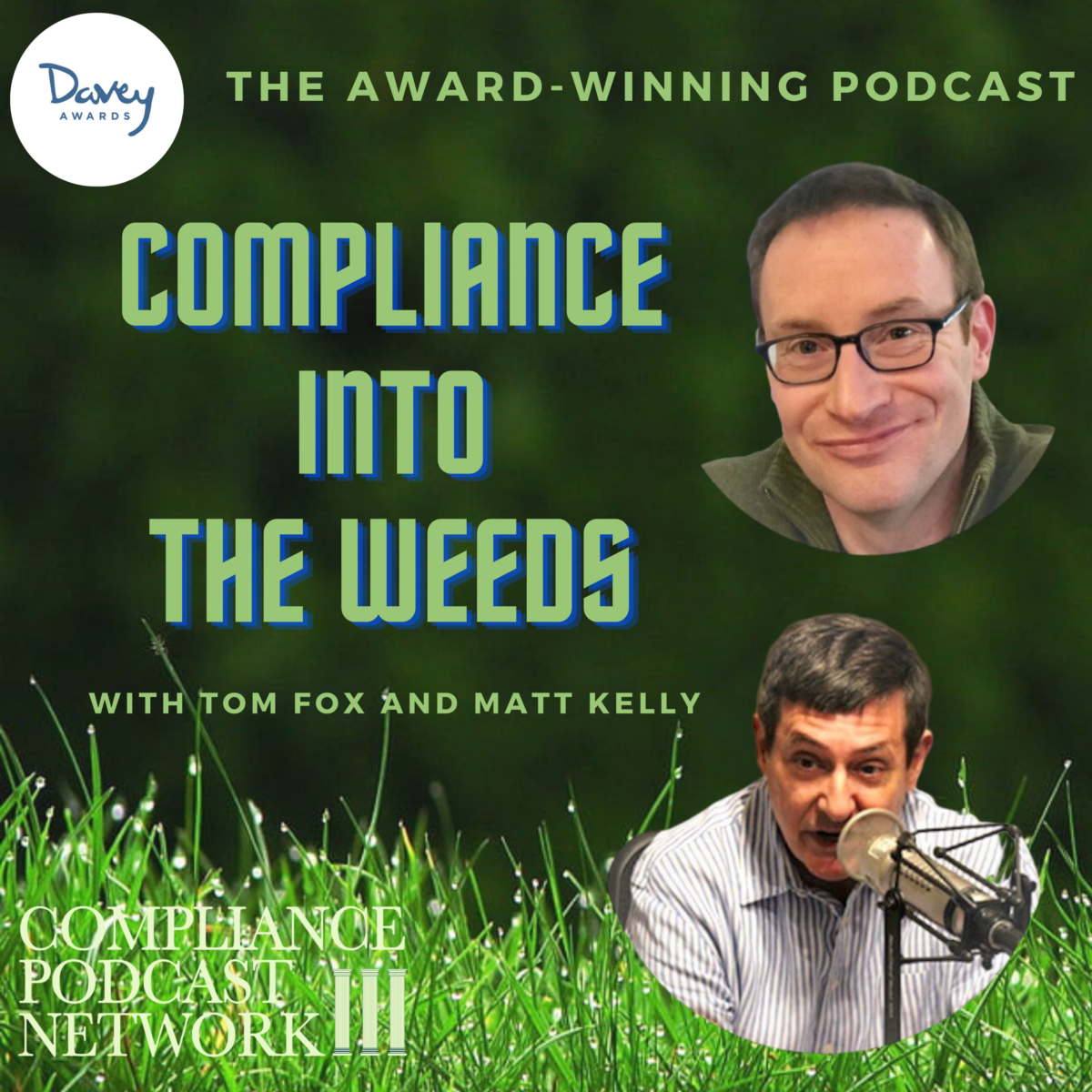
Compliance into The Weeds: AI Washing and Compliance

The award winning, Compliance into the Weeds is the only weekly podcast that takes a deep dive into a compliance-related topic, literally going into the weeds to more fully explore a subject. Looking for some hard-hitting insights on compliance?

Look no further than Compliance into the Weeds! In this episode, Tom and Matt take a deep dive into the recent SEC enforcement actions involving AI washing and what it all may mean for the compliance professional.

The evolving landscape of Artificial Intelligence (AI) has brought on a new paradigm of risk management in AI disclosures. This has caught the attention of regulatory bodies like the SEC, thereby necessitating a heightened focus on transparency and the implementation of comprehensive risk strategies.

Tom advocates for the integration of AI risk reporting into the overall risk management strategy, emphasizing the need for governance and the right risk control measures. His views are shaped by his understanding of the potential repercussions of misleading AI disclosures and the significance of transparency in warding off enforcement actions from regulatory bodies.

Matt echoes a similar sentiment, underscoring the importance of recognizing and managing AI risks. His perspective is influenced by the unique challenges that AI poses, calling for strategically tailored governance and risk management practices to navigate the complexities of AI technology.

Key Highlights:

  • AI Misrepresentation Enforcement by SEC
  • Transparency in AI Risk Reporting for Compliance
  • Integrating AI Risk into Overall Risk Management
  • Collaborative Roles for Effective AI Governance
  • A theory of unified risk management
  • What does all this mean for compliance and the compliance professional?

Resources:

Matt on Radical Compliance

Tom 

Instagram

Facebook

YouTube

Twitter

LinkedIn

Categories
Blog

The Ultimate Guide to Culture Assessment

Assessing an organization’s various aspects is crucial for its success. From ethics to workplace dynamics, leaders need to consider multiple factors to create a transparent and efficient work environment—in short, a better culture. In this blog post, we will explore the importance of assessing ethics, speed of implementation, trust, stress, diversity, equity, and inclusion in organizations.

Why should an organization prioritize assessing ethics, speed of implementation, and trust for organizational success? Of course, there is the regulator aspect, as exemplified by Deputy Attorney General Lisa Monaco in October 2021, who recognized the need for companies to assess, manage, monitor, and improve their corporate culture. Her vision was then memorialized in the 2023 Evaluation of Corporate Compliance Programs (ECCP) update, announced in January 2023. In the ECCP, the Department of Justice (DOJ) asked the following questions: How often and how does a company measure a culture of compliance? What are your hiring and incentive structures around compliance? What steps have you taken in response to your measurements of compliance? Yet the more compelling reason is the business basis for corporate culture.

A successful culture assessment involves assessing various areas of an organization’s culture to shape a solid, high-performing environment. The assessment should focus on values, ethics, mission clarity, employee engagement, trust, and communication to identify areas of strength and improvement. By optimizing the process, compliance professionals can gain valuable insights that guide them in creating a culture that fosters integrity, collaboration, and superior performance.

Assessing culture within an organization is crucial for maintaining a positive reputation and building trust with stakeholders. It ensures that the organization operates with integrity and follows ethical guidelines in all its practices. Speed of implementation is also important, as it allows organizations to adapt quickly to changing market conditions and stay ahead of the competition. On the other hand, trust is the foundation of any successful organization. Building trust among employees, customers, and partners creates a positive work environment and fosters collaboration and innovation. To prioritize these aspects, leaders can set clear ethical guidelines, streamline processes for faster implementation, and actively work on building trust through open communication and transparency.

What role do stress, diversity, equity, and inclusion play in evaluating workplace dynamics and your organization’s culture? Stress can significantly impact workplace dynamics, affecting employee morale, productivity, and overall well-being. Organizations need to assess and address workplace stress sources to create a positive and supportive environment for employees. Diversity, equity, and inclusion are key factors in evaluating workplace dynamics. A diverse and inclusive workforce brings different perspectives and ideas, leading to better decision-making and innovation.

To address stress in the workplace, leaders can offer resources for mental health support, promote work-life balance, and create a culture of open communication. To foster diversity, equity, and inclusion, organizations can implement diversity training programs, establish inclusive hiring practices, and create opportunities for underrepresented groups to thrive.

One area that compliance professionals do not talk enough about is trust. Trust is the cornerstone of any successful organization. It creates a foundation of respect, collaboration, and teamwork among employees, leading to increased productivity and job satisfaction. Trust also fosters organizational transparency, allowing for open communication and accountability at all levels. To build trust in the workplace, compliance professionals and, indeed, all business leaders must lead by example, communicate openly and honestly, and establish a culture of trust and respect. By prioritizing trust, companies can create an environment where employees feel empowered and motivated to perform at their best.

A culture assessment helps organizations create a positive and productive workplace environment by measuring various aspects of culture, providing actionable insights, and emphasizing audibility and transparency. With regulators’ increasing focus on corporate culture, a culture assessment can also help companies demonstrate their commitment to ethical behavior and compliance. By utilizing this tool, organizations can drive better leadership, improve employee engagement, and ultimately enhance their bottom line.

Assessing ethics, speed of implementation, trust, stress, diversity, equity, and inclusion are essential to building a successful and sustainable organization. By prioritizing these aspects, compliance professionals and business leaders can create a transparent and efficient work environment that fosters collaboration, innovation, and success.

 If you feel overwhelmed by the complexity of assessing and improving your organization’s culture, then you are not alone. The struggle to identify cultural deficiencies and areas for improvement within the multifaceted aspects of organizational culture can be daunting. It would be best to break free from the overwhelming process and gain the insights you need to enhance your organization’s performance and productivity. Following these precepts will help you uncover the key to unlocking a culture that drives success.


Categories
Culture Crafters

Culture Crafters – A Deep Dive into Culture Assessments

It is always interesting to see the regulators catch up to the business world. That is what has happened to corporate culture. The Department of Justice is now assessing the corporate culture of any company under investigation. Yet more than simply complying with this mandate, companies should strive to foster the best culture they can. The reason is deceptively simple: the better the culture, the better the company.

But many business executives and even compliance professionals do not know how to craft a culture that allows your employees and, thereby, your organization to implement such strategies. How can you unlock the power of a thriving workplace culture?

In this podcast series, Sam Silverstein, the most trusted voice in America on accountability  and Tom Fox, the Voice of Compliance, look at the ways companies can elevate their culture to new heights.

In this episode, they take a deep dive into culture assessments, highlighting the significance of this process in maintaining effective leadership, employee engagement, diversity, equity, and inclusion.

Comprehensive assessment is a cornerstone for the success of organizations, underpinning their ability to identify weaknesses, implement improvements, and foster a strong ethical culture. Tom and Sam underscore the necessity of a comprehensive assessment for leaders to understand and manage all crucial aspects of their organizations, a neglect of which could be seen as negligence.

They stress the importance of assessment in addressing key areas like stress, diversity, and ethics to attract top talent and boost productivity, profitability, and overall performance. Both advocates believe that without comprehensive assessment, organizations fail their stakeholders and harm their own success and reputation.

Key Highlights

  • Ethical Strength Assessment in Organizational Culture
  • Enhancing Organizational Performance through Comprehensive Assessment
  • Trust-Based Culture Audit for Effective Leadership
  • Foundational Elements for Collaborative Team Success
  • Inclusive Workplace Dynamics for Organizational Success

Resources 

Sam Silverstein

Sam Silverstein on LinkedIn

Sam Silverstein

The Culture Audit™

Tom Fox

Instagram

Facebook

YouTube

Twitter

LinkedIn