Categories
12 O’Clock High-a podcast on business leadership

12 O’Clock High, A Podcast on Business Leadership – Building Trust and Relationships: The Power of Compliance and Ethics with Jacqui Pruet

12 O’Clock High, an award-winning podcast on business leadership, brings together stories from history, the arts, sports, movies, research, and current events to consider leadership lessons. In this episode, Tom Fox interviews Jacqui Pruet, founder of A. C. E. Austin Compliance & Ethics Professional.

Pruet shares her journey of creating ACE to address the lack of local networking opportunities for compliance professionals in Austin, Texas. She discusses her passion for ethics and compliance, stemming from her background as a state regulator and strategist, as well as her innovative approach to building high-trust leadership communities. Pruet emphasizes the importance of relationships and trust in compliance, sharing insights on how effective compliance can drive business efficiency and profitability. She also explores the evolving alignment between innovation, governance, and compliance, and discusses how her regulatory background gives her a unique perspective in the compliance field.

Key highlights:

  • Jacqui Pruet’s Journey to Founding ACE
  • The Importance of Compliance and Ethics
  • Executing the Vision of ACE
  • High-Trust Leadership Communities
  • Confidentiality and Trust in Leadership
  • Building Relationships and Trust
  • Revenue and Ethics: A Strategic Advantage
  • Regulatory Background and Compliance Strategy

Resources:

Jacqui Pruet on LinkedIn

Tom Fox

Instagram

Facebook

YouTube

Twitter

LinkedIn

Categories
Blog

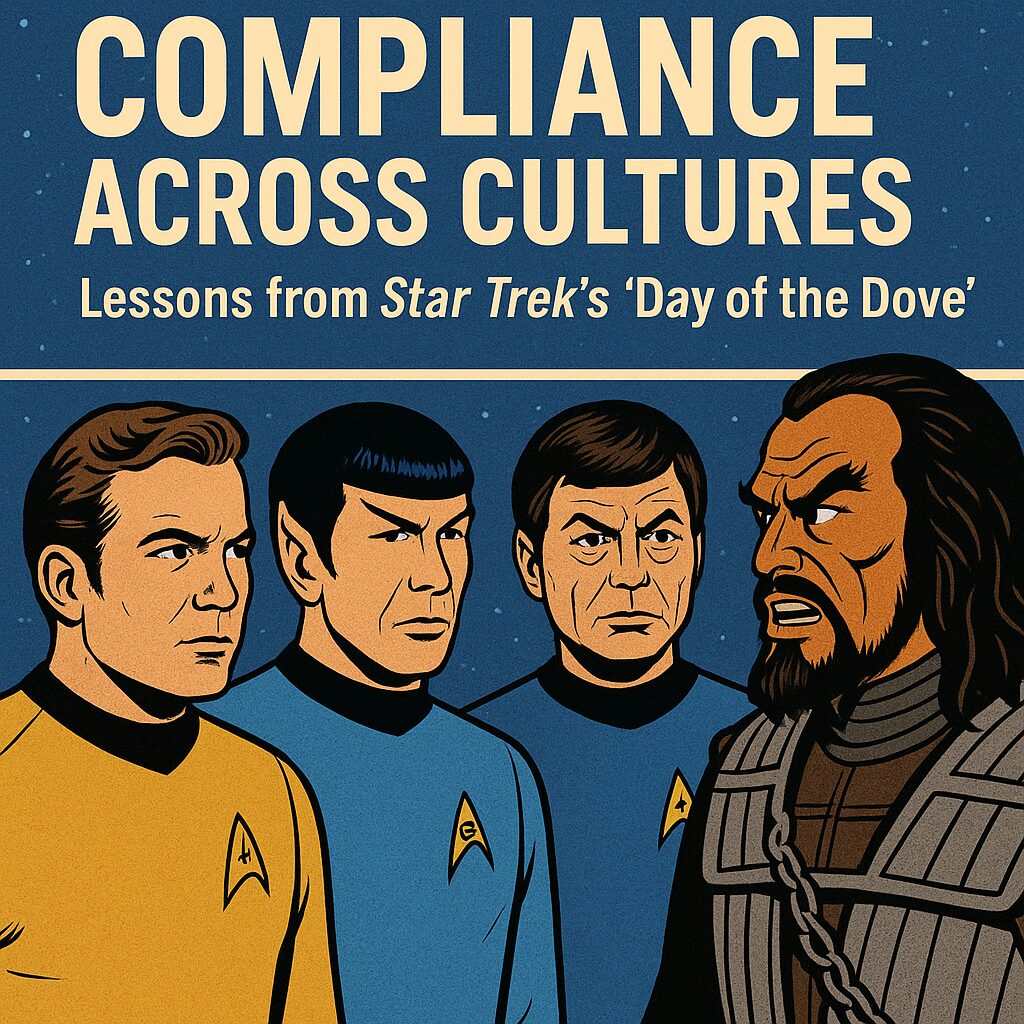
Compliance Across Cultures: Lessons from Star Trek’s “Day of the Dove”

In the dynamic and continually evolving landscape of corporate compliance, one recurring theme is the necessity of cross-cultural understanding and collaboration. Modern compliance officers grapple with complexities arising from international business relationships, mergers, acquisitions, and partnerships, navigating disparate cultural expectations and norms. Star Trek TOS, especially the episode “Day of the Dove,” provides a surprisingly rich source of compliance insights into these challenges. As we revisit this classic, let’s examine what Captain Kirk and his crew can teach today’s compliance professional about managing cross-cultural compliance risks effectively.

The episode sees the USS Enterprise encountering a mysterious entity that thrives on conflict and hatred. After coming across Klingon survivors led by Commander Kang, Kirk’s crew and the Klingons are manipulated into perpetual conflict aboard the Enterprise. Both sides soon realize that the entity is using their hatred to feed and grow stronger. Ultimately, they unite to reject the divisiveness that feeds the entity, ending the conflict and regaining control of the Enterprise.

In a globalized business environment, compliance professionals frequently encounter situations analogous to the manipulated hostilities between the Federation and Klingons. Misunderstandings, mistrust, and cross-cultural miscommunication can escalate tensions, threaten corporate integrity, and hinder operations. Let’s distill five critical compliance lessons from “Day of the Dove,” offering practical guidance to the compliance professional for cross-cultural scenarios.

Lesson 1: Recognize and Neutralize Bias and Stereotyping

Illustrated By: Early in the episode, the Enterprise crew and the Klingons instantly regard each other with suspicion and prejudice. Their preconceived notions drive initial hostility, fueled by longstanding animosity and stereotypes.

Compliance Lesson: For compliance officers, understanding and addressing implicit biases is crucial. Like the Enterprise crew, professionals often enter new markets or partnerships with preconceived ideas about cultural expectations, risk tolerance, or ethical behaviors. Such biases may cloud objective judgment and inadvertently fuel tension or compliance failures.

To prevent this, organizations must implement targeted compliance training that explicitly addresses biases and promotes empathy and cultural intelligence. Awareness and sensitivity training programs can assist staff in challenging assumptions, mitigating prejudices, and fostering constructive dialogues, much like Kirk’s eventual acknowledgment of shared misunderstandings.

Lesson 2: Question Motives and Uncover Root Causes

Illustrated By: When Kirk realizes the ongoing conflict is unnatural, he questions its cause, eventually uncovering the entity exploiting their anger. This epiphany sets the stage for collaboration and resolution.

In compliance, cross-cultural misunderstandings often have deeper root causes than the surface-level tension suggests. Misaligned incentives, conflicting internal controls, and divergent perceptions of risk can escalate minor disagreements into full-blown compliance crises.

Conducting effective root-cause analyses, guided by robust investigative frameworks as recommended by regulatory bodies like the DOJ and the 2024 ECCP, can uncover the underlying issues fueling compliance challenges. This diagnostic approach not only mitigates immediate issues but also promotes long-term resilience and cultural cohesion.

Lesson 3: Collaboration and Common Goals Overcome Conflict

Illustrated By: Ultimately, Kirk and Commander Kang set aside their rivalry, jointly recognizing their mutual enemy as the manipulative entity. By focusing on a shared goal, they regain their agency and restore harmony aboard the Enterprise.

Compliance Lesson: Cross-cultural compliance similarly requires organizations to align clearly defined common objectives, shared values, and mutual benefit. Whether responding to anti-corruption regulations like the FCPA, managing third-party due diligence, or harmonizing diverse internal standards, clear communication and shared goals serve as the foundation for collaboration.

Compliance leaders must foster environments where culturally diverse teams understand and internalize collective compliance objectives. Creating alignment workshops, compliance vision statements, and shared metrics are effective strategies to build unity and proactive cooperation among global stakeholders.

Lesson 4: Communication and Transparency are Critical

Illustrated By: Misunderstandings abound initially due to poor communication between the Klingons and the Federation. Once both parties openly discuss their suspicions, their improved communication proves essential in ending the conflict.

Compliance Lesson: Compliance challenges arising from cross-cultural scenarios frequently result from misunderstandings or assumptions due to poor transparency or communication. Language barriers, culturally distinct reporting methods, and differing standards of directness or openness can lead to confusion and non-compliance.

Organizations must proactively address these communication gaps by implementing multilingual training programs, culturally sensitive reporting hotlines, and comprehensive policies written clearly and accessible across cultures. Additionally, transparency must be embedded in compliance systems, ensuring stakeholders across different geographies have clear, consistent, and accessible information.

Lesson 5: Leadership Sets the Tone and Culture

Illustrated By: Both Kirk and Kang exhibit strong leadership by openly demonstrating the willingness to reconsider their positions and lead their crews in jointly rejecting the entity’s divisive influence.

Compliance Lesson: Compliance leadership must similarly set the tone and demonstrate cultural competence. Leaders who visibly prioritize integrity, open dialogue, and mutual respect set a powerful compliance culture example. Cross-cultural scenarios particularly require compliance leaders to demonstrate humility, openness, and willingness to learn and adjust behaviors.

The DOJ’s 2024 Evaluation of Corporate Compliance Programs (ECCP), reinforced recently by Nicole Argentieri’s commentary, specifically highlights culture as critical to compliance effectiveness. Leaders who exemplify integrity and communicate clear, respectful expectations foster a compliance-positive environment. Such leadership inspires global employees, encouraging them to embrace company values and compliance standards.

Final ComplianceLog Reflections

The global nature of today’s business operations makes cross-cultural competency not merely a nice-to-have, but an essential compliance skill set. “Day of the Dove,” through its compelling narrative and insightful conflict resolution, mirrors real-world compliance scenarios faced by international organizations.

Just as Kirk’s crew and the Klingons successfully rejected divisiveness. They overcame manipulated hostilities. Compliance professionals must recognize and neutralize biases, uncover root causes of tension, prioritize common goals, enhance transparent communication, and demonstrate culturally sensitive leadership.

As we forge ahead in a global compliance landscape, these insights from classic Star Trek remain relevant. The universe Kirk explored may be fictional, but the lessons learned aboard the Enterprise are profoundly real and applicable for every compliance professional operating in the interconnected global business environment.

By integrating these timeless lessons from “Day of the Dove,” compliance professionals are better equipped to navigate complex cross-cultural challenges, transforming potential conflicts into opportunities for collaboration, understanding, and compliance excellence.

Resources:

⁠⁠Excruciatingly Detailed Plot Summary by Eric W. Weisstein⁠⁠

⁠⁠MissionLogPodcast.com⁠⁠

⁠⁠Memory Alpha

Categories
Blog

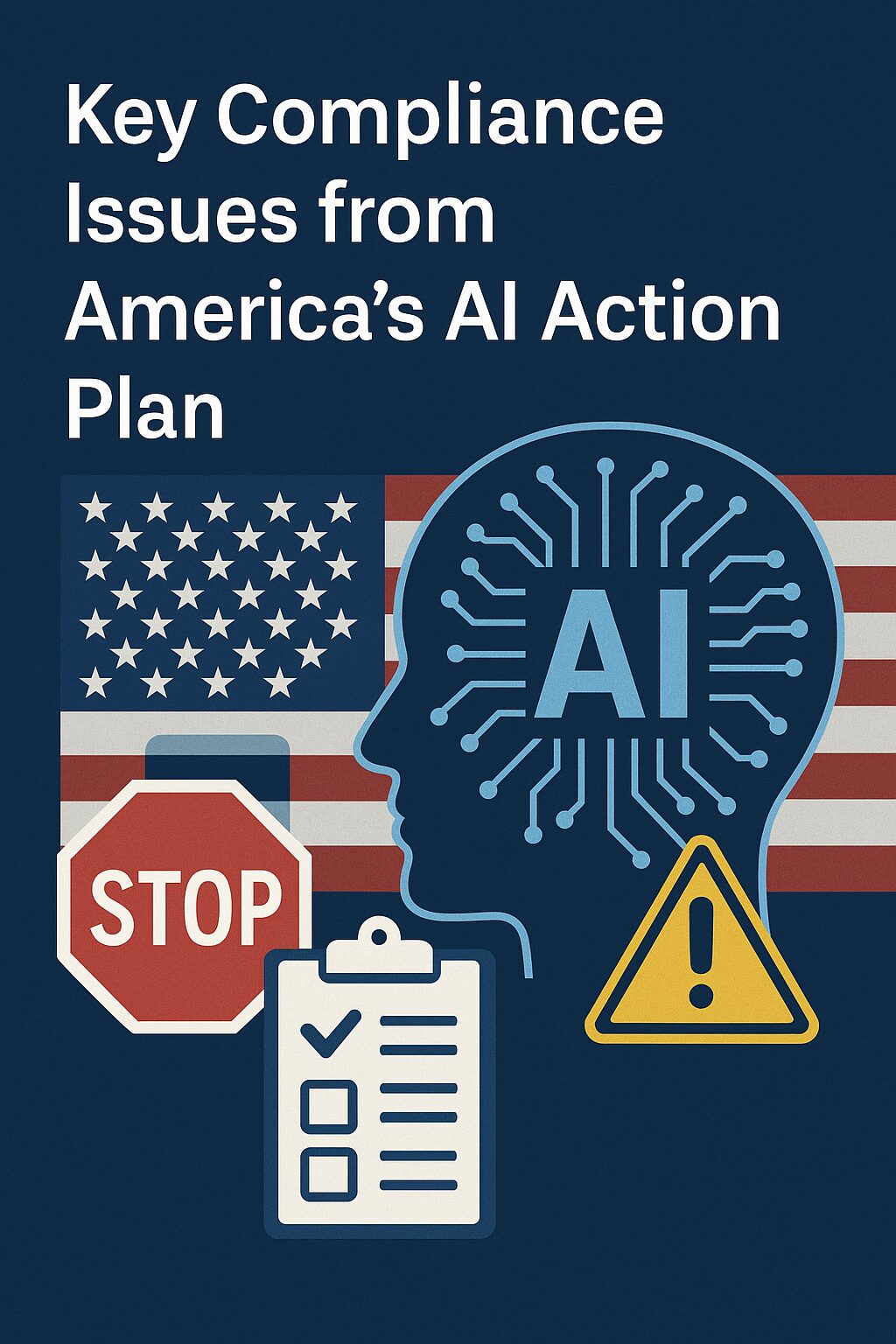
Key Compliance Issues from America’s AI Action Plan

The release of “America’s AI Action Plan” by the White House represents a monumental stride in positioning the United States as the global leader in artificial intelligence (AI). This detailed document not only sets forth America’s strategic path but also underscores essential compliance considerations that every corporate compliance professional should keenly understand. In today’s post, we will summarize the central compliance themes of this document and outline 5 key lessons for corporate compliance professionals.

Key Compliance Issues from America’s AI Action Plan

America’s AI Action Plan, structured around three key pillars—Innovation, Infrastructure, and International Diplomacy and Security—presents significant compliance considerations:

Regulatory Streamlining and Innovation. A clear mandate emerges to reduce bureaucratic hurdles. Actions include revoking overly restrictive AI regulations imposed previously and promoting open-source AI to ensure accessibility and innovation. Regulatory streamlining will involve actively reviewing and revising current rules to foster a more conducive environment for technological advancement and competitiveness. This process will require compliance professionals to stay informed and adaptable, ensuring their organizations are aligned with new regulatory expectations swiftly. Furthermore, compliance teams must support a culture of innovation within the company, fostering practices that not only comply with the regulatory framework but also capitalize on opportunities presented by reduced bureaucracy.

Bias and Ideological Neutrality. AI systems should uphold free speech and objectivity, steering clear of ideological biases. Compliance teams must monitor AI implementations to ensure alignment with these principles. Organizations must establish clear policies and procedures to prevent ideological bias in AI systems, ensuring fairness and neutrality in automated decision-making. Continuous training and awareness initiatives should be provided to technical and non-technical staff alike to recognize and mitigate biases proactively. Regular audits and reviews of AI outputs are essential to detect and correct biases early, thus safeguarding against reputational harm and regulatory scrutiny while promoting ethical standards in AI usage.

Infrastructure Security and Cybersecurity. AI demands significant infrastructure investment, notably data centers and energy sources, to operate securely and efficiently. Compliance teams must ensure robust cybersecurity and resilience in these critical infrastructures. This involves implementing comprehensive security frameworks, ensuring adherence to national and international cybersecurity standards, and fostering organizational preparedness against cyber threats. Compliance professionals must coordinate closely with cybersecurity experts to assess vulnerabilities, implement robust security measures, and conduct regular testing and training to maintain resilience. Proactive engagement with cybersecurity communities and participation in intelligence-sharing forums are also vital strategies to preempt emerging threats effectively.

AI Adoption Governance. The slow adoption of AI by critical sectors due to complex regulatory environments necessitates transparent governance and risk management frameworks. Compliance professionals must facilitate understanding and proper usage of these technologies. It is crucial to establish governance frameworks that define clear roles, responsibilities, and processes for AI adoption. Compliance professionals should collaborate with various stakeholders to develop risk assessment methodologies, regulatory sandboxes, and Centers of Excellence, which enable controlled experimentation and rapid deployment of AI technologies. Continuous education and clear communication strategies must be employed to enhance organizational understanding of AI benefits, risks, and regulatory expectations, fostering broader acceptance and responsible adoption.

International Collaboration and Export Controls. Strong emphasis is placed on international alliances and strict export controls to manage the proliferation of sensitive AI technologies. Compliance must rigorously adhere to export control regulations and manage international data-sharing practices effectively. Navigating international compliance requirements involves a comprehensive understanding and adherence to varied jurisdictional rules and agreements. Compliance teams must establish robust internal controls, monitoring mechanisms, and training programs to ensure regulatory compliance in international transactions. Active engagement in international compliance forums and collaboration with regulatory authorities enhance an organization’s ability to adapt swiftly to changing international regulatory landscapes. This ensures that organizations can effectively manage compliance risks while promoting international partnerships and market opportunities.

Five Key Lessons for Compliance Professionals

1. Proactively Engage in Regulatory Adaptation and Innovation Enablement.

Corporate compliance teams must actively engage in the regulatory review and revision process. With the federal government prioritizing the reduction of bureaucratic hurdles, compliance professionals should regularly audit existing organizational practices against evolving regulations. They should implement agile compliance frameworks that allow quick adaptation to regulatory changes. Compliance teams should also foster and support internal innovation by creating clear compliance guidelines that allow creative experimentation within safe boundaries. Promoting a proactive rather than reactive approach enables the organization to capitalize on emerging opportunities in AI, ensuring competitive advantage while staying compliant with the evolving regulatory landscape.

2. Maintain Vigilance in Preventing Bias and Upholding Objectivity.

Compliance professionals must rigorously enforce standards, ensuring AI systems uphold principles of free speech and ideological neutrality. Establishing clear internal policies against bias in automated decision-making is critical. Compliance teams should implement ongoing educational initiatives, ensuring all staff understand the ethical and regulatory implications of bias in AI. Additionally, routine audits and bias-detection protocols should be embedded into AI systems development processes. Through vigilant monitoring and continuous training, compliance officers play a crucial role in safeguarding their organizations from reputational harm, regulatory infractions, and maintaining public trust in the responsible use of AI technologies.

3. Implement Robust Cybersecurity and Infrastructure Protection Measures.

Given the critical role of secure infrastructure in AI deployment, compliance professionals must ensure that robust cybersecurity measures are in place across data centers, computing resources, and energy systems. They must collaborate closely with cybersecurity experts to develop comprehensive security frameworks that align with national and international cybersecurity standards. Continuous risk assessment, vulnerability scanning, and regular training exercises should be implemented to maintain readiness against cyber threats. Furthermore, compliance officers should engage proactively with cybersecurity communities and industry-specific intelligence-sharing platforms to stay ahead of emerging threats, effectively safeguard critical infrastructure, and ensure regulatory compliance.

4. Foster Effective AI Governance and Accelerate Adoption.

The compliance team plays a pivotal role in facilitating and accelerating the adoption of AI within their organizations. This requires the establishment of clear governance frameworks, specifying roles, responsibilities, and structured processes for the safe and responsible deployment of AI technologies. Compliance professionals should actively collaborate with various organizational stakeholders, including legal, IT, operations, and executive teams, to develop comprehensive risk management frameworks and regulatory sandboxes, which allow controlled experimentation and implementation of AI solutions. Communication and educational initiatives led by compliance teams are essential in bridging knowledge gaps, addressing regulatory concerns, and enhancing organizational confidence in adopting innovative AI technologies.

5. Strengthen Compliance with International Standards and Export Control Regulations.

International collaboration and strict adherence to export control regulations are essential in managing the proliferation risks associated with AI technologies. Compliance teams must develop and enforce rigorous internal control systems, ensuring compliance with varied international jurisdictions and regulatory frameworks. This involves continuous monitoring of international regulatory changes, providing targeted compliance training for relevant employees, and establishing clear data-sharing protocols that align with international data protection standards. Additionally, compliance professionals should actively engage with international compliance forums and regulatory bodies, maintaining open communication channels to swiftly adapt to changing international norms and ensure their organization’s global operations remain compliant and competitive.

America’s AI Action Plan represents not just a technological vision but a compliance roadmap. Corporate compliance professionals are now uniquely positioned to lead their organizations through this transformative period, turning strategic initiatives into actionable compliance practices. By internalizing these five lessons, compliance teams can ensure their organizations thrive within America’s strategic AI trajectory while safeguarding compliance, ethics, and governance standards.

Categories
2 Gurus Talk Compliance

2 Gurus Talk Compliance – Episode 56 – The Grasshopper Edition

What happens when two top compliance commentators get together? They talk compliance, of course. Join Tom Fox and Kristy Grant-Hart in 2 Gurus Talk Compliance as they discuss the latest compliance issues in this week’s episode!

Stories this week include:

  • New ABC sheriff in town. (Reuters)
  • Morgan Stanley screening draws scrutiny. (WSJ)
  • NASA, speak up and be safe. (WSJ)
  • What is the cost of the culture of silence at NASA? (WSJ)
  • Companies are stuck in the ‘I-9 hell’ of paperwork. (FT)
  • Meta Directors and Shareholders Settle Privacy Suit (WSJ)
  • Now That We Can Transcribe Work Meetings and Conversations, Should We? (WSJ)
  • Barclays fined millions over financial crime risk lapses (BBC)
  • Are You Getting the Most Bang for the Buck at Compliance Conferences? (Corporate Compliance Insights)
  • Naked Florida man hides in tanning bed after trying to set gym on fire at closing time (Fox 35 Orlando)

Resources:

Kristy Grant-Hart on LinkedIn

Prove Your Worth

Tom

Instagram

Facebook

YouTube

Twitter

LinkedIn

Categories
Hill Country Authors

Hill Country Authors – The Great Ice Cream War: A Conversation with Author John Brock

Welcome to a new season of the award-winning Hill Country Authors Podcast. In this podcast, Hill Country resident Tom Fox visits with authors who live in and writes up the Texas Hill Country. In this episode, Tom Fox visits John Brock, the author of ‘The Great Ice Cream War of Summer 2016’ and marketing manager for Texas Tech University Press.

Brock discusses his day job at the Press, his new novella, and the inspiration behind it. He also details his writing process, which took eight years for this particular novella, highlighting the importance of persistence and creativity. They also explore the nuances of novella writing, self-publishing, and marketing strategies for new authors. The conversation explores the theme of change as a universal narrative tool and its relevance in both the context of his story and broader societal shifts. Brock also shares insights into the offerings and upcoming publications from Texas Tech University Press.

Key highlights:

  • John Brock’s Day Job and University Press
  • The Great Ice Cream War of Summer 2016
  • Writing Process and Challenges
  • Understanding the Novella Format
  • Themes of Change and Modern Relevance
  • Tenacity in Writing
  • Self-Publishing and Marketing Insights
  • Texas Tech University Press and Upcoming Releases

Resources: 

The Great Ice Cream War of Summer 2016 on Amazon

Visit Texas Tech University Press Website

Follow John Brock on:

Facebook

Substack

Instagram

As a valued listener, order John Brock’s book and receive a $2.00 discount. Visit IngramSpark here.

Podcast Cover Art 

Nancy Huffman Fine Art

Tom Fox

Instagram

Facebook

YouTube

Twitter

LinkedIn

Categories
Innovation in Compliance

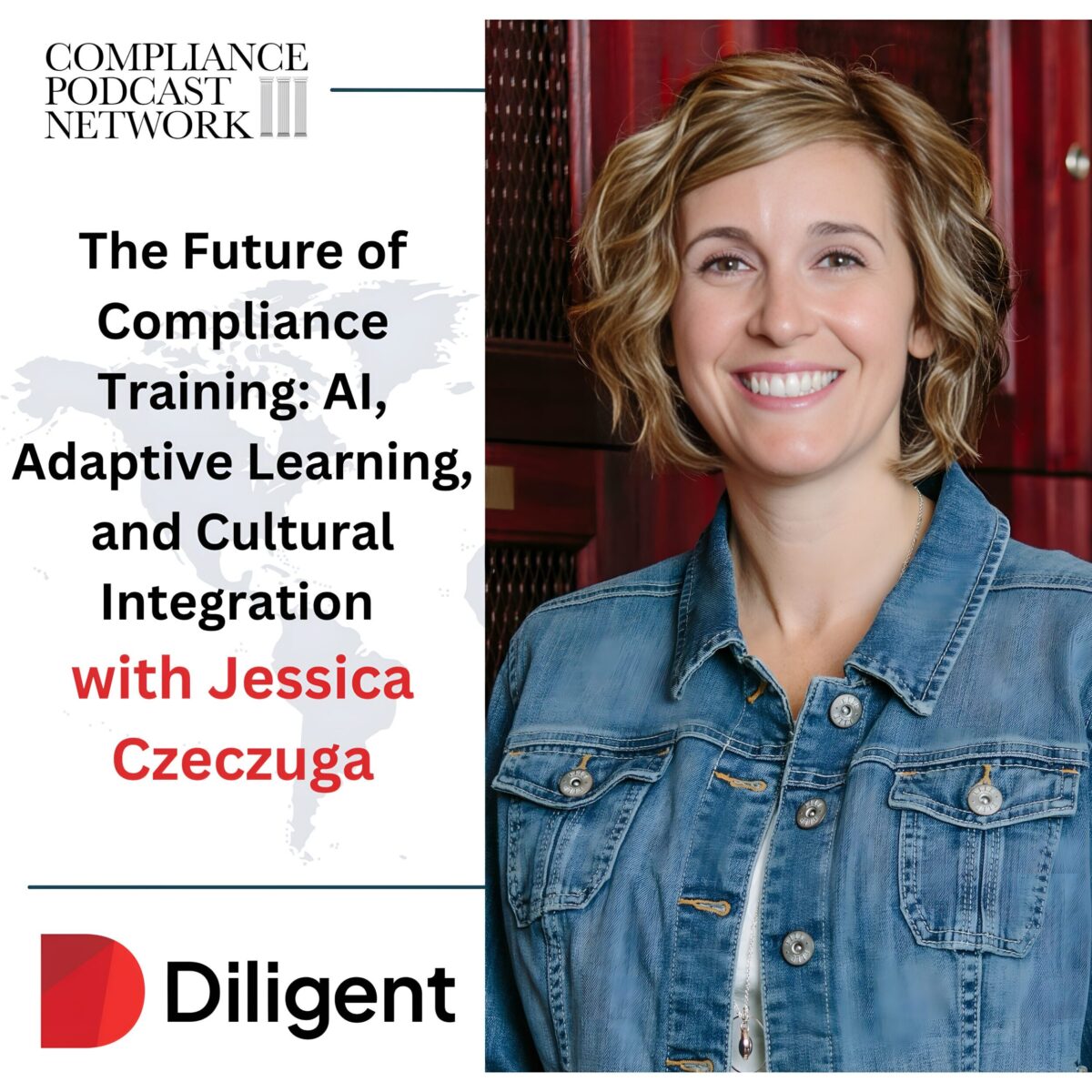
Innovation in Compliance – The Future of Compliance Training: AI, Adaptive Learning, and Cultural Integration

Innovation comes in many areas, and compliance professionals must be ready for and embrace it. Join Tom Fox, the Voice of Compliance, as he visits with top innovative minds, thinkers, and creators in the award-winning Innovation in Compliance podcast. Today, we begin a 3-part podcast series sponsored by Diligent with Jessica Czeczuga, Danile Zmak, and Amanda Carty. In Part 1, Tom is joined by Jessica Czeczuga, Principal Instruction Design Instructor at Diligent about the future of compliance training.

Tom and Jessica to explore the future of compliance training, covering key challenges such as cybersecurity and data privacy. They discuss the transformative role of AI in creating adaptive, targeted training and the importance of continuous and varied communication methods to drive home compliance messages. Jessica emphasizes the need for a comprehensive compliance education strategy, integrating training, communication, and culture, tailored to the diverse ways different generations consume information.

Key highlights:

  • Future of Compliance Training
  • Adaptive Learning and AI
  • Targeted Training Examples
  • Generational Differences in Training Delivery
  • Importance of Compliance Culture


Resources:

⁠Jessical Czeczuga on LinkedIn⁠

⁠Diligent⁠


Tom Fox

⁠Instagram⁠

⁠Facebook⁠

⁠YouTube⁠

⁠Twitter⁠

⁠LinkedIn

Categories
Daily Compliance News

Daily Compliance News: July 31, 2025, The Forgotten Generation Edition

Welcome to the Daily Compliance News. Each day, Tom Fox, the Voice of Compliance, brings you compliance-related stories to start your day. Sit back, enjoy a cup of morning coffee, and listen to the Daily Compliance News. All, from the Compliance Podcast Network. Each day, we consider four stories from the business world, compliance, ethics, risk management, leadership, or general interest for the compliance professional.

Top stories include:

  • Ukrainian oligarchs ordered to repay bank fraud. (FT)
  • The former President of Colombia was convicted of bribery. (NYT)
  • GenXers dissed yet again. (WSJ)
  • Long-term bet for insider trading. (Bloomberg)

You can donate to flood relief for victims of the Kerr County flooding by going to the Hill Country Flood Relief here.

Categories
Trekking Through Compliance

Trekking Through Compliance: Episode 60 – Gunsmoke and Gaps: How ‘Spectre of the Gun’ Informs Modern Compliance Investigations

The compliance world may not often resemble the Wild West, but the best compliance investigators know that the strange and surreal are not always fiction. Misunderstandings, missing evidence, and “unwritten rules” can make the truth as elusive as any Melkotian illusion. “Spectre of the Gun” provides a powerful lens through which to examine the investigative process. Today, we saddle up and explore five essential investigative lessons for compliance professionals from Tombstone in the Arizona Territory, as featured in this classic episode.

1. Never Assume Reality Is What It Seems

Illustrated By: From the moment Kirk and his team arrive, things are… off.

Compliance Lesson. In a compliance investigation, assumptions are your enemy. Initial appearances can deceive, especially when dealing with incomplete data, manipulated records, or the subtle influence of organizational culture.

2. Stay Calm in the Face of Escalating Pressure

Illustrated By: As the clock ticks toward 5:00, the hour of the gunfight, the crew experiences mounting psychological stress, but Kirk repeatedly counsels his team to stay calm and focused, even as the “inevitable” doom approaches.

3. Leverage Diverse Perspectives and Skills

Illustrated By: Each member of the landing party brings a unique skill to the puzzle.

Compliance Lesson. No single investigator has all the answers. The best compliance investigations are team efforts, drawing on legal, HR, IT, and business expertise. This diversity helps spot blind spots and ensures that all avenues are explored.

4. Test Hypotheses—Don’t Just Accept Stories

Illustrated By: Spock theorizes that their minds are the only reality that matters. The crew realizes they must test each new hypothesis about their environment, ultimately concluding that belief itself will determine the outcome of the gunfight.

Compliance Lesson. Compliance investigators must go beyond the “story” provided by policy manuals or initial interviews. Every theory, whether about a missing document, a suspicious transaction, or a timeline inconsistency, should be tested.

5. Mindset Shapes Outcomes—Don’t Underestimate the Power of Belief

Illustrated By: As the showdown approaches, Spock deduces that their survival depends on their conviction that the Earps’ bullets cannot harm them. He leads the crew in a Vulcan mind meld, focusing their thoughts on total certainty in their safety.

Compliance Lesson. While compliance investigators don’t need Vulcan mind melds, the principle is clear: the mindset you bring to your investigation—open-mindedness, integrity, and thoroughness—shapes the outcome. Cynicism, bias, or defeatism can close your eyes to the real issues.

Final ComplianceLog Reflections

Spectre of the Gun” is more than a surreal Star Trek adventure; rather, it is a case study in the art and science of investigation. As compliance professionals, we may not face ghostly gunfights at sundown, but we do face situations where logic, courage, and creative teamwork are our only tools against the unknown.

So, as you saddle up for your next compliance investigation, remember the lessons of the Enterprise crew in Tombstone. The truth is out there sometimes behind the facade, sometimes hiding in plain sight.

Resources:

⁠⁠Excruciatingly Detailed Plot Summary by Eric W. Weisstein⁠⁠

⁠⁠MissionLogPodcast.com⁠⁠

⁠⁠Memory Alpha


Categories
Compliance Tip of the Day

Compliance Tip of the Day – AI, Continuous Monitoring and Compliance

Welcome to “Compliance Tip of the Day,” the podcast where we bring you daily insights and practical advice on navigating the ever-evolving landscape of compliance and regulatory requirements. Whether you’re a seasoned compliance professional or just starting your journey, we aim to provide you with bite-sized, actionable tips to help you stay on top of your compliance game. Join us as we explore the latest industry trends, share best practices, and demystify complex compliance issues to keep your organization on the right side of the law. Tune in daily for your dose of compliance wisdom, and let’s make compliance a little less daunting, one tip at a time.

Today, we consider how AI can give your compliance program continuous monitoring going forward.

For more on this topic, check out The Compliance Handbook, a Guide to Operationalizing your Compliance Program, 6th edition, which LexisNexis recently released. It is available here.

Categories
Blog

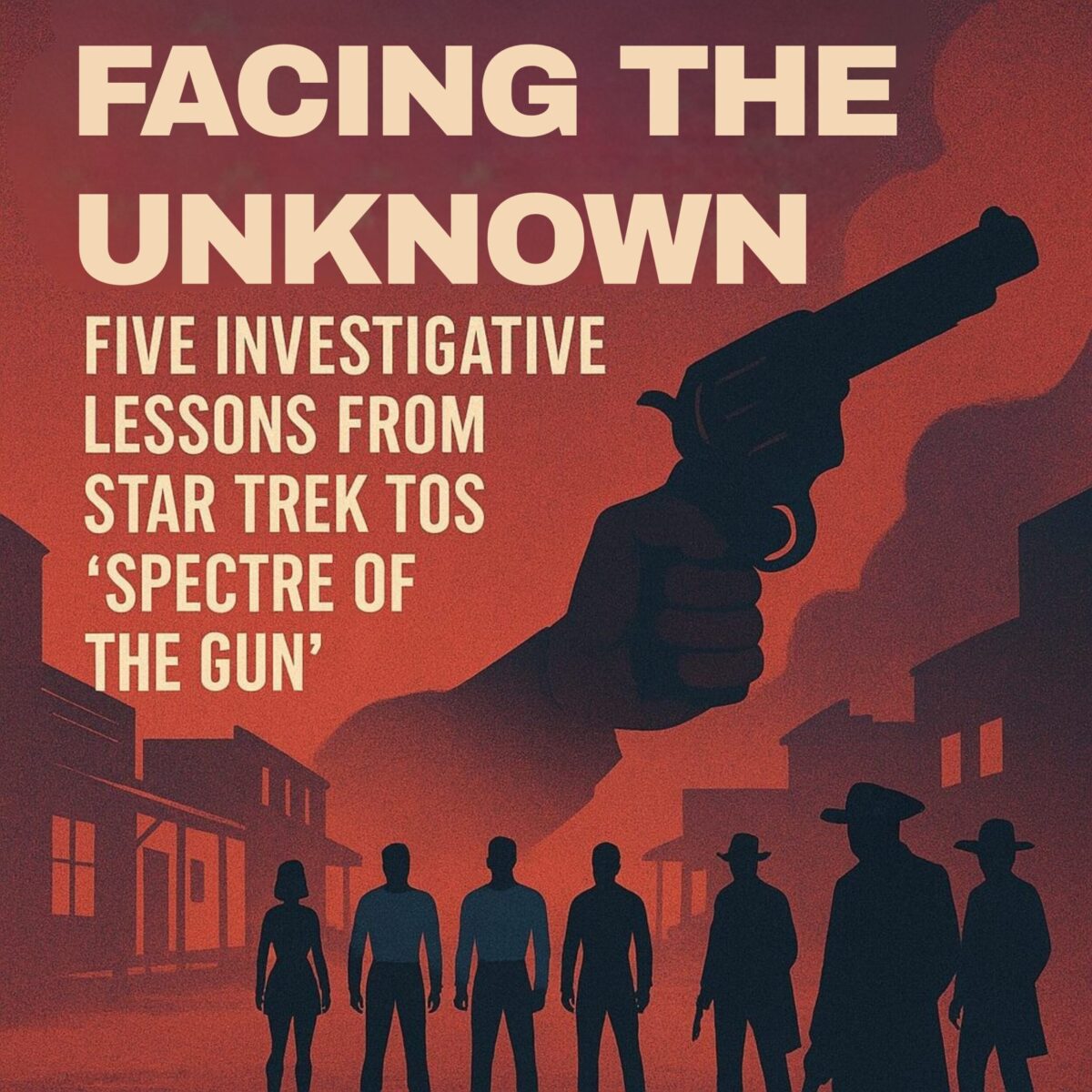
Facing the Unknown: Five Investigative Lessons from Star Trek’s “Spectre of the Gun”

One of the most fascinating aspects of compliance investigations is navigating the unknown—those ambiguous, often illogical circumstances where instinct and method must work together. Few television episodes dramatize this challenge as vividly as the Star Trek: The Original Series (TOS) episode, “Spectre of the Gun.”

In this third-season episode, Captain Kirk and his landing party beam down to a planet of the reclusive and telepathic Melkotians, only to be punished for trespassing. Their punishment? Being cast into a surreal, incomplete recreation of the 1881 Gunfight at the O.K. Corral, destined to play the losing side against the Earps and Doc Holliday. As the Enterprise crew quickly learns, logic, memory, and even physical law are unreliable. Their investigation into their predicament and their survival depends on teamwork, analysis, and the willingness to question what’s real.

The compliance world may not often resemble the Wild West, but the best compliance investigators know that the strange and surreal are not always fiction. Misunderstandings, missing evidence, and “unwritten rules” can make the truth as elusive as any Melkotian illusion. “Spectre of the Gun” provides a powerful lens through which to examine the investigative process.

Today, we saddle up and explore five essential investigative lessons for compliance professionals from Tombstone in the Arizona Territory, as featured in this classic episode.

1. Never Assume Reality Is What It Seems

Illustrated By: From the moment Kirk and his team arrive, things are… off. The town is half-finished, with buildings lacking walls and only a few facades standing. There are missing objects and inexplicable absences. Despite this, the crew initially tries to follow the “script” of Tombstone’s history, assuming their actions will play out as expected.

Compliance Lesson. In a compliance investigation, assumptions are your enemy. Initial appearances can deceive, especially when dealing with incomplete data, manipulated records, or the subtle influence of organizational culture. Like the Enterprise crew, investigators often find themselves in environments that “look” right but don’t quite add up.

A skilled investigator asks:

  • What’s missing from this picture?
  • Are there gaps or inconsistencies in the documentation?
  • Do witness accounts align, or are they conspicuously similar as if rehearsed?

Always challenge the first layer of evidence. Probe for context. Cross-check data sources and resist the urge to “solve” the case too quickly.

Takeaway:

If your compliance investigation feels too neat, step back and re-examine. The truth often lies in the gaps, not the obvious.

2. Stay Calm in the Face of Escalating Pressure

Illustrated By: As the clock ticks toward 5:00, the hour of the gunfight, the tension mounts. The Earps are aggressive, and the townsfolk are hostile or unhelpful. The crew experiences mounting psychological stress, but Kirk repeatedly counsels his team to stay calm and focused, even as the “inevitable” doom approaches.

Compliance Lesson. Investigations often bring high-pressure moments: interviewees who become confrontational, business leaders who want quick resolutions, or whistleblowers who fear retaliation. In these moments, emotions can cloud judgment and cause missteps.

Spectre of the Gun” shows that, when panic rises, clear-headed leadership and methodical process are essential. Kirk’s calm enables the team to think creatively and challenge assumptions, ultimately saving their lives.

In compliance investigations:

  • Set clear ground rules for interviews.
  • Create a calm environment, even when accusations are severe.
  • Support your team and witnesses, especially when the stakes are high.

What should you do now? Under pressure, composure and methodical thinking separate successful investigators from those who react.

3. Leverage Diverse Perspectives and Skills

Illustrated By: Each member of the landing party brings a unique skill to the puzzle. Spock applies logic to interpret the unreality of their situation. McCoy’s medical knowledge helps craft “anti-venom” to counter the gas used by Doc Holliday. Scotty and Chekov offer technical and tactical ideas, while Kirk analyzes motivations and strategy.

Compliance Lesson. No single investigator has all the answers. The best compliance investigations are team efforts, drawing on legal, HR, IT, and business expertise. This diversity helps spot blind spots and ensures that all avenues are explored.

In the episode, Spock recognizes that their environment is illusory, and the group’s willingness to trust his logic unlocks their escape. In your investigations:

  • Gather a multidisciplinary team.
  • Encourage open debate and the airing of alternate theories.
  • Leverage outside expertise when needed, such as forensic accountants or language specialists.

What should you do now? Diversity is not just about backgrounds; it is about thinking styles and problem-solving approaches. Use every tool at your disposal.

4. Test Hypotheses—Don’t Just Accept Stories

Illustrated By: When McCoy attempts to make “real” tranquilizer gas to stop the Earps, it fails, as the gas has no effect, because nothing in their environment is truly real. Spock theorizes that their minds are the only reality that matters. The crew realizes they must test each new hypothesis about their environment, ultimately concluding that belief itself will determine the outcome of the gunfight.

Compliance Lesson. Compliance investigators must go beyond the “story” provided by policy manuals or initial interviews. Every theory, whether about a missing document, a suspicious transaction, or a timeline inconsistency, should be tested.

This may mean:

  • Reconstructing timelines.
  • Running technical or forensic tests.
  • Seeking out independent corroboration for claims.

In the episode, only by testing (and failing) do Kirk and his team realize what’s going on. Similarly, failed hypotheses in your investigation are not a waste; they point you closer to the truth.

What should you do now? Test your investigative theories actively. Do not accept stories at face value; experiment, reconstruct, and challenge.

5. Mindset Shapes Outcomes—Don’t Underestimate the Power of Belief

Illustrated By: As the showdown approaches, Spock deduces that their survival depends on their conviction that the Earps’ bullets cannot harm them. He leads the crew in a Vulcan mind meld, focusing their thoughts on total certainty in their safety. When the bullets fly, they are unharmed—because they believe they cannot be hurt.

Compliance Lesson. While compliance investigators don’t need Vulcan mind melds, the principle is clear: the mindset you bring to your investigation—open-mindedness, integrity, and thoroughness—shapes the outcome. Cynicism, bias, or defeatism can close your eyes to the real issues.

Additionally, the mindset of the organization matters. If employees believe investigations are futile or predetermined, they won’t participate honestly. If they believe in the integrity of the process, you’ll get better results.

Set the tone by:

  • Demonstrating impartiality.
  • Communicating the importance of the investigative process.
  • Encouraging a “speak-up” culture where all feel heard.

What should you do now? The beliefs and values you bring to an investigation shape its success. Foster a culture of open-mindedness, curiosity, and fairness.

Final ComplianceLog Reflections

Spectre of the Gun” is more than a surreal Star Trek adventure; rather, it is a case study in the art and science of investigation. As compliance professionals, we may not face ghostly gunfights at sundown, but we do face situations where logic, courage, and creative teamwork are our only tools against the unknown.

So, as you saddle up for your next compliance investigation, remember the lessons of the Enterprise crew in Tombstone. The truth is out there, sometimes behind the facade, hiding in plain sight.

Resources:

⁠⁠Excruciatingly Detailed Plot Summary by Eric W. Weisstein⁠⁠

⁠⁠MissionLogPodcast.com⁠⁠

⁠⁠Memory Alpha