Categories
Blog

AI Game-Changing Compliance: Part 5, The Future of Compliance Education

Compliance training has traditionally been a one-size-fits-all, check-the-box exercise; from a yearly seminar and a PowerPoint presentation to an e-learning module employees rush through to meet requirements, it is dead. In 2025, compliance training is undergoing a radical transformation. Organizations are embedding compliance learning into daily workflows, leveraging microlearning, gamification, and AI-driven personalized training to make ethics and regulatory education more engaging, relevant, and effective.

The future of compliance training is no longer about forcing employees to sit through lengthy, irrelevant courses. Instead, it is about delivering the right compliance knowledge at the right time, when employees need it, to prevent violations before they occur. In Part 5 of our series on how AI is changing the game in compliance, we look at how companies use AI-powered embedded compliance training and gamification to revolutionize learning, improve retention, and strengthen corporate ethics.

Lessons for Compliance Professionals

1. Traditional Training is Outdated—AI and Gamification Are the Future  

As compliance professionals, we must acknowledge that yesterday’s models are ill-equipped to meet the challenges of a fast-evolving regulatory environment. Employees expect engaging, interactive, and immediately relevant training in their roles. AI-powered platforms offer a transformative solution by tailoring content to individual learning patterns and real-time challenges. Instead of passively absorbing information, employees can now take part in scenario-based simulations and interactive modules that mimic real-life compliance dilemmas.

This level of immersion reinforces critical policies and procedures and builds muscle memory for ethical decision-making under pressure. Integrating gamification into the learning process adds an element of friendly competition and reward, encouraging consistent engagement and deeper retention of complex regulatory frameworks. Advanced analytics further allows compliance teams to monitor engagement levels and adjust content on the fly, ensuring that every training session is as effective as it is innovative. Organizations can create a proactive culture of compliance by abandoning outdated methods in favor of AI-driven, gamified learning experiences.

2. One-Size-Fits Doesn’t Work—Customization is Key  

In the diverse landscape of modern organizations, a generic approach to compliance training will not suffice. Employees across various departments and job functions encounter unique compliance risks that demand tailored learning experiences. AI-driven personalized training platforms address this challenge head-on by analyzing individual roles, past performance, and learning styles to deliver customized content that hits home. Rather than sifting through lengthy, irrelevant training sessions, employees receive targeted lessons that directly relate to the specific scenarios they face on the job. This customization not only boosts engagement by reducing training fatigue but also empowers employees to understand better and manage the distinct regulatory risks associated with their functions.

A personalized approach creates a more efficient learning environment where employees can progress at their own pace, reinforcing best practices that directly apply to their daily tasks. Customized training ensures that resources are allocated wisely, strengthening areas of high risk and providing additional support where needed. As compliance professionals, embracing a tailored training approach means we can more effectively safeguard our organizations against potential violations and foster an environment where continuous improvement in regulatory adherence is the norm.

3. Real-Time Compliance Training Is Proactive  

Proactive, real-time compliance training is emerging as the most effective way to mitigate risk before it escalates into a full-blown problem. With advancements in AI, compliance platforms can now provide instant, context-sensitive alerts to employees as they encounter decision points in their daily work. Imagine an employee receiving an immediate prompt that clarifies a regulatory nuance or warns against a potential conflict of interest while processing a transaction. This just-in-time training approach not only reinforces the correct behaviors but also minimizes the window of exposure to non-compliant practices.

The predictive capabilities of AI enable these systems to learn from past incidents, fine-tuning alerts to ensure that they are both timely and relevant. This preemptive measure is far more effective than post-violation training, which often comes too late to prevent reputational and financial damage. Real-time guidance helps create an environment where compliance becomes integral to every decision, embedding ethical considerations into the workflow. For compliance professionals, this means having the tools to continuously monitor and support employees, reducing the incidence of violations, and fostering a culture of accountability. By shifting our focus to preventive measures, we can create a safer, more responsive workplace prioritizing ethical conduct over-reactive corrections.

4. Gamification and Microlearning Increase Knowledge Retention  

The traditional classroom-style approach to compliance training, characterized by lengthy sessions and dense material, often falls short in capturing and keeping employee attention. In contrast, gamification and microlearning techniques offer an engaging alternative that transforms the learning process into an interactive experience. By breaking down complex compliance concepts into bite-sized, digestible modules, microlearning allows employees to absorb information at a manageable pace without feeling overwhelmed. When these modules incorporate gamified elements—such as point systems, leaderboards, and interactive challenges—learning becomes a dynamic process that stimulates healthy competition and reinforces knowledge through repetition.

This method makes the training more enjoyable and significantly boosts retention rates, as employees are more likely to remember lessons that are presented in a fun and engaging format. Gamification creates a narrative around compliance, turning what was once seen as a chore into a stimulating journey of discovery and mastery. Frequent, short bursts of training to ensure that the material stays fresh in employees’ minds, helping them recall essential information when needed. For compliance professionals, these innovative training methods provide a dual benefit: they ensure that the workforce is well-versed in compliance matters and foster a proactive attitude towards ongoing learning. The result is a culture where compliance is not just a set of rules to follow but a series of continuous learning opportunities that build a foundation of ethical behavior and risk awareness. Embracing gamification and microlearning ultimately leads to more effective training outcomes, a more engaged workforce, and a lower likelihood of compliance breaches.

5. What AI Brings to Training Effectiveness  

Integrating AI and advanced data analytics into compliance training programs is a game changer. Modern compliance platforms now harness the power of artificial intelligence to meticulously track employee progress, pinpoint knowledge gaps, and even predict potential high-risk areas before they materialize into violations. This technology enables compliance professionals to move beyond a reactive stance and adopt a proactive strategy, where training is continuously refined based on real-time performance data.

If analytics reveal that certain departments consistently struggle with understanding new regulatory changes, targeted remedial training can be deployed immediately. The insights gained from AI analytics allow compliance teams to measure the effectiveness of their training initiatives with unprecedented precision, enabling continuous improvement. The feedback loop created by these insights is invaluable. It informs the development of new training modules, ensures content remains relevant to emerging risks, and supports a culture of accountability and excellence. For the corporate compliance audience, this means a significant leap forward in mitigating risks, reducing the incidence of costly breaches, and ultimately protecting the organization’s reputation.

The Future is Now: Gamification and Compliance Training 

Imagine an employee stepping into a fully interactive digital world where ethical challenges, ranging from workplace harassment to safety violations and fraud, are simulated with remarkable accuracy. In this setting, every decision the employee makes is tracked by AI, which adapts the simulation to reflect the potential consequences of their choices. This dynamic feedback loop creates a compelling training scenario where the risks of non-compliance are not merely explained in a classroom but are experienced firsthand. As a result, employees gain practical insights into the ramifications of unethical behavior without ever facing real-world penalties, thereby reducing the likelihood of future violations.

Walmart’s VR Ethics and Compliance Training program is a prime example of this innovative training method. Walmart has harnessed the power of VR to create training modules that place employees in various challenging scenarios, such as encountering workplace harassment or facing safety violations. In these simulated environments, employees must make split-second ethical decisions, mirroring the pressure and uncertainty of real-life situations. The immersive nature of VR means that participants are not passive recipients of information but active problem solvers who must engage critically with the content. This method has proven remarkably effective, as evidenced by Walmart’s reported 30% decrease in policy violations following implementing their VR-based training program.

For compliance professionals, the implications of such technology are profound. First, it represents a shift from traditional, lecture-based training to an interactive, experiential learning model that drives engagement and retention. Employees are more likely to remember and apply what they learn when they have “lived” the experience instead of merely reading about it. The adaptability of AI ensures that training content can be continuously updated and customized to reflect the latest regulatory changes and emerging risks. This agility is crucial in today’s fast-paced regulatory environment, where compliance standards strengthen rapidly, and companies must be prepared to adapt.

AI-driven simulations provide valuable data analytics that allow compliance teams to measure training effectiveness with unprecedented precision. Organizations can identify knowledge gaps by analyzing how employees interact with simulated scenarios and adjust their training strategies accordingly. This enhances the overall effectiveness of compliance programs and reinforces a proactive approach to risk management.

Integrating AI-powered compliance simulations and VR technology significantly evolves compliance training. It offers a realistic, engaging, and data-informed approach to preparing employees for ethical decision-making, ultimately reducing policy violations and fostering a culture of proactive compliance. As the corporate world continues to navigate an increasingly complex regulatory landscape, embracing these innovative training methods is essential for any organization committed to maintaining the highest standards of integrity and accountability.

Conclusion

The future of compliance training is undeniably interactive, embedded, and powered by AI. By harnessing the potential of AI-driven personalization, gamification, real-time guidance, micro-learning, and immersive simulations, organizations can elevate compliance education from a mundane obligation to a dynamic, engaging experience. This transformation makes training more enjoyable and aligns it with today’s fast-paced, risk-aware corporate landscape. Such innovative methods ensure that learning is directly tied to real-world challenges, fostering a culture of continuous improvement and ethical decision-making that resonates with every employee.

For compliance professionals, the message is unmistakable. Embracing AI and gamification in compliance training is no longer optional but essential. Organizations that modernize their compliance education strategies can significantly mitigate policy violations, boost employee engagement, and reduce the likelihood of regulatory scrutiny. By investing in cutting-edge training methodologies, companies build a resilient framework that supports ethical conduct and proactive risk management. In doing so, they safeguard their operations against potential breaches and reinforce their reputation as forward-thinking leaders in a complex regulatory environment.

Categories
Compliance Tip of the Day

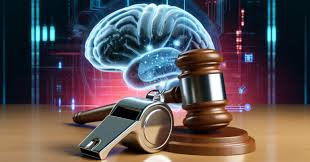
Compliance Tip of the Day – Improving Whistleblower Responses Using AI

Welcome to “Compliance Tip of the Day,” the podcast where we bring you daily insights and practical advice on navigating the ever-evolving landscape of compliance and regulatory requirements. Whether you’re a seasoned compliance professional or just starting your journey, we aim to provide bite-sized, actionable tips to help you stay on top of your compliance game. Join us as we explore the latest industry trends, share best practices, and demystify complex compliance issues to keep your organization on the right side of the law. Tune in daily for your dose of compliance wisdom, and let’s make compliance a little less daunting, one tip at a time.

Today, we look at how AI can improve whistleblower management; organizations can now triage reports faster, prioritize high-risk cases, and provide timely feedback, all to enhance your current whistleblower experience.

For more information on the Ethico Toolkit for Middle Managers, available at no charge, click here.

Categories
Blog

AI Game-Changing Compliance: Part 4, AI Can Improve Whistleblower Response

Whistleblower programs have long been a cornerstone of corporate compliance, providing employees and stakeholders with a crucial mechanism to report misconduct, fraud, and ethical violations. However, whistleblower response programs in many organizations remain burdened by slow triage processes, an overwhelming volume of reports, and inconsistent follow-ups. The result? Potentially high-risk cases get lost in the shuffle, and employees lose confidence in the system, sometimes opting to go straight to regulators instead of utilizing internal reporting channels. AI-powered tools allow compliance teams to cut through the noise, identify patterns of misconduct, and proactively address risks before they escalate into regulatory or reputational disasters.

Lessons Learned for Compliance Professionals

Integrating cutting-edge technology with traditional investigative methods has ushered in a new era of efficiency and precision in addressing internal concerns. By harnessing advanced analytics, organizations can speed up case prioritization while maintaining essential human oversight. The following five lessons provide strategic insights into how AI can be optimally deployed to enhance whistleblower response times and streamline investigations.

1. Leveraging AI to Augment Strategic Decision-Making Capabilities

When discussing AI in whistleblower response and investigations, it’s imperative to understand that these advanced tools are a force multiplier for human expertise. AI systems can rapidly sift through vast volumes of data and flag anomalies and surface patterns that might otherwise go unnoticed. However, as any seasoned compliance professional will attest, context is king. While highly valuable, AI-generated alerts must be interpreted within the nuances of organizational culture, legal frameworks, and human behavior. This is where human judgment becomes indispensable.

Consider a scenario in which an AI system identifies a cluster of complaints that could suggest systemic misconduct. The tool might rank these cases by urgency, yet the final decision on how to proceed rests on experienced eyes that can assess subtle cues and contextual factors. This hybrid approach ensures that the investigative process is both swift and accurate. Human oversight can identify when an AI might be overzealous or missing context-specific insights, thus better calibrating the technology to suit the organization’s compliance needs.

2. Expedited, Transparent, and Data-Driven Whistleblower Response Frameworks

Various laws and regulatory requirements mandate that organizations react swiftly to whistleblower reports. With AI-driven systems, compliance teams can dramatically reduce the lag between submitting a report and initiating an investigation. Traditional manual processes might delay the evaluation, leading to enhanced regulatory scrutiny, fines, or significant reputational harm. AI-powered platforms can immediately triage the report, cross-reference it with existing data, and prioritize cases based on risk and historical patterns. This level of responsiveness not only meets the high expectations of regulators but also reinforces internal trust in the organization’s commitment to ethical conduct.

Transparency is another key facet. AI systems can log every step of the investigative process, creating an audit trail that is accessible for internal reviews and regulatory inspections alike. Such transparency is invaluable, demonstrating that the organization is serious about addressing compliance concerns in real-time. When employees see that their reports are acted upon swiftly and openly, it cultivates an environment of trust and accountability.

3. Leveraging Diverse Data Sets  

One of the most critical lessons for compliance professionals leveraging AI in whistleblower investigations is the need for diversity in the data used to train these systems. AI is only as unbiased as the information it learns from. When processing sensitive whistleblower reports, any embedded bias can lead to unfair prioritization, potentially skewing investigations and undermining trust in the system.

Your AI tool should be continuously refined with diverse datasets representing various employee backgrounds, complaint types, and contextual factors. This practice ensures that the algorithms can handle the varied nature of whistleblower reports without favoring or penalizing any group or type of complaint. Compliance professionals should work closely with data scientists to conduct regular audits of AI outputs, ensuring the system’s decisions remain equitable and legally sound.

4. Fortifying Employee Confidence Within the Whistleblower Ecosystem

Building a robust and responsive whistleblower system is not about the technology. Rather, it is about fostering trust among employees. AI-driven systems can significantly enhance transparency and timeliness, but without employee buy-in, even the most sophisticated platform will fall short. When employees trust their concerns will be addressed promptly and fairly, they’re more likely to report issues internally rather than taking their concerns to external regulators, which can be more damaging to the organization’s reputation and finances.

AI’s role in this equation is pivotal. By automating the initial stages of case triage and providing real-time updates on the status of investigations, AI ensures that whistleblower reports are not lost in bureaucratic limbo. This immediacy reinforces the message that the organization is committed to addressing issues as they arise. The transparency AI systems offer—through comprehensive audit trails and clear reporting metrics—provides employees with tangible evidence that their voices are heard.

5. Elevating Stakeholder Confidence 

While the initial investment in AI-driven whistleblower systems may seem steep, the long-term benefits, especially cost savings, are substantial. One of the key lessons for compliance professionals is that the deployment of AI is not merely a technological upgrade; it is a strategic decision that can transform the financial landscape of compliance operations. AI streamlines the investigative process by reducing the time to sift through and prioritize whistleblower reports, cutting down on labor-intensive tasks that often drive up costs.

By automating routine processes, organizations can reallocate human resources to more complex issues that require nuanced judgment. This speeds up the response time and minimizes the risk of costly errors or oversights that could lead to regulatory fines and legal liabilities. The efficiency gains from AI-driven investigations often translate into fewer disruptions and lower operational costs. For example, when a potential compliance issue is flagged and resolved promptly, the organization avoids the cascading expenses associated with prolonged investigations, legal battles, and reputational damage.

In addition, the transparency and accuracy provided by AI systems can serve as a form of risk mitigation. Detailed audit trails and systematic data analysis ensure that every step of the investigative process is documented, providing a solid defense in the event of regulatory scrutiny. This comprehensive documentation can be a lifesaver during audits, saving time and legal fees. Ultimately, while the upfront costs of AI implementation should be weighed, the return on investment is clear: faster, more efficient investigations lead to lower compliance costs, a stronger legal standing, and a healthier corporate reputation. In today’s high-stakes regulatory environment, AI is not just a tool—it’s a long-term financial strategy that benefits the organization’s bottom line and integrity.

The Future is Here: How AI Enhances Whistleblower Response and Investigations

In “Artificial Intelligence and Whistleblowing: Can A.I. be Useful for Whistleblowing Processes?” Kalliopi Zouvia detailed the evolving relationship between whistleblower protection and artificial intelligence. She reviews the emerging role of AI in strengthening mechanisms for detecting, reporting, and investigating unethical practices, making it a vital read for corporate compliance professionals seeking to harness technology in upholding ethical standards.

She reviews key milestones, including Council of Europe recommendations and, more recently, the EU’s Whistleblower Directive (Directive 2019/1937), which sets a standardized baseline for protecting individuals across the EU. For corporate compliance officers, understanding these regulatory benchmarks is essential for designing internal policies that comply with legal mandates and foster a culture of transparency and accountability. Central to the discussion is the three-tier reporting model outlined by the Directive, which offers multiple channels for whistleblowers to report concerns—internally, externally, to competent authorities, or, ultimately, publicly via the media. Confidentiality and, where possible, anonymity remain crucial elements, ensuring that the identity of the reporting individual is safeguarded against unnecessary disclosure. While providing flexibility, this model also imposes significant operational challenges on organizations tasked with responding swiftly and effectively to such reports.

A major focus of the article is the potential of artificial intelligence to enhance each stage of the whistleblowing process. AI-driven reporting systems, such as chatbots, are highlighted as powerful tools that can guide individuals through the reporting process, reducing the likelihood of incomplete submissions and providing simple instructions about reporting requirements. Real-time translation services powered by AI can break down language barriers, broadening access to reporting channels across diverse cultural and ethnic groups, a critical factor for multinational corporations committed to global ethical standards.

Beyond the initial report submission, AI shows promise in streamlining the vetting and investigative processes. Automated data extraction and advanced analytics can sift through vast amounts of information to isolate relevant details, significantly reducing the manual burden on compliance teams. This technology speeds up the preliminary review of allegations and helps identify patterns or red flags that may show deeper systemic issues. Such efficiencies are valuable considering increasing report volumes, as evidenced by European and American whistleblowing statistics trends.

AI-driven whistleblower response programs are no longer futuristic concepts but essential tools for modern compliance teams. By integrating AI into whistleblower programs, companies can prioritize high-risk cases, accelerate investigations, enhance transparency, and protect whistleblowers from retaliation. As regulatory bodies continue emphasizing whistleblower protections, organizations that fail to modernize their response programs risk falling behind in compliance maturity and exposing themselves to legal and reputational risks.

The call to action for compliance professionals is clear: Embrace AI-driven whistleblower programs now or risk facing regulatory scrutiny later. The technology is available, the benefits are measurable, and the time to act is now.

Categories
Blog

AI Game-Changing Compliance: Part 3 – Decentralized Compliance with Blockchain Technology

Last week, I looked at five things a Chief Compliance Officer (CCO) or compliance professional could do at little or no cost to ‘Up Their (Compliance) Game.’ I want to continue this theme this week but want to tackle it differently. I will look at five innovations for compliance professionals around Artificial Intelligence (AI). AI has moved from an emerging trend to a fundamental component of modern corporate compliance programs. Today, I want to examine how blockchain can be a game-changer for compliance.

Today, organizations leverage blockchain to enhance transparency, ensure data integrity, and strengthen regulatory adherence. While compliance professionals have historically relied on centralized data repositories and traditional audit methods, blockchain offers a decentralized, tamper-proof alternative that reshapes compliance monitoring. This innovation is crucial in industries where data security, fraud prevention, and ethical sourcing are non-negotiable.

Regulators are increasingly scrutinizing how businesses manage their compliance data, with expectations rising for real-time reporting, immutable record keeping, and enhanced due diligence. Blockchain provides a solution by creating an unalterable digital ledger, enabling compliance teams to verify transactions, track supply chains, and show adherence to environmental, social, and governance (ESG) standards with unprecedented accuracy. Below, we explore how companies across industries utilize blockchain for decentralized compliance, lessons learned for compliance professionals, and important points for corporate leadership.

How Blockchain Enhances Compliance

One of blockchain’s most compelling benefits is its ability to create immutable audit trails. This immutability makes blockchain so revolutionary for compliance. It is not a technological novelty; it has profound implications for all manner of financial reporting, regulatory compliance, and corporate governance. Corporate leaders and compliance professionals must recognize that the traditional data management methods and audit trails are no longer sufficient in an era where every error, manipulation, or fraudulent activity can have dramatic financial and reputational consequences.

The immutable nature of blockchain means that every transaction or piece of data recorded on the chain is permanently etched into the ledger. Unlike traditional databases, which can be subject to human error or deliberate tampering, blockchain uses cryptographic principles to ensure that records remain unchanged once verified. This creates an audit trail that is transparent and verifiable in real-time. For compliance officers, this is a game changer. It fundamentally changes from periodic, retrospective audits to continuous, real-time oversight—a fundamental transformation in how businesses manage risk and adhere to regulatory standards.

The implications are enormous for industries subject to stringent compliance requirements, such as finance, healthcare, and manufacturing. Regulations like the Sarbanes-Oxley Act (SOX), the General Data Protection Regulation (GDPR), and various anti-money laundering (AML) directives demand precise, accurate record-keeping and transparent reporting. Blockchain tamper-proof ledger directly addresses these demands. By integrating blockchain into their compliance frameworks, companies can automatically enforce rules and ensure that all required records are accurate, complete, and accessible to auditors and regulators. This level of reliability reduces the risk of non-compliance and streamlines the entire audit process, saving time and reducing costs.

The decentralization inherent in blockchain technology provides additional layers of security and transparency. A central database may be vulnerable to cyber-attacks or internal manipulation in traditional systems. Blockchain distributes data across a network of nodes. Each node holds a copy of the ledger, meaning tampering with one record would require altering the entire network—a near-impossible feat with current technology. This distributed nature reinforces trust among stakeholders, ensuring that every participant—from internal auditors to external regulatory bodies—can rely on the integrity of the data. For compliance professionals, this translates to a robust, reliable system that minimizes human error and operational risk.

Another significant advantage of blockchain is its capacity to support continuous compliance monitoring. Instead of waiting for end-of-quarter reviews or annual audits, companies can now access real-time data. Regulators, for example, could be granted access to a live, immutable ledger that provides instantaneous insights into financial transactions, supply chain movements, or any other regulated activity. This proactive approach means potential issues can be identified and addressed before they escalate into full-blown compliance breaches. The result is a more agile, responsive compliance system that can adapt to changes in the regulatory landscape almost as soon as they occur.

Blockchain also facilitates automated compliance through smart contracts and self-executing digital agreements where the contract terms are written into code. These contracts can be programmed to enforce compliance rules automatically. For example, a smart contract might automatically trigger a compliance review if a transaction exceeds a predetermined threshold, or it could enforce that certain conditions are met before a transaction is finalized. This automation reduces the administrative burden on compliance teams and ensures that rules are applied consistently without the variability introduced by manual processes. For corporate leaders, this means fewer errors, faster processing times, and a more secure regulatory environment.

The Future is Now in AI-Blockchain as a Compliance Imperative

A prime example of blockchain’s efficacy in this arena is illustrated by the World Bank’s Blockchain-Based Financial Transparency Initiative. This initiative leverages blockchain to fortify transparency in government contracts and aid disbursements. Utilizing blockchain’s inherent qualities, the World Bank can ensure that funds are allocated and tracked in real-time, significantly reducing the risk of mismanagement. Every disbursement, every contractual change, and every transaction is logged on the blockchain, creating a tamper-proof audit trail that meets stringent anti-corruption and financial accountability standards. For organizations engaged in high-stakes financial operations, mainly those subject to intense regulatory scrutiny, such an initiative serves as both a preventive measure against corruption and a robust tool for regulatory compliance.

Using blockchain in anti-corruption strategies extends far beyond the realm of government aid. In regions where corruption is endemic, companies can employ blockchain to monitor financial flows and contractual obligations with unprecedented precision. The technology is a powerful deterrent against illicit behavior because it leaves no room for the discreet manipulation of records. The decentralized ledger enhances internal controls and fosters a culture of transparency that is difficult to subvert. With blockchain, every stakeholder—from auditors and compliance officers to regulators and investors—can access a clear, real-time snapshot of all transactions. This visibility is crucial for building trust and ensuring that every participant in the financial ecosystem adheres to ethical and legal standards.

For compliance teams, blockchain’s real-time monitoring capability is a game changer. Instead of relying on periodic audits that may only uncover discrepancies after the fact, organizations can continuously track financial activities as they occur. This proactive monitoring helps identify suspicious activities almost instantly, enabling swift remedial action before potential violations escalate. By automating routine compliance processes through smart contracts, blockchain minimizes human intervention, reducing the risks associated with manual errors or intentional tampering.

In summary, blockchain’s ability to improve anti-corruption and fraud prevention significantly advances corporate compliance. Its decentralized nature ensures that every transaction is transparent, verifiable, and resistant to tampering—a feature especially valuable in high-risk environments. The World Bank’s initiative is a compelling example of how blockchain can be harnessed to enforce rigorous financial transparency and accountability standards. For companies worldwide, embracing blockchain technology is not merely an option but an essential step toward fostering a secure, compliant, and ethical operational framework in an increasingly complex regulatory environment.

The benefits of blockchain also extend to fostering greater trust between companies and their regulators. By providing a transparent, real-time audit trail, blockchain diminishes the adversarial nature of regulatory inspections. Instead of a scenario where regulators must rely on a company’s internal reports, they have direct access to an independent, tamper-proof ledger. This shared transparency builds confidence in the integrity of the data and encourages a more collaborative relationship between businesses and regulatory authorities. In today’s highly scrutinized regulatory environment, such trust is invaluable.

Blockchain technology is revolutionizing corporate compliance by providing a secure, immutable record-keeping system that directly addresses many of the challenges associated with traditional audit and reporting practices. Its decentralized, tamper-proof ledger ensures data integrity and supports continuous, real-time monitoring and automated compliance through smart contracts. These capabilities help reduce fraud, human error, and the overall cost of compliance while enhancing transparency and trust among stakeholders.

The message for compliance professionals and corporate leaders is clear: embracing blockchain is no longer optional but a strategic imperative. As regulatory frameworks become more demanding and the risks associated with non-compliance increase, blockchain offers a powerful tool to meet and exceed these challenges. It empowers organizations to move away from outdated manual processes and toward a more efficient, proactive compliance model. In doing so, companies safeguard their operations and build a foundation of trust and reliability that can drive long-term success in an increasingly complex regulatory landscape.

Categories
Compliance Tip of the Day

Compliance Tip of the Day – Next-Generation Predictive Analytics for Risk Management

Welcome to “Compliance Tip of the Day,” the podcast where we bring you daily insights and practical advice on navigating the ever-evolving landscape of compliance and regulatory requirements. Whether you’re a seasoned compliance professional or just starting your journey, we aim to provide bite-sized, actionable tips to help you stay on top of your compliance game. Join us as we explore the latest industry trends, share best practices, and demystify complex compliance issues to keep your organization on the right side of the law. Tune in daily for your dose of compliance wisdom, and let’s make compliance a little less daunting, one tip at a time.

We begin a week of exploring how AI can impact your compliance program in 2025. Today, we examine how compliance can use next-generation predictive analytics for its overall risk management process.

For more information on the Ethico Toolkit for Middle Managers, available at no charge, click here.

Categories
Blog

AI Game-Changing Compliance: Part 2 – Next-Generation Predictive Analytics for Risk Management

Last week, I looked at five things a Chief Compliance Officer (CCO) or compliance professional could do at little or no cost to ‘Up Their (Compliance) Game.’ I want to continue this theme this week but want to tackle it differently. I will look at five innovations for compliance professionals around Artificial Intelligence (AI). AI has moved from an emerging trend to a fundamental component of modern corporate compliance programs. Today, I want to examine how compliance can use next-generation predictive analytics for your overall risk management process.

Predictive analytics tools have become more sophisticated, allowing compliance teams to move from reactive enforcement to proactive risk mitigation. By leveraging machine learning models, companies can expect compliance risks based on historical data, employee behavior, and external factors like geopolitical instability or regulatory changes. This approach enables organizations to allocate compliance resources more effectively and address emerging risks before they escalate.

The ability to predict and prevent compliance failures before they occur is a fundamental change. AI-driven predictive analytics help organizations identify patterns of misconduct, assess third-party risks, and enhance fraud detection. Regulators are also increasingly emphasizing the importance of data-driven compliance programs, with the DOJ’s latest guidance on corporate compliance highlighting the need for real-time monitoring and risk assessments.

Predictive Compliance Enhances Proactive Risk Mitigation

Predictive analytics transforms traditional AI methods to analyze vast data sets, identify patterns, and forecast potential risk areas before they escalate into full-blown violations. This proactive stance empowers companies to take decisive action ahead of time, mitigating risks, reducing the frequency of compliance breaches, and ultimately safeguarding the organization from financial penalties and reputational damage. When discussing predictive compliance analytics, we are talking about a paradigm shift. No longer are compliance teams simply reacting to incidents as they occur; instead, they are actively scanning the horizon for early warning signals. This foresight allows companies to allocate resources more efficiently, tailor their monitoring efforts to emerging trends, and address compliance issues at the root before they evolve into systemic problems.

Embracing this technology streamlines internal processes and solidifies an organization’s commitment to regulatory adherence, building stakeholder trust and reinforcing its reputation as an industry leader. It calls all corporate compliance professionals to invest in robust AI tools and predictive analytics to stay one step ahead. In an era where non-compliance costs are high, predictive compliance is not just an operational upgrade; it is a strategic imperative that enables organizations to preempt violations, strengthen their internal controls, and create an agile, forward-thinking compliance culture built to last.

The Future is Now in AI-Driven Predictive Analytics in Risk Management-Mastercard

The challenge was that Mastercard needed a proactive approach to detect fraudulent transactions and mitigate compliance risks in its vast payment network. The solution it came up with was to implement an AI-driven predictive analytics model that detects suspicious activity in real time by analyzing billions of transactions and identifying anomalies. The outcome was that fraud detection rates improved by 40%, reducing regulatory risk while enhancing customer trust and compliance with financial crime regulations. For compliance professionals striving to navigate the complex landscape of modern regulatory environments, the Mastercard case offers several critical lessons for compliance professionals.

1. Predictive Compliance is the Future

Mastercard’s success illustrates that predictive analytics is not simply a technological upgrade—it’s a strategic imperative. Compliance departments must invest in systems that monitor and predict. When you can anticipate a fraudulent transaction before it occurs, you gain invaluable time to implement remedial measures.

2. Regulators Expect Real-Time, Data-Driven Oversight

The landscape of regulatory oversight is evolving rapidly. Agencies like the DOJ, SEC, and FCA increasingly demand that companies move beyond periodic reviews and adopt real-time monitoring systems. In this context, AI-driven predictive analytics is not a luxury; it’s a necessity. Organizations that fail to implement such technologies risk regulatory penalties and a loss of market credibility. The Mastercard example serves as a clarion call: regulatory bodies are watching and expect data-driven compliance that leaves no stone unturned.

3. Integration of AI and Human Judgment is Critical

While AI can process vast amounts of data at lightning speed, it is not infallible. The human element remains essential in interpreting AI-generated insights. Corporate compliance professionals must ensure a seamless integration between sophisticated algorithms and experienced human judgment. Technology is a powerful tool, but it must be wielded by hands that understand the nuances of ethics, fairness, and regulatory intent. This means that a balanced approach, where AI identifies patterns and humans validate them, can lead to more robust compliance outcomes.

4. Enhancing Third-Party Risk Management

A significant part of any company’s risk profile comes from its network of third-party partners. Mastercard’s deployment of AI-driven predictive models also included monitoring third-party activities and enhancing its risk assessment capabilities. Compliance professionals should note that predictive analytics can extend beyond internal processes to encompass suppliers, vendors, and other external entities. By applying the same rigorous standards across the board, organizations can mitigate risks associated with external compliance breaches and ensure a holistic approach to risk management.

5. Early Adoption Creates Competitive and Ethical Advantages

Mastercard’s early adoption of AI-driven fraud detection positioned it as a leader in risk management and an ethical champion in the fight against financial crime. Early adopters of predictive compliance systems gain a dual advantage: they reduce immediate risks and build a reputation for being proactive and responsible. This attracts customers, investors, and regulators alike. For corporate compliance professionals, the lesson is clear: waiting to embrace innovation is a luxury that few can afford in today’s fast-paced regulatory environment.

The Broader Implications for the Compliance Landscape

Beyond Mastercard’s specific successes, this case study reflects a broader trend in compliance management. Integrating AI into compliance operations is transforming the field, offering unprecedented opportunities to preempt and neutralize risks before they escalate into full-blown crises. As more organizations recognize the value of predictive analytics, we can expect a shift toward a more dynamic and responsive compliance culture.

The Mastercard example also underscores the importance of continuous innovation. Fraudsters are constantly evolving, and so must the systems designed to thwart them. Compliance professionals must foster an environment of perpetual improvement, where technology and processes are continually refined to meet emerging challenges. This proactive mindset is good for business and essential to upholding the ethical standards that form the backbone of any reputable organization.

Next-generation predictive analytics is revolutionizing corporate compliance by transforming the traditional, reactive approach into a proactive, forward-looking discipline. By leveraging advanced machine learning models, companies can expect compliance risks before they escalate, drawing on historical data, employee behavior, and external factors, such as geopolitical shifts and regulatory changes. This paradigm shift enables organizations to allocate resources more efficiently, address emerging risks at their root, and ultimately strengthen regulatory adherence while avoiding costly enforcement actions.

At the core of this transformation is predictive analytics’ ability to identify subtle patterns of misconduct and potential vulnerabilities in real-time. Instead of waiting for a compliance failure to occur, compliance teams are now empowered to detect warning signals early, implement timely interventions, and continuously refine their risk management strategies. The article emphasizes that such proactive measures safeguard an organization’s reputation and financial stability and build greater trust with regulators, investors, and stakeholders by demonstrating a commitment to ethical governance.

Ultimately, this forward-thinking approach to compliance is an operational improvement and a strategic imperative for staying ahead in a rapidly changing regulatory landscape. By embracing predictive analytics, organizations position themselves as industry leaders in risk management, fostering a culture of continuous improvement essential for ethical and sustainable business practices. This article serves as a rallying cry for corporate compliance professionals to harness these innovations, turning compliance challenges into competitive advantages.

Categories
Compliance Tip of the Day

Compliance Tip of the Day – AI Driven Compliance Monitoring

Welcome to “Compliance Tip of the Day,” the podcast where we bring you daily insights and practical advice on navigating the ever-evolving landscape of compliance and regulatory requirements. Whether you’re a seasoned compliance professional or just starting your journey, we aim to provide bite-sized, actionable tips to help you stay on top of your compliance game. Join us as we explore the latest industry trends, share best practices, and demystify complex compliance issues to keep your organization on the right side of the law. Tune in daily for your dose of compliance wisdom, and let’s make compliance a little less daunting, one tip at a time.

We begin a week of looking at how AI can impact your compliance program in 2025. Today, we consider how AI can improve your compliance monitoring.

For more information on the Ethico Toolkit for Middle Managers, available at no charge, click here.

Categories
Daily Compliance News

Daily Compliance News: February 24, 2025, The Regulatory Vacuum Edition

Welcome to the Daily Compliance News. Each day, Tom Fox, the Voice of Compliance, brings you compliance-related stories to start your day. Sit back, enjoy a cup of morning coffee, and listen in to the Daily Compliance News—all from the Compliance Podcast Network. Each day, we consider four stories from the business world: compliance, ethics, risk management, leadership, or general interest for the compliance professional.

Top stories include:

  • FTI takes a hit from a new competitor. (FT)
  • AI in 10-Ks. (Reuters)
  • Who wants to go back to Russia? (NYT)
  • With no CFPB, who will regulate banks? (WSJ)

For more information on the Ethico Toolkit for Middle Managers, available at no charge, click here.

Check out the FCPA Survival Guide on Amazon.com.

Categories
Blog

AI Game-Changing Compliance: Part 1 – AI-Driven Compliance Monitoring

Last week, I looked at five things a Chief Compliance Officer (CCO) or compliance professional could do at little or no cost to ‘Up Their (Compliance) Game.’ I want to continue this theme this week but want to tackle it differently. I will look at five innovations for compliance professionals around Artificial Intelligence (AI). AI has moved from an emerging trend to a fundamental component of modern corporate compliance programs. Today, we begin with the use of AI for ongoing monitoring.

In 2025, organizations will no longer experiment with AI-driven compliance tools but will embed them into daily operations to monitor transactions, detect anomalies, and flag potential violations in real-time. The shift has been driven by increasing regulatory scrutiny, growing data complexity, and recognizing that traditional compliance methods, such as manual audits and periodic risk assessments, are no longer sufficient to address today’s evolving threats.

One of the most significant innovations in AI-powered compliance is using machine learning algorithms to analyze vast amounts of financial, transactional, and communications data. These tools can detect patterns of misconduct that would be nearly impossible for human reviewers to identify. AI-driven systems are particularly effective in identifying red flags associated with bribery, fraud, money laundering, and insider trading. For example, financial institutions such as JPMorgan Chase have implemented AI-based surveillance systems that analyze trader communications and transaction records to detect potential misconduct before it escalates.

Beyond monitoring, AI is transforming how organizations conduct internal investigations. Generative AI tools can now analyze employee emails, chat logs, and phone transcripts to identify risk-related language and patterns of unethical behavior. These tools can generate initial investigative reports, summarize key findings, and suggest next steps for compliance teams, significantly reducing the time and effort required to conduct in-depth inquiries. This capability is particularly valuable in responding to whistleblower complaints, as it enables companies to quickly assess a report’s credibility and determine whether further action is needed.

From a regulatory perspective, enforcement agencies are also embracing AI and, in turn, expecting corporations to do the same. No matter what might happen to the Department of Justice (DOJ) 2024 Evaluation of Corporate Compliance Programs (ECCP), this document clarified the importance of data-driven compliance monitoring. The bottom line is that regulators worldwide now expect companies to leverage advanced analytics and AI-driven tools to proactively identify misconduct rather than relying solely on traditional audit-based detection methods.

Lessons for Compliance Professionals

  1. AI is a Compliance Enabler, not a Replacement for Human Oversight. While AI can significantly enhance risk detection and investigative efficiency, it is not a substitute for experienced compliance professionals. Organizations must implement AI with human oversight and contextual analysis to assess and address flagged risks properly.
  2. Regulators Expect AI-Driven Compliance, and Ignorance is No Longer an Excuse. No matter what the Trump Administration would do to eviscerate the FCPA, the DOJ, and other enforcement agencies increasingly view AI-based monitoring as a best practice. Companies that fail to invest in these tools may be disadvantaged in regulatory investigations.
  3. Data Integrity and Bias Mitigation are Critical. AI models are only as effective as the data they are trained on. Compliance teams must ensure that their AI systems are not reinforcing biases or producing false positives that could lead to unnecessary investigations or missed risks.
  4. AI Can Improve Whistleblower Response Times and Investigations. Organizations that integrate AI into their whistleblower response programs can triage reports faster, prioritize high-risk cases, and ensure whistleblowers receive timely feedback, which aligns with the DOJ’s increased focus on whistleblower protections.
  5. Early Adoption Provides a Competitive and Ethical Advantage. Companies that invest in AI-driven compliance now will be better positioned to mitigate risks, meet regulatory expectations, and demonstrate a commitment to ethical business practices. Early adopters will also benefit from cost savings in reducing manual compliance efforts and avoiding costly enforcement actions.

The Future is Here

These lessons are not pie-in-the-sky prognostications but are based on real-world examples of how AI is used in business operations today.

  1. Citi’s AI-Powered Risk Analytics in Anti-Money Laundering (AML) Compliance. Citi has integrated predictive analytics and AI-driven risk assessment models into its AML compliance efforts. Citi’s system can identify potential money laundering activities by analyzing customer transaction histories, social connections, and geographic risk factors before they escalate. These predictive models help compliance officers prioritize high-risk cases and focus on investigating the most likely sources of financial crime. The result is a more efficient and effective AML compliance program, reducing false positives and improving regulatory compliance.
  2. Walmart’s Predictive Supply Chain Risk Management. Walmart uses predictive analytics to identify compliance risks within its global supply chain. By analyzing supplier performance data, shipment delays, and external risk factors such as weather disruptions, political instability, and labor violations, Walmart can proactively mitigate risks that could lead to regulatory violations or reputational damage. For example, the company can detect early warning signs of forced labor risks or environmental non-compliance and take corrective action before an issue triggers an investigation.
  3. Lockheed Martin’s Predictive Cyber Risk Modeling. Lockheed Martin has developed a predictive analytics framework for cybersecurity compliance. The company’s system uses machine learning algorithms to assess network traffic, employee behaviors, and external threat intelligence sources to predict potential cyberattacks before they occur. This predictive approach enables compliance teams to implement targeted security measures, ensuring compliance with strict defense industry regulations such as NIST 800-171 and the Cybersecurity Maturity Model Certification (CMMC).
  4. Pfizer’s Predictive Analytics for Drug Compliance and Pharmacovigilance uses predictive analytics to ensure regulatory compliance in drug development and distribution. The company’s models analyze clinical trial data, patient feedback, and adverse event reports to predict potential medication safety issues before regulatory agencies intervene. This proactive approach helps Pfizer stay ahead of FDA compliance requirements, minimize risks of drug recalls, and protect patient safety.
  5. Uber’s Predictive Risk Model for Regulatory Compliance has implemented predictive risk assessment models to monitor driver compliance with safety and licensing regulations across different jurisdictions. By analyzing driver behavior, customer complaints, and local regulatory trends, Uber can predict which regions will likely impose stricter regulations or where driver misconduct risks may increase. This allows the company to proactively adjust its compliance strategy, update policies, and strengthen enforcement measures before facing regulatory penalties.
  6. General Electric’s Predictive Compliance for Industrial Safety. GE has integrated predictive maintenance and compliance analytics into its industrial equipment operations. GE can predict when equipment failures or safety violations might occur by analyzing sensor data from turbines, jet engines, and manufacturing plants. This ensures regulatory compliance with occupational safety and environmental laws, reducing workplace accidents and avoiding hefty regulatory fines.

Predictive Compliance is a Game-Changer

The bottom line is that these examples demonstrate that predictive analytics is not just a theoretical concept; it is actively transforming compliance programs across industries. From financial institutions and global supply chains to healthcare, cybersecurity, and industrial safety, businesses use AI-powered insights to anticipate compliance risks and take proactive action.

The era of AI-powered compliance has arrived, and organizations that fail to embrace it risk being left behind. By leveraging AI-driven monitoring, predictive analytics, and investigative tools, compliance teams can enhance their ability to detect and prevent misconduct, streamline investigations, and strengthen their overall compliance posture. As regulators continue to raise expectations, companies must view AI not as a futuristic concept but as an essential component of a modern, proactive compliance regime.

Categories
Sunday Book Review

Sunday Book Review: February 16, 2025 The Books on AI Edition

In the Sunday Book Review, Tom Fox considers books that would interest the compliance professional, the business executive, or anyone who might be curious. These could be books about business, compliance, history, leadership, current events, or anything else that might interest Tom. Today, we have a five-book look at the top books on AI for 2025.

  1. Artificial Intelligence: A Modern Approach by Stuart Russell and Peter Norvig
  2. The Singularity Is Nearer: When We Merge with AI by Ray Kurzweil
  3. The Alignment Problem: Machine Learning and Human Values by Brian Christian
  4. Supremacy: AI, ChatGPT, and the Race that Will Change the World by Parmy Olson
  5. Nexus: A Brief History of Information Networks from the Stone Age to AI by Yuval Harari

Resources:

The Best Books on AI in 2025. In FiveBooks.com

For more information on the Ethico Toolkit for Middle Managers, available at no charge, click here.