Categories
Blog

Tariff Week, Part 1 – Navigating Uncertainty: The Compliance Professional’s Guide to Trump’s Tariffs

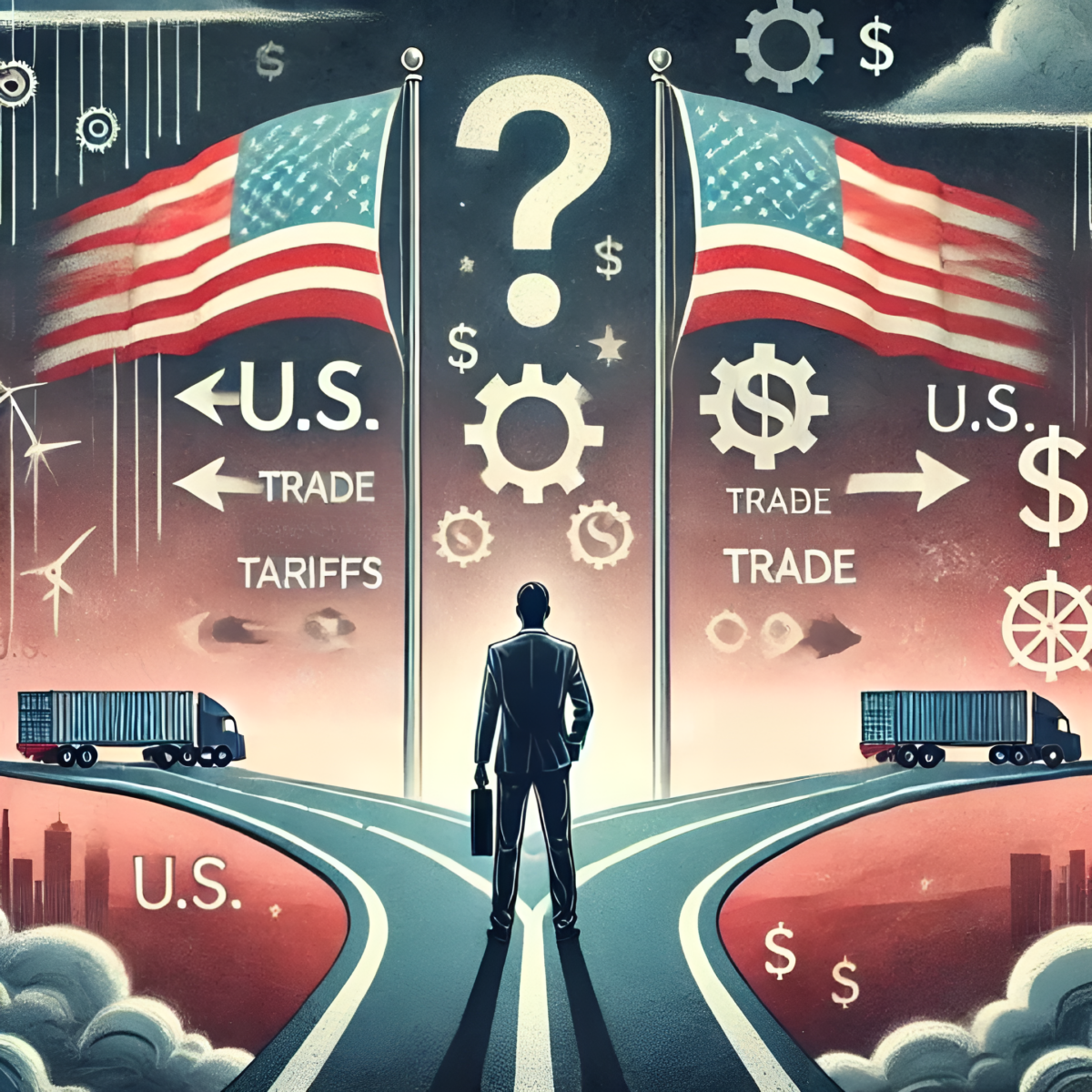
This week, we will examine the macroeconomic implications of President Trump’s recent tariff hikes and suspensions, a critical issue reverberating across boardrooms globally. Business leaders and compliance professionals are grappling with navigating this unprecedented landscape, and understanding the nuances of this evolving situation is crucial for corporate strategy and compliance preparedness. Today, we will take a macroeconomic view.

Last week, President Trump dramatically escalated tariffs on U.S. trading partners, elevating the average effective tariff rate to approximately 23%. This sharp increase has left markets reeling and businesses scrambling to adapt. Just as quickly (within 48 hours), he brought the tariffs back to their original amount by suspending them. This situation illustrates the growing complexity and volatility that executives must manage, highlighting the vital role that corporate compliance teams play in preparing businesses for macroeconomic shocks.

I was therefore interested in a recent Harvard Business Review article entitled Understanding the Global Macroeconomic Impacts of Trump’s Tariffs by authors Philipp Carlsson-Szlezak, Paul Swartz, and Martin Reeves. In this article, they considered how Trump’s tariff imposition and roll-back moves “have jolted markets and thrust business leaders into deep uncertainty. Developing a better understanding of tariffs’ primary and secondary macroeconomic effects and any plausible long-term consequences will allow executives to assess the impact on their markets and businesses continuously. With so much in flux, leaders must ditch rigid plans and build flexible, analytical muscle to navigate this turbulent new landscape.”

At its core, this situation underscores the asymmetrical nature of trade wars. The United States, due to its significant trade deficit, initially seemed well-positioned to engage in targeted trade disputes. However, by initiating a comprehensive, 360-degree trade war affecting virtually all global trading partners simultaneously, the U.S. has dramatically altered the landscape of risk and opportunity. This asymmetry is critical; while the U.S. experiences cumulative impacts from numerous trade disputes, its trading partners face singular impacts from the U.S. alone.

Understanding the primary effects of tariffs requires compliance professionals to differentiate clearly between supply and demand shocks. For U.S. businesses, supply shocks are particularly pertinent. Tariffs, effectively taxes on imports, invariably translate into higher consumer prices, fueling inflation. This scenario is reminiscent of the post-pandemic supply chain disruptions we have navigated, curtailing real incomes and restraining economic growth. Analysts predict these new tariffs could slash U.S. GDP growth by approximately 1.4%, significantly impacting corporate forecasts and strategic planning.

Trade partners face their own challenges. Retaliatory tariffs, already implemented by China and under consideration by others, inflict similar inflationary pressures and consumption downturns, albeit typically on a smaller scale, estimated between a 0.1% to 0.3% GDP reduction. However, demand shocks to these trading partners could be more severe, depending on the price sensitivity of U.S. imports. Countries heavily dependent on the U.S. market, such as Vietnam, might witness GDP contractions exceeding 6%, illustrating the profound impact that tariff-induced demand disruptions can have on certain economies.

Compliance teams must also monitor and prepare for secondary impacts. The five critical secondary channels to watch are confidence erosion, ROI effects, monetary policy errors, diminished competitiveness, and potential new financial and other shocks. Decreased consumer and business confidence could dampen spending, hiring, and investment behaviors. Additionally, while historically not always leading to recession, equity market volatility poses tangible threats to corporate balance sheets and overall financial stability.

Moreover, the tariffs significantly affect competitiveness. Approximately half of U.S. imports consist of production inputs essential for domestic manufacturing, such as steel and machine tools. Increased production costs stemming from tariffs could, therefore, undermine U.S. businesses’ competitive positions globally, an area where compliance teams must remain vigilant and advise on risk mitigation strategies.

The long-term impacts of these tariffs also warrant consideration. The Trump administration aims to reallocate global production to bolster U.S. manufacturing and employment. Unlike the Biden administration’s CHIPS Act, which strategically incentivized high-productivity sectors like semiconductors, the broad scope of Trump’s tariffs risks fostering lower-productivity industries domestically. This shift could crowd out higher-value sectors due to competition for already scarce labor resources, diminishing overall economic productivity and potential.

This scenario demands that compliance professionals embrace continuous learning and adaptability. The volatility and complexity introduced by the tariff situation reinforce the necessity of dynamic analytical capabilities over static compliance strategies. Compliance leaders must ensure their organizations develop robust analytical frameworks to assess and respond continuously to evolving macroeconomic conditions.

Organizations must regularly revisit their risk assumptions, factoring in the potential global reshuffling of trade flows. If major exporters redirect goods previously destined for the U.S. to other markets, it could trigger a broader global trade conflict, requiring compliance officers to adjust corporate risk assessments and response strategies rapidly.

Finally, executives and compliance professionals should approach this situation with a dual lens, balancing tactical short-term responses with strategic long-term considerations. Immediate tactical decisions are necessary, but it is equally critical to analyze potential structural changes in global trade dynamics that may unfold over the coming decade.

Managing macroeconomic uncertainty, such as the ongoing 360-degree trade war, is increasingly becoming an essential competency for compliance professionals. Those who proactively develop sophisticated, agile analytical capabilities will be better equipped to navigate these uncertain waters, providing their organizations with strategic advantage in tumultuous economic conditions.

Categories
Sunday Book Review

Sunday Book Review: April 13, 2025, The Books on Trade and Tariffs Edition

In the Sunday Book Review, Tom Fox considers books that would interest the compliance professional, the business executive, or anyone who might be curious. These could be books about business, compliance, history, leadership, current events, or anything else that might interest Tom. Today, we look at five books that help to explain the current trade, tariff, and sanctions situation.

  1. Why Politicians Lie About Trade: … and What You Need to Know About It by Dmitry Grozoubinski
  2. Trade Wars Are Class Wars: How Rising Inequality Distorts the Global Economy and Threatens International Peace by Matthew C. Klein & Michael Pettis
  3. Misadventures of the Most Favored Nations: Clashing Egos, Inflated Ambitions, and the Great Shambles of the World Trade System by Paul Blustein
  4. Kicking Away the Ladder: Development Strategy in Historical Perspective by Ha-Joon Chang
  5. No Trade Is Free: Changing Course, Taking on China, and Helping America’s Workers by Robert Lighthizer

Resources:

Five books to boost your understanding of tariffs and trade wars by Martin WolfAlan Beattie, and Martin Sandbu in the FT

Categories
Because That's What Heroes Do

Deep Space 9 – Episode 28: Analyzing the Changing Face of Evil

Get ready for an exciting new season of Because That’s What Heroes Do. This season, they take a deep dive into their favorite episodes of Deep Space 9. In this exploration, Tom and Megan are joined by Star Trek maven Alex Murphy (Murphy) from Montreal, a local historian, cinema, and TV fan who loves weird foreign films, horror, and obscure media. He has been watching Star Trek since he was a tiny punk, and it’s been a lifelong love. In this episode, the team concludes an exploration of the introduction of a new character for DS9’s final season. Today, they review the episode The Changing Face of Evil.

In this podcast episode, the gang takes a deep dive into an intense chapter of the Star Trek universe, exploring the escalation of conflict at the far end of the galaxy. There are major space battles, shocking reveals about Kai Winn and the Federation, a disease affecting the Founders, and the activities of the new Cardassian Liberation Front. The discussion touches on the evolving idea of evil, particularly through the actions and motivations of various characters, including Damar and the Founders. They also reflect on a surprising moment where Star Trek invokes sympathy for a Cardassian character, a nod to earlier series episodes, and explore the emotional impact of the loss of the Defiant, which has been integral to the Deep Space Nine series. The episode examines the Founders’ shift in tactics to psychological warfare, the introduction of a powerful new Breen weapon, and the distressing attitudes of the Founders toward their subordinates. Despite the dire situations, the conversation also highlights moments of camaraderie and lighter personal interactions among the Starfleet crew.

Key highlights:

  • Major Space Battles and Big Reveals
  • Sympathy for a Cardassian
  • The Defiant’s Role and Loss
  • The Founders’ Apathy and Exhaustion
  • Nog’s First Battle and PTSD

Resources:

Megan Dougherty

LinkedIn

One Stone Creative

Twitter

Tom

Instagram

Facebook

YouTube

Twitter

LinkedIn

Categories
10 For 10

10 For 10: Top Compliance Stories For the Week Ending, April 12, 2025

Welcome to 10 For 10, the podcast that brings you the week’s Top 10 compliance stories in one podcast each week. Tom Fox, the Voice of Compliance, brings you the compliance professional and the compliance stories you need to know to end your busy week. Sit back, and in 10 minutes, hear about the stories every compliance professional should know from the prior week. Every Saturday, 10 For 10 highlights the most important news, insights, and analysis for the compliance professional, all curated by the Voice of Compliance, Tom Fox. Get your weekly filling of compliance stories with 10 for 10, a podcast produced by the Compliance Podcast Network.

  • China has a trade-war arsenal ready. (WSJ)
  • Was tariff whiplash ‘open corruption’?(TNR)
  • How Intel complies with steel and aluminum tariffs. (Tom’s Hardware)
  • DOJ wipes out crypto enforcement. (WSJ)
  • HBO does on dark money corruption in Ohio. (Columbus Dispatch)
  • Meta whistleblower says the company aided China in the AI race. (Bloomberg)
  • Whistleblowers awarded $6.7 against Texas AG. (Houston Chronicle)
  • Clothes rental company CaaStle mired in allegations of fraud. (Forbes)
  • Head of Cayman Islands AML efforts found dead in burning car. (Cayman Compass)
  • 8 arrested in Huawei corruption probe. (Bloomberg)

You can check out the Daily Compliance News for four curated compliance- and ethics-related stories each day here.

Connect with Tom 

Instagram

Facebook

YouTube

Twitter

LinkedIn

Categories
Kerrville Weekly News Roundup

Kerrville Weekly News Roundup: April 12, 2025

Welcome to the Kerrville Weekly News Roundup. Each week, veteran podcaster Tom Fox and his colleagues Andrew Gay and Gilbert Paiz get together to go over a couple of their favorite stories from the past week from Kerrville and the greater Hill Country. Sit back, enjoy a cup of morning coffee, and listen in to get a wrap-up of the Kerrville Weekly News. We each consider two of our favorite stories and talk about the upcoming weekend’s events, which we will enjoy or participate in this weekend.

In this episode, Tom takes a solo turn to examine some of the stories that caught their attention over the past week.

Stories include:

  • Academy to Kerrville?
  • John McDonald named new CEO at Peterson
  • KPUB power outage
  • Auditions for Shakespeare in the Park-The Tempest
  • Fredericksburg files turnover Order against Texas Ranger Foundation

Resources:

Tom Fox on LinkedIn

Gilbert Paiz on LinkedIn

Andrew Gay on LinkedIn

Texas Hill Country Podcast Network

The Lead

Kerrville Daily Times

Categories
Fox on Podcasting

Fox on Podcasting – Unlocking Facebook’s Organic Growth Strategies for Podcasters with Jeff Dwoskin

Join Tom Fox as he explores the world of podcasting, and get ready to be inspired to start your podcast. In this episode, Tom welcomes Jeff Dwoskin, co-founder of Stampede Social, for an in-depth discussion on the latest trends in social media strategy that impact podcasters.

They delve into Facebook’s newest report, the Widely Viewed Content Report, revealing that the platform’s algorithm increasingly favors posts without external links. With only 2% of posts containing links getting significant views, Jeff shares several actionable strategies for podcasters to increase organic reach, such as using DM automation tools like Stampede Social for sharing content links. They also explore the potential for ongoing engagement with listeners through direct messaging (DM), transforming casual followers into engaged fans. Jeff provides insights on the importance of updating giveaways and calls to action to maintain audience interest and hints at upcoming features for Stampede Social in 2025. Lastly, Jeff touches upon the podcast conference scene, sharing his potential plans for attending events like Podcast Movement in Dallas.

Key highlights:

  • Exploring Facebook’s Latest Report
  • Social Strategy for Podcasters
  • Challenges with External Links on Facebook
  • Solutions for Podcasters: Stampede Social
  • Maintaining Fresh Engagement

Resources:

Jeff Dwoskin on Linkedin

Stampede Social

Tom

Instagram

Facebook

YouTube

Twitter

LinkedIn

Categories
Compliance Tip of the Day

Compliance Tip of the Day – AI and Recruiting

Welcome to “Compliance Tip of the Day,” the podcast where we bring you daily insights and practical advice on navigating the ever-evolving landscape of compliance and regulatory requirements. Whether you’re a seasoned compliance professional or just starting your journey, we aim to provide bite-sized, actionable tips to help you stay on top of your compliance game. Join us as we explore the latest industry trends, share best practices, and demystify complex compliance issues to keep your organization on the right side of the law. Tune in daily for your dose of compliance wisdom, and let’s make compliance a little less daunting, one tip at a time.

Among the numerous applications of AI, its deployment in recruitment is rapidly becoming one of the most significant and controversial topics compliance professionals need to navigate.

Categories
Reel Creators of the Texas Hill Country

Reel Creators of the Texas Hill Country: From Navy Veteran to Filmmaker: Marcus Davila’s Inspiring Story

Welcome to Reel Creators of the Texas Hill Country, where we dive deep into the heart of filmmaking in one of America’s most unique and captivating landscapes. From rolling hills and rustic towns to thriving cities and hidden gems, the Texas Hill Country offers endless inspiration for filmmakers, and we’re here to uncover every aspect. In this podcast, we’ll meet the passionate directors, cinematographers, screenwriters, and crews who bring their creative visions to life in this storied region. Join us as we explore the challenges, rewards, and unique stories that make filmmaking here an art. Whether you’re a seasoned pro or simply curious about the world behind the camera, Reel Creators of the Texas Hill Country promises to be your all-access pass to the vibrant filmmaking community of the Hill Country and beyond. Welcome to Season 2 with my first guest, Marcus Davila.

Marcus Davila, a Navy veteran turned filmmaker, channels his vision and inspiration into cinema through LionsAct Productions, a company he co-founded with his wife, Sabrina Trevino. With a belief that true vision in filmmaking stems from unity, Marcus emphasizes the importance of collaboration, bringing together diverse talents to achieve a common artistic goal. His approach to film is deeply rooted in his experiences, both in the military and through the guidance of his wife, inspiring him to provide opportunities for aspiring filmmakers and actors. Through mentorship and community outreach, Marcus is dedicated to nurturing new talent and creating meaningful cinematic experiences that resonate with audiences globally.


Key highlights:

  • Transitioning from Navy to Impactful Film Production
  • Empowering Local Talent in San Antonio Entertainment
  • Evolving LionsAct Productions through Global Partnerships
  • LionsAct Productions Networking for Creative Collaborations

Resources:

Marcus Davila on IMDb

Marcus Davila on Facebook

LionsAct Productions on Facebook

LionsAct Productions on Instagram

Texas Hill Country Podcast Network

Categories
Daily Compliance News

Daily Compliance News: April 11, 2025, The Tariff Rollback Edition

Welcome to the Daily Compliance News. Each day, Tom Fox, the Voice of Compliance, brings you compliance-related stories to start your day. Sit back, enjoy morning coffee, and listen to the Daily Compliance News. All from the Compliance Podcast Network. Each day, we consider four stories from the business world: compliance, ethics, risk management, leadership, or general interest for the compliance professional. Yesterday, Trump rolled back almost all tariffs he had imposed 48 hours earlier. We look at four stories on that issue from the compliance angle.

Top stories include:

  • China has a trade-war arsenal ready. (WSJ)
  • Was tariff whiplash ‘open corruption’?  (TNR)
  • How Intel complies with steel and aluminum tariffs. (Tom’s Hardware)
  • Chinese factories say no more discounts. (WSJ)
Categories
Blog

AI in Recruitment: Compliance Challenges and Opportunities

Compliance officers increasingly deal with emerging technologies in today’s business environment, and artificial intelligence (AI) is undeniably at the forefront. Among the numerous applications of AI, its deployment in recruitment is rapidly becoming one of the most significant and controversial topics compliance professionals need to navigate. The reason for the spotlight is clear. AI-driven recruitment tools promise substantial efficiency gains, automating tedious processes such as CV screening, initial interviews, and candidate ranking. However, this automation does not come without significant compliance and ethical pitfalls. The implications are vast, involving transparency, fairness, accuracy, and potential biases, each presenting substantial regulatory and reputational risks.

Jonathan Armstrong and I recently explored the issues surrounding the use of AI in corporate recruiting in a recent episode of Life with GDPR. This blog post is based on our discussion. For more information, I invite you to check out the full episode.

The Compliance Landscape: EU, UK, and US Perspectives

The regulatory perspective surrounding AI in recruitment varies significantly, but a general compliance framework exists through the General Data Protection Regulation (GDPR) in Europe. GDPR lays foundational principles such as transparency, fairness, accuracy, and accountability, directly impacting how AI systems must operate in talent acquisition. In the United States, state-level regulations addressing automated recruitment systems are also beginning, reflecting a broader global trend toward stronger regulatory scrutiny of these technologies.

Armstrong highlighted that enforcement is becoming more pronounced. Spain, for example, has seen regulatory actions requiring companies benefiting from AI-driven processes to articulate the basis for automated decisions clearly. The UK’s regulator explicitly notes recruitment as an area under active scrutiny, emphasizing the significance compliance professionals must attach to these practices.

Transparency and Fairness: Essential Compliance Considerations

Transparency in AI systems, particularly in recruitment, is more than a regulatory requirement; it is an ethical imperative. Under GDPR, a candidate who is rejected by an automated system is entitled to understand the basis for that decision. Simply stating “the algorithm decided” will not suffice. Organizations must be prepared to provide candidates with clear, intelligible explanations about how decisions were reached, which inherently involves unpacking the often opaque nature of AI processes.

The challenge is compounded by machine learning technologies, where decision pathways evolve dynamically. Unlike rule-based systems, the internal workings of machine learning-driven AI can be complex, making it difficult, even impossible in some instances, for companies to understand or explain their decision-making criteria fully. This opacity can lead to bias, discrimination, and unfair treatment accusations.

Bias and Discrimination: A Risk Too Real

The specter of bias and discrimination looms large with AI recruitment tools. Systems have been reported to inadvertently penalize candidates for factors unrelated to their competencies or skills, such as internet connection quality during virtual interviews. For instance, a candidate could be unfairly penalized if their internet connectivity is unreliable, leading AI systems to interpret technical delays as hesitancy or lack of confidence wrongly. This subtle discrimination disproportionately affects individuals from lower socioeconomic backgrounds, exacerbating existing inequalities.

Moreover, disturbing parallels can be drawn from AI decision-making in areas such as bail applications in the US, where biases based on ethnicity or racial profiling have resulted in unjust outcomes. The risk of similar biases entering recruitment processes cannot be underestimated, underscoring the need for vigilant compliance oversight.

Proactive Compliance: Essential Steps for Mitigation

Given these concerns, compliance officers cannot afford to adopt a passive stance. The issue of AI in recruitment is far too consequential to be left solely in the hands of HR departments or recruitment agencies. Compliance teams must proactively engage to ensure that all AI applications used in their organizations or by their third-party vendors are compliant, transparent, and fair.

Armstrong proposed the following framework compliance professionals can adopt to manage the risks of using AI in their recruiting process.

  1. Vet AI Providers Rigorously
  2. Not all AI vendors operate equally. Compliance professionals should avoid opaque, “black-box” solutions and favor providers willing and able to demonstrate transparent practices.
  3. Comprehensive Due Diligence
  4. Conduct meticulous due diligence on AI recruitment vendors. This includes verifying their ability to comply with GDPR transparency and fairness principles and their willingness to cooperate fully with subject access requests.
  5. Contractual Protections
  6. Ensure comprehensive contracts with AI recruitment providers that allocate responsibilities clearly and provide sufficient recourse in case of litigation or regulatory action. The provider must be incentivized to maintain stringent compliance standards.
  7. Transparency Obligations
  8. Communicate to candidates how AI systems will process their data. The GDPR demands openness; hence, organizations must disclose the use of AI tools, how decisions are made, and the implications for candidates.
  9. Robust Data Subject Request Procedures
  10. Compliance teams must have effective, responsive mechanisms for handling data subject requests swiftly. Candidates dissatisfied with recruitment decisions frequently resort to GDPR subject access requests, creating significant administrative and compliance burdens.
  11. Regular Auditing and Checks
  12. Establish ongoing monitoring and periodic audits to continually assess AI recruitment tools. This process helps ensure that the systems adhere to compliance principles and remain free from bias or unethical decision-making patterns.
  13. Educate and Engage Internally
  14. Compliance professionals should engage closely with internal stakeholders, educating HR teams and recruiters on the implications of AI and compliance expectations. Internal awareness significantly mitigates the risk of non-compliance and encourages proactive risk management.

Looking Ahead: Staying Vigilant and Informed

The compliance landscape for AI in recruitment is undoubtedly complex, and the stakes are high. As Armstrong emphasizes, regulatory scrutiny is set to intensify, making it imperative for compliance teams to stay ahead of developments. Vigilance, proactive engagement, and informed awareness are key to successfully navigating these challenges.

This field remains ripe for academic and regulatory inquiry. More comprehensive research and analysis into AI’s implications on recruitment fairness, bias, and effectiveness would benefit organizations and compliance practitioners. Compliance professionals should watch developments closely and contribute actively to discussions, research, and policy development in this dynamic area.

AI in recruitment offers immense promise and substantial compliance challenges. Proactively addressing these issues ensures regulatory adherence and upholds corporate ethical standards, which are crucial in maintaining brand integrity and public trust. Compliance officers, thus, play a pivotal role in guiding their organizations through this rapidly evolving technological frontier.