Categories
AI Today in 5

AI Today in 5: August 15, 2025, The AI as Boss Episode

Welcome to AI Today in 5, the newest addition to the Compliance Podcast Network. Each day, Tom Fox will bring you 5 stories about AI to start your day. Sit back, enjoy a cup of morning coffee, and listen in to the AI Today In 5. All, from the Compliance Podcast Network. Each day, we consider four stories from the business world, compliance, ethics, risk management, leadership, or general interest about AI.

For more information on the use of AI in Compliance programs, my new book, Upping Your Game. You can purchase a copy of the book on Amazon.com.

Categories
Blog

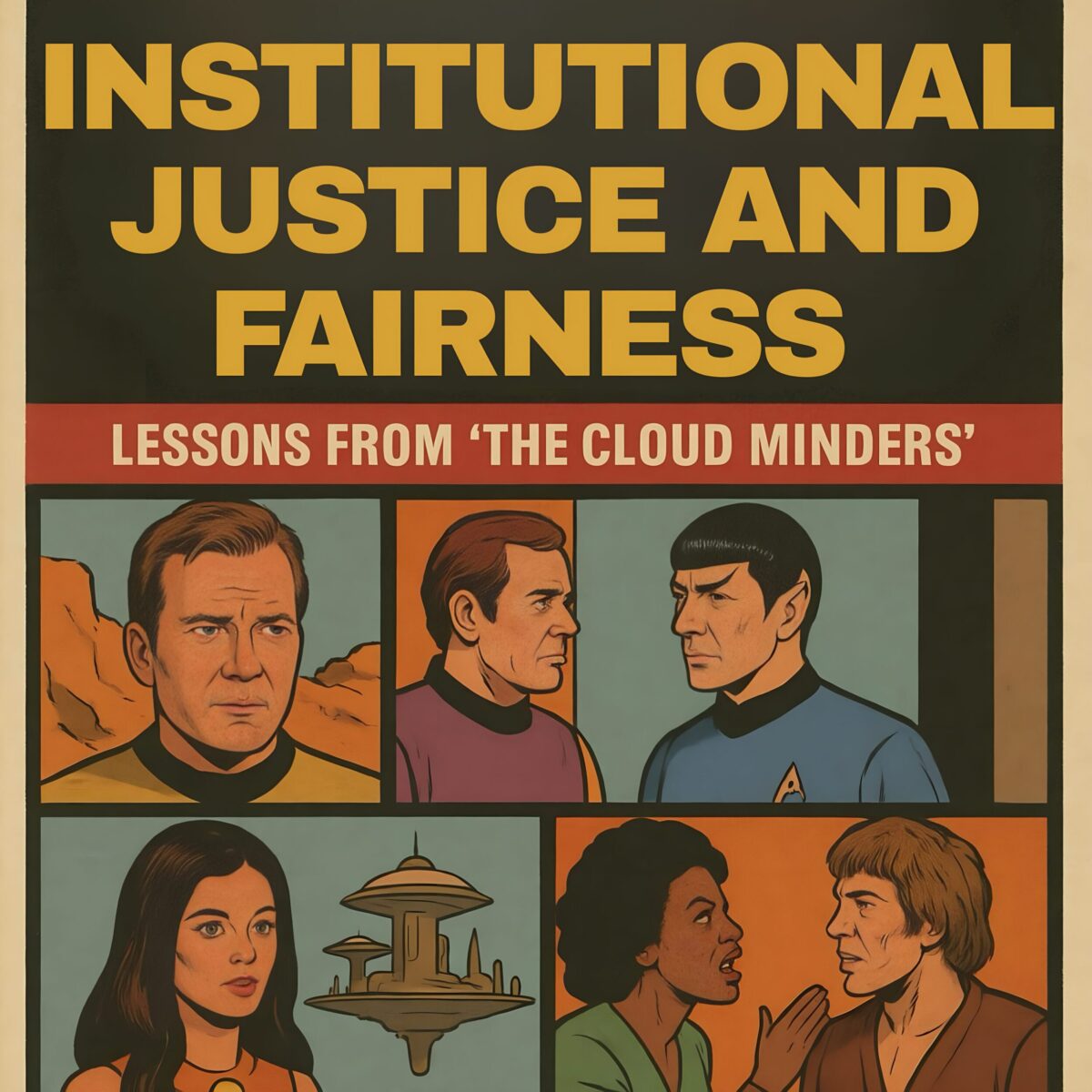
Institutional Justice and Fairness in Compliance: Lessons from Star Trek’s ‘The Cloud Minders’

Institutional justice and institutional fairness are not abstract ideals; they are operational requirements in a corporate compliance program. They define how policies are enforced, how decisions are made, and how employees perceive the integrity of their workplace. One of the most vivid illustrations of the dangers of systemic injustice and perceived unfairness comes from Star Trek: The Original Series in “The Cloud Minders.”

The DOJ’s 2024 Evaluation of Corporate Compliance Programs (ECCP) reinforces this point: for a compliance program to be effective, it must not only exist on paper but also operate fairly in practice. The DOJ expects companies to show that their compliance processes are applied consistently across the organization, regardless of seniority, revenue generation, or personal connections.

Why the DOJ Cares About Justice and Fairness in Compliance

In the ECCP, the DOJ focused on institutional justice and institutional fairness as key mandates for the compliance function. Why? It was rooted in practicality: a compliance program that is seen as biased or inconsistent will fail. Employees will not report misconduct, will hide mistakes, and will disengage from ethics initiatives.

Prosecutors know that when misconduct occurs in such an environment, it’s often a symptom of deeper cultural problems. That’s why, during investigations, they ask:

  • Are policies applied equally to all levels of the organization?
  • Is discipline consistent and documented?
  • Do employees believe the process is fair?
  • Has the company addressed the underlying causes of misconduct?

If the answers to these questions are unsatisfactory, the DOJ is more likely to view the compliance program as ineffective, regardless of its written policies.

The Tale 

The Enterprise is sent to the planet Ardana to collect zenite, a mineral needed to stop a plague on another world. Captain Kirk and Mr. Spock beam down to Stratos, a floating city inhabited by the planet’s elite, only to discover a deep societal divide. The surface of Ardana is worked by “Troglytes,” a laborer class forced to mine zenite under hazardous conditions, denied access to the comforts and education of Stratos.

The elites justify this arrangement as necessary for stability, while the Troglytes see it as systemic exploitation. The episode becomes a study in the consequences of entrenched inequality, distrust, and the refusal to address legitimate grievances, exactly the kinds of dynamics that can erode trust in a corporate compliance program if not addressed.

From this story, we can extract five compliance lessons on institutional justice and institutional fairness.

Lesson 1: Consistency in Standards Is Non-Negotiable

Illustrated by:  The leaders of Stratos apply rules differently depending on social status. The elite enjoy cultural and political freedoms, while Troglytes face restrictions and harsher punishments for similar conduct.

Compliance Lesson. The DOJ has repeatedly emphasized that policies and disciplinary measures must be applied consistently. If employees perceive that “rainmakers” or executives receive lighter sanctions, or none at all, for policy violations, trust in the compliance function evaporates. In The Cloud Minders, the double standard deepens resentment and drives conflict, precisely what can happen inside a company when justice is selective.

Why It Matters to DOJ: Prosecutors evaluate whether discipline is enforced “consistently across the organization, regardless of position or power.” Inconsistency is a red flag that the program is a paper exercise rather than a living system.

What should you do?

  • Establish clear, documented disciplinary protocols.
  • Apply them uniformly, with oversight from the compliance function.
  • Communicate to the workforce that no one is above the rules.

Lesson 2: Address Root Causes, Not Just Symptoms

Illustrated by: The Troglytes’ performance and health are impaired because mining zenite exposes them to toxic vapors. The elites interpret this as proof of inferiority, ignoring the environmental cause.

Compliance Lesson. Organizations sometimes treat compliance failures as isolated misconduct rather than symptoms of deeper issues, such as inadequate training, unrealistic sales targets, or flawed incentive structures. In Ardana, fixing the air quality in the mines would have solved much of the productivity gap, just as fixing systemic drivers of noncompliance prevents repeat issues.

Why It Matters to DOJ: The DOJ looks for root cause analysis after misconduct. They want to see whether the company took corrective action to address systemic issues, not just discipline the individuals involved.

What should you do?

  • Investigate not only “who” did something wrong, but “why” it happened.
  • Use findings to improve processes, incentives, and controls.
  • Share non-confidential lessons learned with the workforce to demonstrate fairness and transparency.

Lesson 3: Perceived Fairness Matters as Much as Actual Fairness

Illustrated by: Even when Kirk offers protective gear to the Troglytes, they are slow to trust his intentions. Years of mistreatment have convinced them that promises from the elites are empty.

Compliance Parallel: Employees judge compliance programs not only by their design but by how fair they feel in practice. If people believe investigations are biased or that whistleblowers will be punished, they will avoid reporting, even if the official policy says otherwise. On Ardana, the absence of trust kept both sides from engaging in good-faith solutions—something corporate leaders must avoid at all costs.

Why It Matters to DOJ: Prosecutors assess whether employees trust the compliance program enough to use it. A hotline no one calls is not evidence of a healthy culture—it may be proof of fear or cynicism.

What should you do?

  • Publicize examples where issues were raised and resolved fairly.
  • Protect whistleblowers from retaliation and make that protection visible.
  • Use employee surveys to measure trust in compliance processes.

Lesson 4: Leadership Must Model Ethical Behavior

Illustrated by: Stratos’s leaders speak about justice and stability, but are unwilling to live under the same risks or hardships as the Troglytes. Their detachment from the reality of mining life fuels the unrest.

Compliance Lesson. Leaders who preach ethics but cut corners for themselves undermine institutional fairness. Employees take cues from the top; if executives are exempt from rules, the rest of the organization will follow suit. In The Cloud Minders, the Stratos elite’s credibility collapses because they refuse to share the burdens of those they govern, a mistake no corporate leadership team should make.

Why It Matters to DOJ: The DOJ examines “tone at the top” and “conduct at the middle.” They want to see that leadership’s actions match their words and that managers reinforce the message through daily decisions.

What should you do?

  • Ensure executives participate in the same training and certifications as all employees.
  • Make leadership accountable for compliance metrics.
  • Publicly acknowledge when senior leaders are held to account for violations.

Lesson 5: Dialogue and Inclusion Are Tools for Justice

Illustrated by: Spock approaches the Troglytes with genuine respect, listening to their grievances and acknowledging their intelligence. His willingness to engage earns him credibility that Stratos leaders lack.

Compliance Parallel: Institutional fairness is strengthened when employees feel heard and included in shaping solutions. This doesn’t mean every request can be granted, but the act of listening and considering input builds trust. Just as Spock bridged the divide on Ardana, compliance leaders can bridge gaps in trust by treating all stakeholders with respect and dignity.

Why It Matters to DOJ: A compliance program is stronger when it incorporates feedback from the workforce. The DOJ favors companies that regularly assess the program’s effectiveness through interviews, surveys, and focus groups.

What should you do?

  • Include employee representatives in policy review committees.
  • Hold listening sessions for employees and other stakeholders after major incidents or policy changes.
  • Act on feasible suggestions and explain when ideas can’t be implemented.

Practical Compliance Takeaways from The Cloud Minders

  1. Apply Rules Equally: Avoid double standards by holding everyone—from the C-suite to front-line staff—to the exact requirements.
  2. Investigate Root Causes: Fix systemic issues, not just individual mistakes.
  3. Build Trust in the Process: Ensure employees perceive the program as fair and protective.
  4. Lead by Example: Leadership must model the ethical behavior expected of all.
  5. Listen and Include: Use dialogue to bridge divides and strengthen buy-in.

Final ComplianceLog Reflections

The Cloud Minders is more than a parable about class division; it is a warning for any institution that neglects fairness and justice. In Ardana, injustice created resentment, distrust, and rebellion. In a corporation, those same dynamics can lead to silent disengagement, hidden misconduct, and public scandal.

The DOJ’s message is clear: fairness and justice are not optional add-ons to compliance; they are the foundation of a program that works. As compliance leaders, our role is to be the “Spock” in the room, listening, respecting, and bridging divides while ensuring that the rules are fair, transparent, and consistently applied.

When we do that, we do not just comply with the DOJ’s expectations; we build organizations where people trust the system enough to make it work.

Resources:

⁠⁠Excruciatingly Detailed Plot Summary by Eric W. Weisstein⁠⁠

⁠⁠MissionLogPodcast.com⁠⁠

⁠⁠Memory Alpha

Categories
12 O’Clock High-a podcast on business leadership

12 O’Clock High, A Podcast on Business Leadership – Leadership in Cybersecurity and Privacy with Robert Meyers

12 O’Clock High, an award-winning podcast on business leadership, brings together stories from history, the arts, sports, movies, research, and current events to consider leadership lessons. In this episode, Tom Fox welcomes Robert Meyers, a veteran with over 30 years in cybersecurity, privacy, M&A security, and education.

The discussion spans Meyers’s vast professional journey from the early days of IT to the modern challenges and practices of data protection. They also explore the differences in cybersecurity and privacy perspectives between the US and Europe, the importance of cross-functional collaboration in organizations, and how new technologies like autonomous AI systems are reshaping security models. Meyers also shares his passion for Comic-Con and offers advice for students and new professionals considering a career in cybersecurity and privacy. The episode wraps up with insights into Meyers’s books and practical advice for integrating privacy principles and cybersecurity tools in today’s business environment.

Key highlights:

  • Robert Meyers’ Professional Background
  • Early Cybersecurity Challenges and Lessons
  • Evolution of Cybersecurity and Privacy
  • Privacy Perspectives: US vs Europe
  • Role of Executives in Cybersecurity and Privacy
  • Cross-Functional Collaboration in Privacy and Security
  • Innovative Cybersecurity Tools
  • Agentic AI and Its Implications
  • Comic-Con and Professional Insights
  • Career Advice for Aspiring Professionals

Resources:

Privacy Snippets for the Cybersecurity Professional on Amazon

Robert Meyers’ Profile on Amazon

Robert Meyers ‘on LinkedIn

Tom Fox

Instagram

Facebook

YouTube

Twitter

LinkedIn

Categories
Fox on Podcasting

Fox on Podcasting – Mastering Content Creation and Personal Branding with Dave Polykoff

Join Tom Fox as he explores the world of podcasting, and get ready to be inspired to start your podcast. In this episode, host Tom Fox welcomes Dave Polykoff, the founder of Zenpost and the Personal Brand Blueprint podcast.

Polykoff discusses the importance of content creation and personal branding for busy founders, sharing insights into how he streamlined his content creation process through Zenpost, a done-for-you content service. The conversation explores the benefits of podcasting as a business model and how to develop a distinctive hosting style. Polykoff also discusses the comprehensive use of Notion for managing content workflows and automations. The episode concludes with a discussion on the importance of having a clear mission and strategy for personal branding.

Key highlights:

  • Dave Polykoff’s Background and Zenpost
  • The Value of Podcasting for Businesses
  • Developing Your Hosting Style
  • Guest Preparation and Best Practices
  • Using Notion for Podcast Management
  • The Importance of Personal Branding

Resources:

Zenpost Website

Personal Brand Blueprint Podcast on YouTube

Zenpost on LinkedIn

Follow Dave Polykoff on:

LinkedIn

Instagram

PodMatch

Tom Fox

Instagram

Facebook

YouTube

Twitter

LinkedIn

Categories
Daily Compliance News

Daily Compliance News: August 14, 2025, The End of Dial Up Edition

Welcome to the Daily Compliance News. Each day, Tom Fox, the Voice of Compliance, brings you compliance-related stories to start your day. Sit back, enjoy a cup of morning coffee, and listen in to the Daily Compliance News. All, from the Compliance Podcast Network. Each day, we consider four stories from the business world, compliance, ethics, risk management, leadership, or general interest for the compliance professional.

Stories include:

  • The State of Texas sues Lilly for bribery. (Reuters)
  • TACO Don caves on China yet again. (BBC)
  • Bessent warned on COIs. (NYT)
  • AOL ends 30 years of dial-up. (BBC)

You can donate to flood relief for victims of the Kerr County flooding by going to the Hill Country Flood Relief here.

Categories
AI Today in 5

AI Today in 5: August 14, 2025, The Putting the Human in AI Episode

Welcome to AI Today in 5, the newest addition to the Compliance Podcast Network. Each day, Tom Fox will bring you 5 stories about AI to start your day. Sit back, enjoy a cup of morning coffee, and listen in to the AI Today In 5. All, from the Compliance Podcast Network. Each day, we consider four stories from the business world, compliance, ethics, risk management, leadership, or general interest about AI.

  • Presight and Dow Jones Factiva Partner to Create AI-Native Risk and Compliance Solutions. (TechAfricaNews)
  • CITGO to enhance compliance through AI. (BusinessWire)
  • GenAI in government. (SAS)
  • EU general-purpose AI obligations. (Baker & McKenzie)
  • Grounding your AI in the human experience. (Nice)

For more information on the use of AI in Compliance programs, see Tom Fox’s new book, Upping Your Game. You can purchase a copy of the book on Amazon.com.

Categories
Trekking Through Compliance

Trekking Through Compliance: Episode 74 – Keeping the Crew Safe: Compliance Leadership Lessons from “The Way to Eden”

Few Star Trek episodes illustrate the complexity of leadership in the face of ideological fervor as vividly as “The Way to Eden.” In this story, the Enterprise encounters a group of spacefaring counterculture idealists led by Dr. Sevrin, a brilliant but unstable scientist. The trouble? Sevrin is a carrier of a deadly bacterium, and his quest puts both his followers and the Enterprise crew at risk. Captain Kirk, Spock, and McCoy must navigate a delicate balance, respecting personal freedoms while ensuring the safety of all. From this episode, compliance leaders can draw five practical lessons.

Lesson 1: Understand the Motivations Behind Risky Behavior

Illustrated by: Sevrin’s followers are not acting out of malice; a utopian vision of freedom from the constraints of modern society drives them.

Compliance Lesson. Employees and business units may engage in risky practices not because they want to harm the company, but because they believe their approach is better, faster, or more in line with their values.

Lesson 2: Clear Boundaries Protect Everyone

Illustrated by: Kirk’s role as captain means protecting the entire crew, not just indulging a vocal subgroup.

Compliance Lesson. Leaders must sometimes be the ones to say “no,” even in the face of enthusiasm or pressure from influential stakeholders. Boundaries, whether in anti-bribery rules, safety procedures, or cybersecurity protocols, exist to protect the organization as a whole.

Lesson 3: Engagement Is More Effective Than Suppression

Illustrated by: Spock earns the respect of Sevrin’s group by listening without judgment and showing genuine curiosity about their beliefs.

Compliance Lesson. By engaging respectfully, leaders can open channels for dialogue, uncover hidden risks, and sometimes win buy-in for compliance initiatives.

Lesson 4: The Allure of Shortcuts Can Blind People to Risks

Illustrated by: When Sevrin’s followers find the planet, they quickly discover that the vegetation is saturated with toxins, and stepping barefoot on the grass leads to deadly consequences.

Compliance Lesson. In business, “Eden” often takes the form of shortcuts, overseas markets with lax regulations, unvetted third parties who promise quick results, or aggressive accounting practices.

Lesson 5: Leadership Means Balancing Compassion with Accountability

Illustrated by: Accountability comes not in punishment, but in ensuring the survivors face the consequences of their decisions and understand the lessons learned.

Compliance Leadership Parallel: Leaders must respond to compliance breaches with a balance of firmness and empathy. Compliance leadership means leaving people with their dignity intact while making it clear that rules matter.

Final Thoughts

The Way to Eden is often remembered as a quirky Star Trek episode, with its counterculture overtones and space-hippie soundtrack. But beneath the surface, it’s a leadership case study: how to guide a diverse, passionate, and sometimes rebellious set of stakeholders toward a safe and sustainable outcome.

Compliance leaders face their own “Sevrins” and “Edens” every day, compelling visions that, if left unchecked, can lead to disaster. The key is to listen, understand, set boundaries, and lead with both compassion and resolve. In the end, leadership in compliance is not about keeping people from chasing their Eden; rather, it is about making sure they survive the journey.

Resources:

⁠⁠Excruciatingly Detailed Plot Summary by Eric W. Weisstein⁠⁠

⁠⁠MissionLogPodcast.com⁠⁠

⁠⁠Memory Alpha

Categories
Blog

Compliance Leadership Lessons from Star Trek’s The Way to Eden

In compliance, leadership is not just about setting the tone at the top. It is about guiding an organization through competing values, disruptive influences, and well-intentioned but potentially dangerous shortcuts.

Few Star Trek episodes illustrate the complexity of leadership in the face of ideological fervor as vividly as “The Way to Eden.” In this story, the Enterprise encounters a group of spacefaring counterculture idealists led by Dr. Sevrin, a brilliant but unstable scientist. Sevrin and his followers reject modern technology and societal norms, seeking a mythical, untouched planet called “Eden” where they can live in what they believe will be pure harmony.

The trouble? Sevrin is a carrier of a deadly bacterium, and his quest puts both his followers and the Enterprise crew at risk. Captain Kirk, Spock, and McCoy must navigate a delicate balance, respecting personal freedoms while ensuring the safety of all. From this episode, compliance leaders can draw five practical lessons.

Lesson 1: Understand the Motivations Behind Risky Behavior

Illustrated By: Sevrin’s followers are not acting out of malice; a utopian vision of freedom from the constraints of modern society drives them. However, their rejection of medical science and safety protocols blinds them to the dangers they bring aboard the Enterprise.

Compliance Lesson. Employees and business units may engage in risky practices not because they want to harm the company, but because they believe their approach is better, faster, or more in line with their values. Leaders who dismiss these motivations outright risk alienating people whose energy could be channeled constructively. By understanding the drivers of noncompliance, leaders can redirect passion into safe, compliant channels.

What should you do?

  • Take time to understand why individuals resist compliance requirements.
  • Acknowledge the values behind dissent, even when you cannot endorse the methods.
  • Look for ways to align personal motivations with organizational ethics and risk frameworks.

Lesson 2: Clear Boundaries Protect Everyone

Illustrated By: Despite Sevrin’s charisma, Kirk sets firm boundaries: the Enterprise cannot simply abandon its mission to pursue Eden, and Sevrin’s health status requires quarantine protocols. Kirk’s role as captain means protecting the entire crew, not just indulging a vocal subgroup.

Compliance Lesson. Leaders must sometimes be the ones to say “no,” even in the face of enthusiasm or pressure from influential stakeholders. Boundaries, whether in anti-bribery rules, safety procedures, or cybersecurity protocols, exist to protect the organization as a whole.  Ethical leadership means knowing when flexibility is possible and when it would endanger the mission.

What should you do?

  • Communicate non-negotiable compliance requirements clearly and early.
  • Ensure all employees understand the rationale behind safety and regulatory protocols.
  • Stand firm when those boundaries are tested, even by high performers or senior leaders.

Lesson 3: Engagement Is More Effective Than Suppression

Illustrated By: Spock earns the respect of Sevrin’s group by listening without judgment and showing genuine curiosity about their beliefs. This rapport allows him to act as a bridge between the group and the Enterprise command staff, even though he ultimately disagrees with their methods.

Compliance Lesson. Dismissing dissenters as “problem employees” without engagement can deepen resistance. By engaging respectfully, leaders can open channels for dialogue, uncover hidden risks, and sometimes win buy-in for compliance initiatives. Effective compliance leadership values dialogue as a tool for both education and intelligence gathering.

What should you do?

  • Listen actively to dissenting voices.
  • Avoid treating all opposition as insubordination. Sometimes it is a signal of deeper organizational issues.
  • Use engagement to build trust, even when consensus is not possible.

Lesson 4: The Allure of Shortcuts Can Blind People to Risks

Illustrated By: When Sevrin’s followers find the planet, which they believe to be Eden, it initially appears beautiful and untouched. However, they quickly discover that the vegetation is saturated with toxins, and stepping barefoot on the grass leads to deadly consequences.

Compliance Lesson. In business, “Eden” often takes the form of shortcuts, overseas markets with lax regulations, unvetted third parties who promise quick results, or aggressive accounting practices. These may look enticing at first, but the hidden risks can be fatal to the organization. Part of a compliance leader’s role is to de-romanticize shortcuts and reveal the full risk landscape.

What should you do?

  • Teach employees to perform due diligence before pursuing new opportunities.
  • Make risk assessments an integral part of strategic decision-making.
  • Share examples of past corporate failures caused by seemingly “perfect” opportunities.

Lesson 5: Leadership Means Balancing Compassion with Accountability

Illustrated by: After the Eden disaster, Sevrin dies, but his followers are spared. Kirk and Spock treat the survivors with compassion, offering them care and safe passage, even though their actions had endangered the crew. Accountability comes not in punishment, but in ensuring the survivors face the consequences of their decisions and understand the lessons learned.

Compliance Leadership Parallel: Leaders must respond to compliance breaches with a balance of firmness and empathy. Punishment without compassion can breed resentment; compassion without accountability can encourage repeat behavior. Compliance leadership means leaving people with their dignity intact while making it clear that rules matter.

What should you do?

  • Address violations swiftly and fairly.
  • Provide education and corrective measures alongside disciplinary actions.
  • Use breaches as teaching moments for the broader organization.

Why “The Way to Eden” Matters for Compliance Leaders

The episode is a study in balancing values: freedom and safety, individuality and collective responsibility, compassion and firmness. Kirk, Spock, and McCoy each play a part: Kirk as the boundary-setter, Spock as the bridge-builder, and McCoy as the voice of science and evidence.

In a corporate setting, compliance leaders often find themselves in all three roles at once. They must:

  • Understand and respect differing viewpoints (Spock).
  • Set and enforce boundaries that protect the organization (Kirk).
  • Ground decisions in objective facts and regulations (McCoy).

When done well, this approach strengthens the organization’s ethical culture and reduces the likelihood of costly risk events.

Final Thought

The Way to Eden is often remembered as a quirky Star Trek episode, with its counterculture overtones and space-hippie soundtrack. But beneath the surface, it’s a leadership case study: how to guide a diverse, passionate, and sometimes rebellious set of stakeholders toward a safe and sustainable outcome.

Compliance leaders face their own “Sevrins” and “Edens” every day, compelling visions that, if left unchecked, can lead to disaster. The key is to listen, understand, set boundaries, and lead with both compassion and resolve. In the end, leadership in compliance is not about keeping people from chasing their Eden; rather, it is about making sure they survive the journey.

Resources:

⁠⁠Excruciatingly Detailed Plot Summary by Eric W. Weisstein⁠⁠

⁠⁠MissionLogPodcast.com⁠⁠

⁠⁠Memory Alpha

Categories
Compliance Tip of the Day

Compliance Tip of the Day – Investment Strategies for Compliance

Welcome to “Compliance Tip of the Day,” the podcast where we bring you daily insights and practical advice on navigating the ever-evolving landscape of compliance and regulatory requirements. Whether you’re a seasoned compliance professional or just starting your journey, we aim to provide you with bite-sized, actionable tips to help you stay on top of your compliance game. Join us as we explore the latest industry trends, share best practices, and demystify complex compliance issues to keep your organization on the right side of the law. Tune in daily for your dose of compliance wisdom, and let’s make compliance a little less daunting, one tip at a time.

Today, we discuss the key investment strategies for a CCO to use when presenting to a CFO.

For more on this topic, check out The Compliance Handbook, a Guide to Operationalizing Your Compliance Program, 6th edition, which LexisNexis recently released. It is available here.

Categories
The I-Team Podcast

The I-Team Podcast – Episode 2 – The One with Kelly Twigger

In the second edition of the I-Team podcast, the I-Team discusses international aspects of data law. The I-Team is joined this time by special guest Kelly Twigger.

The I-Team is a spin-out of the ever-popular Relativity Fest International Panel.

Topics include:

  • Failing to supervise expert witnesses
  • Issues around the collection of data in subject access requests, investigations & for litigation
  • The use of AI in legal proceedings
  • The dangers of GenAI & hallucination
  • The need for law firm management to educate lawyers after the Ayinde case
  • Recent cases in South Africa, the US & UK
  • The fact that even law-specific AI can hallucinate
  • Recent developments in AI detection in South Africa & the issues this might create in court
  • The role of AI in legal education
  • A defence of the em dash—and maybe also the semicolon

The first I-Team podcast covering hallucination in more detail is here.

The article David refers to is here.

Jonathan talks about the Ayinde case, which is here.

Linda talks about a South African case here.

Jonathan talks briefly about the NYSBA AI Task Force report here.

Fiona refers to UK judicial guidance, which is here.

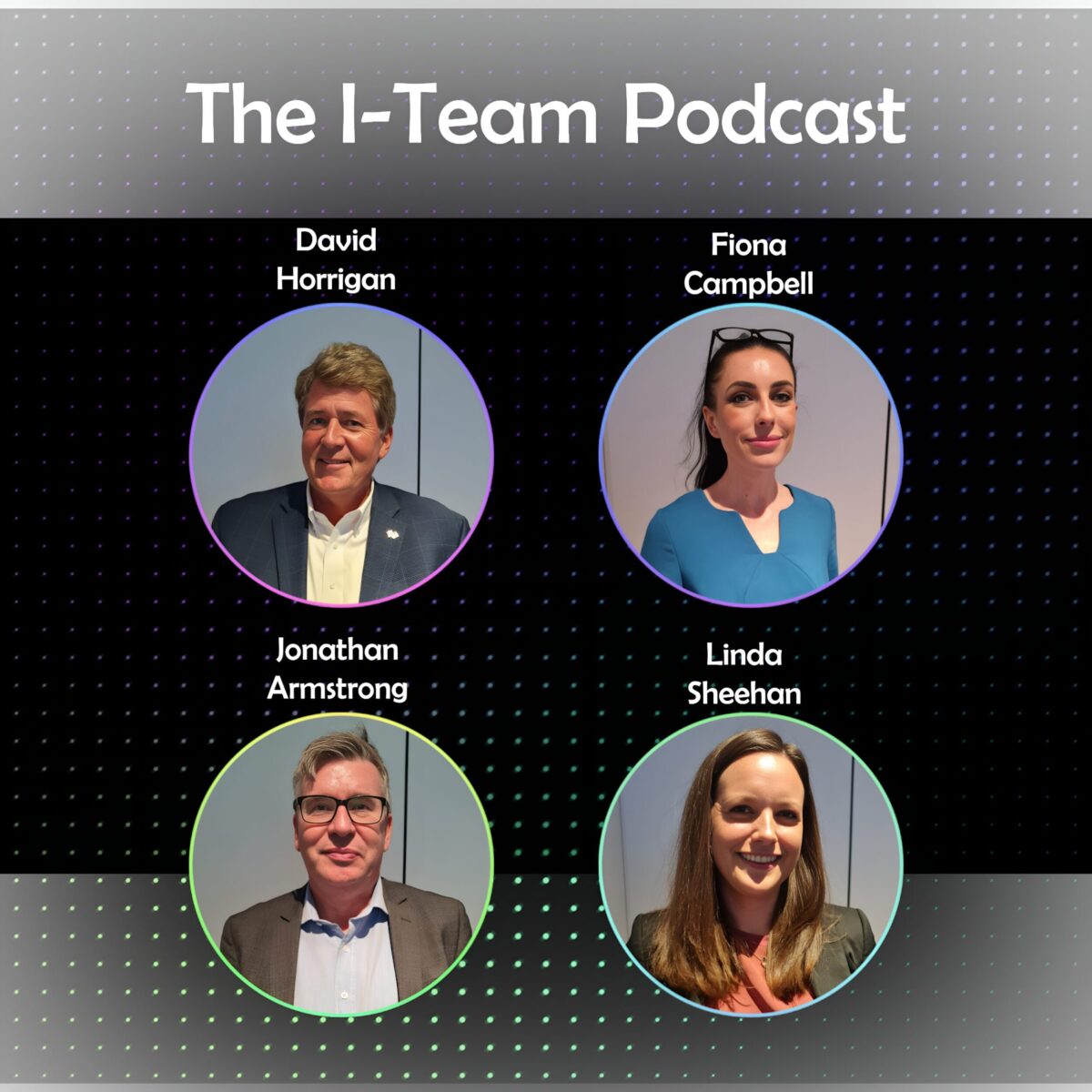
The I-Team are:

Jonathan Armstrong of Punter Southall Law

Fiona Campbell of Field Fisher

David Horrigan of Relativity

Linda Sheehan of intelligENS